Call (585) 868-0065
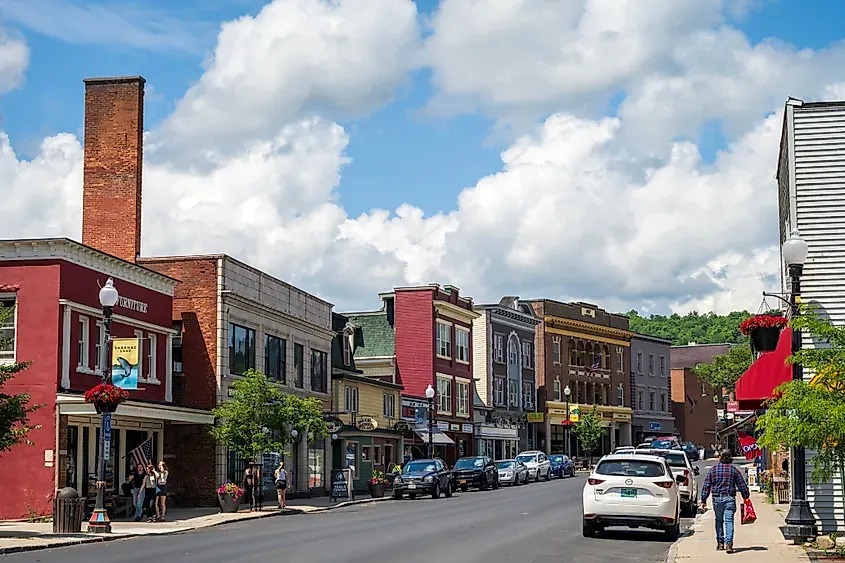
Brick storefronts along a small-town main street under a blue sky

Planned Railroad Village

East Rochester Roofing in a Village Built Around the Railroad

East Rochester began as Despatch, a planned village laid out around the Merchants Despatch car shops in 1897, with north-south streets named for presidents and east-west streets named for trees. The houses went up in rows for railroad workers, and their roofs still share that orderly pattern: small pitches, short runs, and a rail line that splits the village in two.

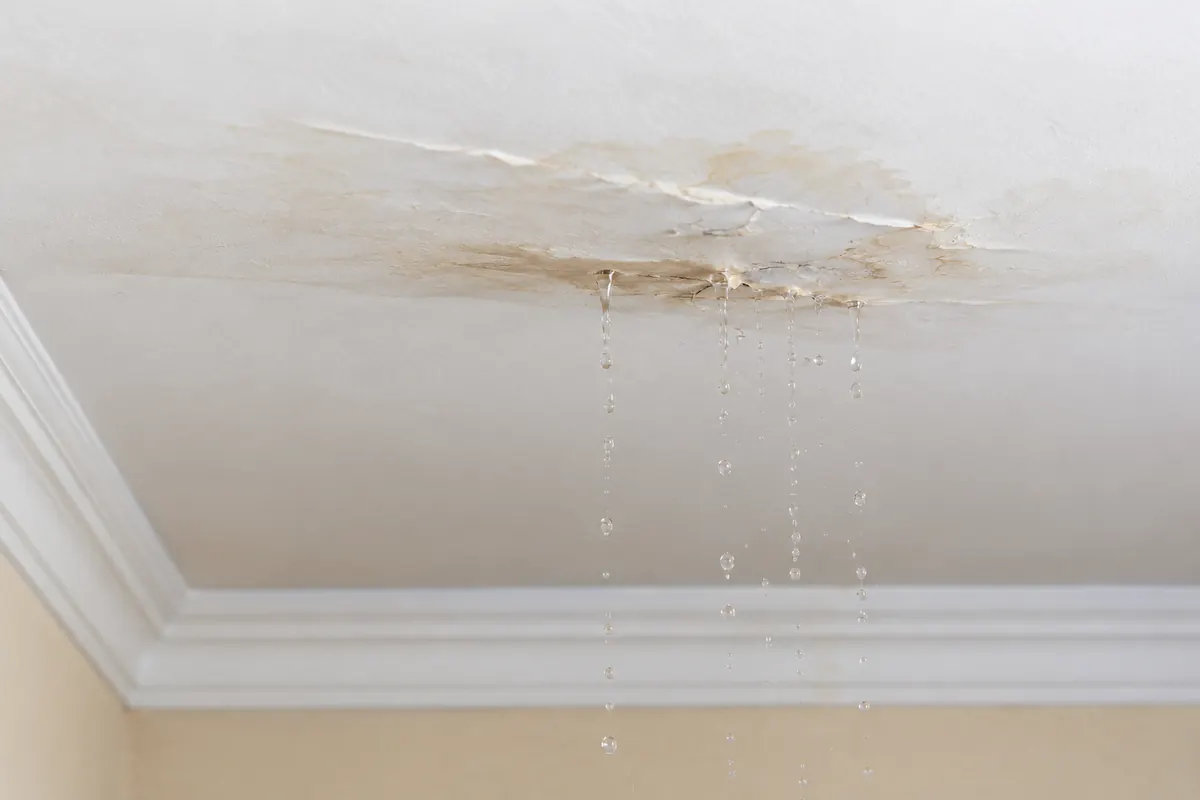
Water dripping from a stained ceiling where a roof leak has soaked through
A ceiling stain and dripping water where a roof leak found its way inside

East Rochester

A planned railroad village with roofs built in rows

Walter Parce bought the farms here in the 1890s and laid out a village for the car shops, and the plan still shows in the roofs. The houses went up close together in rows, with small footprints and short ridge runs, so a leak on one roof often shows up in the attic of the house beside it. A roof inspection here looks at the whole row, not just one house.

The CSX main line runs east to west through the middle of the village, and only Washington Street and South Lincoln Road pass beneath it. The two underpasses sit about half a mile apart, and the houses near them take train vibration and soot that the rest of the village never sees. That vibration works flashing loose at chimneys and walls over time, and the roof repair we do near the tracks often starts at a chimney that has shifted a little each year.

The village changed its name from Despatch to East Rochester in 1906, after the Foster-Armstrong Piano Company argued that the old name was little known outside the railroad. The piano works and the car shops are gone now, and the business district east of Main Street was rebuilt in later years. The City of Rochester sits just west of the village, and the two places share the same lake-effect snow and the same winter roof problems.
A work day

A day on an East Rochester roof

Row walk

Walk the row, not just the house

We start by walking the roof and the roofs beside it, since row houses share wind and water. We check the ridge, the valleys, and the chimney flashing first, before any tools come out, walking the row-house roofs side by side.

Roof walk

Open the leak path

The shingles around the leak come up so we can look closely at the deck and underlayment under them. Here, most leaks trace back to flashing that moved with the seasons, not to the shingles.

Attic check

Set the new work in place

We set new flashing at the chimney and walls, lay the shingles back in the same pattern, and seal the ridge caps. The gutters get cleared before the ladder comes down.

Photos and plan

Check the attic, then the yard

In the attic we look for daylight and damp, then sweep the yard for nails with a magnet and show the homeowner the finished work.

Streets and blocks

East Rochester streets, each with its own roof pattern

The village is small enough to walk across, but the roofs change from street to street. The president streets run north to south, the tree streets run east to west, and the rail line cuts between them.

Main Street Village center roofs

The main drag from the old station site, with storefronts and homes whose roofs have seen a century of trains.

Washington Street Underpass roofs

The only north-south street that runs the full village, passing under the rail line and carrying the most traffic.

Linden Avenue Tree street roofs

The east-west street that runs the full village, lined with the small pitches of the original worker homes.

Commercial Street Low-slope roofs

The street along the old industrial ground, where low-slope and flat roofs need membrane care rather than shingles.

Despatch Drive New industrial roofs

The road built over the old car shops ground, where newer industrial buildings carry low-slope roofs.

South Lincoln Road Underpass roofs

The second underpass street, with homes that take train vibration and soot from the main line.

Roof shapes

Pitched or low-slope: matching the roof to the building

East Rochester holds both shapes in a small area. The worker homes carry pitched roofs, the industrial buildings carry low-slope roofs, and each shape fails in its own way.

Pitched and low-slope roofs in East Rochester
Roof shapeWhere it sitsWhat fails firstWhat we check
Steep pitchedWorker homes on tree streetsRidge caps and chimney flashingRidge line and attic daylight
Low pitchedPost-war homes near the edgeValley shingles and pipe bootsValleys after heavy rain
Low-slopeCommercial Street buildingsMembrane seams and drainsPonding water after storms
FlatOld industrial buildingsSeams at walls and ventsFlashing where the roof meets the wall

A stain on the ceiling, or a shingle on the sidewalk after a train passes? Call and tell us which street the house sits on.

Call (585) 868-0065

Coverage

The 14445 ZIP, split by the railroad

East Rochester carries one ZIP, 14445, and it covers the whole village, both sides of the rail line, from Fairport Road to the town edge.

14445

The 14445 ZIP covers the Town and Village of East Rochester in Monroe County.

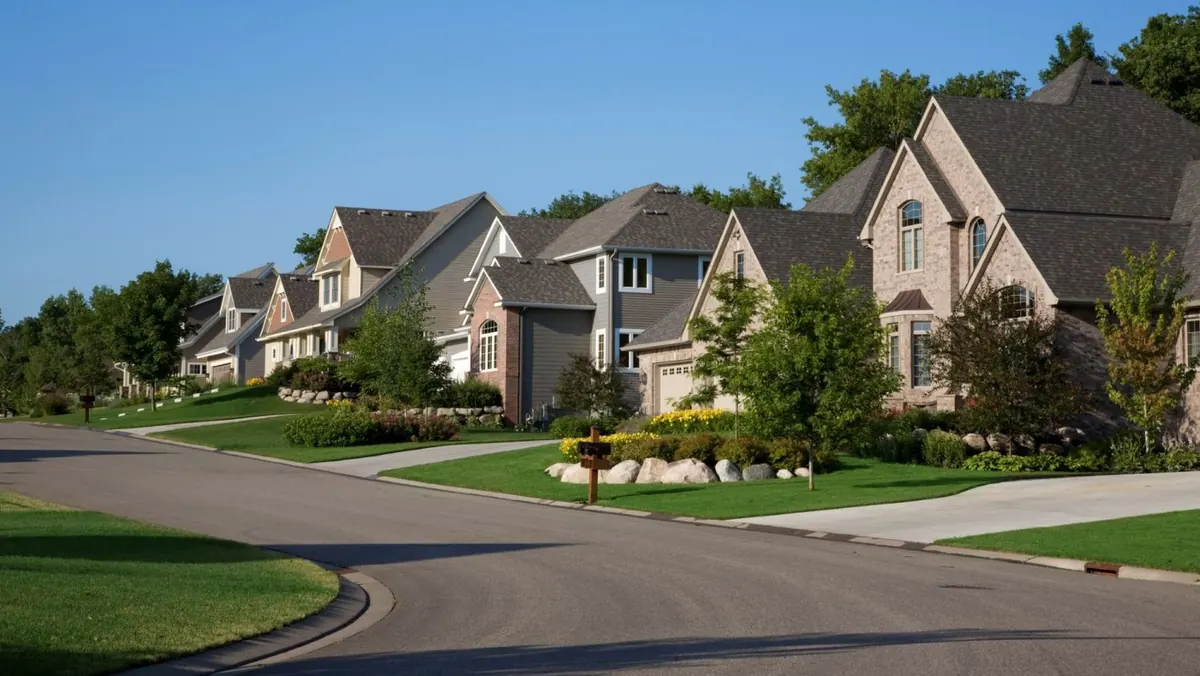
A suburban cul-de-sac lined with houses with shingle roofs
A cul-de-sac of shingle roofs in East Rochester

Streets in rows

The cul-de-sacs and the roofs that line them

The later streets of East Rochester curve into cul-de-sacs lined with wider houses and longer ridge runs, a different pattern from the tight rows near the car shops. The roofs here carry more valleys and more skylights, and the flashing at every joint is where water gets in first.

The short ridges of the older rows shed snow fast, while the longer slopes of the cul-de-sacs hold it longer and feed ice dams at the eaves. A winter look reads the two patterns differently, and the gutters get cleared on both before the snow locks in.

Services

Roof work we do in East Rochester

Roof Inspection

Row houses share wind and water, so we walk the roof, the attic, and the roofs beside it, and list what needs attention in plain words.

Learn more →

Roof Repair

Chimney flashing shifted by train vibration, ridge caps lifted by wind, and valley leaks on small pitches, each fixed at the source.

Learn more →
See All 22 Roofing Services

The tracks split the village, so tell us in writing which street the house sits on and whether the trouble follows the row.

FAQ

East Rochester roof questions

Train vibration works flashing loose over time, and the houses near the tracks feel every passing train. Chimney flashing and wall flashing shift first, and once a gap opens, rain runs under the shingles beside it. The leak often shows up as a stain far from the gap, since water travels along the deck before it drips. We check the flashing at the chimney and walls near the tracks.

They often do, since the houses went up in rows with the same pitch, materials, and exposure. A wind storm that lifts tabs on one house lifts them on the next one too, and a valley that leaks on one roof leaks on its twin. We walk the whole row on a visit, since the next roof over tells us what to look for on yours.

Low-slope buildings need membrane work, not shingles. The seams where the membrane meets the wall wear first, and the drains clog with leaves and grit, so water ponds after storms. We clear the drains, look at the seams and the flashing at every vent, and check the deck for soft spots where water has sat. When water ponds after a storm, the roof needs attention.

Usually yes. Skylights on these small pitches leak at the flashing far more often than through the glass itself. We lift the shingles around the skylight, reset the step flashing and the sill flashing, and check the frame for rot. If the glass is sound and the frame is dry, the flashing fix stops the leak and the skylight stays where it is.

Lake-effect bands pile snow on East Rochester roofs just as they do across Monroe County, and the small pitches here hold the snow longer than steep ones. The melt runs to the eave, where it turns to ice and backs water under the shingles. We watch the north eave and the valley above it, since those are the places where the dam forms first and the leak shows up last.

We work on the buildings that stand on the old industrial ground, including the low-slope roofs along Commercial Street and Despatch Drive. Those roofs carry membrane systems with seams, drains, and wall flashing that need regular checks. The work is different from a pitched house roof, so we bring the membrane tools and the right approach for that shape.

Nearby towns

Towns around East Rochester

Fairport sits east on Fairport Road, Pittsford lies south past the town line, Penfield runs north, and Brighton sits west toward the city.

A railroad village

The Despatch Shops, the Piano Works, and the rail corridor

East Rochester was built around the railroad shops, and the village still reads as a planned place, with rows of similar houses on short streets and the rail line running through the middle.

The Despatch Shops once built railroad cars on the south side of the tracks, and the village grew up around them, with rows of worker houses on streets laid out in a grid. Those houses carry similar roofs, with modest pitches, short ridges, and chimneys that have stood through decades of freeze and thaw. A street of similar roofs wears in a similar pattern, so the leak that shows on one house often shows on the neighbor next door, and the visit that checks the whole row finds the pattern before it finds the stain.

The Piano Works building stands on the north side of the village, a former piano factory turned into shops and offices, and the commercial buildings along Commercial Street carry the low-slope roofs that hide their problems behind a parapet. Ponding water and worn seams stay out of sight until the ceiling inside starts to stain, so a low-slope check that walks the roof and looks at the drains finds the ponding while it is still a small fix. The flat and low-slope roofing page shows what the walk checks for.

The railroad still splits the village, and the houses on each side of the tracks meet the weather a little differently. The corridor gives the wind a clear run along the tracks, and the roofs nearest the line take the gusts straight on, while the cul-de-sacs set back from the tracks sit in calmer air. A roof beside the corridor wants its ridge caps and rake edges checked after the first hard storm, and the cul-de-sac roof wants its valleys cleared where the trees stand close.

The cul-de-sacs on the edges of the village hold the newer homes, with Capes and split-levels on curving streets and young trees in the front yards. Those trees drop leaves into valleys that run long, and the packed leaves hold water against the metal until the seam wears. A fall clearing that starts in the cul-de-sacs keeps the valleys dry through the thaw, and the visit that clears them also finds the lifted shingle the spring wind left behind.

Three East Rochester roofs

Row house, cul-de-sac cape, and low-slope shop

The village holds three roof shapes, and each one fails in its own spot.

The row house roof

The older rows near the tracks carry modest pitches, short ridges, and chimneys shared with the house next door. The flashing where a chimney meets the slope moves with each freeze and thaw, and the shared wall hides the joint where two roofs meet. A row house roof wants the chimney and the shared joint checked first, and the neighbor roof glanced at too, since the same weather wore both.

The cul-de-sac cape

The Capes on the curving streets carry steep pitches, dormers, and valleys where two slopes meet. Young trees drop leaves into those valleys, and the matted leaves trap water against the metal until the seam gives way. A cape roof wants its valleys cleared each fall and its dormer flashing checked where the wall meets the slope.

The low-slope shop roof

The shops along Commercial Street carry low-slope roofs behind parapets, with drains that have to move every drop of water off the roof. A clogged drain leaves ponding water that wears the seams, and the ponding stays hidden until the ceiling inside starts to stain. A shop roof wants its drains checked each spring and each fall, and the seams walked while the roof is dry.

Matching the roof

Pitched or low-slope on an East Rochester building

The building decides the roof in East Rochester, and the pitched house and the low-slope shop ask for different checks.

First checks for an East Rochester roof by building
BuildingRoof shapeFirst weak pointWhat to watch
Row houses near the tracksModest pitches, short ridges, shared chimneysChimney flashing and the joint where two roofs meetStains below the chimney and damp lines along the shared wall
Capes and split-levels in the cul-de-sacsSteep pitches, dormers, long valleysValley metal packed with leaves from young treesDamp lines under the valley and granules at the downspouts
Shops along Commercial StreetLow-slope roofs behind parapetsDrains that clog and seams that pondStanding water after rain and stains on the shop ceiling

The right check follows the building, not the calendar. A pitched house wants its valleys and its chimney looked at first, and a low-slope shop wants its drains and its seams walked first, and the visit that starts with the shape of the roof checks the right spot before the rain does. The roof inspection page explains what that visit covers on each kind of building.

Row houses, rail lines, and roofs that share the weather

The railroad splits East Rochester in two, and the roofs on either side of the tracks take the weather in their own way. When you reach out, mention your street and whether the trouble sits near the tracks, and we will shape the visit around that side of town.

Roofing Rochester, 75 S Clinton Ave Ste 510, Rochester, NY 14604, (585) 868-0065