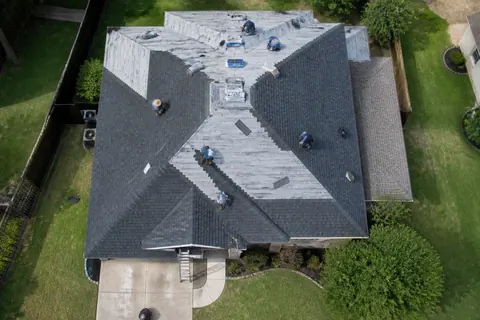
Roof Replacement
A complete new roof, built for Rochester winters, with the layers and flashing that keep meltwater out.
Learn more →
Roof Repair, Replacement and Snow Help
Roofing built for lake-effect snow, ice dams, and freeze and thaw winters. Repair, replacement, inspections, and snow help across Rochester and the towns around it.
102″
Inches of snow in a typical Rochester season
95
ZIP codes covered across Rochester and nearby towns
50
Towns served around Rochester and the Finger Lakes
22
Roofing services, from repair to solar roofing
Rochester winters, roof first
Lake-effect snow off Lake Ontario, sharp cold snaps, and spring melt shape every roof in this city. A roof that works in a mild climate can fail here, so we plan every job around snow load, ice, and meltwater.
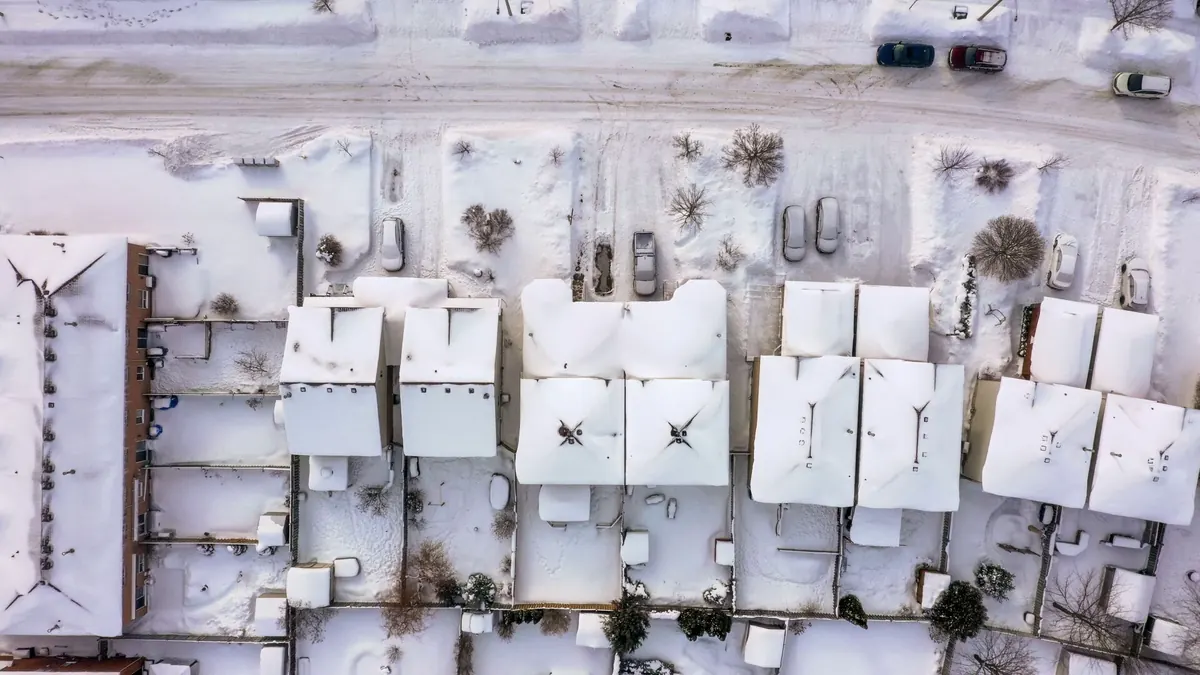
Rochester averages about 102 inches of snow each season, and much of it arrives as lake-effect snow off Lake Ontario. It piles up fast, drifts against dormers and valleys, and melts and refreezes in cycles. That cycle is what grows ice dams, lifts flashing, and finds the weak spot in an old roof.
Older housing adds to the challenge. Victorians on Park Avenue, Craftsman homes in the South Wedge, and Colonials in Browncroft often have steep pitches, layered roofs, and chimneys that need careful flashing. A roof inspection looks at the whole system, from ridge to gutters, so small trouble is found before snow and meltwater find it.
The National Weather Service Buffalo office tracks lake-effect snow bands across Monroe County, and its forecasts are the ones local roofers watch when a storm is coming.

We start by looking at the roof and listening to what you have noticed, whether that is a stain on the ceiling, shingles in the yard, or ice building up at the eaves. Then we explain what we found in plain words, what the options are, and what each one involves.
Our crew is licensed and insured, and we do the work ourselves, from tear-off to the last ridge cap. If the job touches the chimney, the siding, or the gutters, we say so up front, and the chimney work and gutter work are planned as part of the same job.
Snowfall through the season
Snow does not arrive evenly. December and January carry the heaviest load, and March melt is when ice dams and leaks show up most.
Typical monthly snowfall, inches, Rochester season
Monthly figures are typical seasonal patterns for Rochester, NY, rounded to whole inches. The season total averages about 102 inches.
Heavy months matter because wet snow is far heavier than dry snow, and a roof that handled December can still struggle in March when meltwater has nowhere to go. That is why roof snow removal and ice-dam prevention is a service in its own right here, not an afterthought.
Know your roof
Every layer has a job in winter. Tap a layer to see what it does and what goes wrong when it fails.
Shingles shed rain and snow, and architectural shingles are the most common choice in Rochester for their weight and wind hold. Lifted, curled, or missing shingles let meltwater in, and granule loss in the gutters is an early sign of wear.
Underlayment sits under the shingles and over the deck, catching wind-driven rain and meltwater that gets past the outer layer. Torn or poorly lapped underlayment leaves the deck exposed.
A self-sealing membrane at the eaves, in valleys, and around penetrations. It is the layer that stops meltwater backed up behind an ice dam from reaching the deck, and it matters more here than in milder climates.
Metal flashing seals the joints where the roof meets a chimney, a wall, a skylight, or a valley. Most winter leaks start at flashing, not in the middle of a shingle field.
Soffit intake and ridge exhaust move cold air through the attic, keeping the roof deck near the outdoor temperature. A warm attic melts snow from below and grows ice dams.
Materials compared
No single material suits every house. Pitch, shade, age, and the way snow sits on the roof all shape the choice.
| Material | Snow shedding | Winter strength | Best for |
|---|---|---|---|
| Architectural shingles | Good, holds snow for insulation | Strong with ice and water shield | Most Rochester homes |
| Standing-seam metal | Excellent, snow slides off fast | Excellent, resists ice buildup | Steep pitches, lake-wind homes |
| Slate | Good on steep pitches | Very strong, very heavy | Historic homes, long-term roofs |
| Composite | Good | Strong, resists cracking in cold | Slate or wood looks with less upkeep |
| Single-ply membrane | Flat roofs hold snow, drains matter | Strong if seams and drains are sound | Flat and low-slope roofs |
Metal roofing sheds snow so well that snow guards are often added over doors and walkways. Asphalt shingles hold snow longer, which can insulate the roof but also adds load. Read the full comparison in metal roofing vs asphalt shingles in Rochester and the best roofing materials for Rochester snow and cold.
Snow and ice dams
Ice dams are the signature Rochester roof problem. They form quietly, then leak suddenly when the meltwater has nowhere to go.
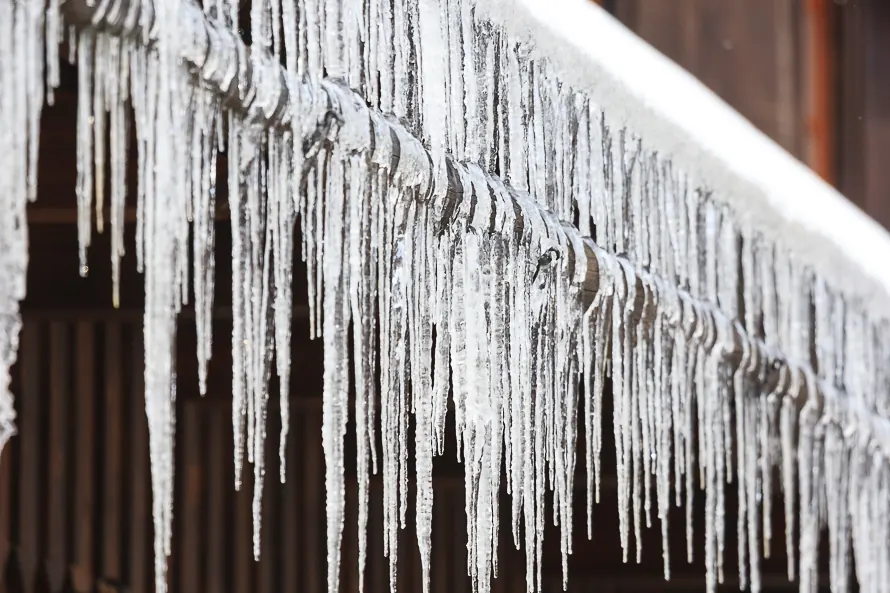
Warm air escapes into the attic, warms the upper roof, and melts the snow there. The meltwater runs down to the colder eaves, refreezes, and builds a ridge of ice. More meltwater pools behind that ridge and backs up under the shingles, into the deck, and down inside the walls.
The fix starts in the attic, not on the roof edge. Balanced attic ventilation and insulation keep the roof deck cold so snow melts evenly, and ice and water shield at the eaves gives meltwater a sealed barrier. Our guide to ice dams in Rochester walks through the whole cycle.
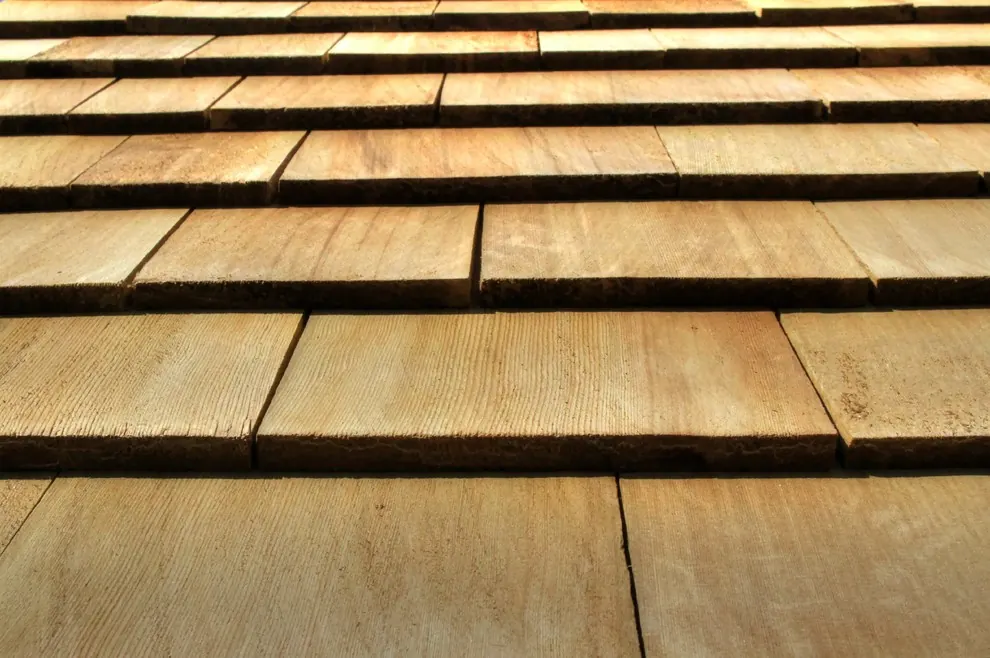
Thick icicles along one stretch of eave, a ridge of ice at the roof edge, water stains on the ceiling after a thaw, and peeling paint near the eaves all point to an ice dam forming. Snow that melts in patches, with bare spots high on the roof and deep snow at the eaves, points to a warm attic.
When snow load grows heavy, roof snow removal takes weight off the roof safely, without the shingle damage that comes from chopping at ice with a metal tool.
Symptom checker
Pick the sign you have noticed to see what it usually means and what to do next.
A stain usually means water has already traveled through the deck and insulation, so the entry point may sit higher up the roof than the stain. Leaks often start at flashing, valleys, or an ice dam at the eaves. A roof inspection traces the path before the stain grows.
Wind lifts shingles at the edges and ridges first, and a missing shingle leaves underlayment open to rain and snow. One or two can be repaired, but a pattern of loss across a slope points to a roof near the end of its working life.
Thick ice at the eaves usually means the attic is warm and meltwater is refreezing at the edge. The cure is attic ventilation and insulation, plus ice and water shield at the eaves, not chipping at the ice.
Shingle granules wash into the gutters as shingles age, and heavy granule loss leaves the asphalt below open to sun and weather. A few granules are normal on a new roof, but piles of them point to wear.
Sagging can mean deck rot from a long leak, or structure carrying more snow load than it should. Do not walk on a sagging roof. Have it looked at promptly, and keep the room below clear until it is checked.
What we do
From a single leak to a full new roof, every service is planned around Rochester winters.
A complete new roof, built for Rochester winters, with the layers and flashing that keep meltwater out.
Learn more →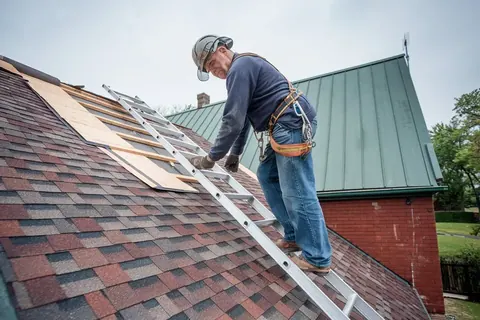
Targeted repairs for leaks, lifted shingles, and flashing trouble, done before small damage spreads.
Learn more →
A close look at the whole roof, ridge to gutters, with findings in plain language and clear next steps.
Learn more →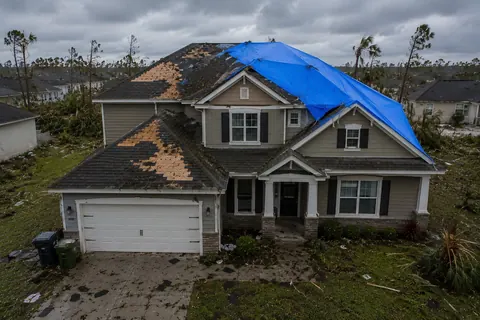
Storm and hail damage checked, documented, and repaired, with help for the claim paperwork.
Learn more →
Quick help when a roof stands open to rain or snow, with tarping to keep the inside dry.
Learn more →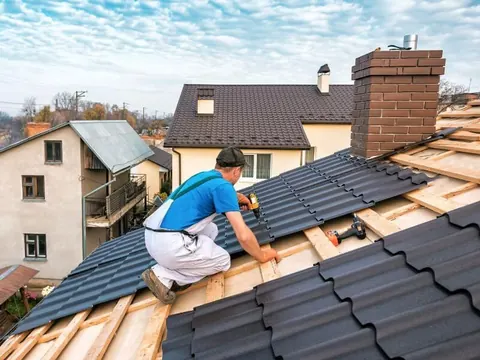
Standing-seam and metal panel roofs that shed snow and stand up to lake-effect winters.
Learn more →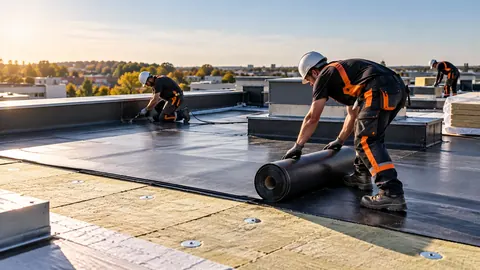
Flat and low-slope roofs in foam and single-ply membrane, built for ponding water and cold snaps.
Learn more →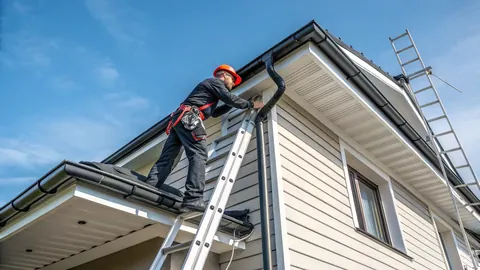
Gutters, guards, and cleaning that carry meltwater away from the roof edge and the foundation.
Learn more →A replacement, day by day
Most Rochester home replacements run over a few days. Here is the shape of a typical job.
Day one
Old shingles come off, the deck is checked board by board, and any soft or rotted decking is replaced before anything new goes on.
Day one
Ice and water shield goes on at the eaves and in the valleys, then underlayment across the deck, with flashing set at chimneys and walls.
Day two
Shingles go on from eave to ridge, ridge vent and caps finish the peak, and vents and skylights are sealed and flashed.
Final day
Gutters are cleared, nails are picked up with a magnet sweep, and we walk the roof and the yard with you to check the work.
Timing shifts with roof size, pitch, and weather, and lake-effect snow can pause a job. The roof replacement page covers the full process, and the best time of year to replace a roof in Rochester explains the seasons.
Airflow and water
Two quiet systems do much of the winter work. When either one fails, the roof suffers for it.
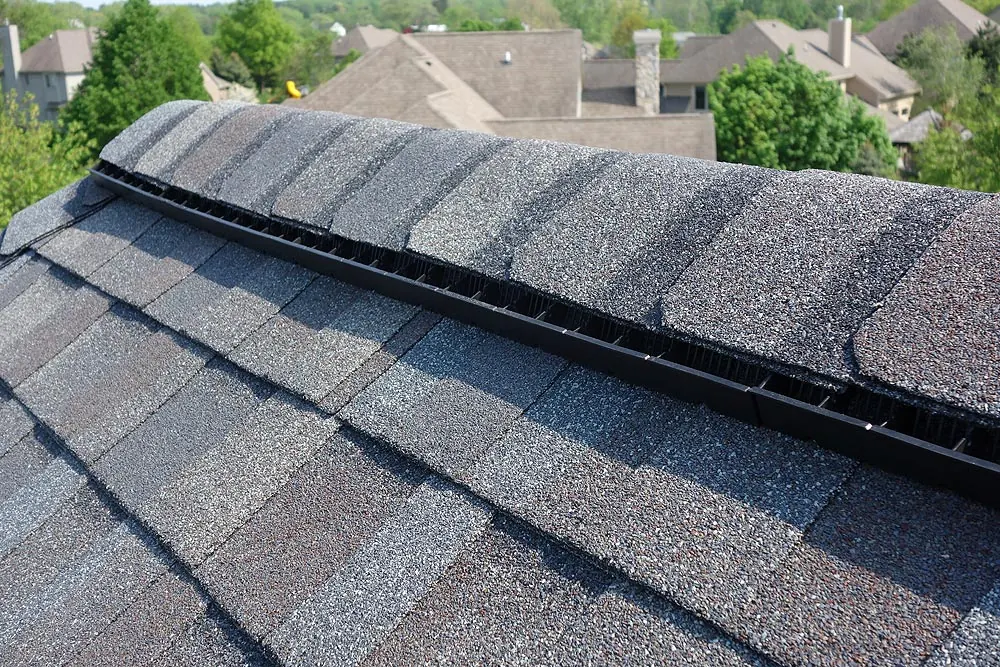
A cold attic is the goal in winter. Soffit vents bring cold air in low, ridge vents let warm air out high, and the flow keeps the roof deck near the outdoor temperature. That even temperature stops the melt and refreeze cycle that grows ice dams.
Blocked soffits, missing baffles, and bathroom vents that dump into the attic all warm the roof from below. Attic ventilation and insulation sorts the balance, and roof ventilation in cold climates explains the details.
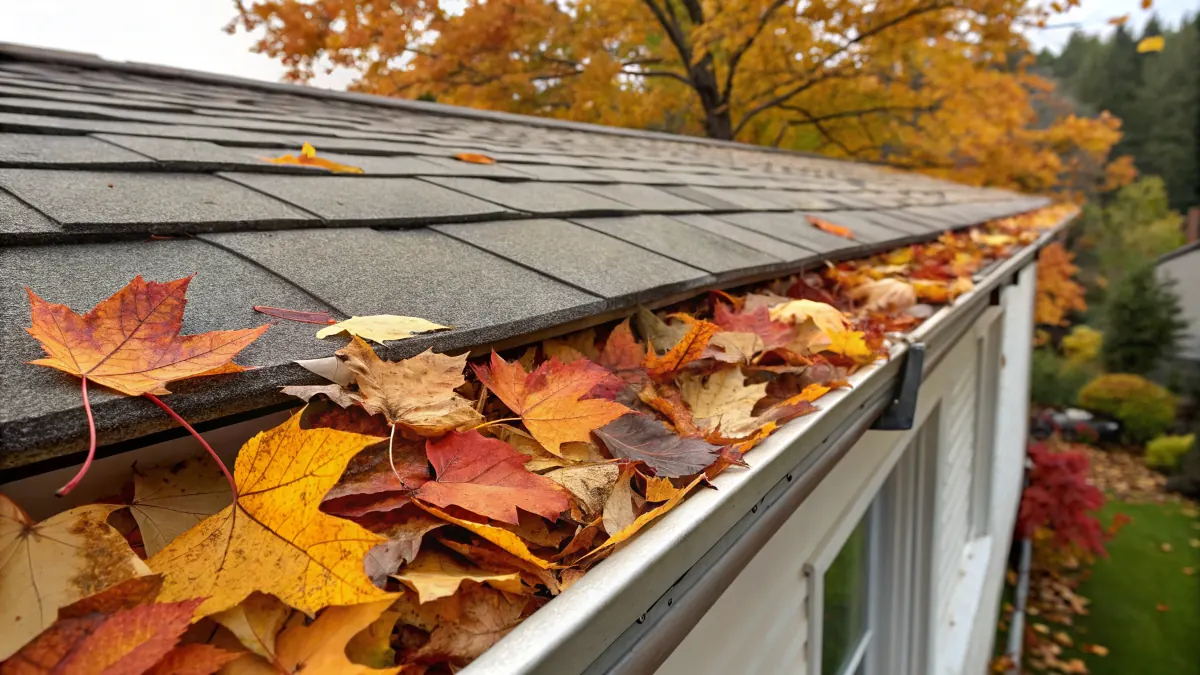
Gutters and downspouts carry meltwater off the roof edge and away from the foundation. When they clog with leaves, water pools at the eaves, freezes, and feeds the ice dam. Clean gutters in fall and a check in spring are the simplest winter prep there is.
Gutter guards help with leaves but do not stop ice, so the roof edge still needs ice and water shield and a cold attic. See gutters and gutter guards and the post on gutter guards and ice dams.
Through the year
Each season asks something different of a roof here. A short check each season keeps small trouble small.
Spring
Look for lifted shingles, gutter damage, and stains that appeared over winter. A spring inspection catches what the snow hid.
Summer
Summer is the main season for replacements, with dry days and warm shingles that seal well. Book early, as the season fills fast.
Fall
Clear gutters, check flashing, trim branches over the roof, and make sure attic vents are open before the first lake-effect band.
Winter
Watch for ice ridges, heavy snow load, and new stains after thaws. Keep roof rakes to the lower edge and never chop at ice.
Rochester neighborhoods
Each neighborhood has its own housing, its own trees, and its own roof character. We work in all of them.
Steep pitches, slate, and ornate trim on one of the city historic streets, with tall trees over the roofline.
Craftsman and Colonial homes with deep eaves and porches, close to the river and the wind off it.
One of the oldest neighborhoods in the city, with brick homes, slate roofs, and chimneys that need careful flashing.
Large historic homes with complex rooflines, dormers, and valleys where snow drifts deep.
Homes around the park with mature trees, shaded roofs, and moss and algae on north-facing slopes.
Homes near the lake and the port, where wind off Lake Ontario tests shingles and flashing all winter.
Solid postwar and early-century homes with simple gable roofs and wide streets.
Homes near the Genesee gorge with tall trees, damp air, and shaded roof slopes.
Colonial and Tudor homes with steep pitches and brick chimneys on the northeast side.
Beyond the city, we serve 50 towns across Monroe, Wayne, Ontario, Livingston, Genesee, and Orleans counties. See all locations we serve, and the Irondequoit, Brighton, and Greece pages for the closest towns.
Service area
Rochester itself covers 40 ZIP codes, from the downtown core to the outer neighborhoods, and the towns around it add 55 more.
Shown above are the 23 residential Rochester ZIP codes, 14604 to 14626. The full service area covers 95 ZIP codes in total, including the towns listed on the locations page.
People also ask
Short answers to the questions Rochester homeowners ask most about snow, materials, and leaks.
Most Rochester roofs are built to carry a heavy snow load, but the load grows fast when snow is wet, when it drifts against dormers and valleys, or when ice builds up at the eaves. A sagging ridge, new cracks inside, or doors that stick are signs to have the roof checked and the snow load looked at.
Architectural asphalt shingles with ice and water shield at the eaves suit most homes, while standing-seam metal sheds snow fast and suits steep pitches. Flat and low-slope roofs need membranes built for ponding water and cold snaps. The right pick depends on pitch, shade, and the age of the house.
Most winter leaks start with ice dams, where meltwater backs up under shingles at the eaves. Others start at flashing around chimneys and skylights, or at valleys where snow piles up. A warm attic is often the root cause, which is why insulation and ventilation matter as much as the shingles.
Snow on the roof and ice at the eaves? Talk to a Rochester roofer today.
Call (585) 868-0065Questions, answered
Rochester averages about 102 inches of snow each season, most of it lake-effect snow off Lake Ontario. That weight, plus the freeze and thaw cycle that follows, is the main reason local roofs need ice and water shield at the eaves, solid flashing, and an attic that stays cold.
An ice dam forms when heat escapes into the attic, melts snow on the upper roof, and the meltwater refreezes at the colder eaves. The ridge of ice then traps water behind it, and the water backs up under the shingles. It is the signature winter roof problem in Rochester.
Leaks, missing or curled shingles, granules in the gutters, daylight in the attic, and sagging all point to trouble. Age matters too. A roof inspection looks at the whole system and gives a clear, plain-language answer, so the choice is based on the roof itself.
Yes. Many Rochester homes are Victorians, Craftsman houses, and Colonials with steep pitches, slate, or layered roofs. Older homes need care with flashing, chimneys, and ventilation, and we plan the work around the house, not around a standard template. We match slate and shingles by size and color, and we reset flashing that has moved with the seasons.
We work across Rochester and 50 towns around it, from Irondequoit, Brighton, and Pittsford to Webster, Greece, Fairport, and Victor, and out to Geneva, Batavia, Canandaigua, and the Wayne County towns. The locations pages list every town we serve, each with its own page, local details, and ZIP codes, so you can find your town fast.
Clear the gutters in the fall, check the flashing around chimneys and skylights, look for lifted shingles, and make sure the attic has balanced ventilation. A fall roof inspection catches the small things before snow, ice, and meltwater find them.
Before you hire
On the roof
A look at the roofs, the crew, and the weather we work in.
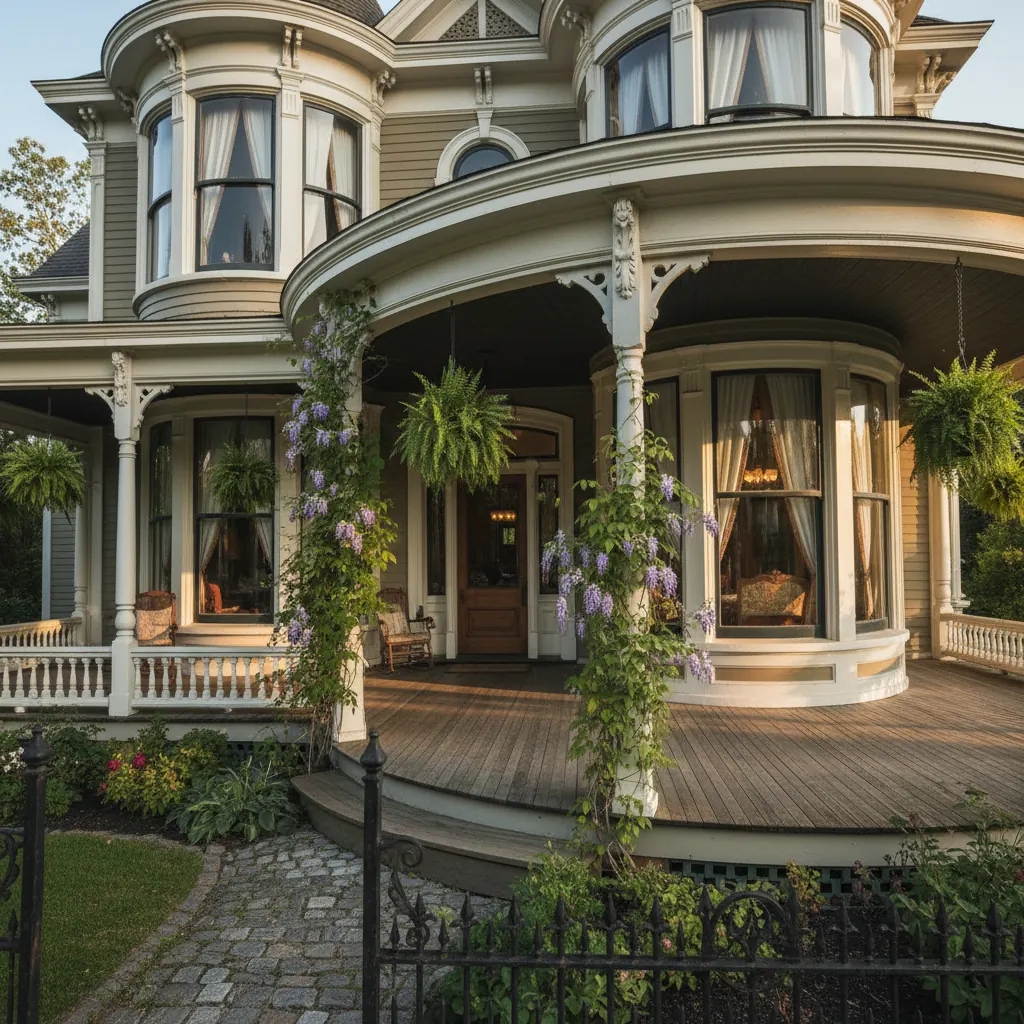
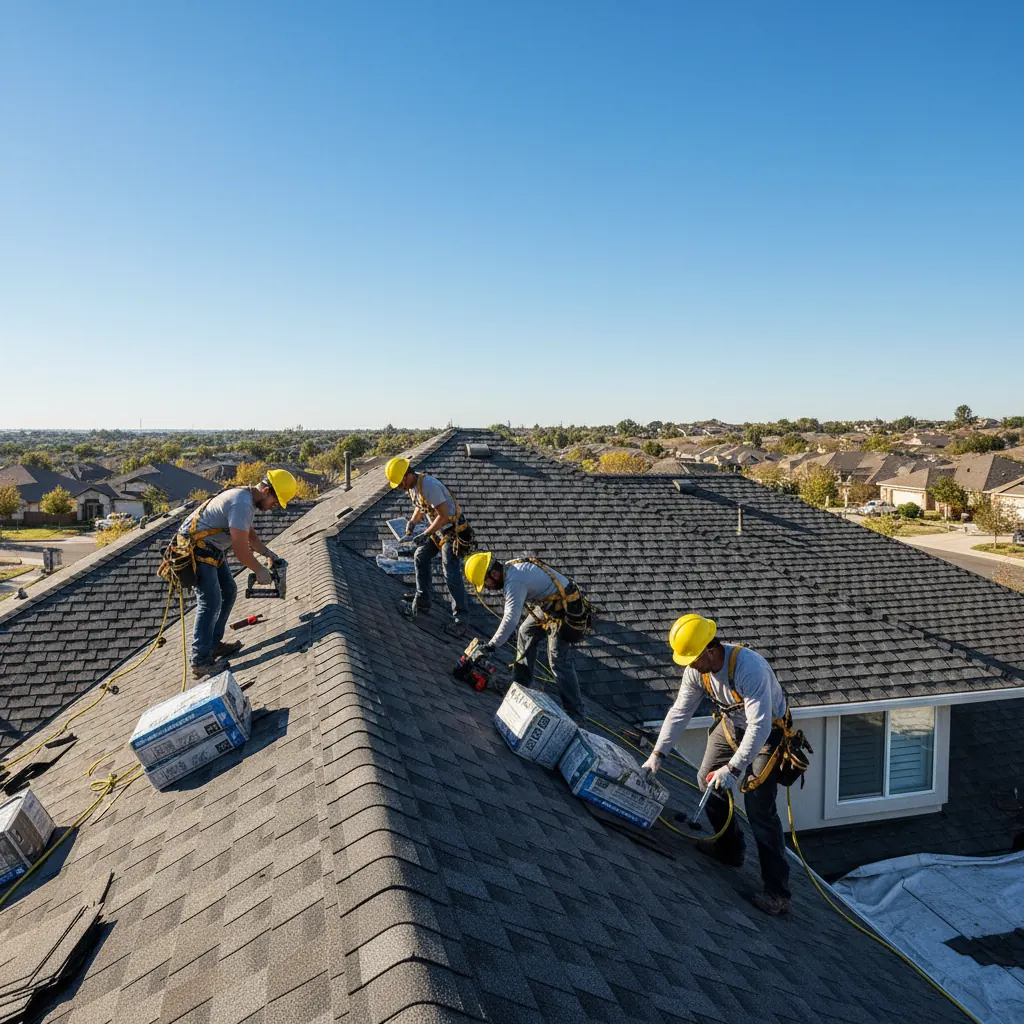
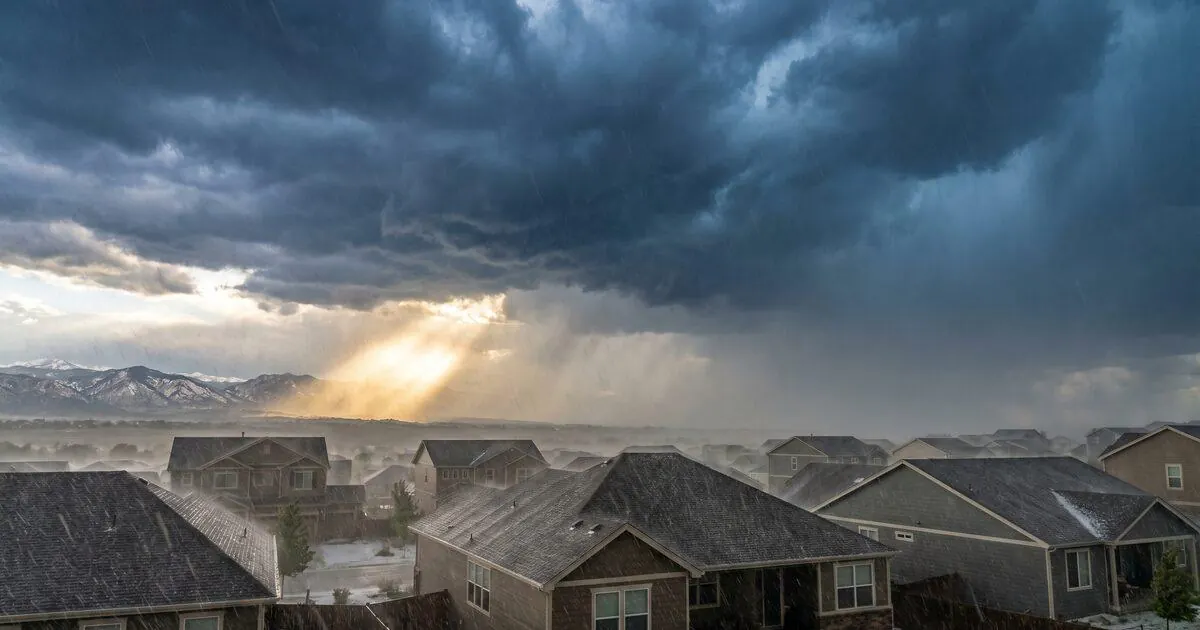
A stain on the ceiling, a draft in the attic, or a shingle on the lawn after a storm? Call and tell us what you found, and we will talk through the next step.
Call (585) 868-0065Call about a leak, a new roof, or snow and ice on the roof. We will look at the roof and tell you plainly what it needs.
75 S Clinton Ave Ste 510, Rochester, NY 14604, United States