Call (585) 868-0065
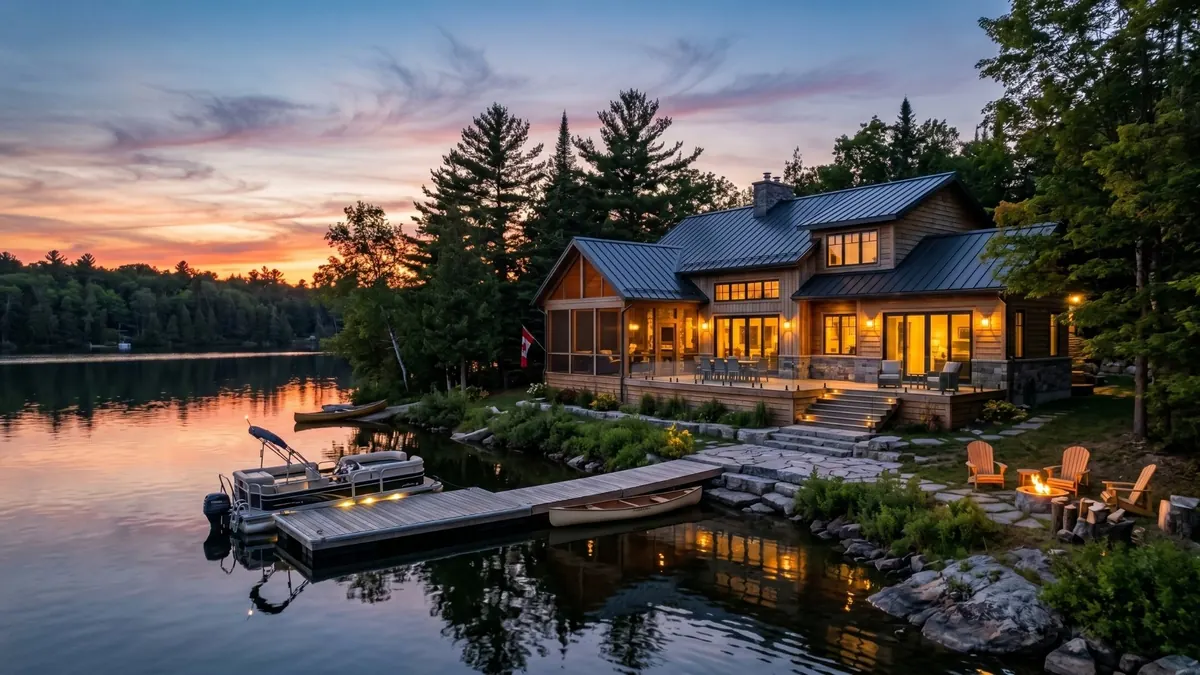
A lakeside house in Webster, New York, at dusk with a dock on the water and a pitched shingle roof

Irondequoit Bay Roofing

Bay Breezes and Lake Snow on Webster Roofs

Webster sits where Irondequoit Bay meets Lake Ontario, and the village at its center is one of the oldest on the lakeshore. The houses along Lake Road face the water, the colonials along Bay Road and Empire Boulevard sit back under mature trees, and the newer subdivisions spread south toward Penfield and Fairport. The lake gives Webster its views and its weather, and the roofs here take wind off the water, snow off the bands, and damp off the bay all year. We take Webster roofs one at a time, reading each one up close before we say what it needs.

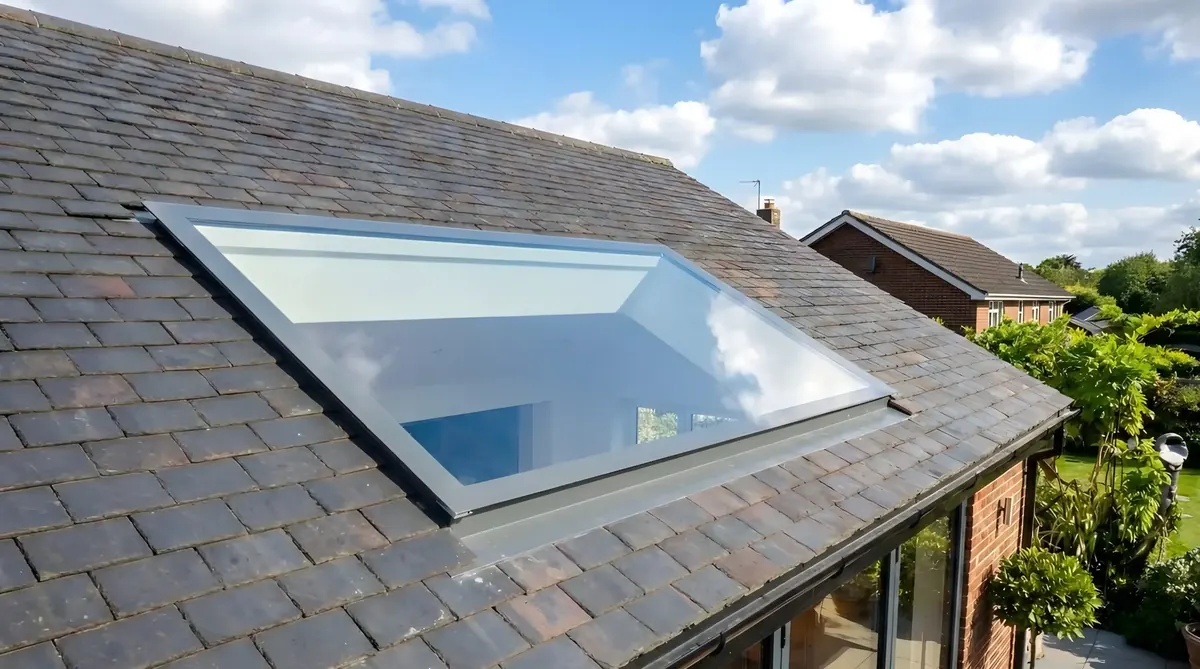
A large skylight window set into the shingle roof of a Webster house under a blue sky

Webster, NY

The village, the bay, and the lake road

Webster Village runs along Main Street and Route 104, with storefronts and older homes that date back to the village's early days as a lake port and a farming center. The houses near the village center are a mix of Victorians, colonials, and Capes, and many of them carry roofs that have already been replaced once or twice. West of the village, the land drops toward Irondequoit Bay, and the homes along the bay shore sit in the damp air that rises off the water all year.

Lake Road runs east from the village along the shore, past the lakefront houses and the parks that draw summer visitors, and the roofs along that road take the weather with nothing between them and the water. The wind off Lake Ontario lifts shingles along the rake, and the bands off the lake pile snow deep on the low slopes. Damp air keeps the north-facing slopes slow to dry. Skylight repair and installation is a steady job here, because the lakefront homes and the village colonials both carry skylights that were set into roofs decades ago, and the flashing around them gives out long before the glass does. The Buffalo weather office tracks the bands that form over the lake and drop their snow on the shore towns first.

The village roofs need their gutters watched as well, because the lakefront leaves and the bay damp clog a run fast in October. Gutter work in Webster keeps the runoff moving off the roof edge instead of spilling over the fascia, and a roof inspection in Webster after the autumn leaf drop finds the clogged runs before the snow locks them in place.
Bay and lake wear

What the bay and the lake do to a Webster roof

Webster roofs

Skylight leaks on lakefront homes

The flashing around an old skylight dries out and pulls away from the frame, and the leak that follows drips straight down into the room below. A new flashing kit and a fresh seal stop it, and the glass usually stays put.

Webster roofs

Wind lift along Lake Road

The lakefront houses take the wind head-on, and the tabs along the rake and the ridge lift first. One lifted tab lets the next gust get underneath, and the damage spreads from the edge inward.

Webster roofs

Damp and moss on the bay side

Air off Irondequoit Bay keeps the north-facing slopes damp long after a rain, and moss takes hold where the sun never reaches. It holds moisture against the shingle surface and hides the wear underneath.

A skylight that drips in hard rain, or shingles lifting off the lake side? Call and we will start at the skylight.

Call (585) 868-0065
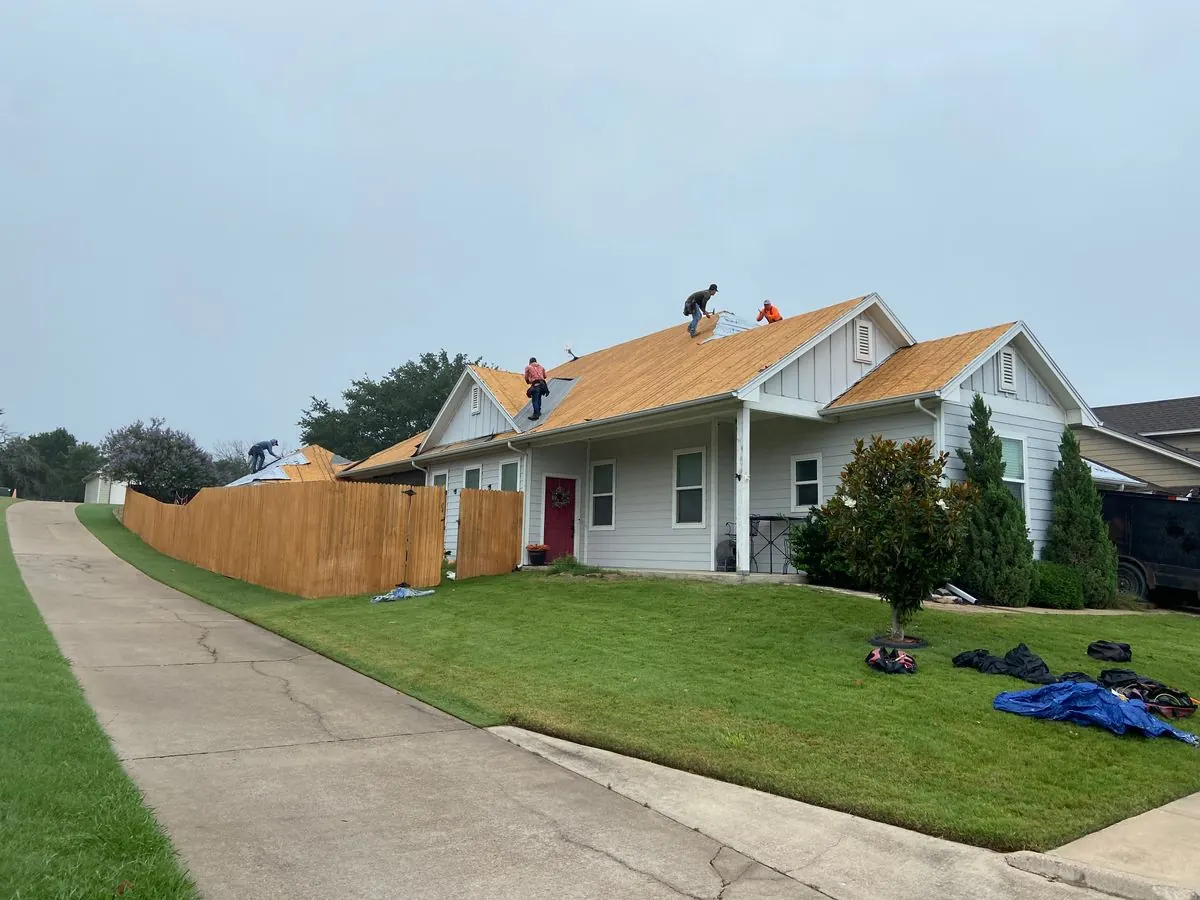
Roofing crew installing new shingles on a white Webster house with a fenced yard

Homes and roofs

Village Victorians to south-side subdivisions

Webster holds more kinds of houses than most lakeshore towns, because the village is old and the subdivisions are new. The village streets hold Victorians and colonials with steep pitches, dormers, and chimneys that ask for careful step flashing at every joint. The streets south of Route 104 hold ranches, split-levels, and colonials from the post-war build-out, and the newest subdivisions toward Penfield hold large two-story homes with multi-slope roofs and long valleys.

Roof age splits Webster three ways, and an inspection from the roof itself is the only way to tell which part of town a house belongs to. The village Victorians often hide soft decking under shingles that still look sound, because the deck has been breathing damp bay air for decades. The post-war ranches show their age more openly, with curling tabs and bald patches where granules have washed away. The newest homes are still on their first roof, but their long valleys and their skylights already need a look. All three kinds of roof fail the same way when the flashing gives out, so the inspection starts at the joints and works outward.

Corners of town

From the village to the lake road

Webster runs from the village center to the lake shore and south to the farm fields, and the roof on each street faces different wear.

Webster Village Victorian streets

Victorians and colonials on the village streets, where the steep pitches and dormers need step flashing set with care at every joint.

Lake Road Lakefront homes

Houses along the shore road, where the wind comes straight off the water and the north slopes wear first.

Irondequoit Bay Bay shore

Bay-side homes in the damp air off the water, where the north-facing slopes stay wet long after a rain.

West Webster Bay and road

Homes west of the village toward the bay, where the lots open up and the roofs take the wind across open ground.

Bay Road Colonial rows

Colonials and ranches along the bay road, where the mature trees drop a heavy leaf load into the gutters each fall.

Empire Boulevard Corridor homes

Homes along the boulevard toward Irondequoit, where corridor traffic and lake weather meet on the same roofs.

Compare

Picking a roof for a Webster house

Roof choices for Webster homes, side by side
Roof optionThe Webster house it fitsBay and lake wear to watch
Architectural shingles for the village VictoriansVictorians and colonials near the village centerHail bruises the older shingles first, and the bruise stays hidden under moss on shaded slopes
Standing seam metal for lakefront homesLake Road houses that take the wind head-onSnow slides off fast, so the walkways and the shrubs below the eave need a plan
Three-tab shingles for post-war ranchesPost-war ranches south of Route 104Thin tabs lift sooner where the lake wind works the rake every winter
Algae-resistant shingles for bay-side slopesShaded north slopes near Irondequoit BayThe shingles resist streaks, yet wet leaves in the valley still feed moss at the edges

Coverage

One ZIP code for the village and the shore

Webster is a town and village in Monroe County, northeast of Rochester, where Irondequoit Bay meets Lake Ontario.

14580

The 14580 ZIP covers Webster Village, the Lake Road shore, the bay side, and the subdivisions south toward Penfield.

FAQ

What Webster owners ask before booking a visit

A hard rain drives water sideways, and it finds the gaps in flashing that a gentle rain never reaches. The flashing around an old skylight dries out and pulls away from the frame a little each year, and wind-driven rain slips under the edge and drips into the room below. The glass itself is rarely the problem.

They need a roof chosen for wind first. Lake Road houses sit in the open path of the lake wind, so the ridge caps, the rake edges, and the flashing around the chimney take the hardest wear. A heavier architectural shingle or a standing seam metal roof holds up better there than a thin shingle, and the fasteners and the underlayment matter as much as the shingle itself.

The flashing wears out ahead of the shingles. A Victorian holds more dormers, more wall joints, and more chimney flashing than a ranch, and every one of those joints can let water in. The dormer step flashing and the chimney counterflashing both pull loose from the brick and the siding a little more each year.

The air off Irondequoit Bay keeps the north-facing slopes wet longer after a rain, and the bay-side trees shade the homes nearest the water. That means more moss, slower drying, and more wear at the eaves on bay-side houses. The answer is the same as anywhere else in town, with a little more attention to ventilation and to keeping the gutters and valleys clear each fall.

The line is the whole field. One leak at a skylight or a valley is a repair, however old the roof is. When granules wash into the gutters, tabs curl on every slope, and leaks appear in more than one room, the shingles have worn out together. A shaded slope with steady airflow can outlast a sun-baked one by years.

Stay off the roof and keep everyone out of the yard under the damaged slope, then photograph the damage from the ground, including the shingles in the yard and the bare spots on the roof. A tarp over the open section keeps the rain out while the repair is planned, and the sooner it is fitted, the less water finds the deck.

Nearby towns

Towns beyond Webster in either direction

Penfield runs south past the town line toward the Four Corners, and Irondequoit sits just west past the bay, and a visit to Webster often stretches to one of those two towns too.

Wind, damp, and shade

Lake Road wind, bay damp, and village shade in Webster

Webster gives a roof three kinds of weather at once, and Lake Road, the bay shore, and the village each hand the roof a different one.

Lake Road runs east from the village along the shore, past lakefront houses and parks that draw summer visitors, and the roofs along that road take the weather with open water ahead of them. The wind arrives straight off Lake Ontario, and it works the rake edges and the ridge caps first, and the snow bands pile deep on the north-facing slopes while the south slopes stay almost clear. A lakefront roof is read from the water side in, with the rake and the ridge checked after every hard blow.

West of the village, the land drops toward Irondequoit Bay, and the homes along the bay shore sit in damp air rising off the water through the year. Bay damp keeps the north slopes wet well past sunrise, while shore-tree shade holds that moisture in place, so the shingles there streak dark sooner and the valleys gather leaves that stay wet for days. Webster Village runs along Main Street and Route 104, with storefronts and older homes from the village's early days as a lake port and a farming center, and the Victorians and colonials near the center sit under mature trees, so their roofs take shade and leaf fall in place of the open wind.

Bay Road and Empire Boulevard

The colonials along Bay Road and Empire Boulevard sit back under mature trees, with roofs that are steep, cut with dormers, and shaded through most of the day. The wear shows at the dormer cheeks and the valleys, where the leaves pack in and the flashing must guide water down a slope cut into small faces.

South-side subdivisions

Newer subdivisions spread south toward Penfield and Fairport, and their roofs are younger and plainer, and a look from the street reads them fast. The lots are wider, the trees are younger, and the wear shows as granules thinning evenly across the field, with the long gutter runs sagging at the middle when the hangers fail.

West Webster, where the bay and the road meet, holds the town's most mixed roofs, with bay-side cottages beside colonial rows, and each one is read by the water nearest to it. A roof inspection in Webster starts by naming the water, because the lake, the bay, and the village shade each write a different roof story.

Skylight joints

Why Webster skylights leak at the curb first

A Webster skylight leaks at the curb first, because the curb is where the glass, the flashing, and the shingles all meet on one small frame.

The lakefront houses along Lake Road and the bay-side homes carry more skylights than any other roofs in the county, because the views face the water and the rooms below want the light. A skylight sits on a curb, a low wooden frame that rises above the roof deck, and the flashing runs up the curb in steps, with the shingles lapped over it. The curb is the weak point: the flashing there has to turn water at a sharp corner, and the corner is where the sealant dries out first and where the ice dams push hardest in winter.

Snow makes the curb problem worse on a lakefront roof. The snow piles deep around the curb, and the melt runs down to the cold curb and refreezes there, so the ice builds against the flashing and lifts it a fraction of an inch at a time. The leak that follows drips straight down into the room below, and the stain shows on the ceiling around the skylight shaft, far from the curb that let the water in. The glass itself is rarely the trouble, and the seal between the glass and the frame is rarely the first place to look.

The fix for a leaking skylight starts at the curb, with the shingles lifted back, the step flashing renewed piece by piece, and the underlayment wrapped up the curb before the shingles go back. A skylight that has been flashed to a curb that has settled or warped needs the flashing fitted to the curb as it stands, not as it was drawn. A skylight repair and installation visit that includes the curb, the valley above it, and the attic below it catches the leak at its source, because the water that shows at the skylight started at the curb.

Four seasons

A Webster roof through the four seasons

A Webster roof lives a different season on each side of the house, and the year turns on the lake, the bay, and the trees in turn.

What each season does to a Webster roof
SeasonWhat the roof facesWhere to look first
SpringHail over the lake, melt off the bay iceNorth slope bruising, valley seams
SummerSun on the lakefront slopes, storms off the waterRidge caps, skylight curbs
FallLeaf fall from the bay and village treesGutters, valleys, downspout outlets
WinterLake-effect bands, ice dams at the eavesEaves, attic venting, north slope

Spring is the hail season on the lakefront, and the bruising hides well on a shaded shingle, so a close look from the roof itself is the only way to know whether the hail cracked the mat. Summer is the storm season, with wind off the water lifting the tabs along the rake and rain driving sideways into the skylight curbs. Fall is the leaf season, with the bay and village trees dropping thick mats into the valleys and the gutters, and a gutter packed with wet leaves holds water on the fascia until the corners go soft.

Winter is the lake season, with bands forming over Lake Ontario and landing on the Webster shore first, and the snow piling deep on the north slope while the south slope clears. The melt that follows has to get off the roof before the next band arrives, and the eaves are where it stalls and turns to ice. A roof that is read once a season, in the order the seasons hand out their trouble, stays ahead of the lake instead of behind it, and a roof snow removal and ice-dam prevention visit before the first hard band of winter keeps the eaves clear when the snow starts to pile.

Your Webster roof, read from the bay side in

A Webster skylight leaks in hard rain, a Victorian roof wears its flashing thin, and a lakefront roof takes one storm too many off the bay. Name the village street or the lake road when you write, and the skylight gets checked before the next rain.