Fairport Village Lift bridge streets
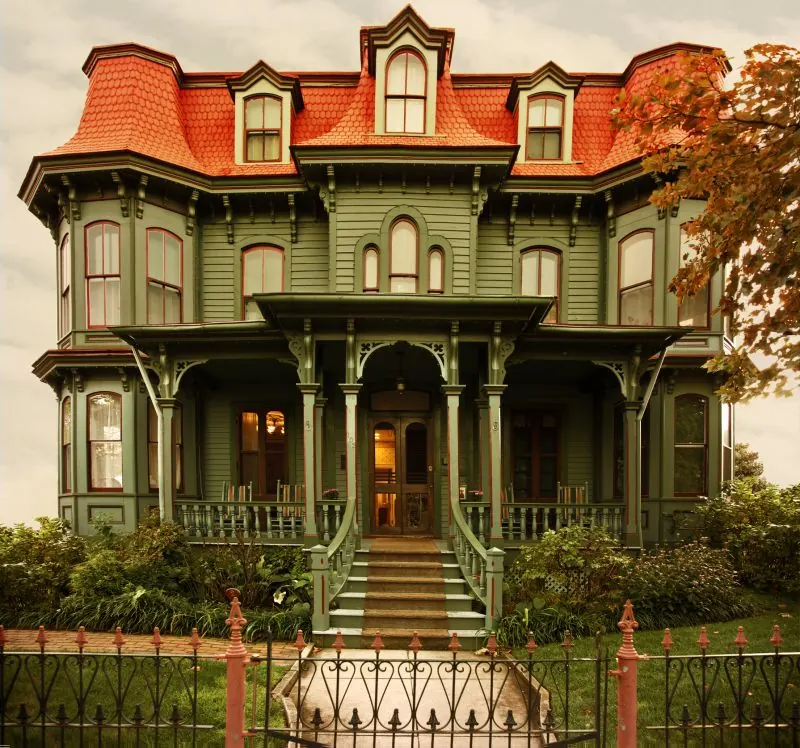
Victorians and colonials on the streets below the lift bridge, where steep pitches and dormers call for step flashing done with care at every joint.
Erie Canal Roofing
Fairport is the village on the Erie Canal, and Perinton is the town that wraps around it, and the two belong on one page because they share one roof story. The lift bridge carries Main Street over the canal, the village streets below it hold Victorians and colonials from the canal era, and the Perinton subdivisions beyond the village hold ranches, split-levels, and newer colonials on wide lots. The canal gives the village its damp air and its shade, and the open fields of Perinton give the subdivisions their wind. We work on roofs across both, and we read each one up close before we say what it needs.
Fairport and Perinton, NY
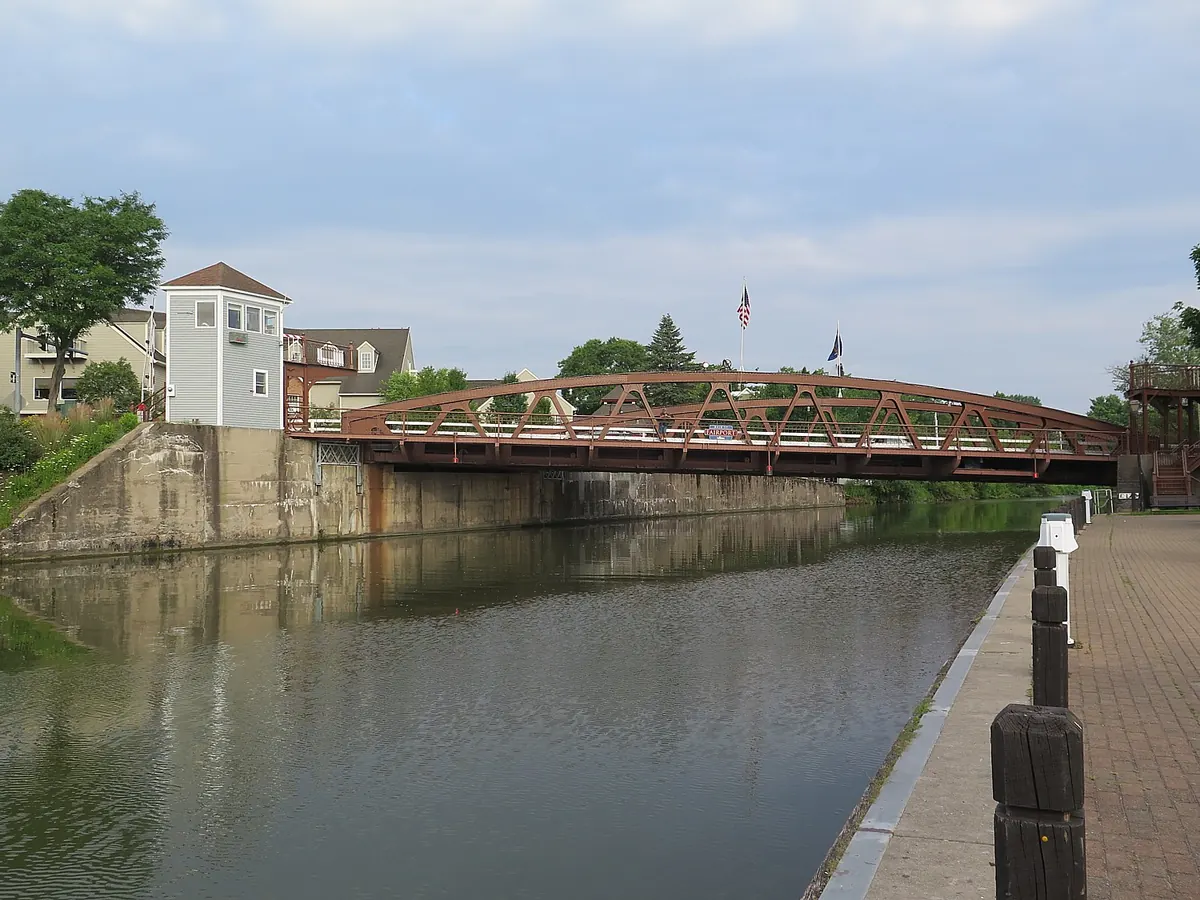
The Fairport lift bridge is the hinge of the whole area: Main Street rises over the canal on a steel span, and the village grew up around the crossing the way canal towns always do. The streets below the bridge hold Victorians, colonials, and Capes from the nineteenth and early twentieth centuries, and the shops along Main Street and the canal bank draw visitors all summer. Perinton Park sits just west of the bridge on the canal, and the towpath runs east and west from the village through the town. The same canal-town pattern runs west into East Rochester, where rows of small houses stand close together with short ridge runs, and the East Rochester page tells the story of that planned railroad village and what its tight rows mean for the roofs there.
Perinton is the town around the village, and it is bigger than the village by a wide margin. The subdivisions off Turk Hill Road, Ayrault Road, and Fairport Road hold the ranches, split-levels, and colonials that most Perinton homeowners live in, and the hamlets of Egypt and Bushnell's Basin sit at the edges of town with their own older homes. The state keeps the canal and its towpath open to the public, and the paths along the water let you see the village roofs from the far bank, which is often how a homeowner first notices a slipped slate or a sagging gutter.
Canal-side homes need their valleys cleared twice a year, because towpath trees drop leaves in spring as well as in fall. Gutter and guard help in Fairport keeps those leaves moving off the roof edge, and a spring maintenance visit clears the valleys before the first hard rain.
Fairport, NY
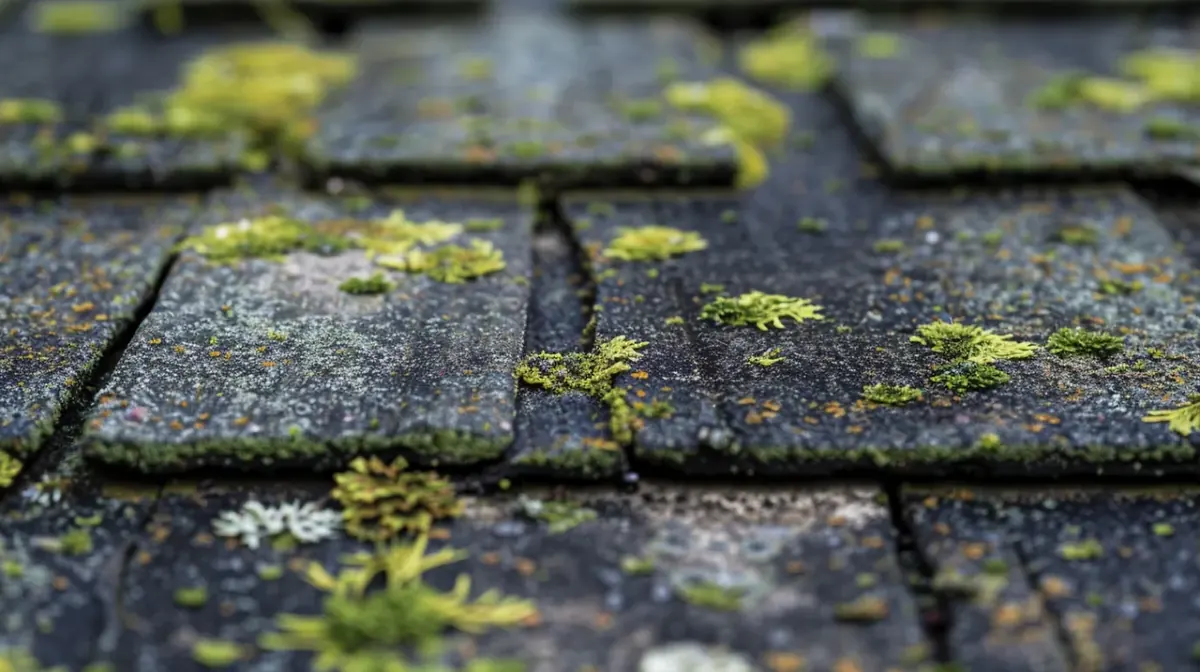
Up close, moss on a Fairport roof looks like a green mat growing between the shingles, and it holds water against the surface long after the rain has stopped. The damp air off the canal and the shade of the towpath trees keep the north-facing slopes wet, so the shingles never fully dry. Moss lifts the edges of the shingles as it grows, and the lifted edge lets the next rain get underneath.
A roof with moss is not a roof that has failed, but it is a roof that is aging faster than its neighbors, because the damp feeds the wear at the eaves and the granules wash away sooner. The answer is usually a cleaning and a look at the valleys, not a new roof, and the shingles that resist streaks still need the wet leaves cleared out of the valley each fall. Once the moss is off and the roof can dry, the wear slows to the pace of the rest of the street.
A slipped slate by the canal, or a valley that leaks every spring? Call and the flashing gets the first look.
Call (585) 868-0065Corners of town
Canal-era Victorians, village colonials, and big subdivisions sit close together here, and each kind of roof meets the weather on its own terms.
Victorians and colonials on the streets below the lift bridge, where steep pitches and dormers call for step flashing done with care at every joint.
Shops and homes along the canal bank, where the air off the water keeps shaded slopes wet long after rain.
Homes near the park on the canal, where the towpath trees shade the roofs and leaves pile up each fall.
Ranches and split-levels off the main north-south road, where the long gutter runs work hardest.
Older homes in the Egypt hamlet at the eastern edge of town, where the lots open to the fields and the wind has a clear run across the farmland.
Homes near the canal in the western hamlet, where the damp air off the water keeps the shaded slopes wet.
Repair or replace
Fixing a Fairport roof or starting it over comes down to how much of it has worn out at once. A walk on the roof tells us sooner than any rule of thumb.
A village Victorian with a sound deck and a failed chimney flashing is a repair, not a replacement. We take the old flashing out, set new metal in, and lay the shingles around it back in place.
Compare
| Roof option | The home it fits in Fairport | Canal and field wear to watch |
|---|---|---|
| Architectural shingles for village Victorians | Victorians and colonials near the lift bridge | Hail bruises the older shingles first, and the bruise hides under the moss on shaded slopes |
| Slate for the oldest canal-era homes | The oldest village homes with original slate still in place | A slipped slate lets water straight to the deck, so the fix is a single slate at a time |
| Standing seam metal for open-lot colonials | Perinton colonials on the open lots toward Egypt | Snow slides off fast, so the ground below the eave needs a plan |
| Algae-resistant shingles for canal-side slopes | Shaded north slopes near the canal and the towpath | The shingles resist streaks, but wet leaves in the valley still feed moss along the edges |
Through the year
Spring
When spring rain soaks the canal air, the valleys on the village colonials carry water from two slopes at once, and a valley patched once before is the first to show the strain.
Summer
Towpath shade keeps the north slopes damp through July, and moss takes hold where the sun never reaches. Moss holds damp against the shingle surface and hides the wear below.
Autumn
October leaves fill the village gutters, and the first hard rain finds nowhere to go. Water backs up under the shingle edge and soaks into the deck.
Winter
Over the warm middle of the roof, snow melts and runs to the cold eave, where it locks up solid. The dam grows taller with each melt and freeze, and the pond behind it finds the nail holes first.
Services
On the oldest village homes, slate gets repaired one piece at a time. Fresh valley metal goes under the old stone where the flashing has given out.
Learn more →Leaks traced to their source on village Victorians and Perinton colonials alike, with the flashing and the deck checked too.
Learn more →Tear-offs for village colonials and subdivision ranches whose shingles have worn thin under canal damp and field wind.
Learn more →At the brick-to-roof joint, chimney flashing, caps, and repointing matter most, since that joint leaks most often on the old village homes.
Learn more →See every service we bring to Fairport and Perinton, from slate repairs to gutters and skylights. Or drop us a line from the contact page.
Coverage
Fairport village sits in the town of Perinton in Monroe County, east of Rochester, with the Erie Canal running through the village center.
Fairport Village, the Perinton subdivisions, and the hamlets of Egypt and Bushnell's Basin all sit in the 14450 ZIP.
FAQ
In most cases, yes. A slate roof's stone can last a century, and the failures usually sit in the flashing, not the slate. We lift the slates around a worn valley or chimney, fit new metal underneath, and set the original slates back in place. Only the cracked or slipped pieces need a replacement, so the roof keeps its look and its age.
A valley carries the water off two slopes at once, so it sees double the flow and double the wear of any other part of the roof. Leaves collect in the valley and keep the metal wet, and the winter freeze and thaw opens the seams a little more every year. The shingles on the field can look new while the valley below is already thin.
Canal air keeps the north-facing slopes wet long after a rain, and the towpath trees shade the houses nearest the water. Moss takes hold on those shaded, damp slopes, lifts the shingle edges, and holds water against the roof. The fix is clearing the growth, checking the flashing beneath it, and keeping the gutters and valleys open each fall.
The flashing fails before the shingles do. A Victorian has more dormers, more wall joints, and more chimney flashing than a ranch, and each joint is a place water can enter. The step flashing at the dormers and the counterflashing at the chimney both creep away from the brick and the siding year by year.
A ranch roof with architectural shingles runs about two to three decades when the attic breathes and the gutters stay clear, and about one and a half to two decades with three-tab shingles. The canal damp shortens that span on the shaded slopes, because the shingles stay wet longer after every rain.
A roof can be replaced in winter when a leak forces the work, but the shingles seal slowly in the cold and the crew has to work around the snow on the roof. Late spring through early fall is the easier season: the warmth sets the seal, and the canal corridor is at its driest. If the roof can wait for the thaw, the job goes faster.
Beyond the village
Fairport is the village on the canal, Perinton is the town that wraps around it, and the hamlets and fields beyond the village hold the other half of the roof story.
Bushnell's Basin sits on the canal east of the village, a small hamlet where the towpath runs past houses that face the water and the shade of the canal trees. The roofs there take the canal damp the way the village roofs do, with moss on the north slopes and leaves in the valleys, and the chimneys climb through steep slopes, with flashing that must guide water at every angle. Egypt, the hamlet on the east side of Perinton, holds farmhouses and colonials on wide lots, and the roofs there take the open wind across the fields, with ridge caps lifting first and snow piling deep on the low side.
South on Turk Hill Road, the Perinton subdivisions hold ranches, split-levels, and newer colonials on wide lots, and the roofs there are younger and plainer, and a walk around the yard reads them fast. The lots are wider than the village lots, the trees are younger, and the field thins evenly instead of failing at one joint. Perinton's open fields give the subdivisions their wind, and the wind runs across the fields and strikes the rake edges of every roof in its path, so the rake tabs lift first and the gutters gather grit from the fields.
Below the lift bridge, the village streets hold Victorians, colonials, and Capes from the canal era, and their roofs rise steep, cut with dormers, and shaded by the canal trees. Wear shows first at the dormer cheeks and in the valleys, where leaves gather and the canal damp keeps the deck wet long after the fields have dried.
Beyond the village, the Perinton subdivisions hold ranches, split-levels, and newer colonials on wide lots, and their roofs are low, wide, and simple. The wear shows as granule loss across the field and ridge caps lifting in the open wind, with long gutter runs bowing at the middle when the hangers fail.
Just west of the bridge on the canal sits Perinton Park, and the towpath runs east and west from the village through the town, so the canal touches the whole area, and the fields touch the rest of it. A roof in Fairport and Perinton is read by asking which one is nearer, the canal or the field, because the answer names the weather that roof has lived under.
Two weathers
Fairport village roofs live in canal damp, and Perinton roofs live in open wind, and the same shingle wears differently under the two weathers.
The canal gives the village its damp air and its shade. The water runs past Main Street all summer, and the trees along the bank throw shade across the village roofs, so the north-facing slopes stay wet long after sunrise, and the shingles there green over sooner than shingles on a dry street. The valleys on the village roofs gather leaves from the canal trees, and a wet mat of them keeps water on the flashing until it dries. The ice dams on the canal streets form at the shaded eaves, where the melt stalls and turns to ice before it can drip away.
Perinton, the town around the village, is bigger and more open, and its roofs take the wind across the fields. The subdivisions off Turk Hill Road and the farmhouses near Egypt sit in the open, with nothing to break the wind, and the ridge caps work loose first, and the tabs along the rake lift a little with each hard blow. Snow drifts deep on the low ranch slopes, and the melt creeps slowly toward the eaves, and the ice dams there form at the eave in the coldest weeks, not in the shade the way the village dams do.
Moss on the north slope, dark streaks down the shingles, and softened fascia at the gutter corners mark a village roof. The signs show slowly, over seasons, and they point at the canal-facing slope first, because that slope meets the damp first.
Lifted tabs at the rake, cracked ridge caps, and granules in the downspouts mark a Perinton roof. The signs show fast, after one hard blow, and they point at the slope that faces the open fields first, because that slope is the one the wind reaches first.
Where the village meets the town, on the streets just past the bridge, the roofs show both sets of signs at once: damp on the shaded side and wind lift on the open side. A roof there is read twice, once from the canal side and once from the field side, and the two reads together name the whole job.
The lift bridge is the hinge of the whole area: Main Street rises over the canal on a steel span, and the village grew up around the crossing the way canal towns do. A roof inspection that starts at the bridge and works outward, village first and town second, reads both weathers in the order the house actually lives them.
Two roof jobs
A Fairport Victorian and a Perinton colonial are two different roof jobs, and the Victorian asks for hand work at its joints while the colonial asks for a field-wide read.
The Victorians on the village streets are steep, tall, and cut up with dormers, turrets, and porches, and each cut is a joint where water can get in. The flashing at a dormer cheek, the valley where a turret meets the main slope, and the joint where a porch roof meets the wall each need hand work, piece by piece, and the work is slow because the old framing underneath is never square. The shingles on a Victorian are often architectural, laid over a deck that has settled a little with age, so the flashing must follow the frame as it stands.
When a Fairport or Perinton roof sits on the line, the owner and I walk it together, and the joints on the Victorian or the field on the colonial tell us which way to go.
The Perinton colonials on the wide lots are simpler shapes, with a single ridge and two clean slopes, and their wear is even and field-wide, so the read is field-wide too: granules across the whole slope, tabs on every course, and the ridge caps along their full length. A roof replacement on a colonial is a field job, and a roof repair on a Victorian is a joint job, and knowing which house stands in front of you is the first step of either one.
Beside the lift bridge, canal damp feeds moss on the shingles and a valley that leaks every spring stains the ceiling below the chimney joint. Write with the village street or the Perinton subdivision, and the visit will open on the flashing that has been letting the water in.