Call (585) 868-0065
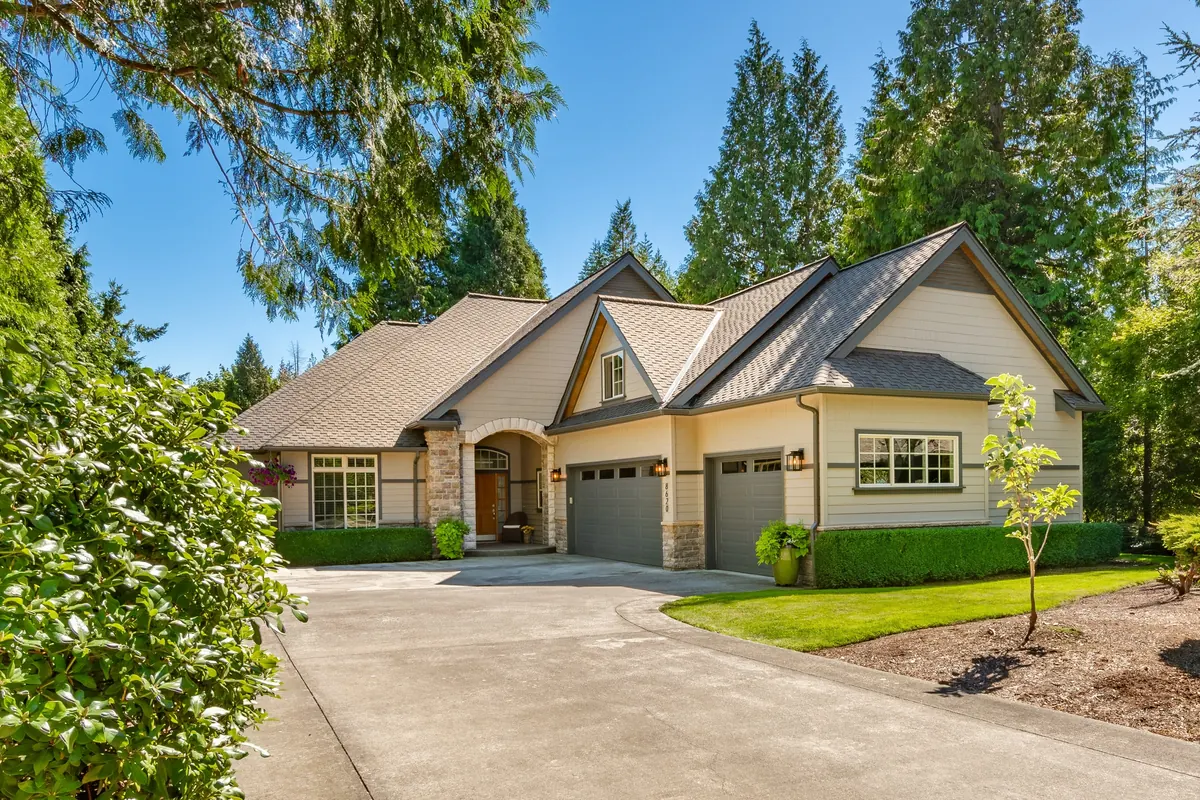
A large suburban house with a pitched shingle roof and driveway in Henrietta, New York, under a clear sky

Jefferson Road Roofing

Ranches, Split-Levels, and Flat Roofs in Henrietta

Henrietta is the town where Rochester's campuses and its shopping meet, and the roofs here are as mixed as the town. Jefferson Road runs past the Marketplace Mall and the big-box corridor, East Henrietta Road runs past the Rochester Institute of Technology, and the neighborhoods between them hold 1960s and 1970s ranches, split-levels, and colonials in long rows. The roofs are mostly shingle, but the shops and offices along the corridor add flat and low-slope work, and the ice dams on the residential streets are as stubborn as anywhere in the county.

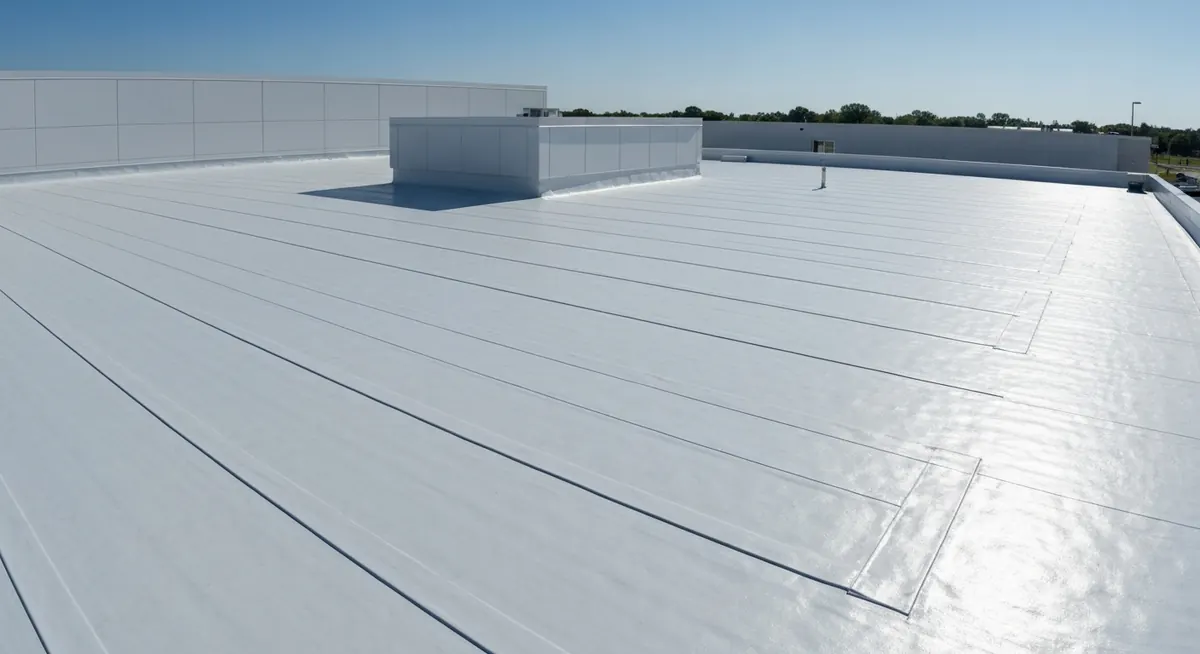
A clean white flat commercial roof in Henrietta with seams, vents, and a rooftop unit

Henrietta, NY

Two corridors, two kinds of roof

Jefferson Road is Henrietta's commercial spine, where the Marketplace Mall anchors a long line of shops, restaurants, and offices, and most of those buildings wear flat or low-slope roofs. A flat roof fails differently from a pitched one: water ponds instead of running off, the seams work open in the freeze and thaw of winter, and a small ponding spot can hide a soft deck for years. Flat, foam, and single-ply roofing is a separate craft from shingle work, and the corridor buildings here need a crew that knows both.

The residential streets sit behind the corridor, and the houses there are mostly ranches and split-levels from the 1960s and 1970s, with colonials filling in the newer streets. Those roofs are reaching the age where the first replacement is due or overdue, and the split-levels add a wrinkle: two roof levels meeting at a wall, with step flashing that has to turn water away at every joint. Monroe County keeps the main roads through Henrietta clear through the lake-effect season, but snow still piles on the low-slope ranches, and the meltwater still has to get off the roof before the next band arrives.
Roof words

The parts of a Henrietta roof, in plain words

Drip edge
A bent metal strip along the eave and the rake that turns water away from the fascia and into the gutter, so the deck edge never sits wet.
Pipe boot
The rubber or metal collar that seals the roof around a vent pipe. It cracks with age and sun, and a cracked boot is one of the most common small leaks.
Ridge vent
A vent along the peak of the roof that lets warm, damp air out of the attic. It only works when the soffit vents below can pull cool air in.
Soffit vent
The screened openings under the eave that feed air into the attic. Paint, insulation, or a bird nest can block them without anyone noticing.
Valley metal
The metal channel where two roof slopes meet. It carries the water from both slopes, so it wears faster than any other piece of metal on the roof.
Ice and water shield
A sticky underlayment that seals around nails and keeps meltwater out at the eaves, the valleys, and the low slopes where water lingers.

A flat roof ponding water, or a split-level joint that keeps leaking? Call and we will walk the roof first.

Call (585) 868-0065
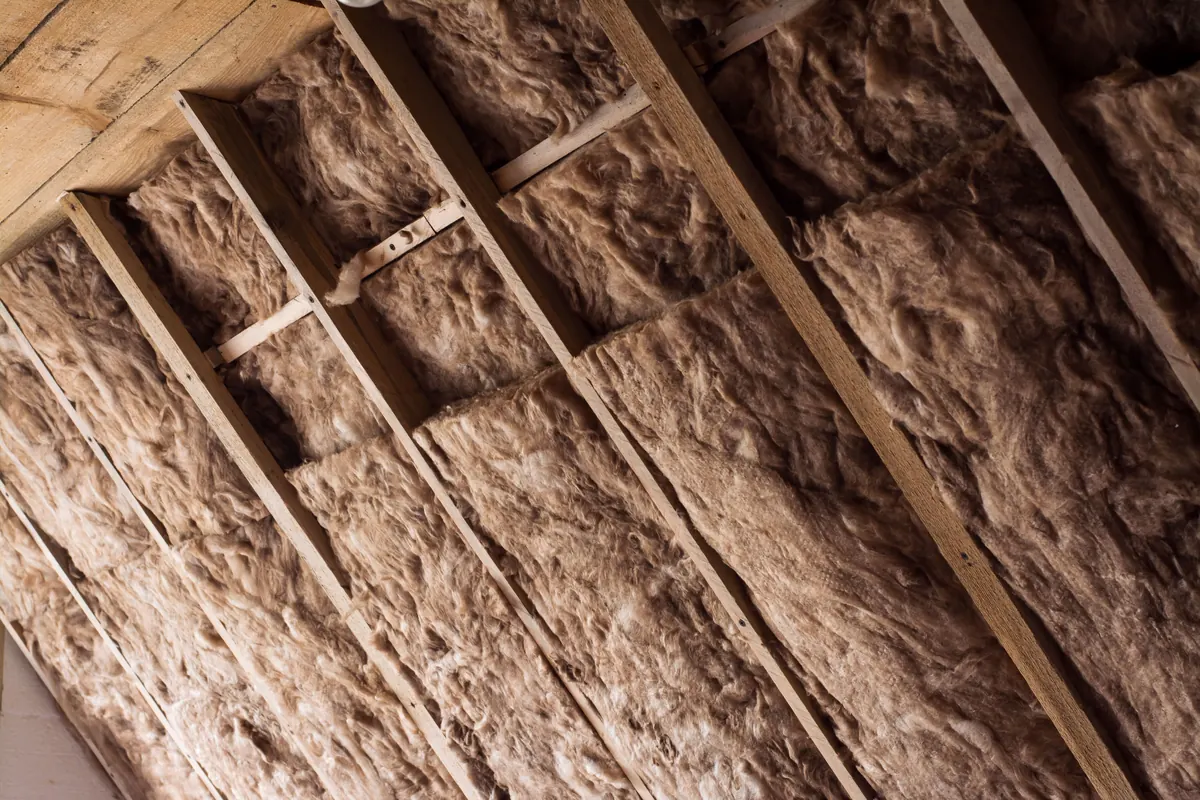
Fiberglass insulation batts fitted between the rafters of a Henrietta attic roof

Attics and ice dams

The attic decides whether the eave freezes

Most Henrietta ice dams start in the attic, not on the roof. Warm air leaks up through light fixtures, attic hatches, and plumbing chases, and it warms the center of the roof deck until the snow over it melts. The meltwater runs down to the eave, which sticks out past the warm wall and stays cold, and it locks up there into a dam. The dam grows a little taller with every melt and freeze, and the pond behind it finds nail holes and seams.

The fix is insulation and air sealing first, and roof work second. Sealing the leaks that let warm air into the attic and adding insulation to keep the heat downstairs does more for ice dams than any shingle ever will, and attic ventilation and insulation is the work that makes the difference. A ridge vent and open soffit vents keep the air moving so the roof deck stays cold and even, and the snow stays put until it melts from the top down. We check the attic on every ice-dam visit, because a roof-only fix leaves the cause in place.

Henrietta wear

The first things to wear out on a Henrietta roof

Henrietta roofs

Pipe boots on the split-levels

The rubber collar around a vent pipe cracks after a decade or two in the sun, and the leak that follows shows up as a stain on the ceiling below the bathroom. A new boot is a small job that stops a big stain.

Henrietta roofs

Flat-roof seams on the corridor

Single-ply seams open a little each winter as the membrane moves with the cold, and ponding water finds the opening first. A seam check each spring catches the gaps before they turn into leaks.

Henrietta roofs

Step flashing at the split levels

Where the upper roof of a split-level meets the wall of the lower section, the step flashing has to turn water away at every shingle course. A single bent piece lets the water run straight down the wall.

Services

What we do on Henrietta roofs

Roof Repair

Pipe boots, step flashing, and valley leaks on the ranches and split-levels, traced to the entry point and fixed there.

Learn more →
See Every Roofing Service We Offer

See every service we bring to Henrietta, from flat roofs to gutters and skylights. Or write to us from the contact page.

Coverage

Two ZIP codes around the campus and the mall

Henrietta is a town in Monroe County, directly south of Rochester, with the Rochester Institute of Technology on East Henrietta Road and the Marketplace Mall on Jefferson Road.

14467 14586

The 14467 ZIP covers the western neighborhoods near the river, and 14586 covers the eastern streets toward the campus and the mall.

FAQ

What Henrietta owners ask when they ring

That joint is the hardest detail on a split-level roof. Step flashing has to turn water away at every shingle course where the upper roof meets the wall, and one bent or missing piece lets water run straight down the wall and into the house. The leak often shows up as a stain on the ceiling of the lower level, far from the joint itself.

It depends on the deck. A membrane with a few open seams and a sound deck repairs well, with new patches welded or glued over the gaps and the drains cleared. A deck that feels soft underfoot, or a membrane that has cracked across wide areas, has worn past repair.

Ice dams start when warm air from the house heats the middle of the roof deck and melts the snow over it. Insulation slows the heat, and air sealing stops the leaks that carry warm air up through light fixtures and attic hatches. Together they keep the deck cold and even, so the snow stays put until it melts from the top down.

The pipe boot. The rubber collar around a vent pipe dries out and cracks after a decade or two in the sun, and the leak that follows drips straight down into the bathroom or the hallway below. The stain is usually small and round, right under the vent pipe. A new boot takes less than an hour to fit, and it is the easiest leak a ranch roof ever gets.

They cause the same trouble they cause everywhere in the county: leaves in the gutters, shade on the north slopes, and limbs that break in a storm. The ranch neighborhoods here have mature maples over most streets, and the leaf load in October is heavy. Clearing the gutters each fall and giving the roof a look each spring keeps the tree wear from turning into a leak.

A single leak usually means a single repair. When the shingles lose granules across the whole roof, tabs curl on every slope, and leaks show up in more than one place, the field has worn out as one. A ventilated roof in the shade can outlast a sun-baked one by years, so we judge the shingles, not the calendar.

Nearby towns

Neighboring towns around Henrietta

Brighton runs north past the town line toward the city, and Chili sits just west past the river, and a visit to Henrietta often stretches to one of those two towns too.

Campus and corridor

RIT, the mall, and the ranch streets between them

Henrietta runs on two corridors, and the ranch streets between them hold the town's quietest roofs.

The campus of the Rochester Institute of Technology sits on East Henrietta Road, and the streets around it are lined with colonials and Capes on quiet streets, with students and staff living beside families who have been there for decades. Those campus-side roofs are steep enough to shed snow well, and their wear shows at the dormers and the chimney joints, where the flashing must turn water on a slope cut into small faces. The Marketplace Mall anchors Jefferson Road, and the shops and offices along that big-box corridor wear flat or low-slope roofs that hold standing water after a rain and need their seams checked before winter.

The ranch roofs are low and wide, with long gutter runs and one chimney, and their wear is even and slow, with granules thinning across the field and pipe boots drying out at the vents. The split-levels add a second roof level where the upper slope meets the lower wall, and the step flashing along that joint is the first place to look when a stain shows up inside.

Campus-side streets

Near the campus, the houses mix colonials, Capes, and rentals, and the roofs are read dormer by dormer. The trees are mature, the shade lies deep on the north slopes, and the gutters fill with leaves each fall, so the fall clearing matters more there than the winter snow.

Mall-side streets

Behind the Jefferson Road corridor, the ranch rows sit in the open, with wind running down the corridor and across the low slopes. The rake-edge tabs lift first here, and the long gutter runs bow at the middle when the hangers let go under a wet leaf load.

South Henrietta fields

South of the corridors, the lots open toward the fields, and the roofs take wind with nothing to break it. Deep snow settles on the low ranch slopes, and the ice dams on the shaded eaves hold on as stubbornly as anywhere in the county, so the attic venting is checked before the first cold snap.

The two corridors give Henrietta its character, and the ranch streets give it its roofs. A crew that knows both the flat roofs of Jefferson Road and the shingle roofs of the ranch rows can read the whole town, and a flat, foam, and single-ply visit on the corridor and a shingle look on the ranch streets cover the town between them.

Level by level

A Henrietta split-level roof, read level by level

A Henrietta split-level roof is really two roofs joined at a wall, and it has to be read level by level to find where the water gets in.

The upper level of a split-level carries the main ridge, and the lower level carries a second, lower roof that meets the upper wall halfway up the house. The joint where the lower roof meets the upper wall is the heart of the whole roof, and step flashing runs up that joint in small pieces, each one tucked under the siding and over the shingle below it. When one piece lifts or rusts, water runs behind the siding and down inside the wall, and the stain shows up on the lower ceiling, far from the joint that let it in.

The upper slope wears like any colonial roof, with granules thinning across the field and ridge caps cracking first at the top. The lower slope wears differently, because it sits in the shadow of the upper level for part of the day, and the shade keeps it damp longer after a rain. Snow sits on the lower slope while the upper slope has already cleared, and the melt from the upper slope runs down onto the lower roof and refreezes at its eave, so the lower eave grows the ice dam first.

Reading a split-level means walking both levels and the joint between them, and checking the pipe boots on each level separately, because the boots on the lower roof sit in the shade and dry out at a different rate from the boots on the upper roof. The attic tells the same story from below: the upper attic is warm and dry, and the lower attic, tucked under the joint, shows the damp line where the flashing has opened. An attic ventilation and insulation look that covers both attics keeps both decks cold and even, so snow stays put until it melts from above.

Corridor flat roofs

Flat roofs on Jefferson Road: what ponding really means

Ponding on a Jefferson Road flat roof means the water has nowhere to go, and a pond that stays for days is already working on the seams.

A flat roof is never quite flat, and it relies on a slight slope and clear drains to move water off the surface. When a drain clogs with leaves from the corridor trees, or a seam lifts a fraction of an inch, the water stops moving and forms a pond. The pond looks harmless, a shallow mirror after a rain, and it is the most common reason a flat roof fails in Henrietta. The water sits on the membrane, the sun heats it by day and the cold stiffens it by night, and the seam underneath works open a little with each cycle until the water finds the deck.

Where ponds form first

Ponds form first around the rooftop units and at the low corners where the slope meets the parapet, because the units block the flow and the corners collect the grit that washes off the membrane. A pond at a unit base means the flashing around the unit is sitting in water, and a pond at a corner means the drain there is blocked or the slope has settled.

What a pond does to a seam

A seam under standing water stays wet for days, and the adhesive underneath softens and lets go a little at a time. The first sign is a wrinkle in the membrane near the pond, and the second is a soft spot in the deck underfoot. Both signs show up long before the ceiling below stains, and both are found by walking the roof, not by looking at it from the ground.

The corridor buildings change hands and change uses, and a new tenant often adds a unit or a vent without thinking about the roof underneath. Each new penetration is a new seam in the membrane, and each seam is a place where ponding water can get in. The habit that keeps a Jefferson Road flat roof sound is simple: clear the drains before winter, walk the roof after every hard rain, and look at the seams around every unit while the pond is still there to point at them.

Your Henrietta roof, read from the attic up

Between the campus and the mall, a cracked pipe boot or a flat-roof seam that opened will let water in long before the ceiling shows it. Call with the corridor the house sits on and the spot that worries you, and the attic gets checked first, since that is where the eave freezes.