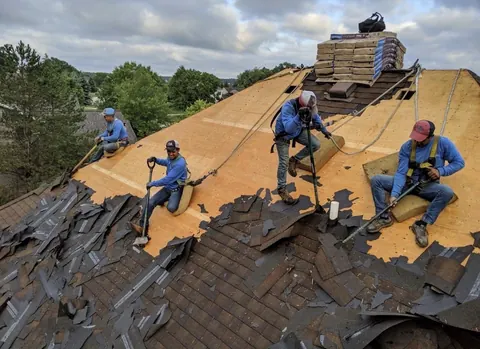
Roof Replacement
A full new roof, planned around Rochester winters, with the layers and flashing that keep meltwater out.
Learn more →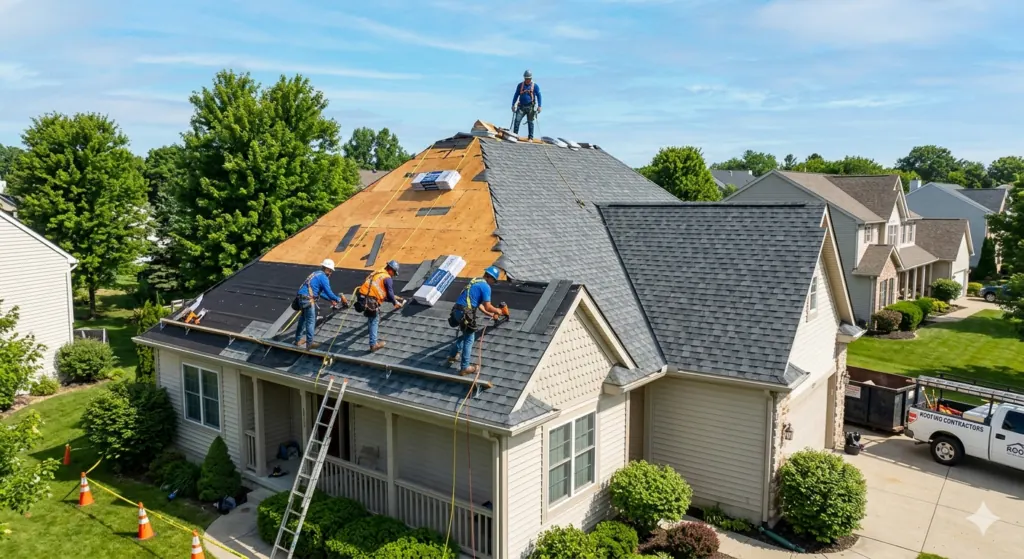
All roofing services
Twenty-two services for Rochester roofs, from a single leak to a full new roof, all planned around lake-effect snow, ice dams, and freeze and thaw winters.
One crew, every roof job
Competitors across Rochester offer windows, doors, and remodeling alongside roofing. We stay focused on roofs and the parts that touch them, gutters, skylights, chimneys, siding, and the attic, so every job gets real roofing care.
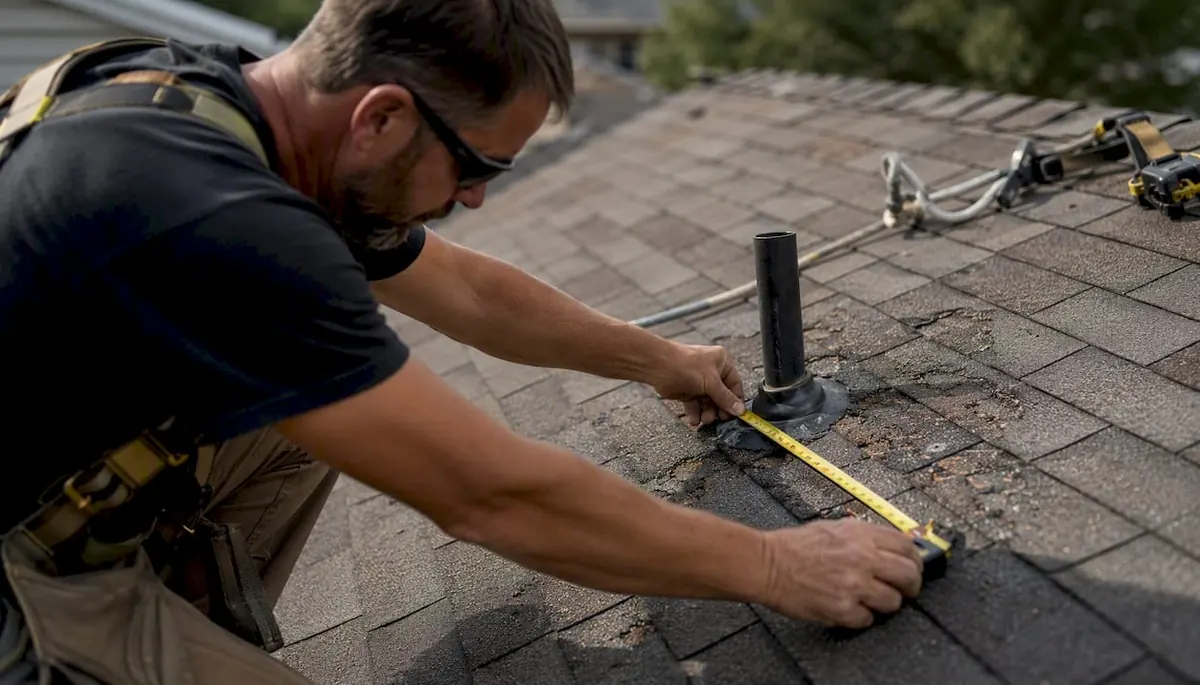
Every service on this page starts the same way, with a look at the roof and a plain conversation about what it needs. A leak may be flashing, not shingles. An ice dam may be a warm attic, not a bad roof. Sorting the cause first keeps the fix small and the work honest.
Our crew is licensed and insured, and we do the work ourselves. If a job needs chimney work, fascia and soffit, or siding repair alongside the roof, we plan it as one job, not three separate visits.
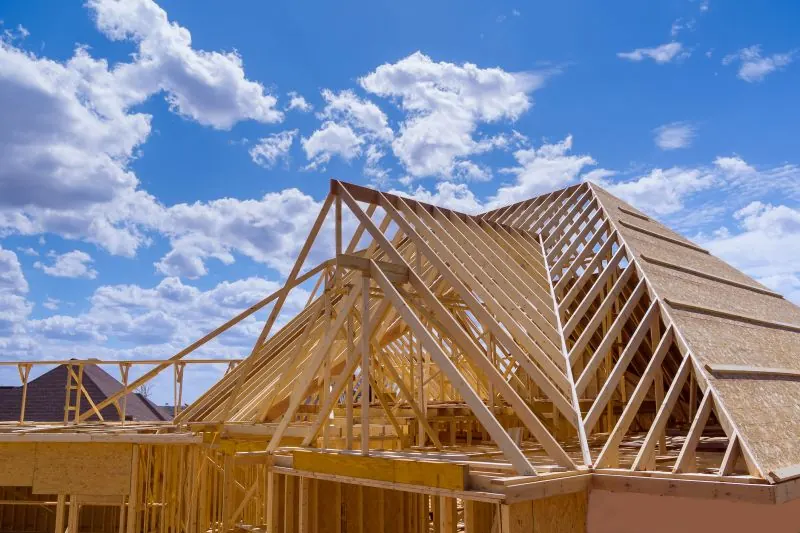
Rochester housing runs from historic Victorians on Park Avenue to new subdivisions in Victor and Farmington, and each one needs a different approach. Steep historic pitches, flat commercial roofs, and low-slope additions all get their own plan, materials, and flashing details.
The City of Rochester sets the local rules for building work, and our work follows them. If you are comparing services, the guide to choosing a roofer in Rochester covers the questions worth asking any crew.
Choosing a service starts with the symptom, not the service name. A stain on a bedroom ceiling may point to flashing, a skylight, or a valley, and each one calls for different work. That is why every job here starts with a look at the roof itself, a walk across the slopes, a check of the attic, and a plain-words list of what we found. When the cause is clear, the fix is usually smaller than the worry that brought us out.
Ask any roofer three things before work starts: whether they are licensed and insured, whether they will walk the roof with you and point at what they see, and whether the flashing, ventilation, and gutters are part of the plan, not an afterthought. A roof in Rochester lives through lake-effect snow, spring thaw, and summer storms, so the details at the edges matter as much as the shingles in the middle. The pages below explain each service in plain language, with Rochester examples, so you can see what the work involves before you call.
A full new roof, planned around Rochester winters, with the layers and flashing that keep meltwater out.
Learn more →
Leaks, lifted shingles, and flashing trouble fixed where they start, before a small patch turns into a bigger job.
Learn more →
A careful look at the whole roof, from ridge to gutters, with plain-language findings and next steps.
Learn more →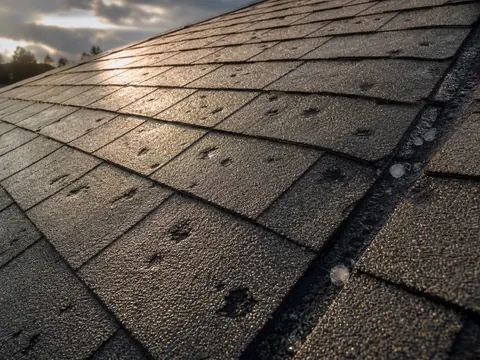
Wind and hail damage mapped slope by slope, with photos and notes that support the claim, then repaired in full.
Learn more →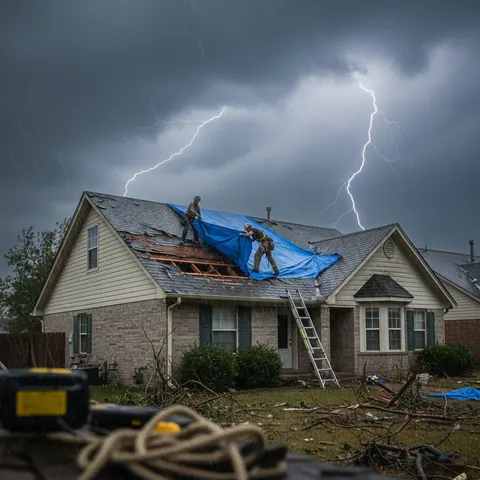
Fast help when a roof is open to rain or snow, including tarping to keep the inside dry.
Learn more →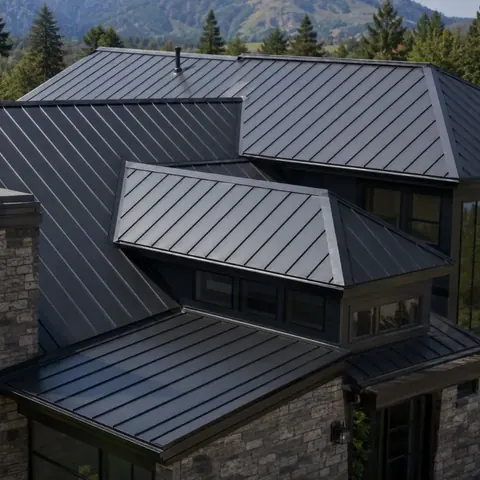
Standing-seam and metal panel roofs that throw snow off fast and hold their own through lake-effect winters.
Learn more →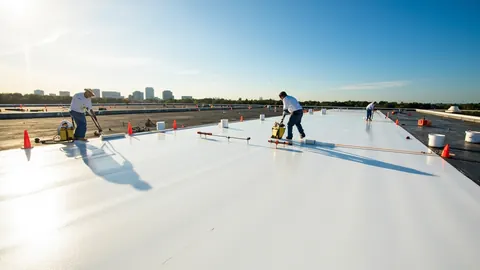
Flat and low-slope systems, foam, and single-ply membranes built for ponding water and cold snaps.
Learn more →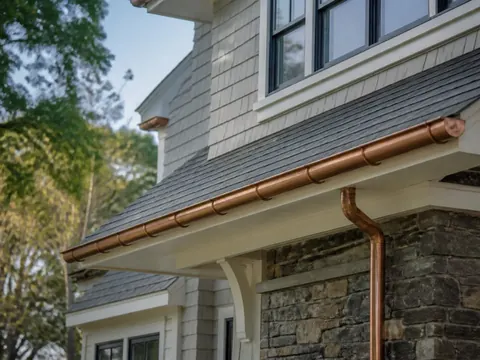
Gutters, guards, and cleaning that move meltwater away from the roof edge and the foundation.
Learn more →
Skylight leaks traced to the flashing or the unit itself, then repaired or replaced properly.
Learn more →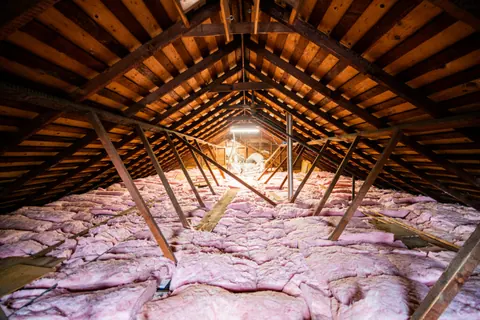
Balanced attic airflow and insulation that cut ice dams at the source and keep rooms even.
Learn more →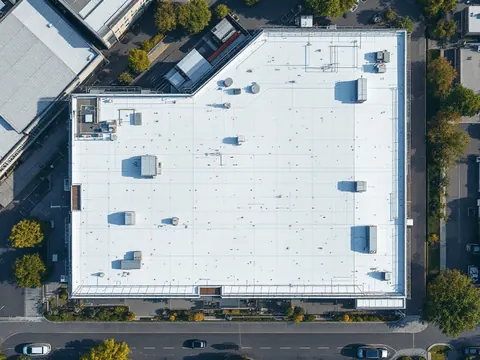
Flat and low-slope roofs for shops, offices, and warehouses across Monroe County.
Learn more →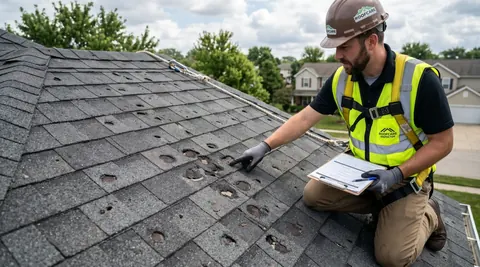
Clear documentation and photos for a storm claim, plus help talking it through with the adjuster.
Learn more →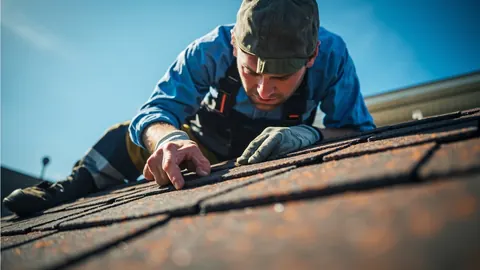
Seasonal checks, gutter clearing, and small fixes that stretch the working life of a roof.
Learn more →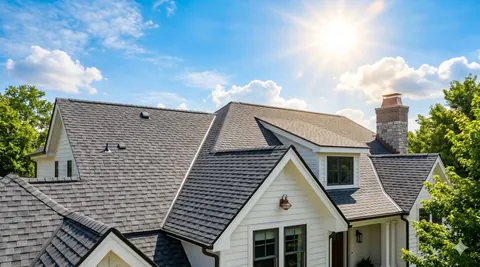
Architectural shingles, the most common Rochester roof, installed with ice and water shield at the eaves.
Learn more →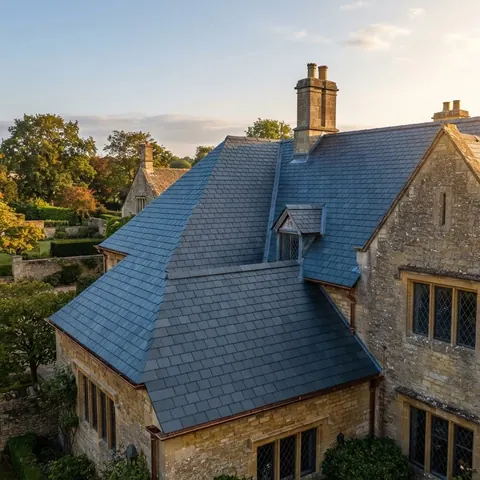
Slate, tile, and other specialty roofs repaired and installed by hands that know the material.
Learn more →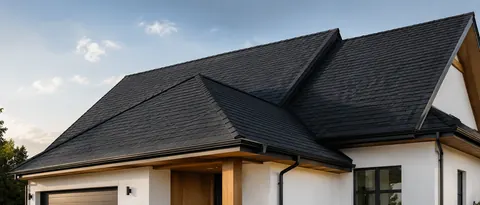
Composite shingles and shakes that mimic slate or wood with less upkeep in wet winters.
Learn more →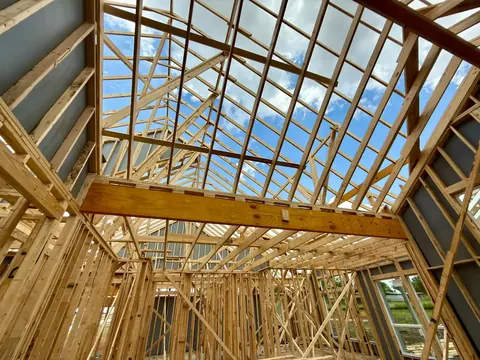
Roofing for new homes and additions, planned with the builder from deck to ridge.
Learn more →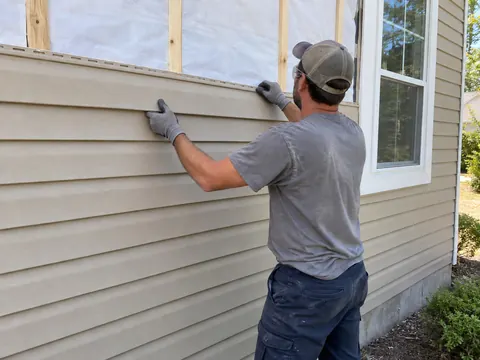
Siding that sheds wind-driven rain and snow, repaired or replaced around the roofline.
Learn more →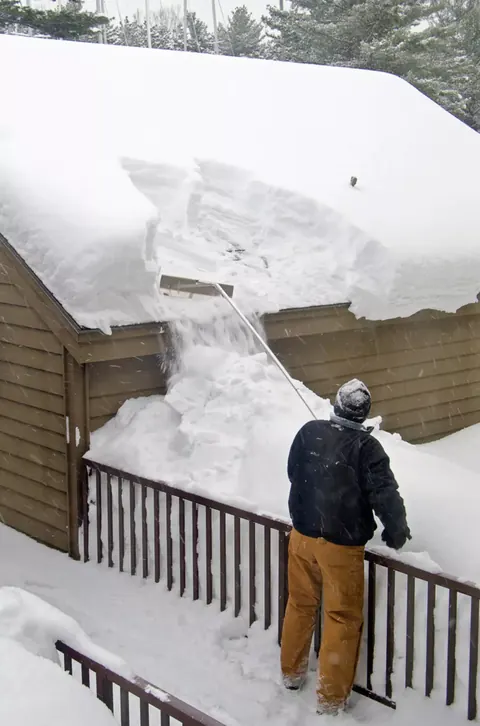
Roof-safe snow removal and ice-dam prevention, including steaming, for heavy Rochester winters.
Learn more →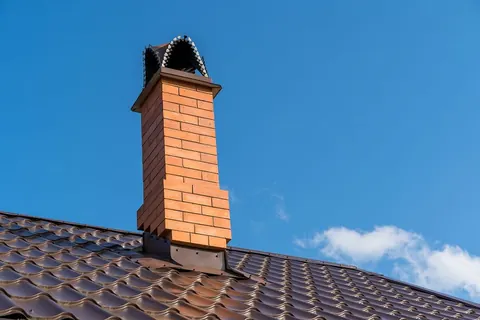
Chimney flashing, caps, liners, and masonry touch-ups where the chimney meets the roof.
Learn more →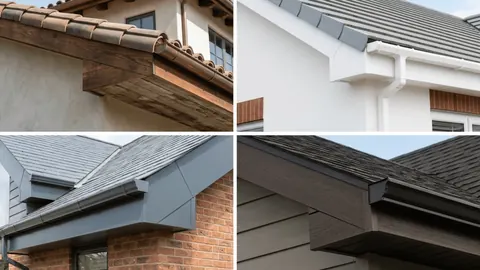
Fascia and soffit repair that protects the roof edge, the attic vents, and the look of the eaves.
Learn more →
Solar-ready roofing and solar shingles planned so the roof and the panels work as one system.
Learn more →Match the symptom
Roof trouble usually starts small. A stain appears, a draft finds its way in, granules collect in the gutter, or a ridge of ice forms at the eave. Each sign points to a different kind of work, and the list below matches what you can see with the service that handles it.
A damp patch or a brown ring on a bedroom ceiling is water that found a way in. The entry point is usually flashing, a valley, or a pipe boot, and roof repair traces it from the attic side, then seals it and checks whether the deck underneath stayed dry.
Tabs or whole shingles on the lawn after a wind event mean the roof took a hit on one slope. Storm and hail damage repair walks the whole roof, notes what moved, and puts the slope back together.
A thick ridge of ice along the eave, with icicles hanging below it, is an ice dam. Meltwater pools behind it and works under the shingles. Roof snow removal and ice dam prevention clears the dam safely, and attic ventilation and insulation keeps it from coming back.
Drips around a skylight in cold weather can be condensation, flashing, or the unit itself. Skylight repair and installation finds which one it is, then fixes the flashing or swaps the unit.
Water pouring over the gutter edge in a normal rain means the trough is blocked or the slope is wrong. Gutters and gutter guards clears the blockage, checks the downspouts, and looks at the fascia where the gutter hangs.
A roof that has seen two decades of Rochester winters is worth a careful look, even if it is not leaking yet. Roof inspection reads the wear across the whole roof and gives a plain answer about repair, maintenance, or replacement.
Repair or replace
The question comes up on almost every inspection. The answer depends on where the wear sits, how much of the roof it covers, and whether the deck underneath is still solid.
When the call is close, an inspection settles it. We walk the roof, look in the attic, and talk through what we found before any work starts.
Materials compared
Six materials cover nearly every Rochester roof. Each one handles snow, ice, and freeze and thaw in its own way, and the table below shows how they compare.
| Material | Suits | Handles winter by | Watch for |
|---|---|---|---|
| Architectural asphalt shingles | Most Rochester houses, steep and low slopes | Shedding snow once the slope is steep enough, with ice and water shield at the eaves | Granule loss and curling as the roof ages |
| Standing-seam metal | Steep slopes, lake-shore homes, long runs | Shedding snow fast, so loads do not build up | Snow guards where walkways sit below the eave |
| Natural slate | Historic homes, steep pitches, long-life roofs | Shedding snow and standing up to freeze and thaw | Weight on older framing, and the need for a crew that knows slate |
| Clay or concrete tile | Steep slopes, homes built for the load | Shedding water and holding up to cold | Weight, and cracked tiles after a hard freeze |
| Composite shingles and shakes | Homes that want the look of slate or wood | Shedding snow like asphalt, with less upkeep | Color and texture vary by maker, so samples matter |
| Single-ply membrane and foam | Flat and low-slope roofs, shops and additions | Sealed seams and drains that move meltwater off | Ponding water where the slope is too flat |
The Rochester factor
A roof here is not just a cover. It is a system that has to move water away in every season, and winter is the season that tests it hardest.
Lake-effect snow arrives in bands off Lake Ontario, and a single band can drop a deep load on one side of the city while the other side stays clear. That load sits on the roof, and the weight matters most on older framing and low slopes. Ice and water shield at the eaves, flashing that handles meltwater, and a deck that stays dry are the details that decide whether a roof comes through winter sound.
Freeze and thaw works on every joint. Water gets into a small gap, freezes, widens the gap, and thaws again, and the cycle repeats through the cold months. That is why flashing, valleys, and the roof edge get so much attention here, and why a small leak in January can turn into a bigger repair by spring if it is left alone.
The services on this page are shaped by that cycle. Snow removal and ice-dam work deal with the load and the melt. Ventilation and insulation keep the attic cold so dams do not form. Gutters and guards move the meltwater away from the edge. Each service answers a different part of the same winter, and they work best when they are planned together, not one at a time.
The starting point
An inspection is a walk across the whole roof, a look in the attic, and a plain-words list of what we found. It covers the outside, the inside, and the edges where most trouble starts.
Shingle condition, granule loss, curling, and lifted tabs, read slope by slope, with the ridge caps and valleys checked for gaps.
Insulation depth, venting, and signs of moisture or frost on the underside of the deck, which tell us whether the attic is feeding ice dams.
Eaves, flashing, gutters, and downspouts, where meltwater collects and where a small gap becomes a leak.
Skylights, chimneys, vents, and pipe boots, the spots where the roof is cut and sealed, and where most leaks begin.
After the walk, we sit down with the list and talk through it in plain words: what needs doing now, what can wait, and what to watch. The inspection is the starting point for every service on this page, and it is the surest way to match the work to the roof.
One job, planned whole
Roof work rarely stops at the shingles. The flashing, the gutters, the fascia, and the skylight all meet at the same edge, and fixing one without looking at the rest leaves the next leak waiting.
A replacement often brings the gutters with it. The old gutters come off so the new drip edge and flashing can go on cleanly, and that is the natural moment to look at the fascia behind them. If the fascia is soft from years of meltwater, it gets replaced while the edge is open, not after the new roof is finished and the edge is closed again.
The same thinking applies to chimneys and skylights. A chimney that needs new flashing is best handled while the roof around it is open, and a skylight that has dripped for a few winters is worth swapping while the shingles around it are already up. Planning these together means one round of work on the roof, one set of visits, and flashing that is built as a single system instead of patched in pieces.
That is also why the services on this page overlap the way they do. Roof repair, storm help, and emergency work all deal with sudden trouble, but they deal with it differently. Inspection and maintenance deal with slow wear, and they keep small trouble small. Commercial and flat roofing deal with a different shape of roof entirely. Knowing which service fits, and which ones belong together, is what turns a single call into a roof that is sound from ridge to gutter.
Not sure which service fits your roof? Call and describe what you see.
Call (585) 868-0065Questions, answered
Start with a roof inspection if you are unsure. It looks at the whole roof, from ridge to gutters, and gives a plain-language answer about whether repair, maintenance, or replacement fits the roof. Most jobs start there, and it keeps small trouble from growing.
Yes. Repairs suit a leak, a few lifted shingles, or flashing trouble on a roof with life left in it. Replacement suits a roof at the end of its working life, with wear across the whole slope. The inspection shows which one the roof needs.
Lake-effect snow, ice dams, and freeze and thaw cycles shape every job here. Ice and water shield at the eaves, balanced attic ventilation, and flashing that handles meltwater are standard practice, not extras. Roofs here carry heavy snow for months, then face spring thaw and summer storms, so the details at the edges matter as much as the shingles.
Yes. Our commercial roofing covers flat and low-slope roofs for shops, offices, and warehouses, including single-ply membranes and foam systems. The work is planned around the building use, so business can keep running. We check seams, drains, and parapet flashing, and we plan the work in stages when a roof stays open for trade.
Yes. Storm and hail damage repair covers inspection, documentation, and repair, and emergency roof repair covers tarping when a roof is open to rain or snow. Call first, and keep the area below any damage clear. We will look at the whole roof, list what the storm moved, and talk through the next step before any work starts.
Yes. Gutter cleaning is part of our gutters and gutter guards service, along with repair, replacement, and guards. Clean gutters in fall are one of the best defenses against ice dams, so the service covers both. We clear leaves and grit, check the downspouts, and look at the fascia where the gutter hangs.
Call or email and tell us what your roof is doing. We will look at it and tell you plainly what it needs.
75 S Clinton Ave Ste 510, Rochester, NY 14604, United States