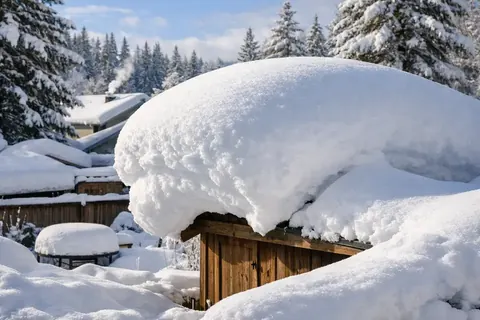
How Much Snow Can a Rochester Roof Hold?
Snow load, roof pitch, and the warning signs that a roof is carrying more than it should.
Read the post →
The roofing blog
Thirty-two posts on snow, ice dams, materials, ventilation, and choosing a roofer, written for Rochester homes and Rochester winters. Every post is shown below.
Written for Rochester
Most roofing advice online is written for mild climates. These posts are written for lake-effect snow, ice dams, and the Victorians, Colonials, and new builds of Rochester and the towns around it.
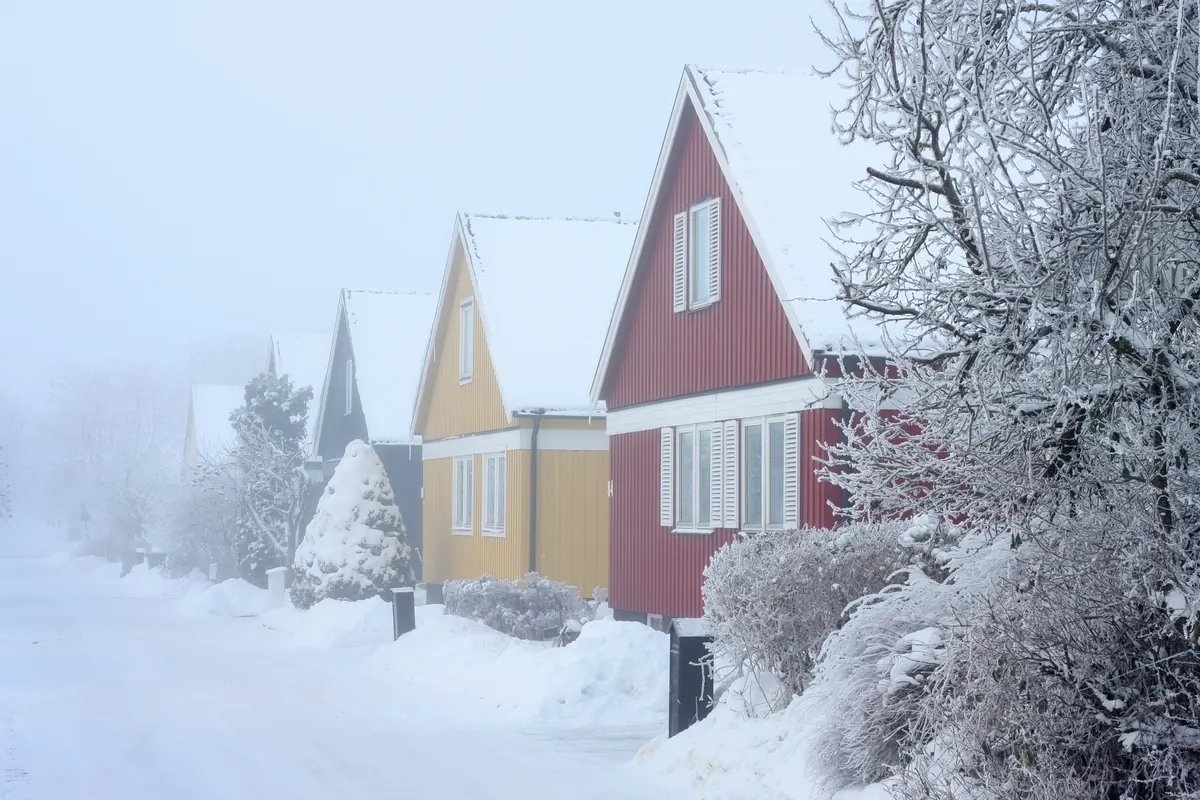
Winter is the season that decides whether a Rochester roof is sound. The posts on how much snow a roof can hold, ice dams, and preparing for winter are the ones to read first, before the snow arrives.
Each post answers one question in depth, with the signs to watch for and the work that fixes the cause, not just the symptom.
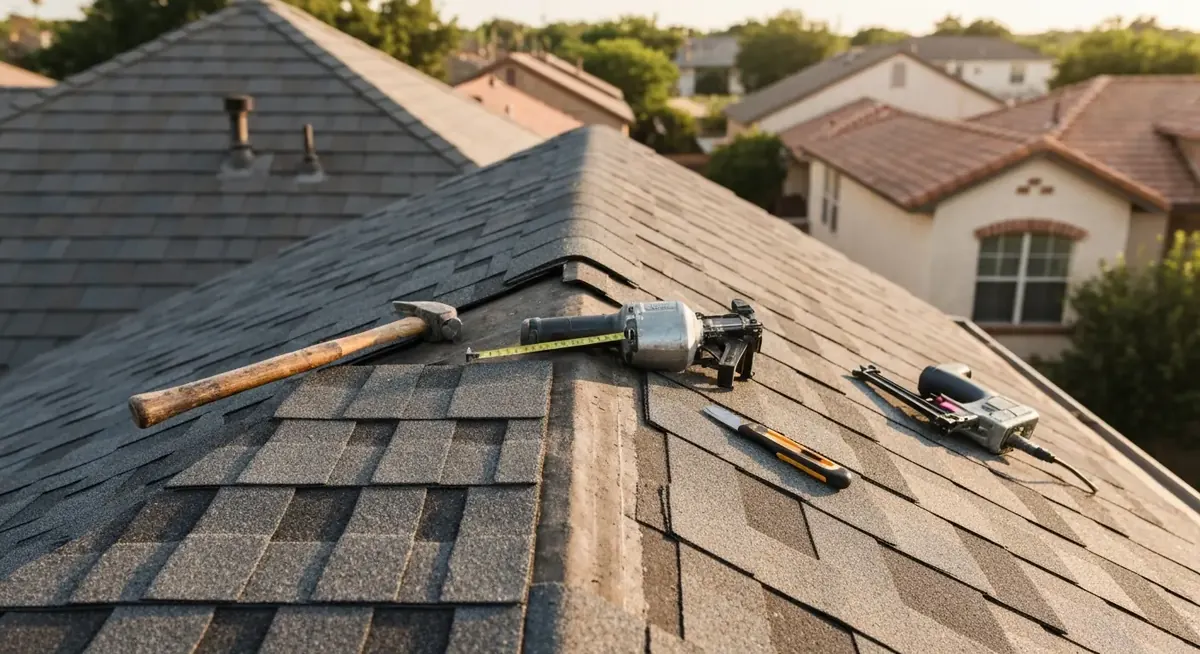
When the question is a new roof, the posts on metal vs asphalt shingles, the best materials for snow and cold, and the best time of year to replace a roof walk through the choices with Rochester weather in mind.
Every post is written by Roofing Rochester, and the author on each post is the brand, never a single person.
Snow load, roof pitch, and the warning signs that a roof is carrying more than it should.
Read the post →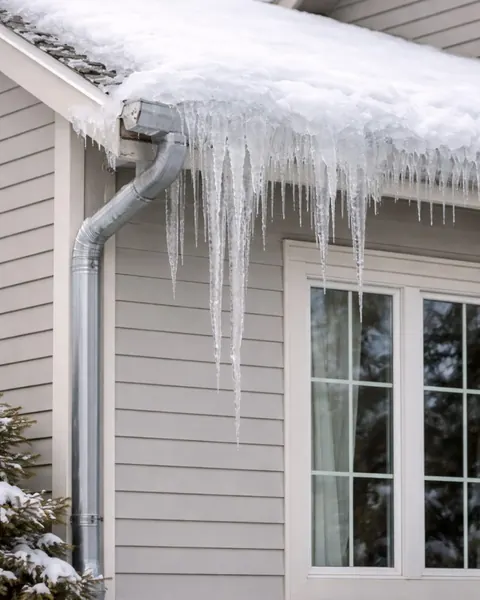
The freeze and thaw cycle behind ice dams, and the attic fixes that stop them for good.
Read the post →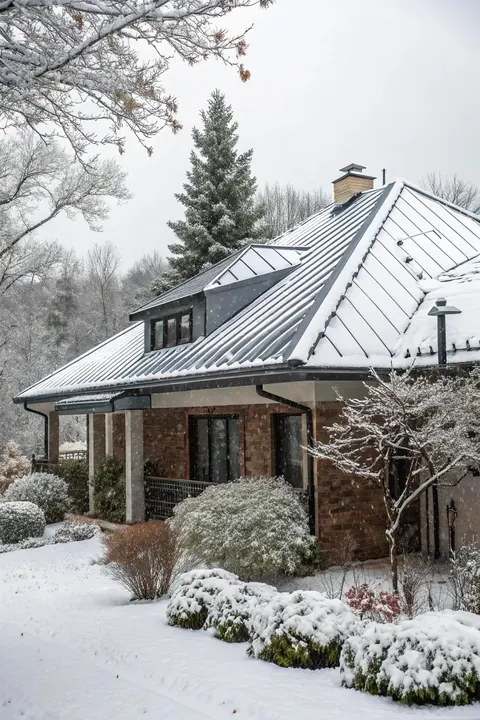
Which materials handle lake-effect snow, ice, and cold snaps, and which ones struggle.
Read the post →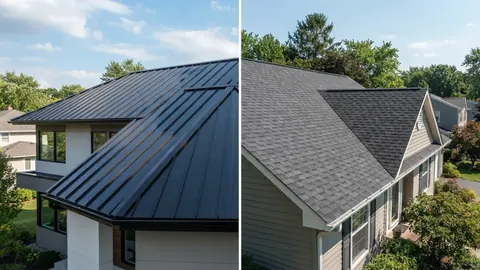
A side-by-side look at snow shedding, lifespan, and winter performance in our climate.
Read the post →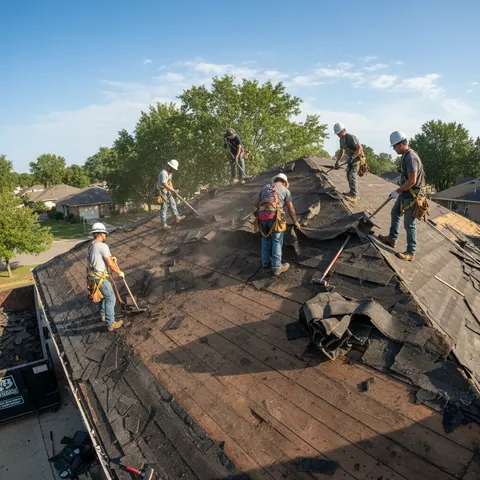
Age, wear, leaks, and storm history, and how to read them together before deciding.
Read the post →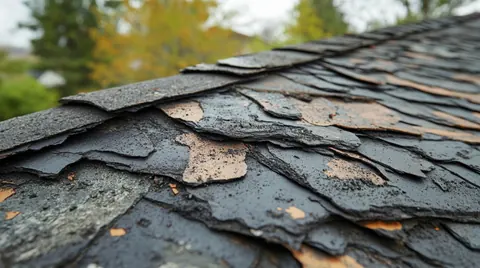
Realistic lifespans by material in a city with heavy snow and sharp freeze and thaw cycles.
Read the post →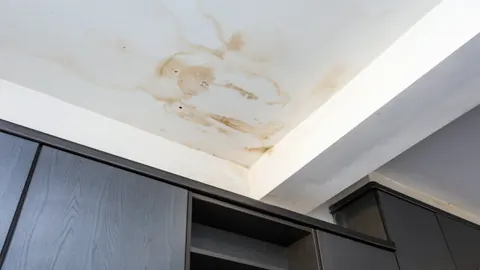
First steps when meltwater finds its way inside, and how to keep the damage small.
Read the post →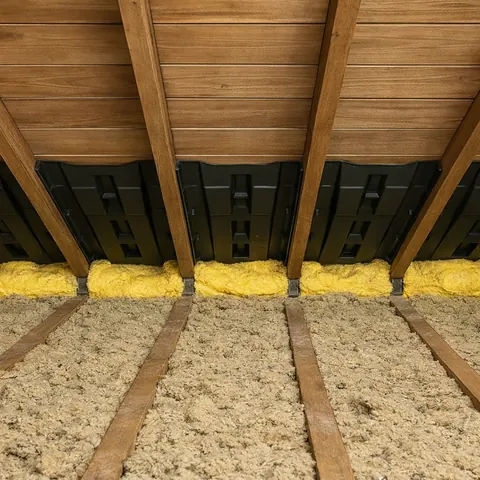
Why warm attics grow ice dams, and the insulation and venting balance that stops them.
Read the post →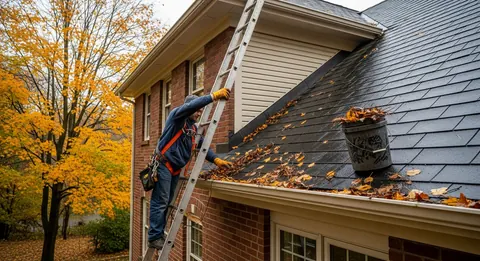
A fall checklist for gutters, flashing, attic vents, and the roof edge before snow arrives.
Read the post →
What to look for once the snow clears, from lifted shingles to gutter damage.
Read the post →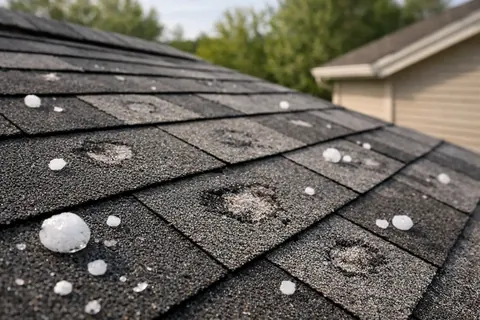
How hail bruises shingles, what it looks like up close, and when to have it checked.
Read the post →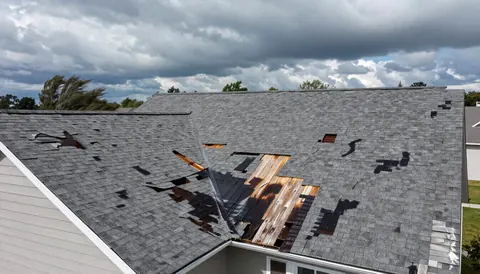
Lifted, creased, and missing shingles after a wind event, and how repairs are planned.
Read the post →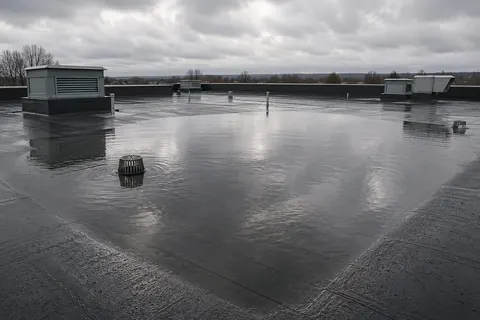
Ponding water, seam stress, and drains, and the care that keeps a flat roof working.
Read the post →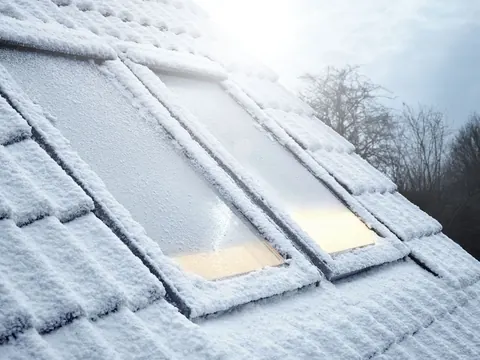
Condensation, flashing, and ice buildup around skylights, and how each one is fixed.
Read the post →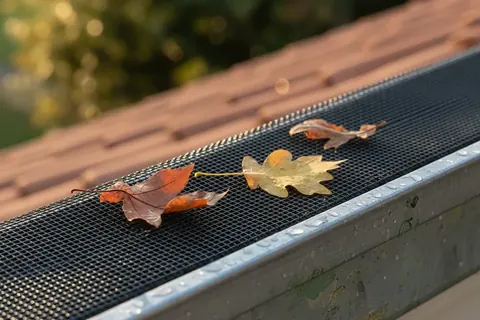
What guards can and cannot do when snow and ice build up along the eaves.
Read the post →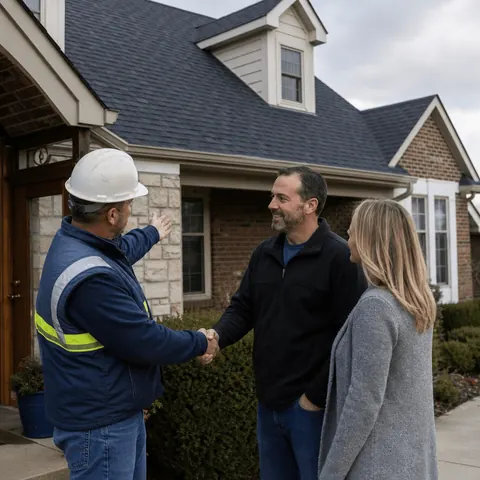
Licensed-and-insured checks, local references, and the questions that sort good roofers from the rest.
Read the post →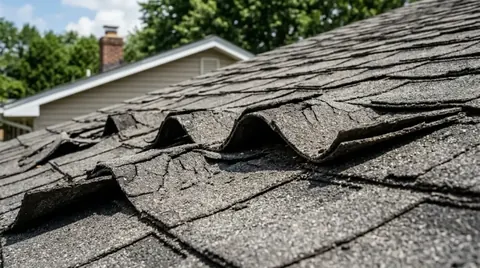
Curling, granule loss, sagging, and other signs that point toward a new roof.
Read the post →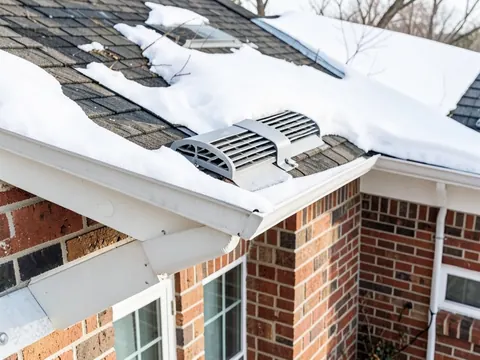
Intake, exhaust, and the balance that keeps attics dry through a long winter.
Read the post →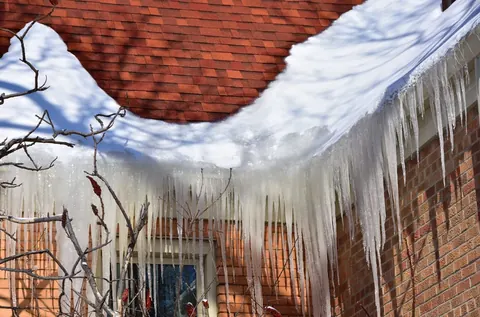
Ice dams, flashing gaps, and meltwater paths that only show up in cold weather.
Read the post →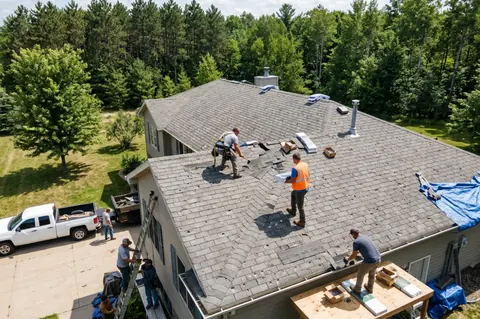
Season by season, what the weather means for tear-off, sealing, and scheduling.
Read the post →
Victorians and early Craftsman homes under heavy snow, and the signs worth watching.
Read the post →
Slate, wood, and period details on Park Avenue and Corn Hill homes, done with care.
Read the post →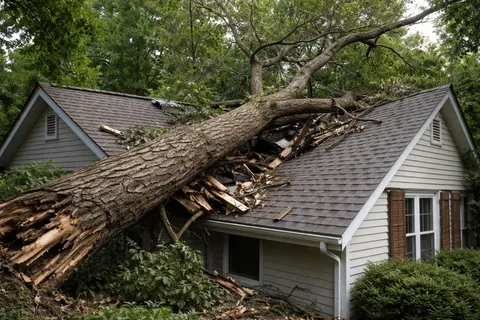
Safety first, then tarping, documentation, and a careful look at the structure.
Read the post →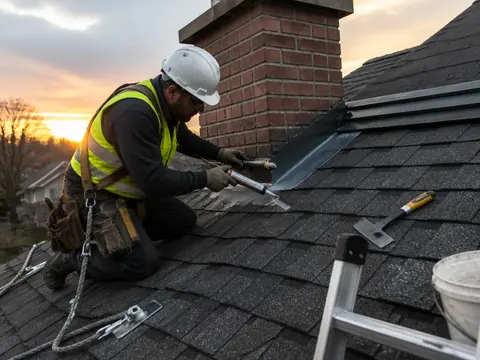
Why the chimney base leaks in winter, and how step flashing and counterflashing fix it.
Read the post →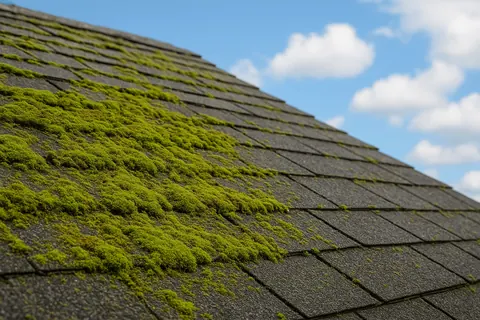
Green growth and dark streaks on shaded roofs, and how to clear them without harming shingles.
Read the post →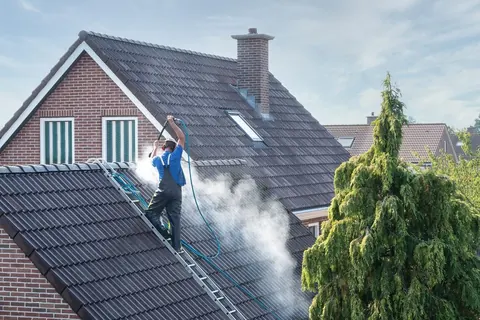
Small habits, seasonal checks, and timely repairs that add years to a roof.
Read the post →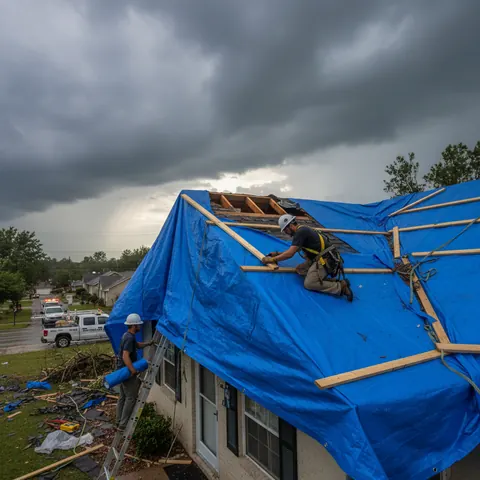
When a tarp is the right call, how it is secured, and what comes next.
Read the post →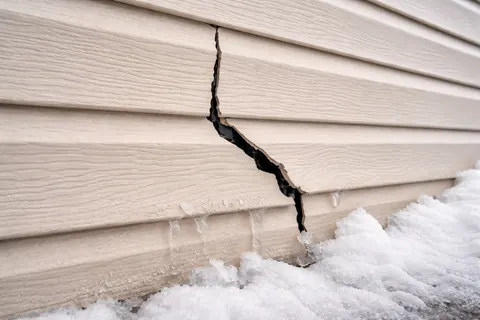
Cracks, warping, and moisture behind siding after ice, wind, and freeze and thaw cycles.
Read the post →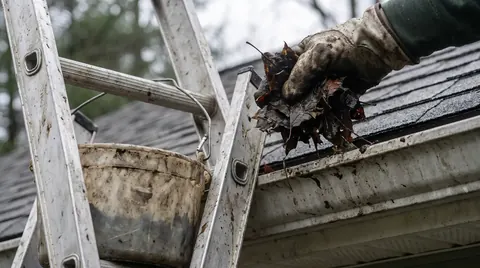
When to clear gutters, what clogs them here, and how clean gutters protect the roof edge.
Read the post →
The work terms, scope, and paperwork to ask about before any roof work begins.
Read the post →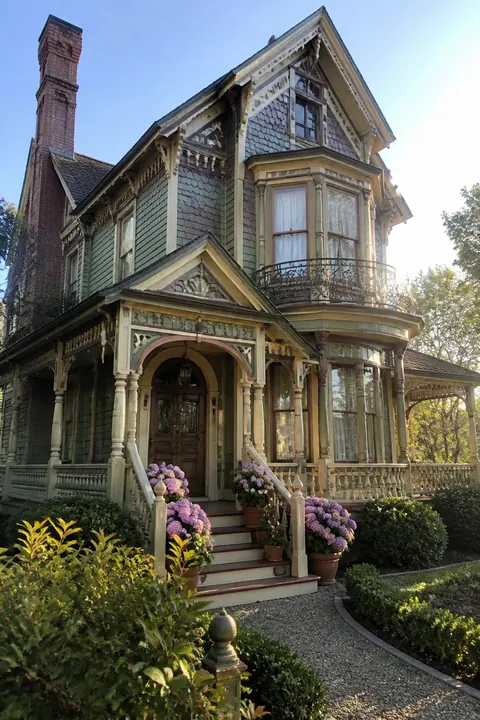
Snow, cloud cover, and roof direction, and how they shape solar results here.
Read the post →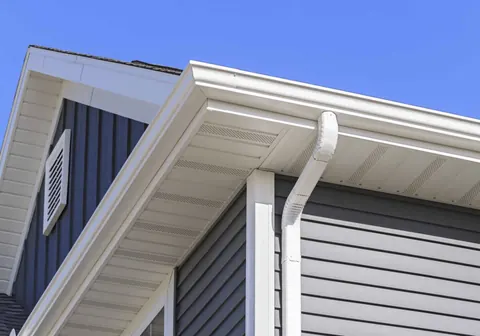
The roof edge parts that protect the attic and the eaves, and the signs they need work.
Read the post →Reading paths
Thirty-two posts is a lot to read straight through, and nobody needs to. Each post answers one question, so the fastest way through is to start with the question you already have.
If water is coming in, start with the leak posts: roof leaks after heavy snow, why roofs leak in Rochester winters, and chimney flashing leaks. Those three cover the most common ways water gets inside, and each one tells you what to do first and what to watch while you wait for a roofer.
If winter is coming, start with the preparation posts: how to prepare your roof for a Rochester winter, attic insulation and ventilation, and gutter cleaning and maintenance. Read them in the fall, before the first snow, and the winter posts will make more sense when the snow arrives.
If the question is a new roof, start with the decision posts: when to replace your roof, metal roofing versus asphalt shingles, and the best time of year to replace a roof. Those three walk through timing, materials, and the signs that point toward replacement instead of repair.
What to watch for
Most roof trouble announces itself long before it becomes a leak. The signs below are the ones worth noticing, and each one links to the post that explains it in depth.
A thick layer of granules in the gutters means the shingles are shedding their surface. The post on signs your roof needs replacing explains what granule loss means and what to check next.
Long icicles and a ridge of ice at the eave mean meltwater is pooling behind a dam. The post on ice dams in Rochester covers why they form and the attic work that stops them.
A dip or a sag in a slope means the deck or the framing underneath is giving way. The post on how snow load affects older Rochester homes covers what heavy snow does to old framing and the signs worth watching.
Dark streaks and green growth on shaded slopes are algae and moss holding water against the shingle. The post on roof moss and algae in Rochester's damp climate explains how to clear them without harming the shingles.
Tabs that lift and never lie flat again let water run under the shingle. The post on wind damage to roofs in Rochester covers lifted, creased, and missing shingles after a wind event.
A musty smell or damp insulation in the attic means moisture is getting in, often through a small gap that only shows in cold weather. The post on roof ventilation in cold climates covers the balance that keeps attics dry.
Winter, in order
Winter is the season that decides whether a Rochester roof is sound, and the winter posts are best read in the order the season happens, from preparation to thaw.
Start in the fall with how to prepare your roof for a Rochester winter, which covers gutters, flashing, attic vents, and the roof edge before snow arrives. Then read how much snow a Rochester roof can hold, which explains snow load, roof pitch, and the warning signs that a roof is carrying more than it should.
When the snow is on the roof, read ice dams in Rochester and attic insulation and ventilation, which together cover the cause, the signs, and the work that stops dams for good. If a leak turns up midwinter, roof leaks after heavy snow covers the first steps and how to keep the damage small.
When the thaw comes, read spring roof inspection after a Rochester winter, which covers what to look for once the snow clears, from lifted shingles to gutter damage. That post is the bridge between the winter guides and the repair and replacement guides, and it is the right one to read before calling about spring work.
Posts by topic
The thirty-two posts fall into six groups. Find the group that matches your question, and start with the post listed first.
| Topic | What it covers | Start here |
|---|---|---|
| Snow and ice | Snow load, ice dams, and winter leaks | How much snow can a Rochester roof hold? |
| Materials | Shingles, metal, slate, tile, and composite | Best roofing materials for Rochester snow and cold |
| Storms and damage | Hail, wind, trees, and emergency tarping | Hail damage to roofs in Rochester |
| Gutters and skylights | Guards, cleaning, and skylight leaks | Gutter guards and ice dams: do they help? |
| Attics and ventilation | Insulation, venting, and the ice-dam fix | Attic insulation and ventilation: the ice-dam fix |
| Choosing a roofer | Hiring, work terms, and timing a replacement | How to choose a roofer in Rochester |
Beyond the blog
A guide can explain what to look for, but it cannot walk your roof. Some signs mean the next step is a visit, not another post.
Call when water is coming in and you cannot find where it starts. A leak that shows in more than one room, or a ceiling that is sagging under the weight of water, needs someone on the roof the same day, not a reading list. The same goes for a tree on the roof, a slope that has sagged, or daylight showing through the decking in the attic. Those are the signs that the structure itself needs a look, and the post on what to do after a tree falls on your roof covers the first steps while you wait.
Call too when the question is about your roof and not roofs in general. A post can tell you how ice dams form, but it cannot tell you whether your attic is warm enough to grow one, or whether your flashing is the part that failed. That takes a walk across the slopes and a look in the attic, and the roof inspection page covers what that walk includes. The blog is the starting point, and the inspection is what turns general guidance into an answer about your roof.
Old houses, old roofs
Rochester has more old houses than most American cities, and the old houses have the most interesting roofs. Four posts deal with them directly, and they are worth reading together.
Start with roofing for Rochester's historic homes, which covers slate, wood, and period details on Park Avenue and Corn Hill homes, and the care that keeps them sound. Then read how snow load affects older Rochester homes, which explains what heavy snow does to Victorian and early Craftsman framing, and the signs worth watching when the load builds up.
Two more posts fill in the details. Chimney flashing leaks in Rochester covers the chimney base, which is where most historic-home leaks start, and roof moss and algae in Rochester's damp climate covers the growth that takes hold on shaded north slopes, where the sun never quite dries the shingles. Together, the four posts cover the roof, the framing, the chimney, and the surface, which is the whole historic roof, top to bottom.
Old roofs reward patience. A slate roof that has lasted a century can last another with the right care, and a wood-shingle roof that looks tired can often be repaired rather than replaced. The posts above explain how to tell the difference, and when a repair is the right call for a roof that has already outlasted most of its neighbors.
A question about your own roof? Call and ask, we answer plainly.
Call (585) 868-0065Questions, answered
Snow load, ice dams, materials for cold climates, ventilation, gutters, skylights, chimneys, and choosing a roofer, all written for Rochester weather and Rochester housing. Every post answers one question in depth, with local examples from the city and the towns around it, so the advice fits the roofs here.
Start with the post on why ice dams form and how to stop them, then the one on attic insulation and ventilation, which is the real fix. Together they cover the cause, the signs, and the work that stops dams for good.
Yes. Flat roof care in the freeze and thaw climate covers ponding water, seams, and drains, and the flat, foam, and single-ply service page covers the systems themselves. Low-slope roofs on shops and additions get their own posts too, since membrane care works very differently from shingles.
Yes. They use Rochester snowfall, lake-effect weather, local housing like Victorians and Colonials, and local towns, not generic roofing advice. A post about snow load here means Rochester snow load, and a post about ice dams means the dams that form on Rochester eaves in January and February.
New posts are added regularly through the year, following the seasons, with winter prep in the fall, thaw checks in the spring, and replacement planning in the summer. Each post takes one roofing question and answers it in depth, so the blog grows into a full guide to Rochester roofs over time.
Yes. Call or email with the question, and if it is one other Rochester homeowners ask too, it may become a post. The contact page has the phone number and email address. We read every question that comes in, and the ones that come up again and again get answered first.
If a post raised a question about your own roof, call or email. We will look at it and tell you plainly what it needs.
75 S Clinton Ave Ste 510, Rochester, NY 14604, United States