Call (585) 868-0065
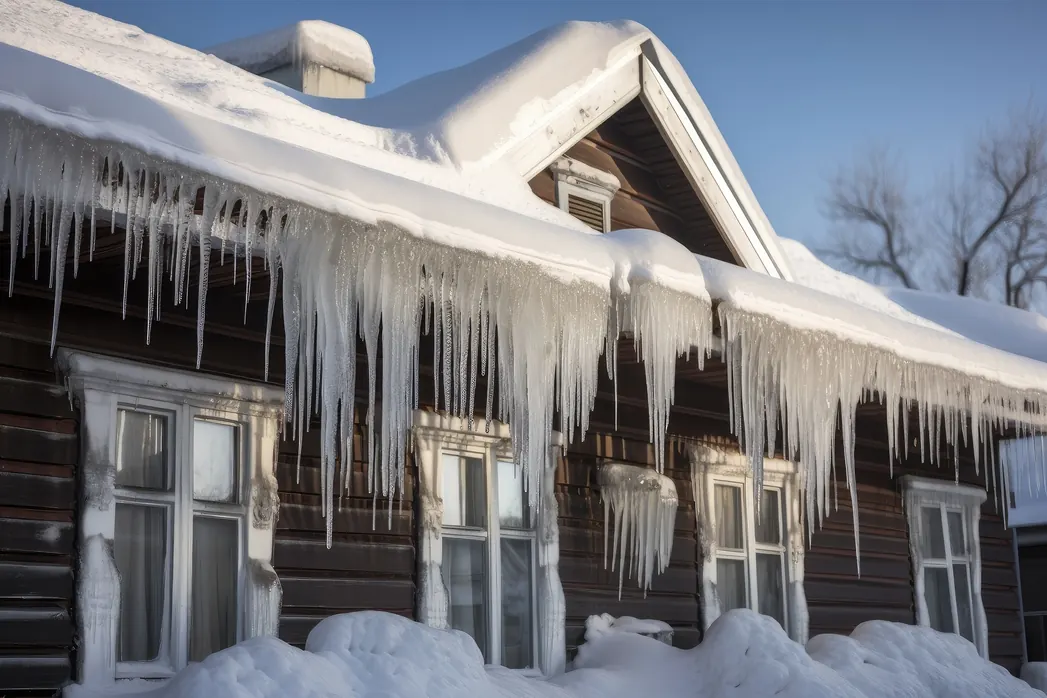
House roof covered in deep snow with long icicles hanging from the eaves in Rochester winter

Snow and Ice Dams

Roof Snow Removal and Ice Dam Prevention in Rochester, NY

Rochester sees about 102 inches of snow in a season, and lake-effect snow off Lake Ontario can load a roof for weeks. We clear heavy snow safely, steam away ice dams, and fix the attic conditions that let dams form in the first place.

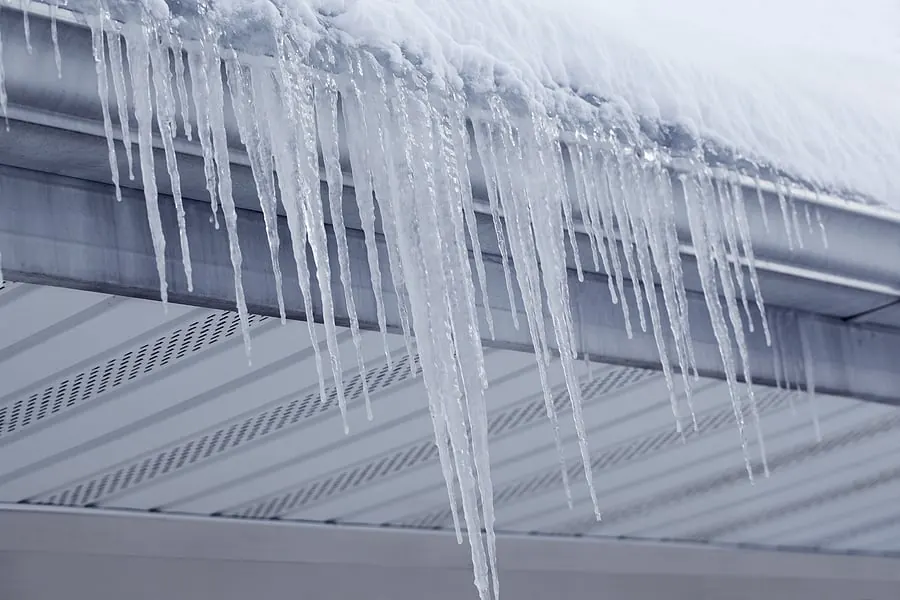
Thick icicles hanging from a roof edge above white soffit panels in Rochester winter
Icicles at the eave: the visible sign of an ice dam forming above the gutter.

Lake-effect snow

Rochester snow loads a roof like nowhere else in New York

Rochester sees about 102 inches of snow in a season, and much of it comes as lake-effect snow off Lake Ontario, falling fast and piling deep on one side of the city while the other side stays clear. A roof that held a light dusting in the morning can carry a heavy load by nightfall, and the load sits there for weeks, melting a little by day and adding up again by night.

The weight is only half the story. Snow melts from below when heat leaks into the attic, and the meltwater runs down to the cold eave, where it turns back to ice and builds a ridge. That ridge is the ice dam, and it holds the next meltwater behind it, pushing it back under the shingles and into the house. The National Weather Service Buffalo office posts lake-effect snow forecasts for western New York, and those forecasts are the warning to watch the roof.

Older Rochester homes carry the most risk. Victorians and Craftsman homes with steep pitches shed snow well, but their attics are often thin on insulation and short on vents, which is exactly the mix that builds dams. Attic ventilation and insulation in Rochester is the lasting fix, and the snow and ice work on this page is the winter half of the same job.

What are you seeing

What your roof is telling you this winter

Tap the symptom you are seeing, and see what it usually points to.

Heavy snow load, watch the eaves

Deep snow is normal after a lake-effect storm, and a sound roof carries it. Watch the eaves: when a ridge of ice starts to form there, the snow behind it is melting from below, and the dam is building. Clear the lower courses and keep an eye on the ceilings below.

Safe snow removal

How roof snow is cleared without hurting the roof

Roof snow comes off from the ground when it can, with a long roof rake that pulls the snow down course by course, starting at the eave and working up. The rake never touches the shingles hard enough to scrape them, and the work stays off the roof itself, since a snow-covered roof is slick and the load underfoot is hard to judge. Our post on how much snow a Rochester roof can hold covers the warning signs that say the load has gone too far.

When the snow has to come off from the roof, the crew works in harnesses, with plastic shovels that will not gouge the shingles, and the snow comes off in layers, never all at once from one spot. Taking the load off unevenly can stress the frame, so the clearing runs evenly across the slope, and the valleys get cleared last, since they carry the most snow.

Metal shovels and axes have no place on a roof. A metal edge cuts the shingle surface, and a chop at an ice dam cracks the shingles below it. Metal roofing in Rochester sheds snow faster than shingles, which is one reason some homeowners choose it, but any roof, metal or shingle, is cleared with plastic tools and a light touch.
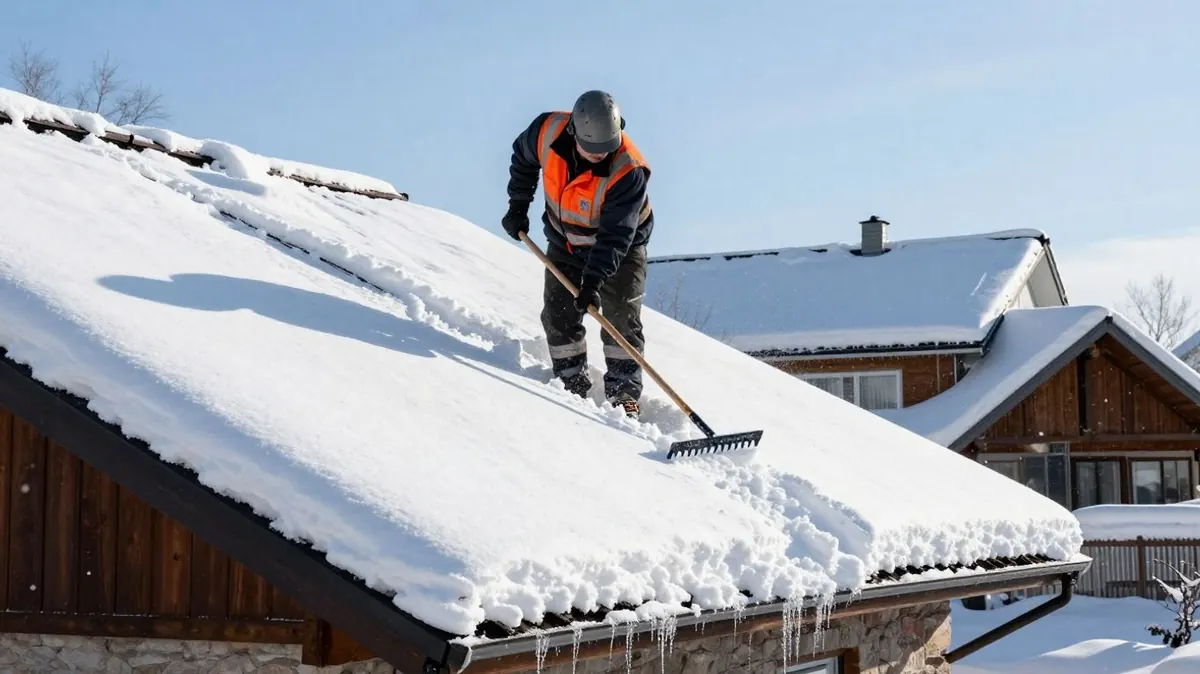
Worker in an orange vest using a long roof rake to pull snow off a snow-covered roof in Rochester
A roof rake clears the lower courses from the ground, without climbing the roof.

Stop the dam

Four ways to stop ice dams before they start

Steaming clears a dam that is already there. These four stop the next one from forming.

01

Ventilation

Ridge vents and soffit vents move cold air through the attic, keeping the roof deck cold so snow melts evenly instead of from below. A cold deck is the first defense against dams.

02

Insulation

Deep, even insulation keeps house heat out of the attic. When the attic stays cold, the snow on the roof stays put until the sun and the air melt it from above.

03

Air sealing

Sealing the gaps around pipes, wires, and attic hatches stops warm air leaking into the attic. Small gaps add up to a warm attic, and a warm attic builds dams.

04

Heating cables

Cables laid in a zigzag along the eave keep a drainage path open through the ice, so meltwater runs off instead of pooling behind a dam. They treat the symptom, not the cause, and they work best with ventilation and insulation.

Methods side by side

Snow removal and ice-dam methods side by side

Each method fits a different moment in the winter.

Roof snow and ice dam methods compared
MethodWhat it doesWhen to use it
Roof rake from the groundPulls snow off the lower coursesAfter a heavy snowfall, before a dam forms
Crew snow clearingClears the whole slope evenlyWhen the load is deep or the roof is hard to reach
Steam ice-dam removalMelts the dam with low-pressure steamWhen a dam is holding water back under the shingles
Heating cablesKeeps a drainage path open at the eaveOn roofs that dam every winter, as a backup
Ventilation and insulationKeeps the attic cold so dams never formIn spring or fall, as the lasting fix

Through the winter

A Rochester winter, month by month, on your roof

The roof's year runs on the snow calendar. Here is how it goes.

Late fall

Get ready

Gutters get cleared after the leaves drop, so meltwater has a clear path. The attic gets a look, and any bare insulation or blocked vent is fixed before the cold sets in.

Midwinter

Watch the eaves

After the first heavy snow, watch the eaves for ridges of ice and long icicles. A roof rake clears the lower courses, and a dam that is already holding water gets steamed away.

Late winter

Mind the thaw

Thaw cycles are the worst time for dams, since the snow melts by day and turns back to ice by night. The ceilings get a look for stains, and any leak is found before spring rain arrives.

Spring

Fix the cause

Once the snow is gone, the attic gets its lasting fix: insulation topped up, gaps sealed, and vents cleared, so next winter never builds a dam in the first place.

A leak in winter

What to do when an ice dam leaks into your house

A winter leak needs calm and order, not a ladder in a snowstorm.

Step 1

Catch the water

Put buckets under the drip and move rugs and furniture clear, so the water does not spread across the floor and into the walls.

Step 2

Do not climb the roof

A snow-covered roof is slick, and a dam leak is not fixed from above in a storm. Stay off the roof and work from inside.

Step 3

Call for steam help

A roofer steams the dam away with low-pressure steam, opening a path for the trapped water to drain, without cutting or chopping the shingles.

Step 4

Find the leak path

Once the dam is gone, the roof gets a look from inside the attic, tracing the stain back to where the water crossed the decking.

Step 5

Plan the lasting fix

In spring, the attic gets insulation, air sealing, and ventilation, so the next winter never builds a dam in the same place.

People also ask

Snow and ice-dam questions Rochester homeowners ask most

Short answers to the snow and ice-dam questions that come up most.

How much snow can a Rochester roof hold?

It depends on the roof's design and the snow's weight, since wet lake-effect snow weighs far more than light, dry snow. A sound, modern roof carries a normal Rochester winter, but deep, wet snow piled for weeks is the load to watch. A sagging roof line or a bowing ceiling is the sign to call a roofer right away.

Should I remove snow from my roof myself?

A roof rake from the ground is fine for the lower courses, worked gently so the rake never scrapes the shingles. Climbing a snow-covered roof is not safe, and metal shovels and axes cut shingles and crack ice dams into the roof below. Deep snow and steep roofs are jobs for a crew with harnesses and plastic tools.

Do heating cables stop ice dams in Rochester?

They help, but they treat the symptom, not the cause. Cables laid in a zigzag along the eave keep a drainage path open through the ice, so meltwater runs off instead of pooling behind a dam. The lasting fix is a cold attic: ventilation, insulation, and air sealing that keep heat out of the roof deck.

What is the best way to remove an ice dam?

Low-pressure steam is the safest way. A steamer melts a channel through the dam without cutting, chopping, or scraping the shingles, and the trapped water drains away. Hot water, axes, and metal tools all risk the roof, and salt and chemicals can stain the siding and harm the plants below.

Deep snow, long icicles, or a stain on the ceiling? Call before the next thaw makes it worse.

Call (585) 868-0065

Frequently asked questions

Roof snow removal and ice dams in Rochester: your questions answered

After every heavy snowfall, clear the lower courses with a roof rake from the ground, and watch the eaves for ridges of ice. A full clearing by a crew is the call when the snow is deep, wet, and piled for weeks, or when the roof is steep and hard to reach. Light, dry snow can often wait for the sun.

Yes. A dam holds meltwater behind it, and that water backs under the shingles, soaks the decking, and stains the ceilings below. Repeated winters of damming rot the decking at the eaves and wear the shingles where the ice sits. The damage is slow and quiet, which is why a spring check matters.

It comes down to the attic. A warm attic melts snow from below, and the meltwater turns back to ice at the cold eave, building a dam. Homes with thin insulation, gaps around pipes and hatches, and blocked vents run warm attics, while homes with deep insulation and clear vents keep the deck cold and rarely dam.

Yes, when it is used gently. A roof rake with a plastic blade pulls snow down without scraping the shingle surface, worked from the eave upward in light passes. Metal blades and hard scraping cut the granules and shorten the roof, so the touch stays light, and the rake never levers against the shingles.

They help with leaves, not with ice. A guard keeps the gutter clear in fall, which matters, but an ice dam forms at the eave whether the gutter is guarded or not, since the dam is about attic heat, not gutter debris. The lasting fix is a cold attic, and the guard is a useful extra, not the answer.

Call when the snow is deep and wet after a lake-effect storm, when a ridge of ice is forming at the eaves, when water stains show on a ceiling, or when the roof line looks like it is sagging. Those are the four signs that the roof needs a professional look, and waiting through the next thaw only makes the damage worse.

A steamer melts a channel through the dam with low-pressure steam, opening a path for the trapped water to drain off the roof. The work runs from the eave upward, the shingles are never cut or chopped, and the crew works from ladders and staging. Once the dam is gone, the attic gets a look for the leak path.

Yes, and that is the better fix. Deep, even insulation keeps house heat out of the attic, air sealing closes the gaps around pipes and hatches, and ridge and soffit vents keep the deck cold. A cold attic never builds a dam, while cables only keep a drainage path open through the ice that forms anyway.

Keep going

Winter care connects to the attic and the gutters

Snow and ice dams start in the attic and end at the gutters. These pages follow the whole path.

Snow piled deep on the roof, or icicles thickening at the eaves? Call and tell us how much snow is up there and where it sits.

Call (585) 868-0065

After the storm

Reading the snow on your roof after a lake-effect storm

The snow on a roof after a storm tells a story about the roof underneath it, and the pattern matters more than the depth.

Lake-effect bands drop their snow unevenly, so one slope can carry a deep drift while the other holds a thin cover. The windward slope takes the brunt, and the leeward slope gathers the drift, which means the load sits heaviest on one side of the frame. A roof that looks evenly white after a general snowfall looks lopsided after a lake-effect band, and that lopsided load is the one to watch.

Melt patterns tell a second story. A slope that melts first while the snow is still deep points to heat leaking into the attic below it, and that same heat is what feeds an ice dam at the eave. A slope that holds its snow evenly, with icicles only at the gutter line, is behaving the way a cold roof should. Forecasts from the National Weather Service office in Buffalo cover lake-effect bands for western New York, and they give a homeowner a day or two of warning before a band arrives.

The ground around the house tells a third story. Snow sliding off a steep slope lands in a pile along the wall, and that pile can block a basement window, cover a vent, or press against the bottom courses of siding. Clearing the slide pile away from the wall keeps the meltwater out of the foundation and the vents open, and it is a job that can be done from the ground with a shovel.

One slope deep, one thin

A lake-effect band loads the windward slope and drifts the leeward one, so the load sits heaviest on one side.

A slope that melts first

Early melting on one slope points to heat leaking into the attic below it, and that heat feeds ice dams.

Slide piles at the wall

Snow sliding off a steep slope lands against the wall, where it can block vents and press on the siding.

Tools that help, tools that hurt

Safe snow removal tools and the ones that damage shingles

The tool used to clear a roof decides whether the roof comes out of the job unharmed, and the wrong tool does more harm than the snow.

A roof rake with a long handle and a plastic blade clears snow from the ground, and the plastic edge slides over the shingles without catching them. The rake reaches the first few feet of the eave, which is the stretch that matters most, since the eave is where ice dams form. A rake with a metal blade is a different story: the metal edge catches shingle edges, tears granules loose, and leaves the roof weaker than the snow ever did.

Steam is the tool for ice itself. A steamer melts a channel through the dam without touching the shingles, and the meltwater drains away through the channel instead of backing up under the courses. Hammers, chisels, and axes are the tools that wreck roofs: they crack shingles, gouge the membrane beneath, and open leaks that show up weeks later. Roofing crews in Rochester carry steamers for that reason, and they leave the striking tools at home.

Roof snow tools: what helps and what harms
ToolHow it worksWhat it does to the roof
Plastic roof rakePulls snow off the eave from the groundSlides over shingles without catching them
Steam unitMelts a channel through the ice damLeaves shingles and membrane untouched
Metal rake or shovelScrapes snow off with a hard edgeTears granules and catches shingle edges
Hammer or chiselChips the ice away by forceCracks shingles and gouges the membrane

During the storm

When to call during a storm and what happens on the visit

Some winter roof trouble can wait for a clear day, and some of it needs a crew while the snow is still falling.

Water coming through the ceiling

A leak that drips or stains the ceiling during a storm needs a crew that day, since the water is already inside the house.

A sagging line at the eave

A roof line that sags under a drift, or a gutter pulling away from the fascia, points to a load the roof is struggling to carry.

A dam growing past the gutter

An ice dam that climbs up the slope past the gutter line will push meltwater under the shingles with every thaw.

When the crew arrives, the first job is to make the inside safe: catching the water, moving furniture and rugs out of the drip line, and opening a small path for the water to drain instead of spreading through the ceiling. The second job is the roof itself: clearing the snow above the leak, steaming a channel through the dam, and getting the meltwater moving off the roof again. The lasting fix comes later, once the storm has passed, and attic ventilation and insulation in Rochester covers the heat leak that fed the dam.

Crews work through storms in order of urgency, so a call that describes the trouble clearly gets scheduled faster. Say whether water is coming in, where the stain or drip sits, how deep the snow looks on the roof, and whether the dam has climbed past the gutter. Emergency roof repair in Rochester covers the calls that cannot wait for the storm to pass, and a clear description on the call helps the crew bring the right tools.

Talk about snow and ice dams on your Rochester roof

Deep snow, long icicles, or a stain that showed up with the thaw. Call or email and tell us what the winter did.

Roofing Rochester, 75 S Clinton Ave Ste 510, Rochester, NY, (585) 868-0065