Natural slate
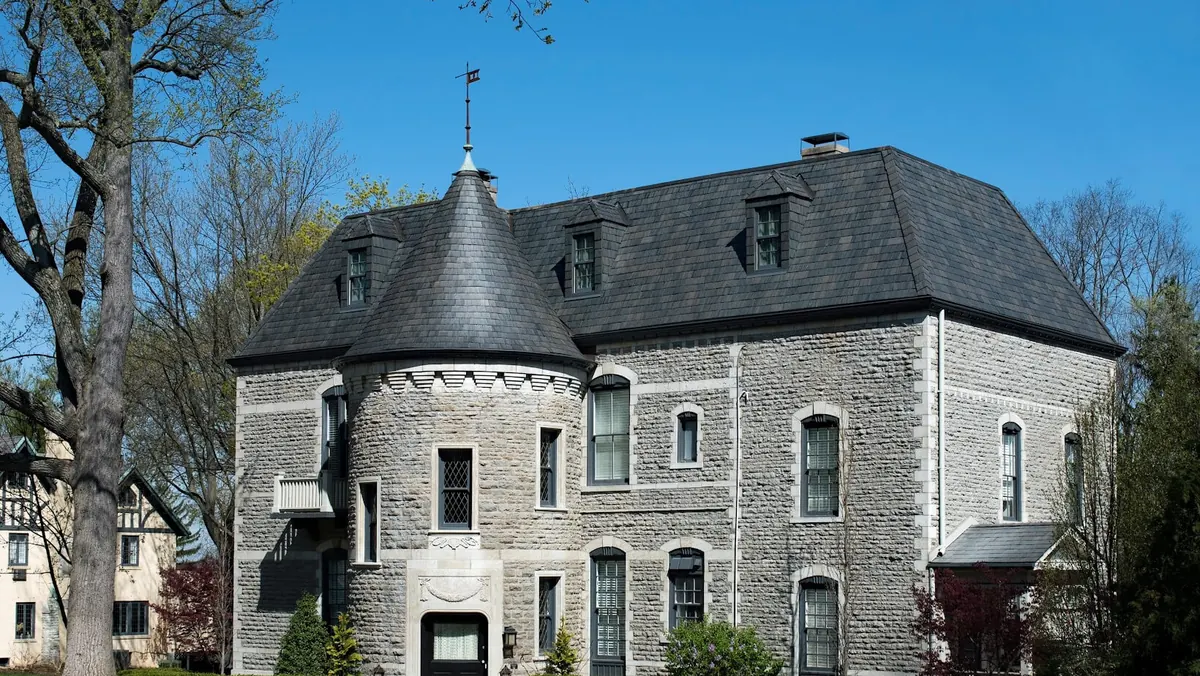
Stone tiles in gray, green, and purple tones, hung in courses. The longest-lived roof here, and the right match for Victorians and other historic homes.
Old Roofs, Careful Hands
Rochester's oldest homes wear slate, and a few wear clay tile or cedar shake. These roofs are built to outlast the house around them, and they need a roofer who knows how they are put together, how they fail, and how to fix them in pieces.
Slate and old homes
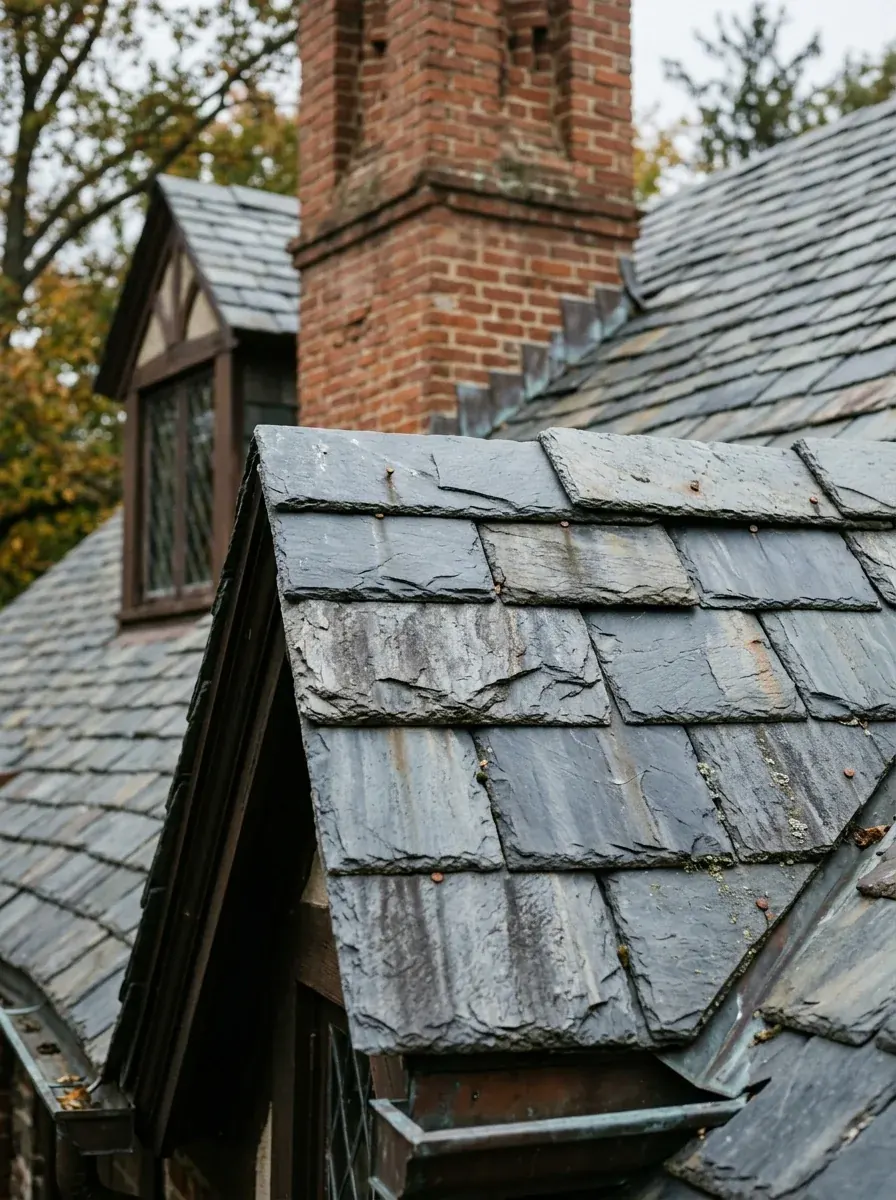
Slate is stone, cut thin and hung on the roof in overlapping courses. It does not burn, it does not rot, and it shrugs off snow and ice, which is why the Victorians on Park Avenue and in Corn Hill still wear the slate they were built with. A slate roof that is looked after can serve for generations, longer than any other roof on the street.
Slate fails in pieces, not all at once. A tile slips when its nail rusts through, a corner cracks after a hard frost, and a valley wears where the water runs hardest. Each failure is small, and each one is fixed in pieces, which is the whole point of a slate roof: you never replace the roof, you tend it, tile by tile.
That tending takes a roofer who knows slate. Slate is heavy, it is brittle underfoot, and it hangs on hooks and nails that differ from house to house. Walking a slate roof the way you walk a shingle roof cracks tiles, so the work runs from ladders and staging, with each tile handled on its own. A roof inspection in Rochester on a slate home looks at the nails and the flashing first, because those are what let go first.
Four specialty materials
Slate, clay tile, concrete tile, and cedar shake each bring a different look and a different kind of care.
Stone tiles in gray, green, and purple tones, hung in courses. The longest-lived roof here, and the right match for Victorians and other historic homes.
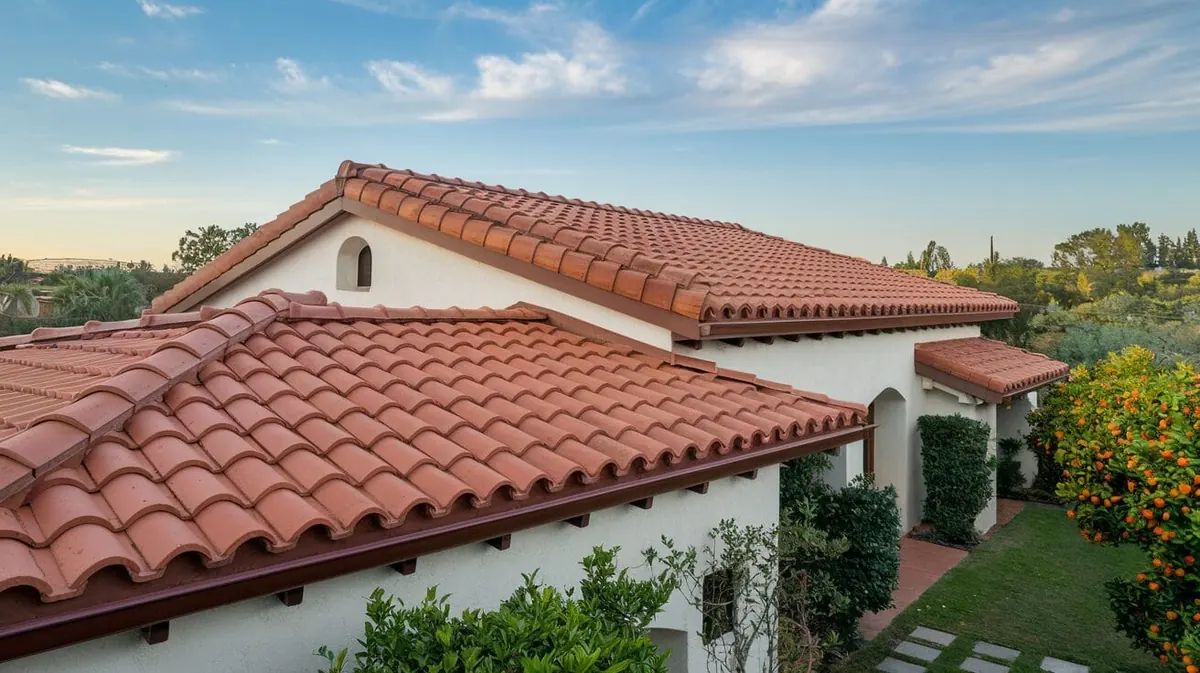
Fired clay in barrel or flat profiles, warm in color and heavy in hand. Rare in Rochester, and striking on the homes that carry it.
Cast tile that copies clay or slate at a lower weight and a steadier color. A practical choice when the look matters and the structure needs a lighter tile.
Split wood shakes with a rough, hand-cut look. Warm and natural on Craftsman homes, and the one specialty roof that needs regular care against damp.
Repairs in pieces
A slipped slate is the most common repair, and it is a small job when it is caught early. The tile has slid down its course because the nail holding it rusted through, and the fix is to lift the tiles above it, hook the slipped tile back in place, and set it with a copper nail that will not rust the same way.
Cracked tile is the second most common repair. A tile cracks when something hits it, a limb in a storm, or when frost works into a hairline flaw and opens it up. The cracked tile comes out, a matching tile goes in, and the courses around it stay where they are. Matching matters: a slate repair should be hard to spot from the street.
Valleys and flashing wear faster than the field of the roof, because they carry the most water. A slate valley with worn flashing leaks even when every tile is sound, so the flashing gets checked at every visit. Roof repair in Rochester on a slate or tile home starts with the valleys and the flashing, and only then moves to the tiles.
Side by side
Each specialty material asks something different of the house below it and the roofer above it.
| Material | Weight on the house | Look | Care it needs |
|---|---|---|---|
| Natural slate | Heavy, needs a sound frame | Gray stone, varied tones, historic | Tile-by-tile tending, flashing checks |
| Clay tile | Heaviest of the four | Warm red, barrel or flat | Cracked tile swaps, valley checks |
| Concrete tile | Heavy, lighter than clay | Steady color, copies clay or slate | Cracked tile swaps, moss watch |
| Cedar shake | Lightest of the four | Warm wood, rough texture | Regular cleaning, damp and moss watch |
Historic homes
Rochester's historic homes were built when roofs were made to be tended, not replaced. A Victorian slate roof has nails, hooks, flashing, and valleys that each tell a story about the house, and a roofer who reads those stories can keep the roof going for decades without a full tear-off. The work is slower, it is done in pieces, and it respects the roof that is already there.
The wrong move on a historic roof is to treat it like a shingle roof. Shingles come off in sheets, slate comes off tile by tile, and a crew that rushes the job cracks more tiles than it saves. Roof replacement in Rochester is the right call when the decking below has failed, but on a sound deck, a slate roof is repaired, not replaced, and the repair keeps the house looking like itself. Chimney work in Rochester often runs alongside slate repairs, since the chimney flashing is where historic roofs leak first.
People also ask
Short answers to the slate and tile questions that come up most.
It can always be repaired in pieces. A slipped tile gets hooked back in place, a cracked tile gets swapped for a matching one, and worn flashing gets renewed, all without touching the rest of the roof. A full replacement is only the answer when the decking below has failed or the nails have let go across the roof.
Slate is the longest-lived roof in the city, and a well-tended slate roof commonly serves for many decades, far longer than any shingle roof. What gives out first is usually the nails and the flashing, not the stone, and renewing those keeps the roof going while the tiles themselves stay sound.
A slate or tile roof deserves a roofer who knows it tile by tile. Call and talk about your roof.
Call (585) 868-0065Frequently asked questions
Slate is natural stone, cut thin and hung in courses, while tile is fired clay or cast concrete shaped into barrel or flat profiles. Slate is gray stone with varied tones and suits historic homes, and tile is warm in color and heavier. Both are specialty roofs that are repaired in pieces, tile by tile.
Most homes built for slate already carry it, and the frame was sized for the weight from the start. A home that never had slate needs a look at the frame before any slate goes on, since slate is the heaviest roof here. A roofer can check the rafters and the decking and say whether the frame is ready.
Usually, yes. Slate comes in a range of grays, greens, and purples, and a good match is found by tone and thickness rather than by brand. The repair should be hard to spot from the street, and a roofer who keeps salvaged slate on hand can match the older, weathered tones best.
Slate work is slower and more careful: each tile is handled on its own, the work runs from ladders and staging instead of walking the roof, and matching tiles takes time. The trade-off is that a slate repair lasts, and a roof that is tended tile by tile can serve for decades without a full replacement.
Yes, when the roof is built for it. Clay tile sheds snow fast on a steep pitch, and the fired clay stands up to frost when it is sound. The risk is a cracked tile letting water in, and a hairline crack can open up in a hard frost, so cracked tiles get swapped as soon as they are found.
Keep it clean and dry: clear debris from the valleys, watch for moss on shaded slopes, and keep tree limbs cut back so the shakes dry after rain. Cedar is the one specialty roof that needs regular care against damp, and a gentle clean in spring keeps the shakes sound for longer.
Keep going
Slate and tile work runs alongside other roof work. These pages cover the usual partners.
Roof repair in Rochester handles slipped slate, cracked tile, and worn flashing in pieces.
Learn more →Chimney work in Rochester renews the flashing where historic roofs leak first.
Learn more →A roof inspection in Rochester looks at the nails and flashing on a slate home first.
Learn more →A slate or tile roof with slipped pieces, or flashing that has worked loose? Call and tell us which tiles moved and what sits beneath them.
Call (585) 868-0065Weight, framing, and structure
Slate and tile are stone and clay on a wooden frame, and the frame has to be ready for them.
A slate roof weighs far more than a shingle roof, and the difference is the first thing a roofer reads. The Victorians around Park Avenue and Corn Hill that still wear their original slate were framed with that weight in mind, and their rafters and decking have carried it for generations. The weight sits on the frame every day, through snow load in winter and wind in spring, and a frame that was sized for slate carries it without complaint. A frame that was sized for shingles does not, and the roof sags a bit further with every season until the tiles start to slip.
Putting slate on a frame built for shingles begins with the rafters and the deck. The rafters are read for their size and their spacing, and the decking is read for rot and for soft spots, since a heavy roof on a soft deck will not hold its line. The answer may be a lighter tile instead of slate, and cast tile carries the look at a weight the frame handles more easily. Clay tile sits between the two, heavier than shingles and lighter than slate, and it suits a frame that was built stout but never carried stone.
The deck matters as much as the rafters. Slate hangs on nails and hooks set into the decking, and boards softened by a long leak will not hold a nail. The decking is checked board by board where the roof has leaked, and soft boards are swapped before any tile goes on. Underlayment goes down over the sound deck, and the courses of slate or tile hang over it in overlapping rows, so the weight is spread across the whole frame instead of resting on one weak spot.
Straight rafters with even spacing, firm decking underfoot, and no sag along the ridge line all say the frame can carry stone or clay. A home that has worn slate for generations already proved its frame, and the new work only has to match it.
A ridge that dips, decking that gives underfoot, and rafters that have been cut for past work all say the frame needs attention first. The framing is made sound before any tile goes on, since a heavy roof on a weak frame only gets heavier with snow.
Matching old stone and clay
A slate repair is only invisible when the new tile matches the old roof in tone, size, and thickness.
Tone is the first thing the eye reads. Slate weathers over the decades, and the grays, greens, and purples on an old roof have softened into tones that new quarry slate does not carry yet. The match is judged by tone rather than by name, and the roofer holds samples against the roof in daylight, looking for the piece that blends at a distance. Salvaged slate, taken from roofs that have come down, often matches best, since it has weathered the same years as the roof it joins.
Size and thickness come next, and they matter as much as tone. Old slate roofs were often laid in random widths, with wide tiles at the eave and narrower ones toward the ridge, and a repair that lays uniform tiles into a random-width roof stands out. Thickness matters too, since a tile that sits proud of the course above it catches the wind and the snow, and a tile that sits low leaves a gap the rain can reach. The replacement tile is measured against the tiles around it, and the course is re-laid so the new tile sits flush with its neighbors.
Clay and concrete tile match by profile and color lot. A barrel tile has a curve that must match the curve of the tiles beside it, and a flat tile has a shape that must sit in the same line. Color lots vary from one firing to the next, so tiles from the same lot are kept together on one slope, and tiles from mixed lots show as a patchwork. A roofer with salvaged slate and spare tile in stock has the best chance of finding a piece that blends with the older, weathered courses.
| Factor | Why it matters | How it is checked |
|---|---|---|
| Tone | Old stone has mellowed into tones that fresh quarry stock has not reached | Samples held against the roof in daylight, judged at a distance |
| Thickness | A tile that sits proud catches wind and snow, and one that sits low leaves a gap | Measured against the tiles around it before the course is re-laid |
| Size | Old roofs were laid in random widths, wide at the eave and narrow at the ridge | Matched to the width of the course it joins |
| Surface | Weathered surfaces carry a patina that new tile does not have | Salvaged tile is compared beside the old tile for texture and tone |
The long view
A specialty roof is tended, not replaced, and the tending runs on a rhythm measured in decades.
In the first years after slate or tile is laid, the tending is light. The nails and hooks settle into the decking, the flashing at the valleys and the chimney beds in, and the courses settle into place. The crew watches for tiles that slipped as the roof settled, flashing that shifted, and debris washed into the valleys during the first winters. The work is small, and the goal is to spot settling trouble while the roof is young.
After many winters, the fasteners and the flashing start to give out before the stone does. A slate nail rusts through after decades of damp, and the tile it held slips down its course. The flashing in the valleys wears fastest where the wash is heaviest, and a valley whose flashing has worn through leaks though every tile around it is sound. The tending in these years is renewal: new copper nails that hold up against rust far longer, fresh flashing at the valleys and the chimney, and matching tiles slipped into the courses that lost them. The roof keeps its stone, and the parts that hold the stone are renewed around it.
After decades, the roof is read as a whole. The decking below is checked for rot, the rafters are read for sag, and the courses are read for how many tiles have been swapped over the years. A roof tended piece by piece can keep going for decades with no full tear-off, and the decision to rebuild only comes when the boards below have failed or the fasteners have given way across whole sections of the roof. Chimney flashing is renewed alongside slate repairs more often than anywhere else, since the joints around a historic chimney are the first place these roofs let water in, and the chimney and the roof are tended together.
Cedar shake follows its own rhythm, and it is the single specialty roof that asks for steady care against damp. The shakes must dry between rains, so tree limbs are kept cut back and the valleys are kept clear of debris that holds water. Moss on a shaded slope is washed off gently in spring, and the ridge caps are checked each year, since they take the most weather. A shake roof that stays clean and dry keeps its shape for years, and a shake roof left damp rots from the edges in.
| Stage | What ages first | What the visit does |
|---|---|---|
| First years | Nails and hooks settling, flashing bedding in | Catches slipped tiles and shifted flashing while the roof is new |
| After many winters | Nails rusting through, flashing wearing at the valleys | Renews nails and flashing, and slips matching tiles into the courses |
| After decades | Decking below, rafters, and the count of swapped tiles | Reads the roof as a whole and plans the next decades of tending |
A slipped tile, a cracked course, or a historic roof that needs tending. Call or email and tell us about it.
Roofing Rochester, 75 S Clinton Ave Ste 510, Rochester, NY, (585) 868-0065