01
Solar shingles
Shingles that make power and shed water at once, laid in courses like a normal roof. The roof and the solar system are one thing, and from the street the roof reads as a roof, not as a panel field.
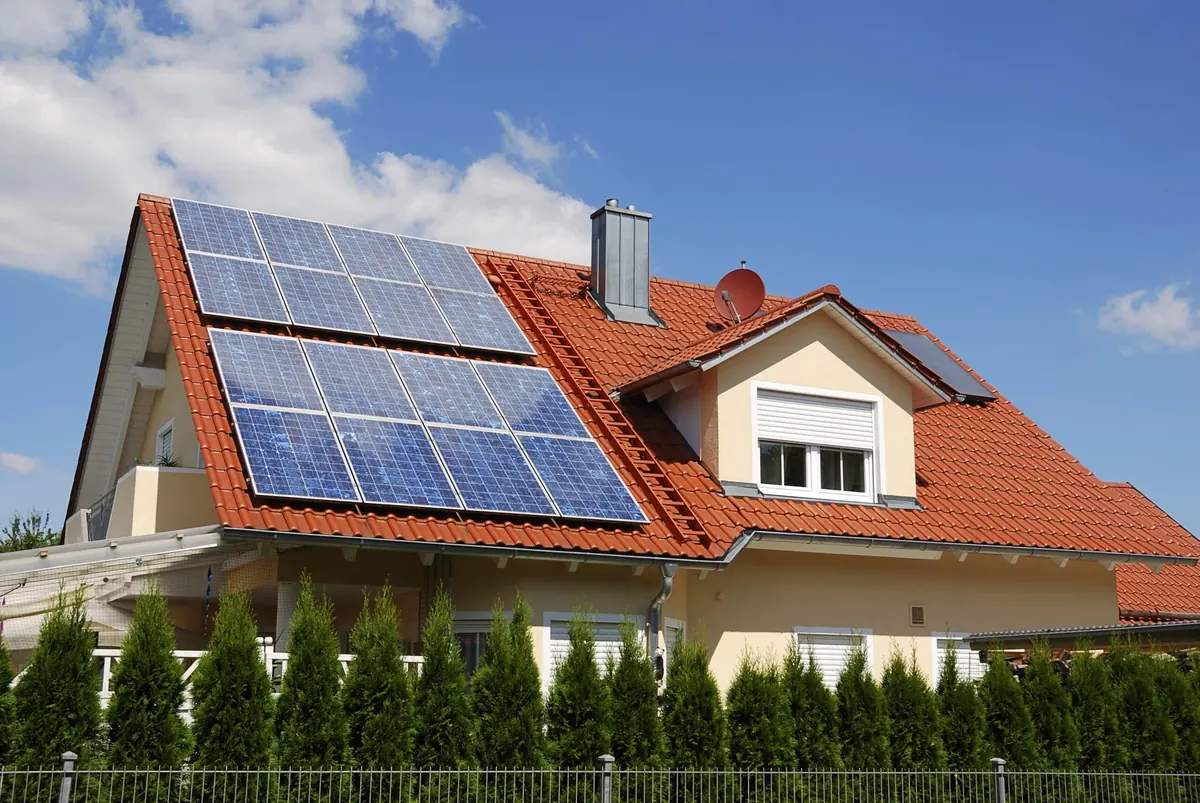
Panels on a Rochester roof
Rochester is famous for snow, not sun, and that is the first question every homeowner asks about solar. The honest answer is that solar works here: panels and solar shingles make power on cloudy days too, snow slides off a steep pitch, and a roof planned for solar lasts as long as the system on it.
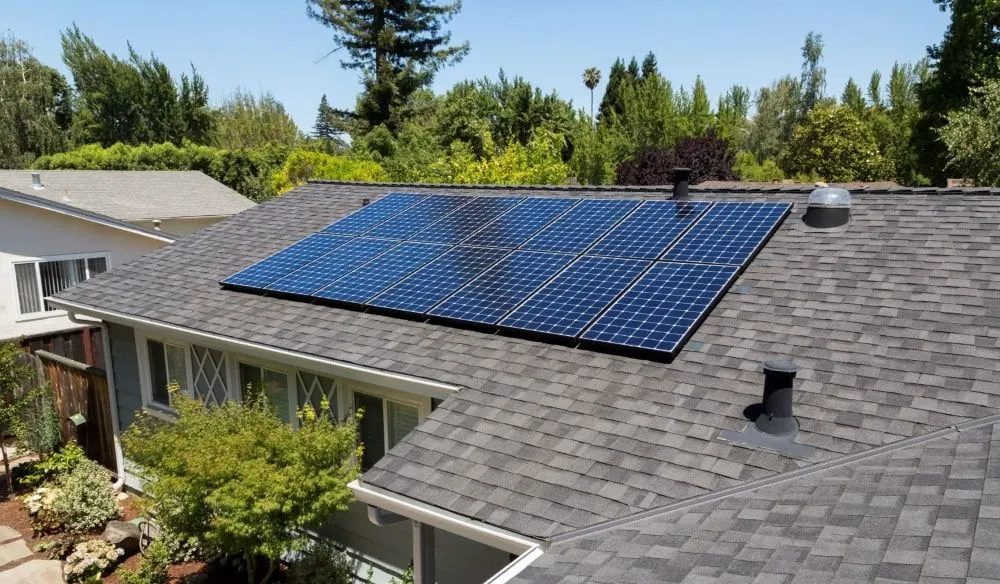
Solar in snow country
Solar panels and solar shingles make power from daylight, not from heat, and they keep working on cloudy days, making less power than in full sun but still making it. Rochester gets its share of gray days, and the long summer days balance the short winter ones, so the year, not the single day, is what matters for a solar roof. Homeowners still weighing whether solar makes sense up here can read the guide to solar roofing in Rochester, which walks through the case for and against solar in upstate New York.
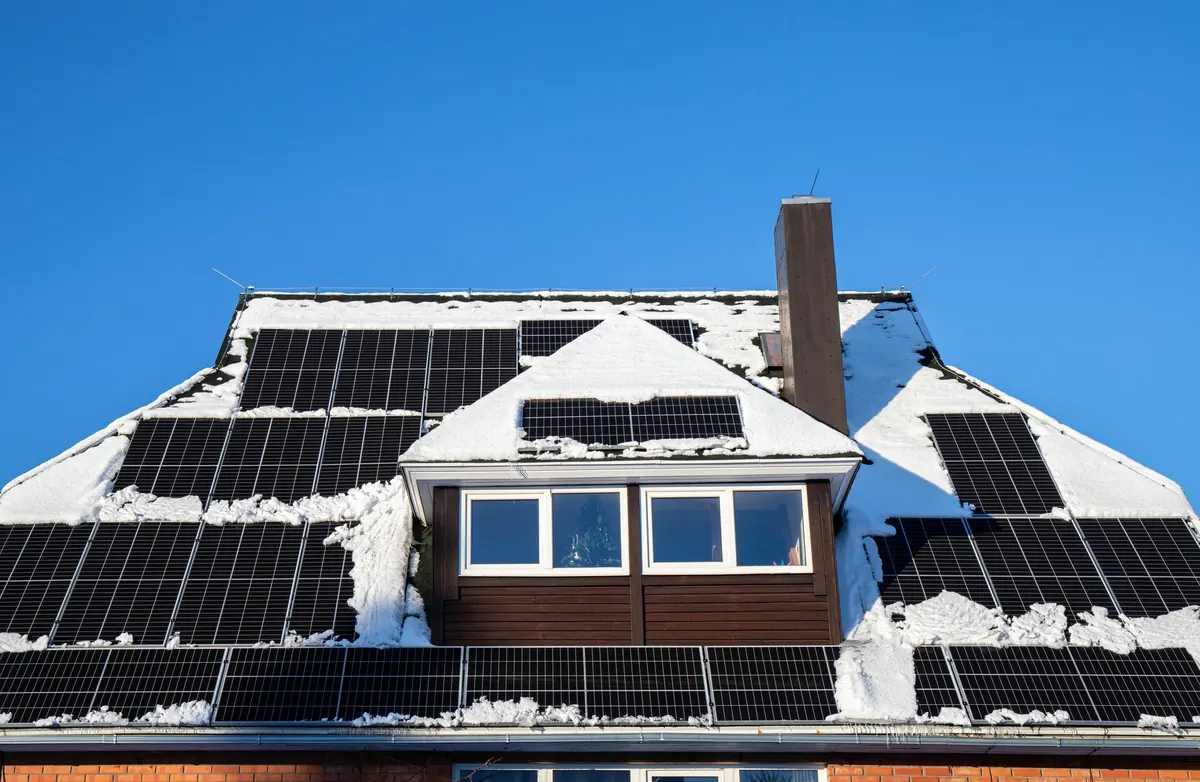
Snow is the part homeowners worry about most, and it is the part that worries us least. Snow slides off a steep, smooth panel faster than it slides off shingles, and a thin layer of snow on a panel melts quickly once the sun hits it, since the dark panel warms in the light. A south-facing slope sheds its snow first, and a low, flat roof holds its snow longest, which is why the pitch and the direction of the roof shape the plan. Metal panels shed snow the same way a metal roof in Rochester does, which is one reason the two are often planned together.
The roof comes first, every time. A solar system sits on the roof for decades, and putting it on a worn roof means taking it all off again when the roof fails. Roof replacement in Rochester is the step before solar when the roof is near its end, and New York State posts information on clean energy programs for homeowners for anyone who wants to read the background before deciding.
Three ways to go solar
Solar shingles, panels, or a solar-ready roof: each one fits a different home and a different moment.
01
Shingles that make power and shed water at once, laid in courses like a normal roof. The roof and the solar system are one thing, and from the street the roof reads as a roof, not as a panel field.
02
Flush-mount panels fixed to rails above the shingles, angled to catch the sun. The most common choice, the easiest to service, and the fastest to install on a sound roof.
03
A new roof built with solar in mind: the right pitch, the right direction, conduit run, and a strong deck, ready for panels or shingles whenever the homeowner is. The roof is done once, and the solar follows when the time is right.
Shingles or panels
Both make power from the same sun. The difference is in the roof itself.
| System | Look | Roof work | Service and care |
|---|---|---|---|
| Solar shingles | Reads as a roof, no raised panels | Full roof replacement, shingles and solar in one | Pieces swap like shingles, roof and solar together |
| Solar panels | Raised panels on rails above the roof | Panels mount on a sound existing roof | Panels lift off for roof work, easy to service |
| Solar-ready roof | A plain roof, ready for either | New roof built with solar in mind | Solar added later, without opening the roof |
Is your roof ready
Tap the roof you have, and see what it means for solar.
A new, south-facing roof is the best starting point for solar, and the system can go on as soon as the roof is set. The roof will outlast the system on it, and the two are planned together from the start.
An older roof needs renewing before solar goes on it, since the system sits there for decades and taking it off again to replace the roof is work nobody wants twice. A roof replacement first, then the solar, is the order that lasts.
Shade and direction cut output, and a north-facing slope makes far less power than a south-facing one. A site check measures the shade through the seasons and says plainly whether the roof is a good fit or whether the numbers will not add up.
A low-slope roof can carry panels on tilted racks that angle them toward the sun, and the racks are ballasted or fixed to the deck. The roof membrane has to be sound first, and the racks are planned so water still drains away without pooling.
Roof first, then solar
The order matters more than the hardware. A solar system sits on the roof for decades, and the roof under it has to last at least as long. Putting panels on a roof with ten winters left in it means taking the whole system off, replacing the roof, and putting the system back on, which is the most disruptive and wasteful way to do the job.
A roof-first plan runs the other way: the roof is renewed with solar in mind, the pitch and the direction are checked, the conduit is run, and the deck is made strong where the rails will fix. Then the solar goes on a fresh roof, and the two age together, with the roof outlasting the system and the system never having to come off for a roof repair.
The same roof-first rule applies to repairs. A leak under a panel is harder to find and fix than a leak on an open roof, so the flashing, the valleys, and the vents are all renewed before the panels go on. A roof inspection in Rochester before any solar work says plainly whether the roof is ready or whether it needs renewing first.
Through the year
Spring
The days lengthen fast, the snow leaves the panels, and output climbs through April and May. Spring rain washes the panels clean, and the roof gets its yearly check at the same time.
Summer
Long, bright days are the peak for solar, and the panels run at their best. Heat trims output a little on the hottest days, but the long daylight more than makes up for it.
Fall
The days shorten and the output eases, but the panels keep working through the fall. The gutters get cleared and the roof gets ready for winter, with the panels left clear of leaves.
Winter
Short days and snow cut output, but the panels still make power on bright winter days, and snow slides off a steep pitch fast. A roof rake never touches the panels, and the snow is left to slide and melt on its own.
How it runs
A solar roof runs in order, and the roof always comes first.
Step 1
A roofer looks at the roof, the pitch, the direction, and the shade through the seasons, and says plainly whether the roof is ready or needs renewing first.
Step 2
The layout is drawn on the roof: which slopes, how many shingles or panels, and where the wiring runs. The plan is agreed in writing before any work starts.
Step 3
When the roof needs it, the roof is renewed first, with solar in mind: strong decking, fresh flashing, and conduit run for the system to come.
Step 4
The shingles or panels go on, the wiring is run, and the inverter is set. The roof crew and the solar crew work in sequence, not on top of each other.
Step 5
The system is switched on, the output is checked against the plan, and the roof gets a final look to make sure every flashing and every course is sound.
People also ask
Short answers to the solar questions that come up most.
Yes. Solar panels and solar shingles make power from daylight, not from heat, and they keep working on cloudy days, making less power than in full sun but still making it. Rochester's long summer days balance the short winter ones, so the year, not the single day, is what matters for a solar roof.
Yes. Snow slides off a steep, smooth panel faster than it slides off shingles, and a thin layer melts quickly once the sun hits the dark panel. A south-facing slope sheds its snow first, and a low, flat roof holds its snow longest, which is why the pitch and direction shape the plan.
Yes, when the roof is near its end. A solar system sits on the roof for decades, and putting it on a worn roof means taking it all off again when the roof fails. A roof replacement first, then the solar, is the order that lasts, and the two are planned together from the start.
Solar shingles are shingles that make power and shed water at once, laid in courses like a normal roof. The roof and the solar system are one thing, and from the street the roof reads as a roof, not as a panel field. A damaged piece swaps like a shingle, and the system is serviced with the roof.
Thinking about solar on a Rochester roof? Call and start with the roof, not the panels.
Call (585) 868-0065Frequently asked questions
It depends on the roof, the direction, the shade, and the size of the system, so no single number fits every home. A south-facing slope with clear sun through the day makes the most, and a shaded or north-facing slope makes far less. A site check measures the shade through the seasons and gives a plain answer for your roof.
No. Panels make power from daylight, and they keep working on cloudy days, making less than in full sun but still making it. Direct sun matters most in the middle of the day, and a roof that catches the sun from late morning to mid-afternoon is a strong fit, even when the mornings and evenings are shaded.
They keep working. Short days and snow cut output, but the panels still make power on bright winter days, and snow slides off a steep pitch fast, since the dark panel warms in the sun. A roof rake never touches the panels, and the snow is left to slide and melt on its own.
Most pitched roofs can carry panels, and the pitch, the direction, and the shade decide how well they will do. Low-slope roofs use tilted racks, and the roof membrane has to be sound first. A roof that is worn, shaded all day, or facing north is often a poor fit, and a site check says so plainly.
Yes. Solar shingles are the roof: they shed water and make power at once, laid in courses like a normal shingle roof. The roof and the solar system are one thing, so the install is a full roof replacement, and a damaged piece swaps like a shingle, with the system serviced alongside the roof.
A solar roof is built to last for decades, with the roof and the system aging together. The panels and shingles are made to stand up to snow, wind, and hail, and the roof under them is renewed at the same time, so the two are never out of step. The work terms for the roof and the system are agreed in writing before the work starts.
No, when they are installed on a sound roof with the right flashing. The rails fix to the rafters through sealed mounts, and every penetration is flashed like a skylight or a vent. The risk comes from panels on a worn roof, where a leak under a panel is hard to find, which is why the roof is renewed first when it needs it.
Very little. Rain washes the panels through the year, and a visual check in spring looks for cracked glass, loose mounts, and debris caught under the panels. Snow is left to slide and melt on its own, and a roof rake never touches the panels. The inverter and the wiring are checked at the same time as the roof.
Keep going
Solar sits on the roof, so the roof comes first. These pages cover the roof underneath.
Roof replacement in Rochester is the step before solar when the roof is near its end.
Learn more →Metal roofing in Rochester sheds snow fast and pairs well with flush-mount panels.
Learn more →A roof inspection in Rochester says plainly whether your roof is ready for solar.
Learn more →Thinking about solar panels on a roof that still has years of winters ahead? Call and talk through whether the roof is ready before the panels go on.
Call (585) 868-0065Mounts and penetrations
Every panel on a roof sits on mounts that are bolted through the covering, and each bolt is a hole that has to be sealed for the life of the roof.
A mount starts with a lag bolt driven through the shingles and the deck and into a rafter, and the bolt carries a flashing plate that sits under the shingle above it and over the shingle below it. Sealant goes under the plate, the plate sheds water like a small shingle, and the rail that carries the panels bolts to the plate. The seal is only as good as the rafter the bolt bites into: a bolt that misses the rafter and bites only the deck will work loose as the roof moves with the seasons.
The number of mounts adds up fast. A typical array uses dozens of bolts, and each one is a penetration that has to stay sealed through freeze and thaw, through snow load, and through the expansion of the rails in summer heat. That is why the roof under the array matters so much: a roof near the end of its life will need its covering replaced while the panels are still in place, and the panels have to come off and go back on for that job. Roof replacement in Rochester before the panels go on avoids that second round of work.
Solar shingles avoid the bolt problem altogether, since they are the covering: they nail on like shingles and carry the wiring beneath them. The trade is that a damaged solar shingle is both a roof repair and an electrical repair, and the crew that fixes it needs to know both sides. A roof inspection in Rochester before any solar plan looks at the deck, the rafters, and the age of the covering, and it tells the homeowner whether the roof is ready to carry mounts.
A long bolt driven into a rafter carries the mount, and a bolt that misses the rafter works loose over time.
A metal plate under the shingle above sheds water over the bolt hole, the way a small shingle would.
Rails bolt to the plates and carry the panels, and their expansion in summer heat tugs gently at every mount.
Snow and panels
Panels change the way snow moves on a roof, and the drifts they leave behind shape where the next ice dam forms.
A panel is a smooth, dark surface, and snow slides off it faster than it slides off shingles. The snow that slides off the panel does not vanish: it lands on the shingles below the array, where it piles into a drift along the bottom edge of the panels. That drift sits on the roof longer than the snow on the open slopes, and it melts from below when the house heat reaches it, feeding an ice dam at the eave right under the array.
The gap between the panel and the roof makes a second pattern. Snow blows under the panels and packs into the space beneath them, and the packed snow holds damp against the shingles and the mounts all winter. The gap also shades the shingles beneath the array, so those shingles stay cold and wet longer in spring than the open roof around them. A panel layout that leaves a clear run of shingles below the array gives the sliding snow somewhere to land and melt without damming, and that run is part of the plan, not an afterthought.
| What happens | Where it shows | What to watch |
|---|---|---|
| Snow slides off the panels | Drift along the bottom edge of the array | A dam forming under the array |
| Snow packs under the panels | Damp shingles beneath the array | Moss and wear under the panels |
| Panels shade the shingles | Slow drying under the array in spring | Shingles that stay wet for weeks |
| Snow guards above the array | Held snow above the panels | A load that sits longer than usual |
The long view
A solar array outlives most roof coverings, so the roof plan has to assume the panels will come off at least once and go back on again.
The covering under an array ages in the shade, out of the sun and the rain, while the open roof around it ages in the open. When the open roof needs a new covering, the array has to come off, the covering gets replaced, and the array goes back on with new mounts and new flashing. The mounts from the first install leave holes in the old covering, and those holes go away with the old covering, so the second install starts clean.
The plan for that day starts on the first day. Keeping the panel layout simple, with straight rows and clear walkways between them, makes the removal faster and the re-install neater. Keeping the wiring runs mapped, with the cable paths noted in the house records, means the crew that comes back years later does not have to guess where the cables run. A metal roof in Rochester pairs well with this plan, since a standing-seam roof takes clamp-on mounts that grip the seam without a bolt through the covering, and the panels can come off without leaving holes at all.
The homeowner's part of the plan is the simplest: keep the records. The panel layout, the mount positions, the cable paths, and the age of the covering under the array all belong in one place, and that place is the house file. When the day comes to take the array off, the crew works from those records, and the job runs on knowledge instead of guesswork.
Solar shingles, panels, or a solar-ready roof, and whether your roof is ready. Call or email and tell us about your home.
Roofing Rochester, 75 S Clinton Ave Ste 510, Rochester, NY, (585) 868-0065