Call (585) 868-0065
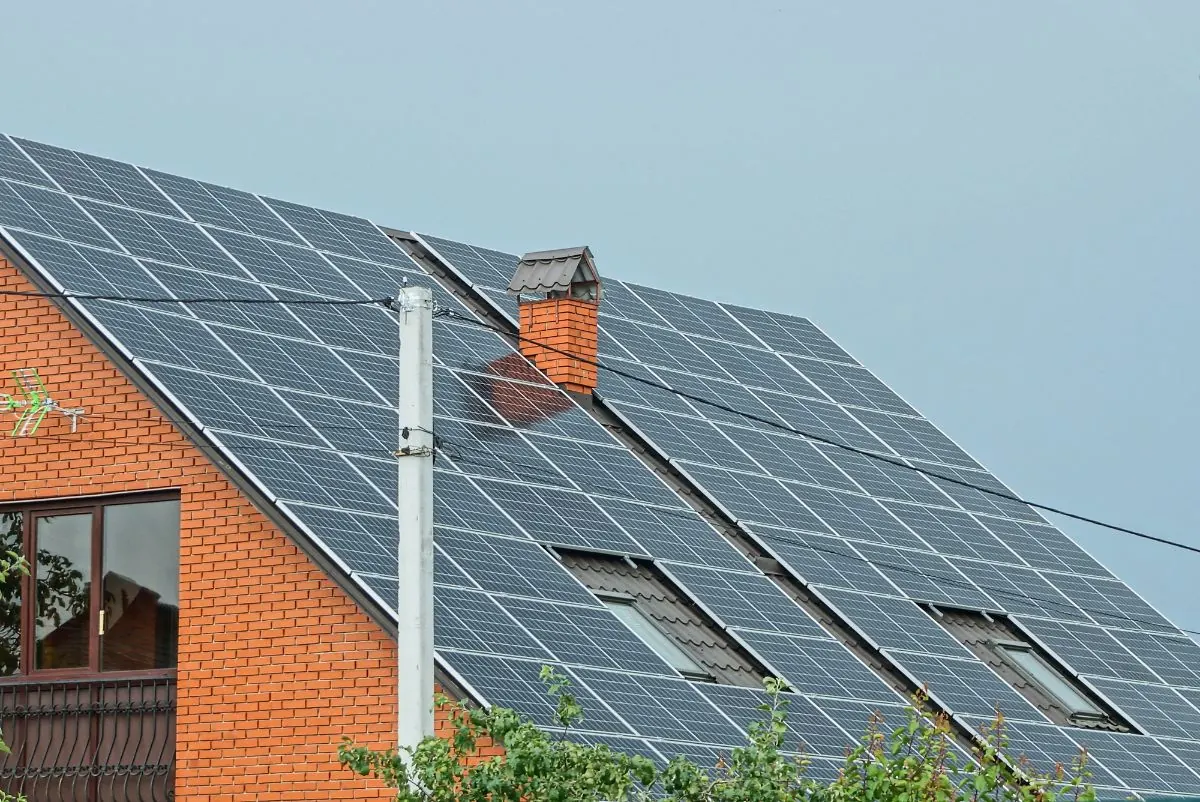
Solar panels installed on the roof of a house

Solar in Upstate New York

Solar roofing in Rochester: is it worth it in upstate New York?

Rochester gets about 102 inches of snow a season, and the first question about solar here is the honest one: does it work in a snowy, cloudy city? Yes, on the right roof.

Solar panels installed on the roof of a house
Solar panels on a Rochester roof face the same snow and cold as the shingles under them.

The Rochester question

Solar in a city with 102 inches of snow

Rochester gets about 102 inches of snow a season, and the first question about solar here is the honest one: does it work in a snowy, cloudy city? The answer is yes, with conditions. Solar panels make power from daylight, not from heat, and they work on cold, clear winter days. What they need is sun on the panel, and in Rochester that means a south-facing slope, a clear sky, and snow that slides off rather than sitting on the glass.

The snow is both a help and a hindrance. A panel covered in snow makes nothing until the snow clears, and a low winter sun means the days are short. But snow also reflects light onto the panels, and cold air makes panels run more efficiently than hot summer air does. The panels that do best here are the ones on a steep enough slope for snow to slide, with nothing shading them from the south.

The roof comes first, always. Solar panels sit on the roof for decades, and they should never go on a roof that is near the end of its life. A panel array laid over worn shingles means the panels have to come off when the roof is replaced, and that is a job no one wants twice. Read the roof first, replace it if it needs it, and then plan the solar. Our post on signs your Rochester roof needs replacing helps you read where your roof stands.
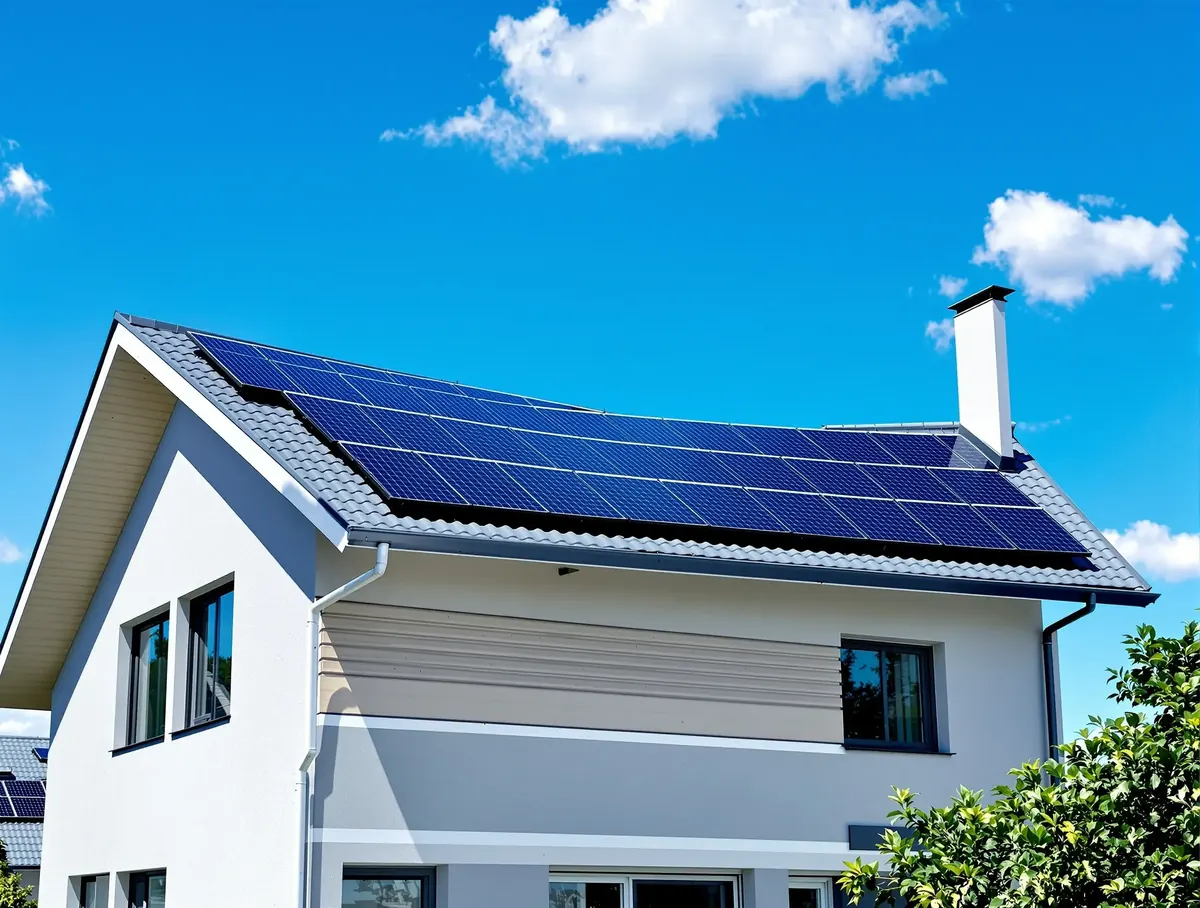
Two ways to put solar on a roof

Solar panels vs solar shingles in Rochester

Both make power from the roof, but they are very different roofs. The table reads them side by side.

Solar panels

  • Panels mounted on racks above the shingles
  • Proven for decades, with a long track record
  • Snow slides off the tilted glass
  • Easy to service or swap one panel
  • Best on a sound, mid-life roof

Solar shingles

  • Shingles that make power, and are the roof
  • Look like a normal roof from the street
  • Newer, with fewer local installers
  • Snow sits flatter, and clears more slowly
  • Best with a full roof replacement

The roof decides: panels fit a sound roof that has years left in it, while solar shingles fit a roof that is being replaced anyway. Either way, the roof under the solar must be sound first, since the solar sits there for decades.

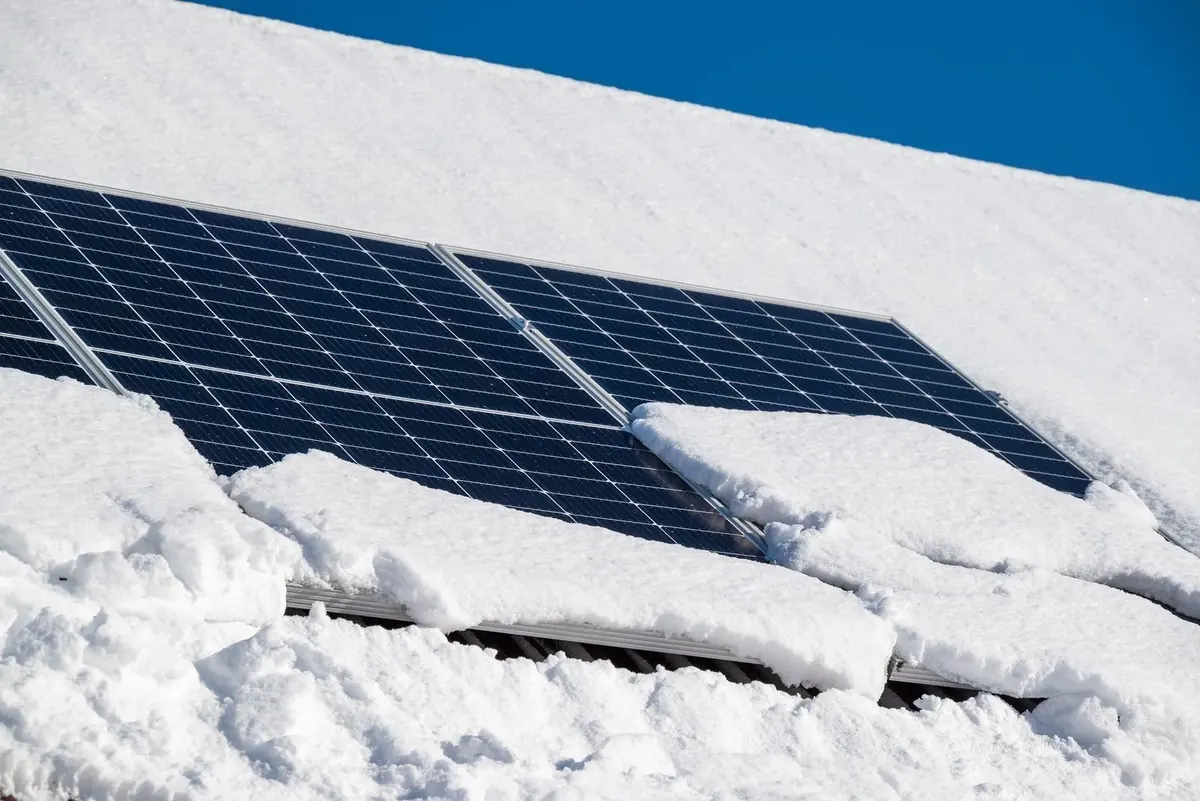
Solar panels on a house roof covered in light snow in winter
Snow slides off a tilted panel, and cold air helps panels run more efficiently than hot summer air.

Snow and shade

What snow, shade, and direction do to solar output

Direction is the first factor. A south-facing slope gets the most sun through the year, and it is the best place for panels in Rochester. A west-facing slope catches the afternoon sun and does well too, while a north-facing slope is a poor fit and rarely worth it. The roof's direction decides more than any other single factor whether solar makes sense for the house.

Shade is the second factor, and it hurts more than most owners expect. A single tree, a chimney, or a dormer casting shade across part of an array cuts the output of the whole string, not just the shaded panel. Walk the roofline through the day and watch what shades the south slope, in summer and in winter, when the sun sits lower and the shadows run longer.

Snow is the third factor, and it is the one Rochester owners ask about most. Light snow slides off a tilted panel, especially when the sun warms the glass, and the panel starts making power again. Heavy, wet snow can sit for days, and a flat or low slope holds it longest. A steeper tilt sheds snow faster, and panels mounted with a gap underneath let the snow slide clear. The National Weather Service Buffalo office posts snow and cloud outlooks for the Rochester area: National Weather Service Buffalo.

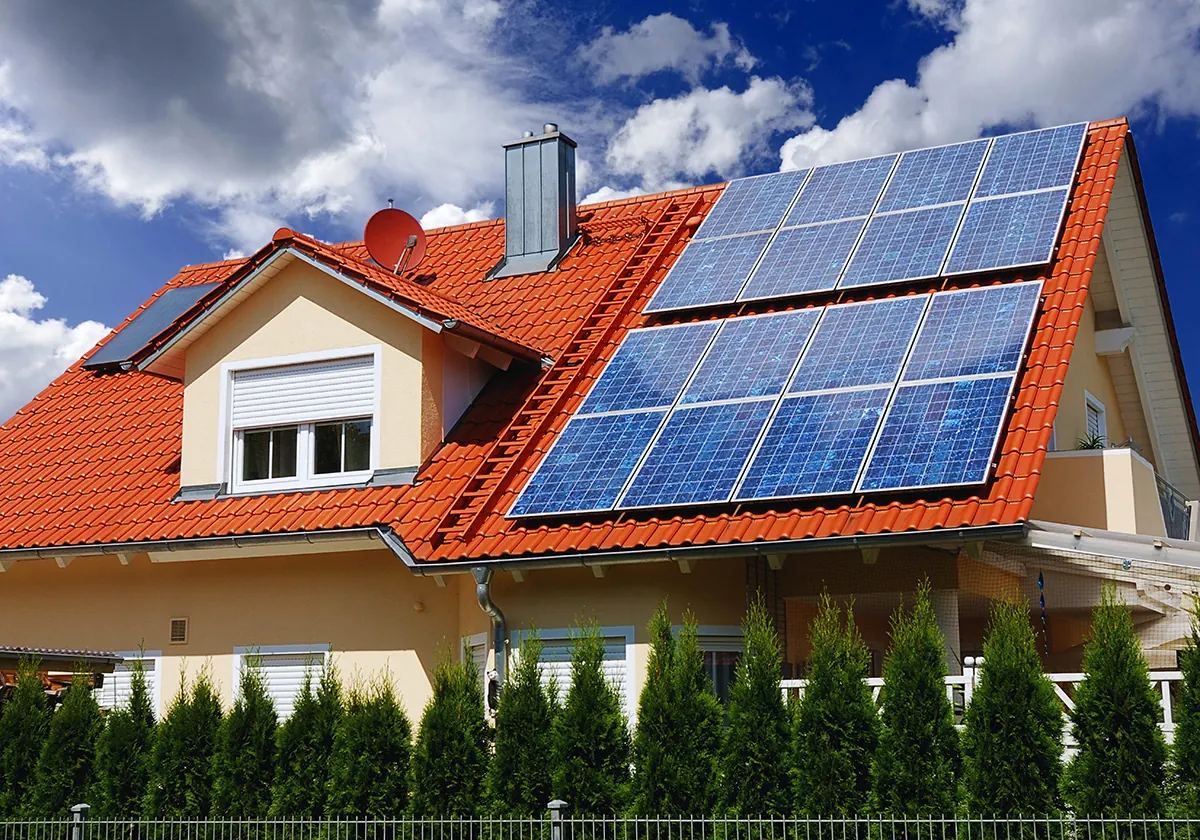
Solar panels on a house roof on a sunny day
A south-facing slope with no shade is the best place for solar in Rochester.

Before you sign

Read the roof, the direction, and the paper

Before any solar work starts, get the roof read. A roof inspection tells you whether the shingles, the deck, and the flashing have the years left that a solar array needs. If the roof is near the end of its life, replace it first, and plan the solar with the new roof, so the mounts go into sound decking and the flashing is new.

Then read the paper the way you would read any roofing paper: the written scope, the materials by name, the dates, the billing, and the workmanship terms, all in plain words. Our post on roof work terms, what Rochester homeowners should ask covers the questions to ask before any roof work starts, and they apply to solar just as they do to shingles.

Ask too about the mounts and the flashing. Every panel mount is a penetration through the roof, and each one needs flashing that sheds water for decades. A mount with poor flashing is a leak waiting for the next freeze and thaw. Solar roofing in Rochester covers the roof side of the job, from the deck read to the flashing at every mount.

Is it worth it

When solar makes sense in Rochester, and when it does not

Solar is worth it for some Rochester homes and not for others. The roof, the direction, and the shade decide.

When solar roofing makes sense in Rochester
FactorFavors solarWorks against solar
Roof directionSouth or west facing slopeNorth facing slope
Roof ageSound roof with years left, or a new roofRoof near the end of its life
ShadeClear south slope, no trees or chimneys shading itTrees, dormers, or chimneys shading the array
Roof pitchSteep enough for snow to slide offLow slope that holds snow for weeks
Roof conditionSound deck, new flashing at every mountSoft deck boards or old flashing

Scroll sideways to see the full table.

The honest answer

The honest answer on solar in Rochester

Solar works in Rochester, and it works well on the right roof. It does not work on every roof, and the honest answer starts with the roof itself.

A south-facing slope, a sound roof, no shade, and a pitch steep enough to shed snow: that is the house where solar makes sense, and where it will make power through the winter as well as the summer. A north-facing slope, a shaded roof, or a roof that needs replacing first: that is the house where solar should wait, until the roof is right.

If your house fits the first picture, the next step is a roof read and a solar read together, so the two are planned as one job. Solar roofing starts with the roof, and our post on metal roofing vs asphalt shingles in Rochester is worth a read too, since metal roofs and solar panels are a natural pair in this climate.

People also ask

What people ask next about solar roofing in Rochester

Short answers on snow, direction, shade, and whether solar is worth it in upstate New York.

Does solar work in Rochester, NY with all the snow?

Yes, on the right roof. Solar panels make power from daylight, not heat, and they work on cold, clear winter days. Snow slides off a tilted panel, and cold air helps panels run efficiently. The roof needs a south-facing slope, no shade, and a pitch steep enough for snow to slide off.

Do solar panels work in winter in upstate New York?

Yes, when the panels are clear. A panel covered in snow makes nothing until the snow clears, and the winter days are short. But snow reflects light onto the panels, and cold air makes them run more efficiently than hot summer air. A steep tilt and a clear south slope matter most.

Should I replace my roof before installing solar panels?

Yes, if the roof is near the end of its life. Solar panels sit on the roof for decades, and they should never go on a roof that will need replacing soon, since the panels have to come off for the roof work. Read the roof first, replace it if it needs it, then plan the solar.

Are solar shingles better than solar panels in Rochester?

They are different roofs. Solar shingles look like a normal roof and fit a full replacement, but they are newer, with fewer local installers, and snow sits flatter on them. Solar panels are proven for decades, shed snow better on a tilt, and are easier to service. The roof decides which fits.

Thinking about solar on your roof? Call and ask for a roof read first, before any solar work.

Call (585) 868-0065

Frequently asked questions

Before you decide: solar roofing answers

Rochester gets less sun than the southwestern states, but it gets enough for solar on a good roof. A south-facing slope with no shade makes solid power through the year, and the long summer days make up for the short winter ones. The roof's direction and shade matter more than the city's cloud cover.

Snow itself rarely damages a panel, and the glass is built to take the load. What snow does is cover the panel and stop it making power until it slides off. A steep tilt sheds snow faster, and panels mounted with a gap underneath let the snow slide clear rather than piling at the edge.

Ask what the written terms cover for the roof and the solar together, and who covers the mounts and the flashing, in writing. Every mount is a penetration through the roof, and the flashing at each one is what keeps water out for decades. Get the terms for both jobs on the same paper, before any work starts.

Yes, and metal roofs pair well with solar. Standing seam metal lets mounts clamp to the seams without new penetrations, and the metal sheds snow fast. The combination is a strong one in Rochester, where snow load and freeze and thaw test every roof.

Panels are built to take hail, and most come through a storm with no damage. A hard hailstorm can crack a panel, and the crack shows as a drop in output rather than a visible break. After a hailstorm, watch the output and get the array read if the numbers fall.

Yes, solar shingles are the roof, so they go on with a full replacement. They suit a roof that is being replaced anyway, and they look like a normal roof from the street. On a sound roof with years left, panels mounted above the shingles are the better fit.

Let it slide. A tilted panel sheds light snow on its own when the sun warms the glass, and the snow slides clear. Do not climb up to clear panels, and never use a metal shovel or a hard brush on the glass. If heavy snow sits for days, a roof rake from the ground can clear the lower edge.

Usually not. A north-facing slope gets the least sun through the year, and the output rarely justifies the work. A west-facing slope does better, catching the afternoon sun, and a south-facing slope is best. If the only slope is north-facing, solar is likely a poor fit for the house.

Keep reading

Read next: roofing materials, work terms, and roof life

Thinking about solar on your roof?

Call and ask for a roof read first. The roof decides whether solar makes sense, and we will read it plainly.