Williamson Hamlet Orchard town roofs
The town center on Route 104, where farmhouses and newer homes mix among the orchard rows.
Core of Apple Country
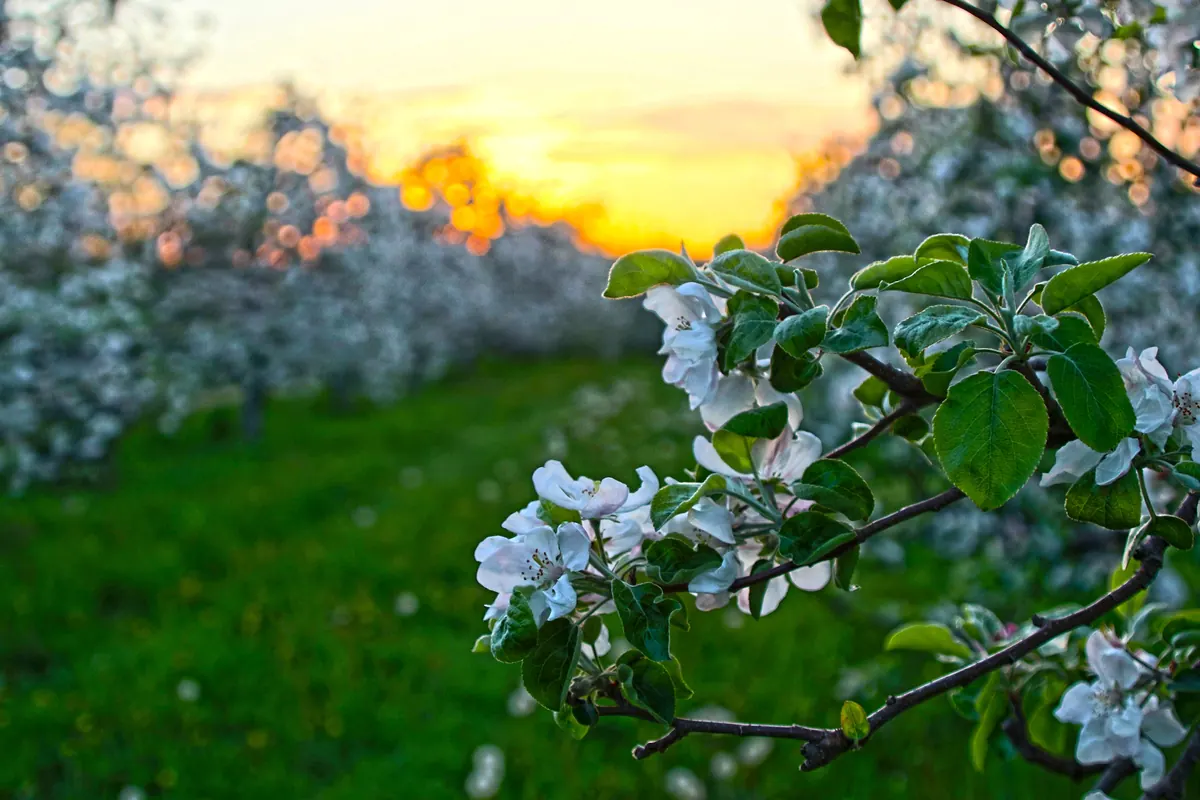
Williamson calls itself the core of apple country, and the town earns the name every May, when the Apple Blossom Festival fills Main Street and the orchard rows turn white with bloom. The town runs from the orchards and packing sheds inland to Pultneyville, the old lake port on the Lake Ontario shore, with East Williamson in between. Its roofs range from farmhouse slopes among the apple trees to cottages at the lake, and each one meets the same lake wind and snow.
Williamson, NY
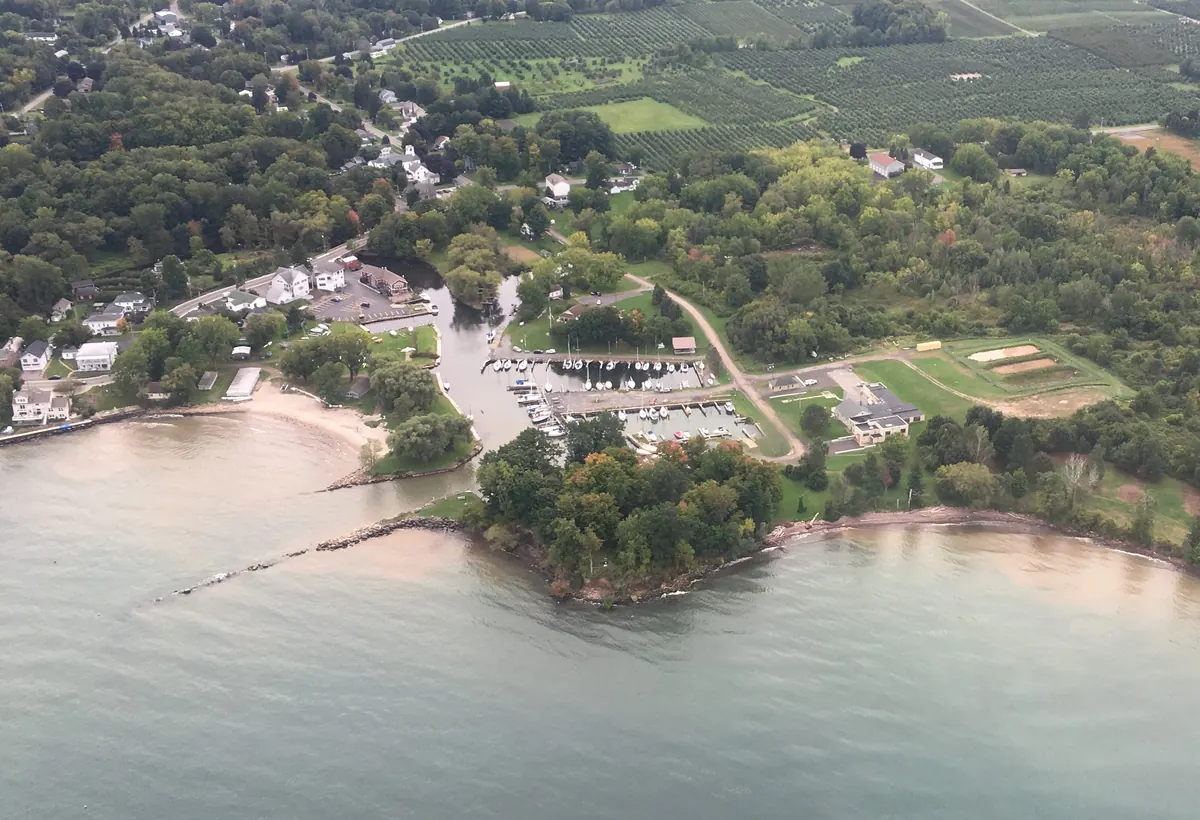
Williamson was established in 1802 and named for Charles Williamson, a land agent for the Pulteney estate, and its fruit-belt identity has held ever since. Apples, cherries, pears, cabbage, snap beans, corn, and potatoes all grow in the town, and the Apple Blossom Festival each May marks the season when the orchard rows turn white. Pultneyville, the hamlet on the lake shore, was once a busy lake port and a stop on the Underground Railroad, and its harbor still holds boats under the bluffs. The Cornwall Preserve, a 77-acre landscape on Lake Road in Pultneyville, keeps orchards, meadows, and wetlands side by side, and its trails run through the same ground where the first settlers planted apple trees in the early 1800s.
Three settings shape Williamson roofs, and each one ages its own way. Farmhouses among the orchard rows carry steep pitches and shaded north slopes. Homes in East Williamson, the hamlet on Route 104, carry the wider slopes of newer builds and older houses mixed together. Cottages at Pultneyville sit low near the water, with lake wind hitting them straight off the shore. A roof inspection here reads the house by its setting, because the orchard, the hamlet, and the harbor wear roofs at different speeds.
Hamlets and harbor
The town center on Route 104, where farmhouses and newer homes mix among the orchard rows.
The hamlet east on Route 104, where houses along the main road carry wide shingle slopes on open lots.
The old lake port on the shore, where cottages and older homes sit under the bluffs and take the lake wind.
Homes near the preserve on Lake Road, where orchards, meadows, and lake wind meet at the shoreline.
Farmhouses among the apple rows, steep pitches, barns close by, north slopes in orchard shade.
Route 104 runs through the town past older farmhouses and newer builds on open ground.
Spring in the orchards runs damp, so the shaded north slopes stay wet through the bloom. Moss takes root there first, working shingle edges up and keeping water against the roof. A shaded farmhouse slope deserves a closer look each spring than a sunny one.
Pultneyville cottages take the lake wind head-on, straight off the water. The windward slope gives first: tabs lift, ridge caps loosen, and metal fasteners ease out a little at a time. We walk the ridge after a hard blow and catch the damage before it grows. Harbor cottages face the water with no shelter, and metal roofing in Rochester explains why standing seam holds up on a shore slope where shingles lift.
Orchard leaves fill Williamson gutters each fall, and a clogged gutter sends water back under the shingles at the eave. A fall cleaning before the snow comes, and a spring check after it leaves, keep the water moving away from the roof.
Roof work
The driveway talk comes after the roof, not before. We climb up first and read the house by its setting: on farmhouses the shaded north slope and the chimney get the long look, since moss pries shingle edges up there and decades of freeze and thaw loosen the chimney joint. Pultneyville cottages get the closest look on the windward side and at the fasteners, and East Williamson homes get it in the valleys. We press the decking where damp has lingered and lift a few tabs to check what lies beneath.
In Williamson a repair is usually a modest job: several tabs, a stretch of flashing, a vent boot the cold cracked. Whole slopes worn through get stripped and re-laid in architectural shingles for a clean start.
Orchard rows, hamlet, and harbor
| Roof detail | Orchard farmhouse | East Williamson home | Pultneyville cottage |
|---|---|---|---|
| Pitch | Steep, often with dormers | Moderate, wide and simple | Low to moderate |
| First trouble spot | Moss on shaded slopes | Valley wear | Wind-lifted tabs |
| Snow load | Moderate, sheds off steep pitch | Moderate, melts from below | Heaviest, sits on low slopes |
| Outbuildings | Barns and sheds share the storms | Usually a small shed only | Rare, small sheds |
All winter, lake-effect bands run over Williamson, and Wayne County homeowners read the winter forecasts put out by the National Weather Service office in Buffalo, watching each band as it comes.
Coverage
We serve Williamson from the lake shore to the orchard roads inland, and the ZIP codes below show the ground we cover.
The 14589 ZIP covers Williamson, while East Williamson uses 14449, both in Wayne County.
Blossom season or snow season, the roof has to hold. Call and tell us where in Williamson the house stands.
Call (585) 868-0065FAQ
The festival runs each May, when the orchard rows turn white with bloom. It matters for roofs because spring is the best season for a roof check in Williamson: the snow has left, the gutters can be seen clearly, and the shaded slopes show the moss that grew over the winter.
Each setting wears a roof its own way, so no two jobs run alike. Cottages at the harbor sit low near the water, with lake wind hitting them straight off the shore and deep snow sitting on low slopes. Farmhouses among the orchard rows face moss on shaded north slopes and chimney flashing loosened across decades.
Orchard trees shade the north slopes through much of the day, and shaded shingles stay wet through spring and fall. Moss thrives in that damp, beginning as a green film, then lifting shingle edges and holding more water against the roof. A shaded farmhouse slope goes green with moss sooner than a sunny slope on open ground. Soft cleaning and trimming the nearest branches back keep it down.
Valley wear and wind-lifted tabs, because East Williamson homes sit on open lots along Route 104 with wide, moderate slopes. Water concentrates in the valleys, and wind gets under the tabs on the windward side. A spring inspection starts at the valleys and works along the ridge, and most East Williamson leaks trace back to one of those two spots.
Yes. A Williamson farmhouse often has a barn or a shed standing beside it, and that roof faces the same wind, snow, and ice. Barn roofs usually wear metal panels, and the fasteners and ridge flashing wear out first. We walk the barn roof during the same visit as the house, and we sort the findings the same way: what wants doing now, and what can wait for next season.
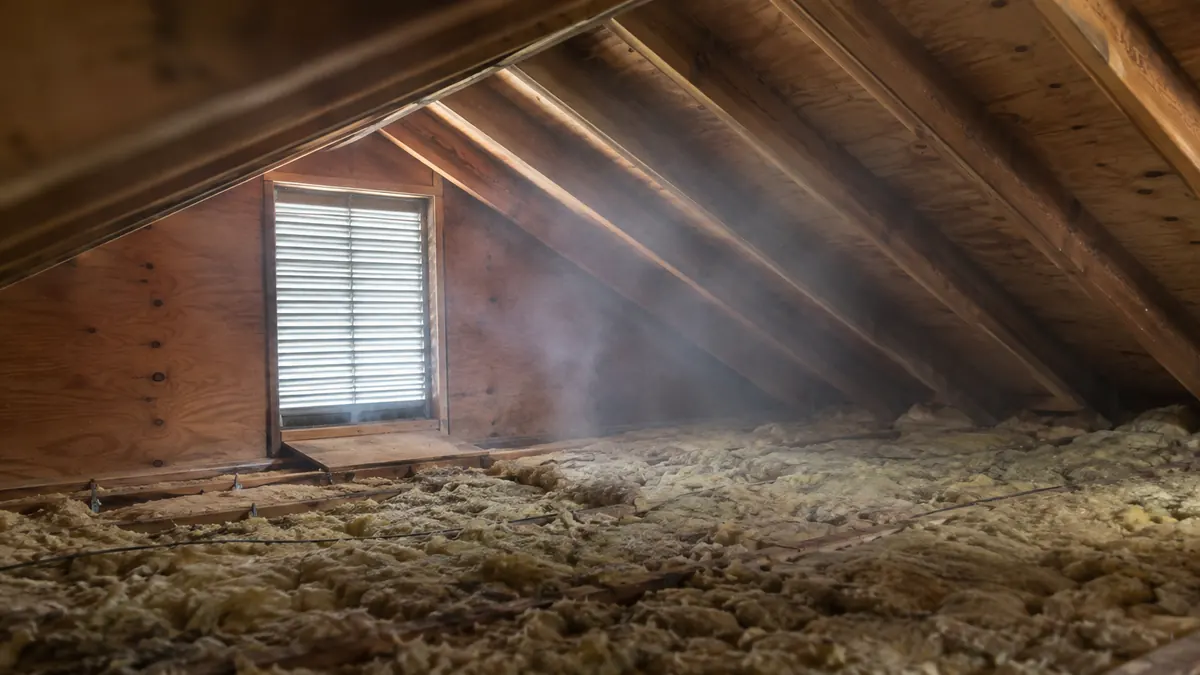
Ceiling stains by the outside walls, paint peeling at the eaves, and icicles hanging in heavy sheets instead of thin spikes. A dam forms when attic warmth melts snow from underneath, the water runs to the cold eave and freezes, then backs up beneath the shingles. A roof walk finds the entry point and the vent gap that lets the warmth through.
Services
We read the roof by its setting, orchard, hamlet, or harbor, checking slopes, ridge, flashing, and decking as we go.
Learn more →Harbor tabs lift in the lake wind, orchard edges lift under the moss, and the chimney flashing works loose over time.
Learn more →For a Williamson roof worn across whole slopes, we take everything off and lay fresh architectural shingles over new eave shield.
Learn more →Guards keep orchard leaves out of Williamson gutters, so fall water flows off the roof instead of backing up.
Learn more →Orchard blossom or Pultneyville lake wind, leave a note with the road and the slope that takes the weather first.
Nearby towns
Williamson roof work often reaches into the next town: Ontario lies west along the lake shore, and Sodus sits east past the bay.
Harbor, packing sheds, and orchard rows
Williamson roofs divide between the harbor light at Pultneyville, the packing sheds along Route 104, and the orchard farmhouses inland, and each setting wears its roof at a different pace.
Pultneyville sits under the bluffs at the end of Lake Road, where the harbor holds boats and the cottages sit low near the water. A cottage roof there faces the lake with no shelter, and the wind off the water lifts the tabs on the windward side while the damp air off the harbor keeps the shaded slopes wet into late spring. The cottages are older and smaller than the farmhouses inland, and their low slopes hold snow longer after a lake band passes, so a Pultneyville roof carries its winter load for days while an inland roof has already shed it.
Along Route 104, the packing sheds and farm buildings stand beside the farmhouses, and their roofs tell a different story. A packing shed roof is wide and low, often metal, and its fasteners work loose a little with every season of wind and snow. When a shed roof starts to leak, the water runs onto stored crates and equipment before anyone notices, because nobody climbs a shed roof to look. A shed check belongs on the same visit as the house roof, with the ridge flashing and the fasteners at the top of the list.
The Cornwall Preserve on Lake Road keeps orchards, meadows, and wetlands side by side, and the homes near it sit where three kinds of ground meet. Their roofs catch orchard shade on one side, meadow wind on the other, and damp air off the wetlands below. That mix grows moss on the shaded slope while the windward slope dries fast, so one roof can show two different kinds of wear at the same time. A walk that reads both faces separately, instead of judging the roof by its sunny side alone, catches the moss before it lifts the shingle edges.
East Williamson, the hamlet east on Route 104, holds houses on open lots where the road runs straight and the wind follows it. Those homes carry wide, moderate slopes with valleys where two roof sections meet, and water concentrates in those valleys during a hard rain. A valley that has lost its granules shows as a dark line from the ground, and it deserves a closer look from above, because valley shingles wear through long before the field shingles around them do.
Outbuildings and house roofs
A Williamson farmstead often holds three roofs at once, and the barn and the shed age on a different clock from the house beside them.
A barn roof in Williamson wants the same attention as the house roof, because a barn that leaks rots its beams from the top down, and the rot shows only when the damage has spread. A metal roof check in Williamson looks at the fasteners and the ridge on barn and shed roofs, and a roof repair visit in Williamson can cover the house, the barn, and the shed in one trip around the farmstead.
Blossom to first snow
The Williamson roof year follows the orchard year, because blossom damp, harvest leaves, and first snow each test a different part of the roof.
May brings the Apple Blossom Festival and the damp that follows the bloom. Orchard air stays moist through the blossom weeks, and the shaded slopes hold that moisture against the shingles. Moss that started as a green film in April thickens through May, and a soft wash in late spring clears it while the growth is still shallow. Waiting until summer lets the moss root deeper, and the shingle edges it lifts stay lifted through the next winter.
Harvest brings leaves and fruit drop, and the gutters on a Williamson farmhouse fill fast in September and October. Orchard leaves mat together when wet, and a matted gutter sends rain back under the shingles at the eave instead of down the spout. A fall gutter clearing before the first snow matters here more than on a bare lot, because the trees keep dropping leaves until the cold finally strips them. Gutter guards in Williamson keep the leaves out while the rain still runs through, and they spare the farmhouse gutters the worst of the harvest fill.
First snow arrives with the lake bands, and a Williamson roof meets it with whatever the year has left behind. Tabs lifted by summer storms, valleys worn thin by harvest rain, and moss holding damp on the north slope all meet the snow at once. A late fall walk that reads the ridge, the valleys, and the shaded slope together shows what the snow will press on all winter, and a roof inspection in Williamson before the bands settle in gives the house its best run at a quiet winter.
Blossom in May and lake wind in January ask two different things of a Williamson roof, and a Pultneyville cottage answers them differently from an orchard farmhouse. Phone or email, either one reaches us: say whether yours stands at Pultneyville, in East Williamson, or out among the orchards, and what you have noticed this season.