Sodus Point Lakefront cottage roofs
The peninsula village, where cottages and year-round homes sit steps from the water and take the full lake wind.
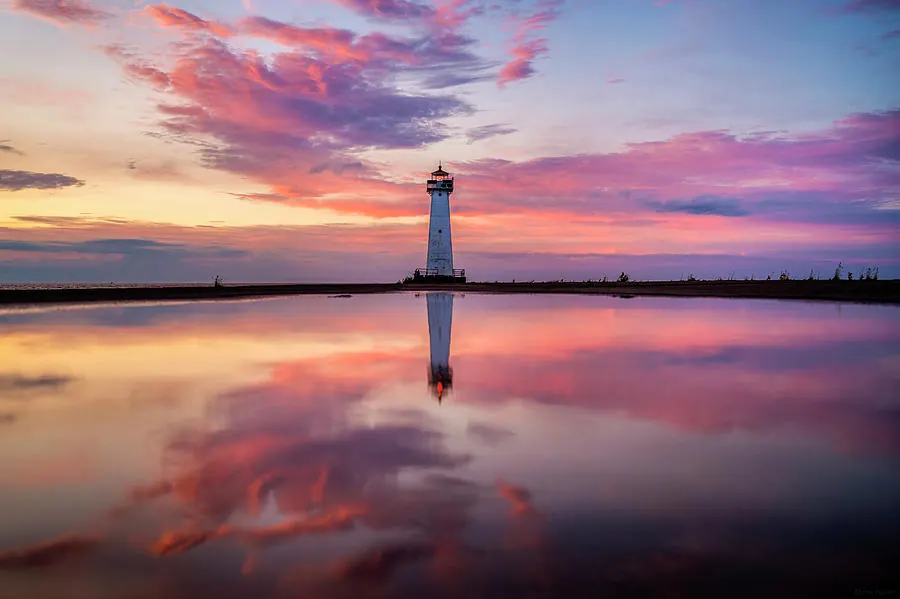
Sodus Bay and Lake Ontario
Sodus and Sodus Point share one bay, one lighthouse, and one kind of weather. Sodus Point sits on the peninsula where Sodus Bay meets Lake Ontario, with cottages, marinas, and the 1871 lighthouse. Sodus village sits a few miles south, inland among orchards and cobblestone houses. Together they make one lakefront place, and their roofs all face the same wind off the water.
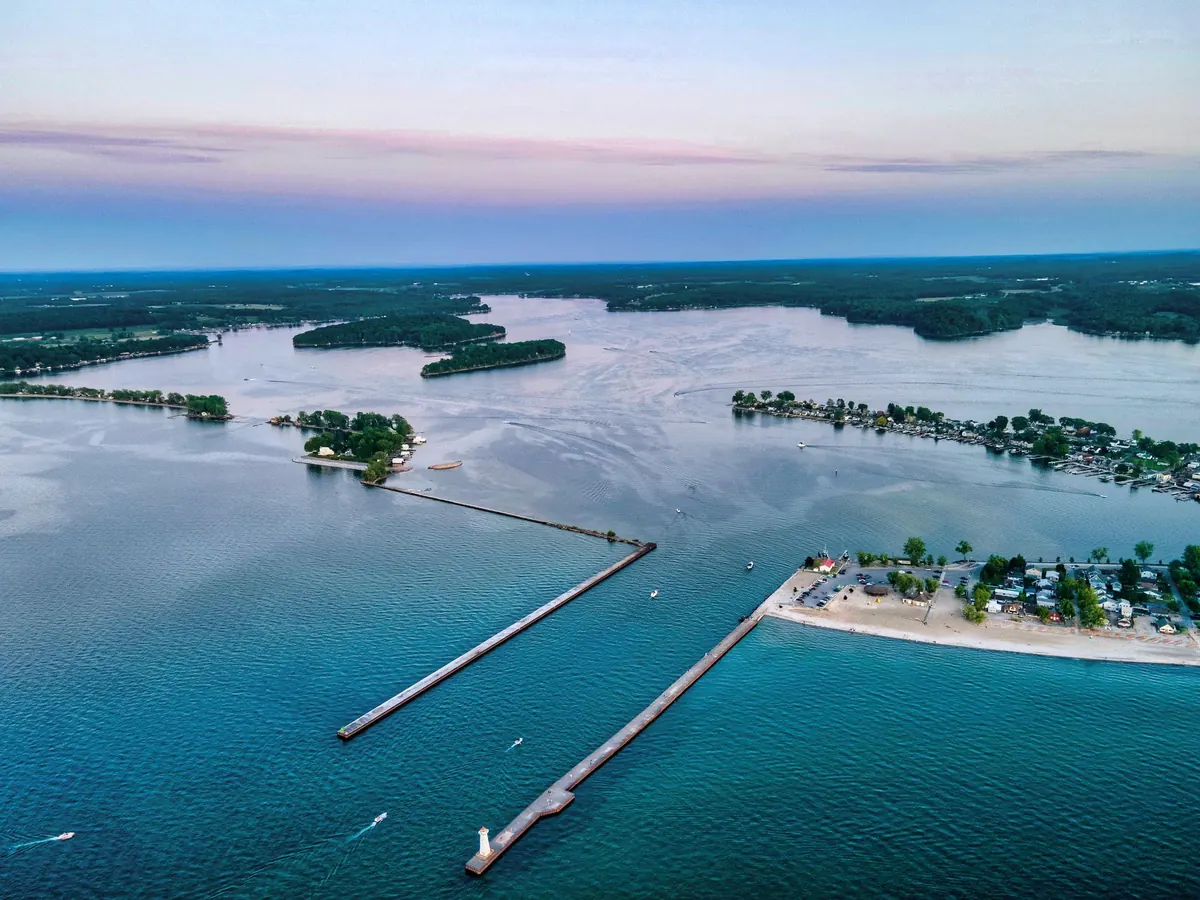
Sodus and Sodus Point, NY
Sodus Bay is the largest natural harbor on Lake Ontario, 4.4 miles long and 2.4 miles wide, and the village of Sodus Point sits on the narrow peninsula where the bay meets the open lake. The Sodus Point Lighthouse, built of limestone in 1871 to replace an 1825 tower, still stands on the bluff above the water, and its keeper's house now holds a museum. The bay drew settlers in 1794, and by the late 1800s it had become a summer place for Rochester and Syracuse families, with cottages lining the shore and boats filling the marinas. Sandy Beach Park sits on the lake side of the peninsula, and from its long pier the Chimney Bluffs show three miles to the east.
Sodus village, a few miles south on Route 104, is the inland half of the same place: a farming and orchard village with cobblestone houses, fruit trees, and quiet streets. The two halves roof very differently. Cottages at the Point sit low and close to the water, with metal and shingle roofs that take the full lake wind. Village houses sit on higher, sheltered ground, with older shingles and farmhouse slopes. A roof inspection at the Point starts with the windward side and the fasteners, while a village inspection starts with age and wear.
Where people live
The peninsula village, where cottages and year-round homes sit steps from the water and take the full lake wind.
The town center on Route 104, with older homes, cobblestone houses, and quiet streets set back from the lake.
The bay shore hamlet at the head of Sodus Bay, where homes look over the water and winter storms roll straight in.
The southern hamlet among orchards and farmland, where farmhouses and newer homes sit on open ground.
The cottage rows around the bay, many closed through winter, where a spring check catches what the cold months did.
Lake Road runs between the Point and the bay, with lake views on one side and orchard rows on the other.
Lake weather
A Sodus Point roof faces Lake Ontario with nothing in between. Wind crosses the water and strikes the lakefront slopes at full strength, lifting tabs on the windward side and working at the ridge caps. Metal panels hold well here when their fasteners stay tight, and shingle roofs want their tabs checked after every big blow.
The first snow bands off the lake drop hardest near the shore, so Sodus Point roofs carry deep snow while inland roofs carry less. The snow rests, melts, refreezes, and hunts out weak seams at the eaves. Ice dams form fast on low cottage slopes where attic heat leaks through thin insulation.
Lake air stays damp, and damp feeds moss and algae on shaded cottage slopes. Metal flashing and fasteners face more corrosion near the water than they do inland, so a lakefront roof needs its metal checked more often. A spring wash of the shaded slopes keeps growth from lifting shingle edges.
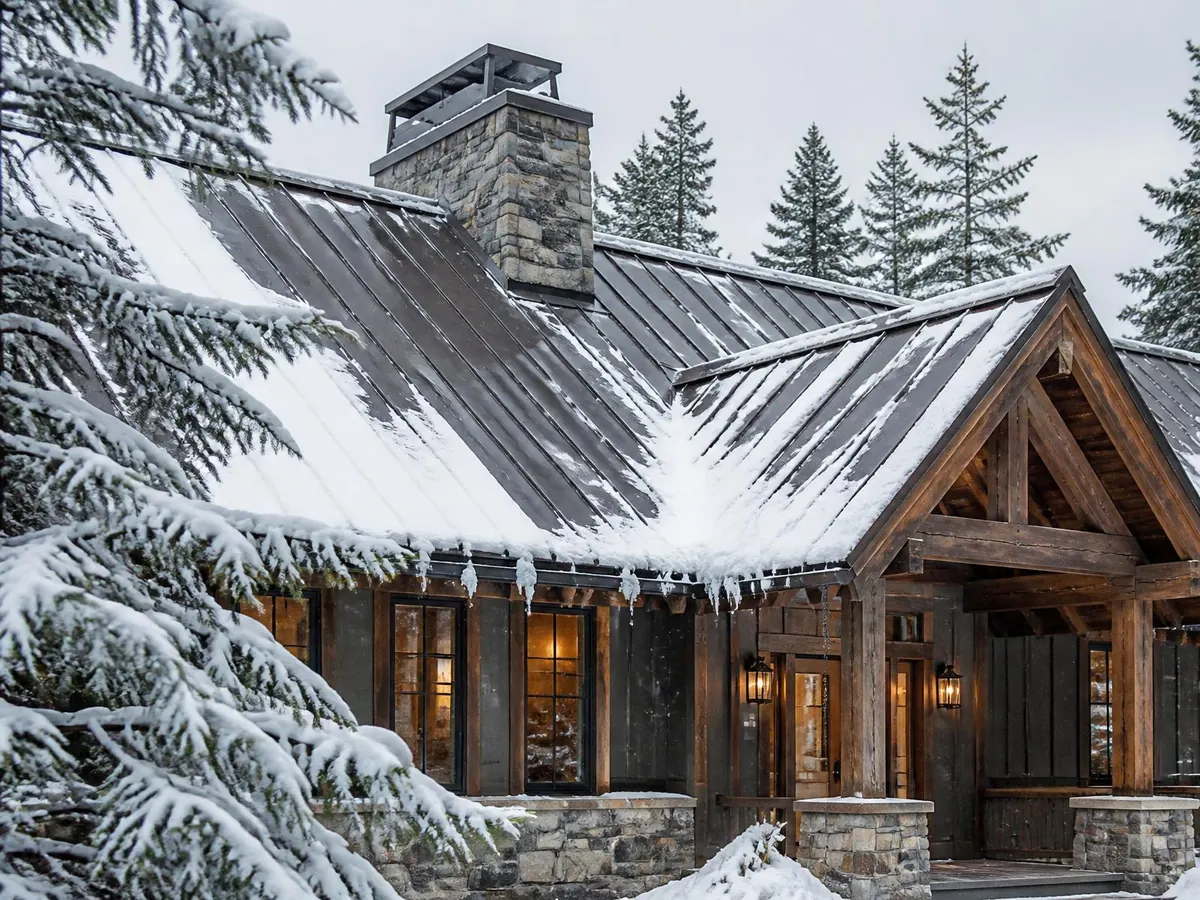
Cottages and village houses
A cottage at the Point is often a low, simple roof with a shallow pitch, and that shape holds snow instead of shedding it. Many cottages sit closed through the winter, so nobody is there to see the snow load grow or the ice dam form at the eave. A spring opening check matters more for a cottage than for any other roof in Wayne County: we look for lifted tabs, soft decking at the eaves, and flashing that lake wind has worked loose.
Sodus village houses tend to be older, taller, and steeper than the cottages, with brick chimneys and roofs patched across decades. Their weak points are chimney flashing and valleys, and their attics often carry the uneven insulation that feeds ice dams. Many lakefront cottages do well with a metal roof, which sheds snow and stands up to wind, while most village houses suit a roof replacement in architectural shingles. Whichever it is, we start by walking the roof itself, not by guessing from the road.
Two halves of one place
| Roof detail | Sodus Point cottage | Sodus village house |
|---|---|---|
| Pitch | Low to moderate, simple shape | Steep, often with dormers |
| Common covering | Metal or architectural shingles | Older shingles, some slate |
| First trouble spot | Windward tabs and fasteners | Chimney flashing and valleys |
| Snow behavior | Deep snow, sits on low slopes | Sheds faster off steep pitches |
| Winter use | Often closed, needs spring check | Lived in year-round |
The National Weather Service office in Buffalo posts lake-effect snow forecasts for the Lake Ontario shore, and its marine forecasts cover the wind that hits the Point.
Coverage
Our Sodus ground runs from the village to Sodus Point on the bay, and the ZIP codes below mark where we work.
Sodus village carries the 14551 ZIP, and Sodus Point on the bay carries 14555, both in Wayne County.
Lake wind lifting shingles at the Point, or snow sitting heavy in the village? Call and tell us which side of the bay the house sits on.
Call (585) 868-0065FAQ
In spring, when the cottage opens, and again in fall before it closes. A spring check finds what winter did while nobody was there: lifted tabs, soft decking at the eaves, and flashing the lake wind worked loose. A fall check makes sure the roof is ready to sit under snow for months with no one watching it.
Yes, more than anywhere else in Wayne County. Wind travels across open water unslowed, then strikes the lakefront slopes at full force. It pries tabs up on the windward side, works the ridge caps loose, and backs metal fasteners out a little at a time. After a big blow, a walk on the windward slope finds the lifted tabs while the fix stays small.
It is one of the best choices for the lakefront. Metal sheds snow instead of holding it, it stands up to wind when the fasteners are tight, and it handles the damp lake air well. The key is the installation: tight fasteners, sound flashing at the eaves and the ridge, and a deck that is solid underneath.
Low slopes hold snow instead of shedding it, and cottage attics often have thin or uneven insulation. Heat leaking through the attic melts the snow from below, the meltwater runs to the cold eave and refreezes, and the dam grows with each melt and freeze.
Chimney flashing and valley wear, because village houses are older and taller, with more brick chimneys and more valleys than the cottages. Decades of freezing and thawing loosen the flashing where brick meets roof, while water gathers in the valleys. A spring check begins at the chimney and runs down the valleys, and most village leaks trace to one of those two places.
Yes, and spring is the right time for it. We open the cottage roof check with the spring opening, when the snow has left and the slopes can be walked safely. Small repairs, a handful of tabs, a stretch of flashing, a vent boot, go in fast once the roof is dry.
Lakefront cottages often need sturdier hangers, because sliding snow off a metal roof can tear at weak gutters, and the wind drives rain hard against the eaves. Village houses need gutters that handle the leaf fall from the orchard and shade trees each autumn. In both cases the downspouts should carry water well away from the foundation, since lake damp already keeps the ground wet around the house.
Services
Standing seam metal throws lake snow off and stands up to wind off the water, a strong match for Point cottages.
Learn more →Village houses with wear across whole slopes get a full tear-off and architectural shingles.
Learn more →We take deep lake snow off safely, and we give the attic gaps that feed the ice dams a careful look.
Learn more →A spring opening check for cottages and a full walk for village houses, with plain-words findings.
Learn more →Cottage at the Point or a house in the village, drop a note our way with the street and the slope the lake wind hits.
Nearby towns
Roof work in Sodus often reaches past the town line: Wolcott lies east along the lake shore past the Chimney Bluffs, and Williamson sits west past the orchards.
Bay and marina
Sodus Point sits on the peninsula where Sodus Bay meets Lake Ontario, and its cottages take wind, spray, and damp off the water with nothing in between.
Sodus Bay is the largest natural harbor on Lake Ontario, and the village of Sodus Point sits on the narrow peninsula where the bay meets the open lake. The Sodus Point Lighthouse, built of limestone in 1871 to replace an 1825 tower, still stands on the bluff above the water, and its keeper's house now holds a museum. Cottages and year-round homes line the peninsula beside the marinas, and their roofs face the lake with no shelter at all. Wind crosses the water and strikes the lakefront slopes at full strength, lifting tabs on the windward side and working at the ridge caps.
Marina air adds damp to the wind. Boats, docks, and open water keep the air near the Point damp through the day, and that damp settles on the shaded slopes and in the gutters. Metal panels hold well here when their fasteners stay tight, and shingle roofs want their tabs checked after every big blow. A roof inspection at the Point starts with the windward side and the fasteners, while a village inspection starts with age and wear, since the two halves of Sodus roof very differently.
Sandy Beach Park sits on the lake side of the peninsula, and from its long pier the Chimney Bluffs show three miles to the east. The bluffs crumble a little with every big storm, and the sand they shed drifts west along the shore toward the Point. That sand lands on the lake-facing slopes and works into the shingle surface, thinning the granules that shield the shingle beneath. A cottage roof near the beach takes that grit on top of the wind and the spray, and its lake-facing slope wears sooner than the slope that faces the bay.
Inland Sodus
Sodus village sits a few miles south on Route 104, inland among orchards and cobblestone houses, and its roofs take orchard shade and lake snow in equal measure.
Sodus village is the inland half of the same place: a farming and orchard village with cobblestone houses, fruit trees, and quiet streets. The orchard rows around the village shade the north slopes of the farmhouses, and moss follows that shade, while the open ground between the rows lets the wind run clear across the roofs. A village house takes less spray than a cottage at the Point, yet it takes deeper snow, since the lake bands drop their snow just inland from the shore, and the melt runs to the eave, where it turns to ice.
South Sodus, the southern hamlet among orchards and farmland, holds farmhouses and newer homes on open ground. Their roofs take the same orchard shade and the same open wind, and their gutters fill with orchard leaves each autumn. Resort, the bay shore hamlet at the head of Sodus Bay, sits between the two: its homes look over the water and winter storms roll straight in, yet they sit a little higher and a little farther from the open lake than the Point cottages. Lake Road runs between the Point and the bay, with lake views on one side and orchard rows on the other, and the houses along it show both patterns within a short drive.
Cobblestone houses deserve a note of their own. Their stone walls hold damp at their base, and that damp rises into the air around the eaves, adding to the shade problem on the north slopes. Their steep pitches shed snow well, which helps in winter, yet their tall chimneys and old valleys still need the same autumn attention as any other old house in the village. A check on a cobblestone house looks at the chimney first, the north slope second, and the valleys third, since each of those three shows the inland damp in its own way.
Older homes and cobblestone houses on Route 104 take orchard shade on their north slopes and lake snow on their eaves through winter.
Farmhouses among the orchard rows take shade from the trees and wind across the open ground, and their gutters fill with leaves each autumn.
Winter cottages
Many cottages around the bay stand closed through winter, so a leak that starts in January may not be noticed until the spring opening, by which time the damp has spread.
The cottage rows around the bay include many seasonal homes, closed through the cold months, where a spring check catches what the winter did. A cottage that stands empty takes the same lake wind and the same deep snow as a year-round home, yet nobody is inside to notice a damp patch on the ceiling or a drip in the attic. Ice builds at the eave, meltwater backs under the shingles, and the damp spreads through the decking for weeks before anyone opens the door in spring.
The spring check on a closed cottage starts outside. A walk around the cottage looks for shingles on the lawn, a ridge cap that has lifted, and gutters pulled away from the fascia, and it notes which slope faces the lake, since the damage sits there. Inside, the attic check looks for damp lines along the ridge and around the chimney, and for daylight where the flashing has opened. On a Point cottage, water reaches the attic before it ever stains the ceiling, so the attic look catches the leak before the rooms below show anything.
Closing a cottage for winter deserves the same care as opening it in spring. Clearing the gutters before the close keeps meltwater running clear through the thaws, and a look at the ridge caps before the close catches the lift that the next blow would turn into a missing cap. Our roof inspection visits cover that spring opening check, and our guide to spring roof inspection after a Rochester winter sets out the signs to look for when a cottage has stood empty through the cold months. The bay, the lighthouse, and the cottages share one season, and the spring check is what lets the cottage meet the summer ready.
Shingles in the yard after winter point to the windward slope, and a missing tab lets the next rain slip under the course above it.
Damp along the ridge or around the chimney shows where wind-driven rain slipped under a lifted cap while the cottage stood closed.
A gutter pulled away from the fascia lets meltwater run down the wall, and the wall damp that follows shows at the eave first.
A cottage opening for spring, a village chimney that drips, and lake wind at the Point are three different Sodus calls, and the side of the bay decides which one yours is. Call or write and say whether the house sits at the Point, in the village, or out toward the orchards, and what the lake has done to the roof.