Shingles
The outer skin. Asphalt shingles shed water down the slope, and their granules shield the asphalt from sun. When granules wash into the gutters in handfuls, the skin is wearing thin.
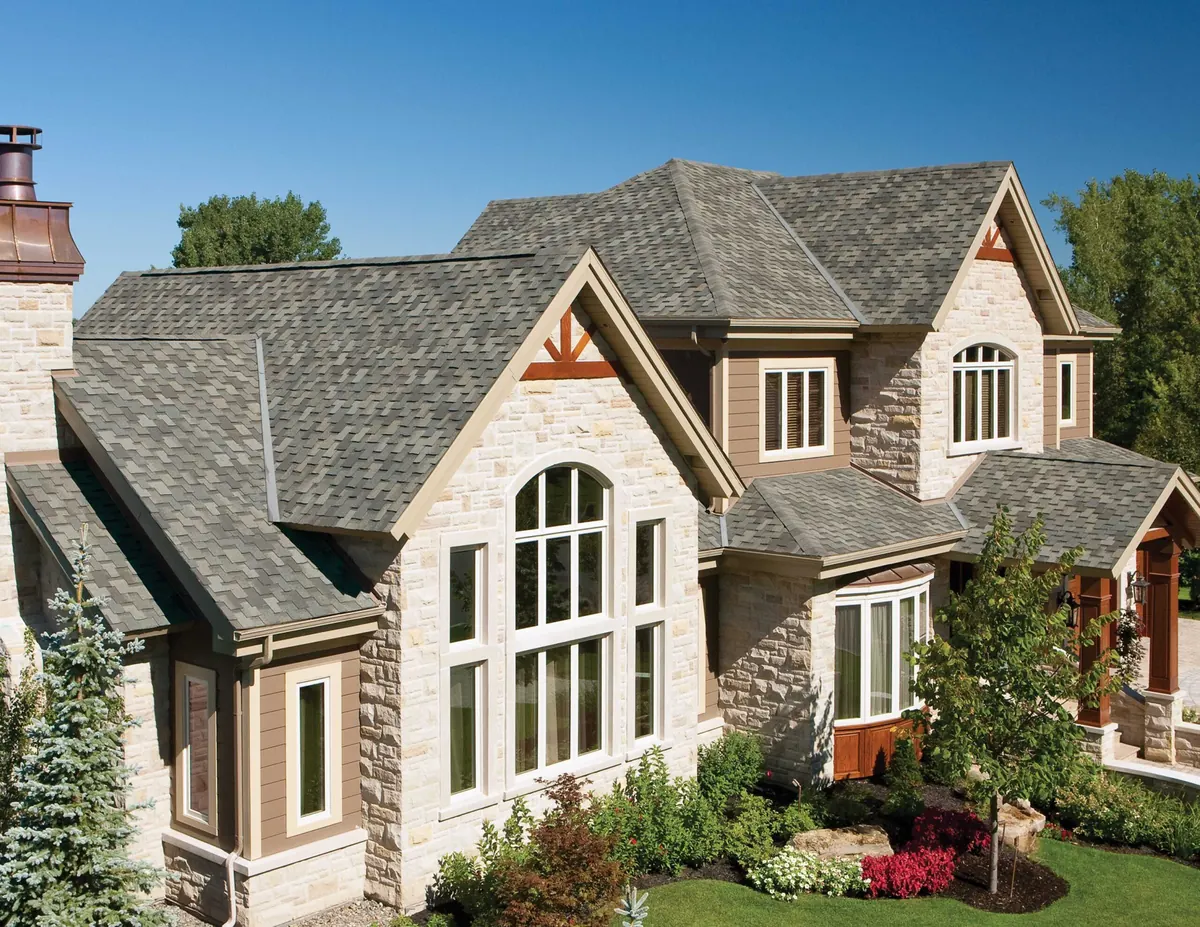
Architectural Shingles
Most Rochester roofs wear asphalt shingles, and for good reason: they handle snow, shed water, and suit the Victorians, Craftsman homes, and Colonials that fill the city. Here is how they work, what to choose, and how to keep them sound.
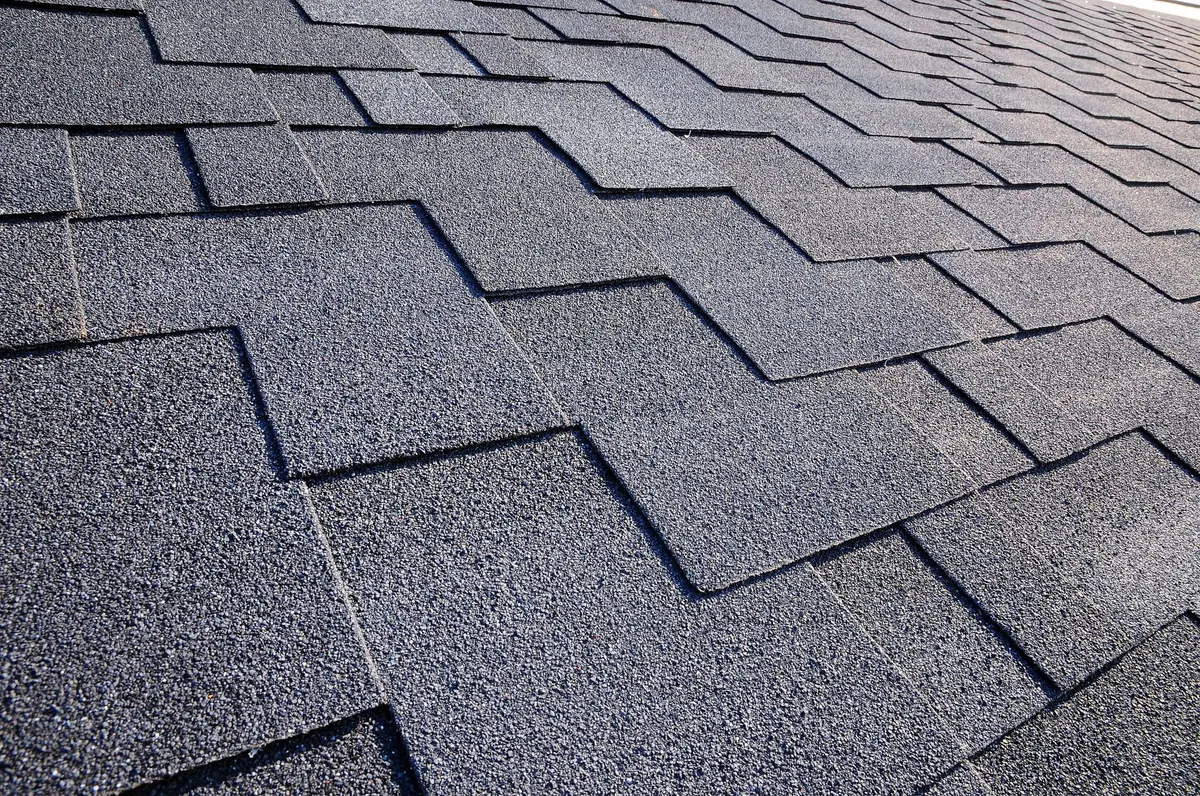
Why shingles lead here
Architectural shingles dominate Rochester for a simple reason: they are thick, layered shingles with a dimensional look, and they hold up under snow load and wind better than the flat three-tab shingles of an earlier generation. The layered build gives each shingle more body, and the extra body stands up to the lift and pull of a Rochester winter.
Rochester's older housing suits them too. Victorians on Park Avenue, Craftsman bungalows in the 19th Ward, and Colonials in Brighton all wear shingles well, and the range of colors and profiles lets a new roof match the house instead of fighting it. A shingle roof can look plain or rich, and the choice sits with the homeowner, not the material.
Shingles are also the easiest roof to repair in pieces. A torn valley, a lifted ridge, or a bruised slope can be fixed without touching the rest of the roof, which matters in a city where hail and wind hit one slope and spare the next. Roof repair in Rochester handles those single-slope fixes, and roof replacement in Rochester is the answer when the wear is spread across the whole roof.
Under the shingles
A shingle roof is a system, not a surface. Tap each layer to see what it does.
The outer skin. Asphalt shingles shed water down the slope, and their granules shield the asphalt from sun. When granules wash into the gutters in handfuls, the skin is wearing thin.
A water-resistant sheet rolled over the decking before the shingles go on. It is the backup layer: when wind drives rain under a shingle, the underlayment keeps it out of the house.
A sticky membrane laid along the eaves, valleys, and around chimneys and skylights. In Rochester it matters most at the eaves, where ice dams push meltwater back under the shingles.
Plywood or boards that carry the whole system. Rotten or soft decking shows up as a spongy feel underfoot, and it has to be replaced before new shingles go on.
Metal strips that seal the joints where the roof meets a wall, a chimney, or a skylight. Most leaks start at flashing, not in the middle of a slope, so the flashing gets checked first.
Ridge vents and soffit vents that move air through the attic. A roof that breathes stays dry inside, and a dry attic is the real fix for ice dams.
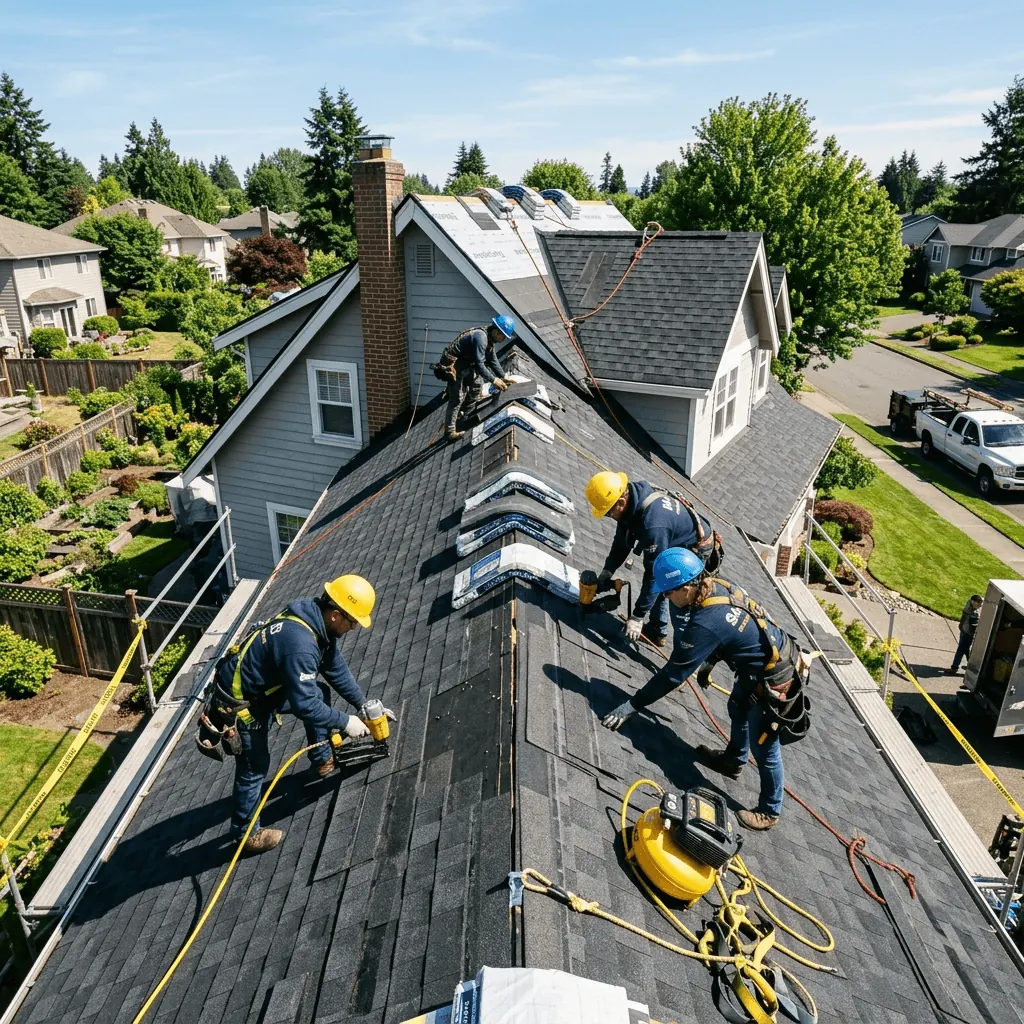
Three shingle types
All three are asphalt, but they are not the same roof. Here is how they compare on a Rochester home.
| Shingle type | Look | Winter handling | Best for |
|---|---|---|---|
| Three-tab | Flat, single-layer, uniform pattern | Lighter build, more lift in high wind | Simple roofs and tight scopes where the look is plain |
| Architectural | Thick, layered, dimensional shadow lines | Heavier build, holds its line in wind and snow | Most Rochester homes, and the common choice for a full roof |
| Designer | Bold profiles that copy slate or shake | Thickest build, strongest hold | Homes where the roof is part of the look, such as Victorians |
Repair or replace
The right call depends on where the wear sits, not on how the roof looks from the street.
When the wear is spread across the whole roof, patching one slope after another never catches up. A full replacement resets the whole system at once.
Winter performance
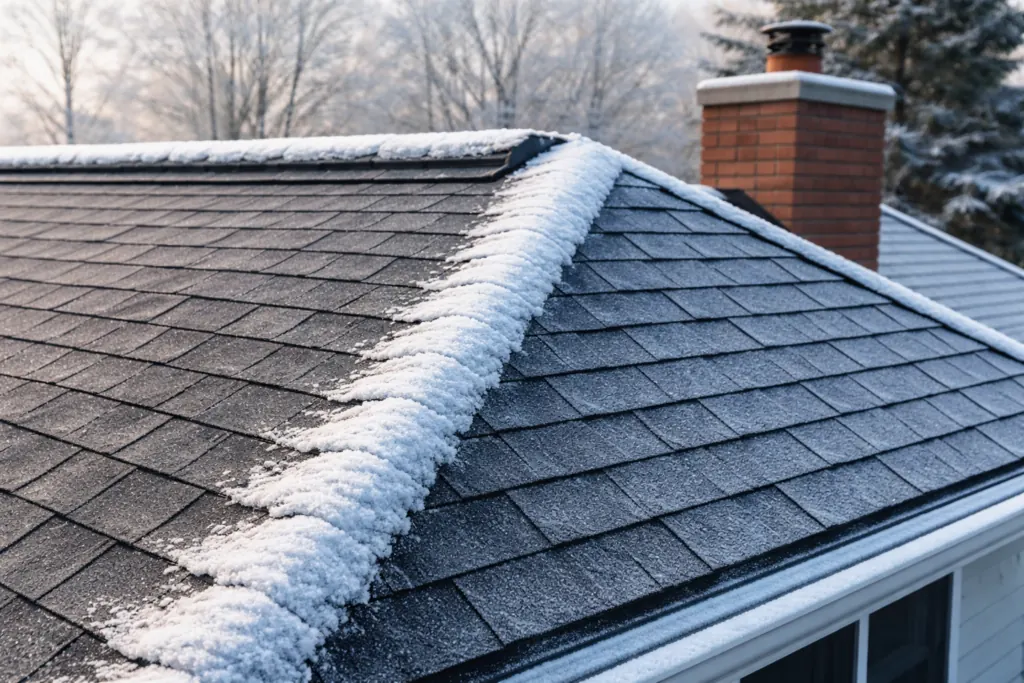
Snow is the test, and shingles pass it by shedding. A pitched shingle roof sheds snow as it melts, and the meltwater runs to the gutters, as long as the eaves stay clear and the attic stays cold. The trouble starts when heat leaks into the attic and melts the snow from below, which is how ice dams form at the eaves.
Wind is the other test. Rochester spring wind lifts shingle tabs along the ridge and the hips first, and a lifted tab that never lies flat again lets water run under the shingle. Architectural shingles hold their line better than three-tab, because the layered build is heavier and the seal strip is wider.
The winter routine is simple: keep the gutters clear in fall, keep the attic vents open, and check the roof in spring for lifted tabs and granule loss. Roof snow removal and ice dam prevention in Rochester covers the winter half of the job, and roof maintenance in Rochester covers the spring check that follows it.
Shingle words
Roofers use a short list of words for shingles. Here they are, in plain words.
People also ask
Short answers to the shingle questions that come up most.
Yes, for most homes. Architectural shingles are thicker and heavier, with a layered build that holds its line in wind and sheds snow well, while three-tab shingles are flat, single-layer, and lift more easily. The layered look also suits Rochester's older homes, from Victorians to Colonials.
It depends on the shingle, the install, and the winters it has seen. Architectural shingles on a well-vented Rochester roof commonly serve for two decades or more, while a roof with poor ventilation or repeated ice dams ages faster. A spring check each year tells you where your roof stands.
Yes. A pitched shingle roof sheds snow as it melts, and the meltwater runs to the gutters when the eaves stay clear and the attic stays cold. The risk is not the snow itself but heat leaking into the attic, which melts snow from below and builds ice dams at the eaves.
Thinking about new shingles, or wondering if yours are done? Call and talk it over with a roofer.
Call (585) 868-0065Frequently asked questions
Three-tab shingles are flat and single-layer, with a uniform pattern across the slope. Architectural shingles are thicker and layered, with shadow lines that give the roof a dimensional look. The layered build is heavier, holds better in wind, and suits Rochester winters, which is why it is the common choice here.
Look for granule loss spread across every slope, shingles that curl or crack, tabs missing in more than one place, and leaks that keep coming back in different rooms. A single worn slope is a repair, but wear across the whole roof means the system is done, and a full replacement resets it.
Yes, when the damage sits on one slope and the rest of the roof is sound. A windstorm often hits the windward slope and spares the rest, and a single-slope repair fixes it without touching the good slopes. Matching the color and profile matters, so the repair blends with the roof around it.
Not well. Shingles need enough pitch to shed water, and on a low slope water lingers under the tabs and finds its way in. Low-slope roofs use membranes instead, such as single-ply or foam, which are made for flat surfaces. A roofer can measure the pitch and say which system fits.
Age, heat, and moisture are the usual causes. Poor attic ventilation traps heat under the decking, and the shingles bake from below, while repeated thaw cycles work the edges loose. Curling across a whole slope means the shingles are near the end of their life, and a check will show how far it has gone.
Not always, but it is the natural time to look at them. A new roof with old, sagging gutters still holds water at the eaves, and the gutter work is easier while the roof crew is already on site. When the gutters are sound, they stay, and when they are worn, the roof job is the right moment to renew them.
Keep going
A shingle roof is a system, and these pages cover the parts around the shingles.
Roof replacement in Rochester is the answer when shingle wear is spread across the whole roof.
Learn more →Metal roofing in Rochester sheds snow fast and suits homes that want a longer-lived roof.
Learn more →Roof maintenance in Rochester keeps shingles, flashing, and gutters in shape twice a year.
Learn more →Shingles curling at the edges, or granules washing into the gutters after rain? Call and talk through whether a repair or a new roof fits your roof.
Call (585) 868-0065Wear, in stages
Asphalt shingles do not fail all at once, and the wear shows in stages a roof walk can read.
In the early years, the shingles settle into the roof. The seal strips knit together in the first warm season, and the tabs press flat against the course below them. A few granules rinse into the gutters after the first rains, since the loose granules from the factory come off early, and the roof looks new from the street. The visit in these years looks for the shingles that never sealed, the tabs that lift in the first spring wind, and the flashing that shifted as the house settled.
In the middle years, the wear turns steady and even. Granules leave the surface a few at a time, and the gutters carry a thin layer of them after heavy rain. The edges of the shingles start to show their age, and the seal strips hold a little less tightly than they did. The roof still sheds water well, and the visit compares the wear with the last visit, so the crew can judge whether the shingles are aging on schedule or ahead of it.
In the later years, the wear shows in the shape of the shingles. Tabs curl at the corners, cracks open along the edges, and the shingles turn brittle in the cold, so a tab that lifts in a winter wind snaps instead of bending. Granule loss spreads across every slope, and the dark patches where the asphalt shows through grow wider each season. Leaks start to appear in several rooms at once, and the visit reads the whole roof together, since wear that covers every slope means the roof has reached the end of its service, and only a new roof starts it over.
| Stage | What you see | What it means | What the visit does |
|---|---|---|---|
| Early years | Seal strips bonding, a few loose granules in the gutters | The roof is settling in, and the install is proving itself | Looks for tabs that never sealed and flashing that shifted |
| Middle years | Steady granule loss, edges showing age, seal strips loosening | Normal wear, and the pace of it is what matters | Reads the wear against the last visit to judge the pace |
| Later years | Curling tabs, cracked edges, brittle shingles, bare patches | The roof has run its course | Reads the whole roof together and plans the replacement |
The install beneath the look
The shingles you see are only the top of the install, and the parts beneath them decide how the roof holds.
Nails hold every shingle, and where they sit matters as much as how many there are. Each shingle is nailed through the strip made for nailing, high enough to catch the course below and low enough to stay hidden under the course above. A nail driven too high misses the shingle below it, and the tab lifts in the first strong wind. A nail driven too deep cuts into the shingle, and the hole it leaves is a leak waiting for rain. A nail driven at an angle bends the shingle and leaves a gap at the edge. The crew checks the nailing as the courses go up, since a roof nailed wrong cannot be fixed from above.
The starter course runs along every eave, and it is the first line of defense against wind and water. It is a strip of shingle material laid with its adhesive edge at the eave, and it seals the bottom edge of the first full course so the wind cannot lift it. Without a starter course, the first row of shingles has nothing to seal to, and the wind peels it back from the edge. The starter also sets the line for the courses above it, so a starter laid straight keeps every course above it straight too.
The ridge caps finish the roof at the peak, and they are shingles made for the job, cut and folded over the ridge. A ridge built from cut pieces of field shingle cracks at the fold, since field shingles were never made to bend that way, and the cracks let water into the peak. The caps overlap each other down the ridge, and the joints shed the rain instead of letting it in, while the vent beneath them stays open to the attic. Valleys get the same care, with metal lining the valley floor or the shingles woven across it, so the water that gathers there is carried away by the valley instead of slipping under the shingles.
Each shingle is nailed through the strip made for nailing, catching the course below and hiding under the course above. Nails set high, deep, or at an angle all fail in their own way, and a roof nailed wrong cannot be put right from above.
A starter strip seals the bottom edge of the first full course, so the wind cannot peel it back from the eave. It also sets the line for every course above it.
Ridge caps are made to fold over the peak without cracking, and they overlap down the ridge so water passes over each joint. Cut field shingles crack at the fold and let water into the peak.
Repairs that blend
A repair on an older shingle roof has to match a roof that has already changed.
Sun changes a shingle roof over the years, and the change is uneven. The south slope fades fastest, since it takes the most sun, while the north slope keeps its tone longer under the shade. Granules wear thin where the runoff is heaviest, and the tone of the roof shifts a little each season. A new shingle laid beside shingles that have weathered for a decade will show, since the new granules are brighter and the tone is deeper than the roof around them.
Matching starts with the profile and the tone together. The profile is the shape and the thickness of the shingle, and a repair that mixes an architectural shingle into a three-tab roof stands out from the street. The tone is matched by setting samples beside the existing shingles outdoors, where the sun shows the true tone, and the closest match is the one that blends from the sidewalk, not the one that matches up close. Some profiles and tones are no longer made, and the roofer says so plainly, so the homeowner knows the repair will show a little before the work starts.
When the match will not blend, the repair grows to the full slope. A single slope re-shingled from eave to ridge reads as one roof, since the whole slope carries the same tone and the same profile, and the ridge line hides the joint where the new slope meets the old ones. Roof repair in Rochester takes on the one-slope fixes, and a new roof in Rochester is the right call when the wear has reached every slope. The repair that blends is the repair that respects the age of the roof around it, and the roofer who names the match honestly is the roofer who leaves a roof that looks like itself.
A new shingle in the nearest tone still shows against a roof that has weathered for years, since the new granules are brighter and the tone is deeper. Hold samples beside the roof outdoors before the work starts, and the closest blend is found before the first shingle goes on.
An architectural shingle laid into a three-tab slope reads as a patch from the street, since the thickness and the shadow lines do not match. The profile and the tone are matched together, or the repair grows to the full slope.
A repair, a replacement, or a question about what is on your roof now. Call or email and tell us about it.
Roofing Rochester, 75 S Clinton Ave Ste 510, Rochester, NY, (585) 868-0065