Call (585) 868-0065
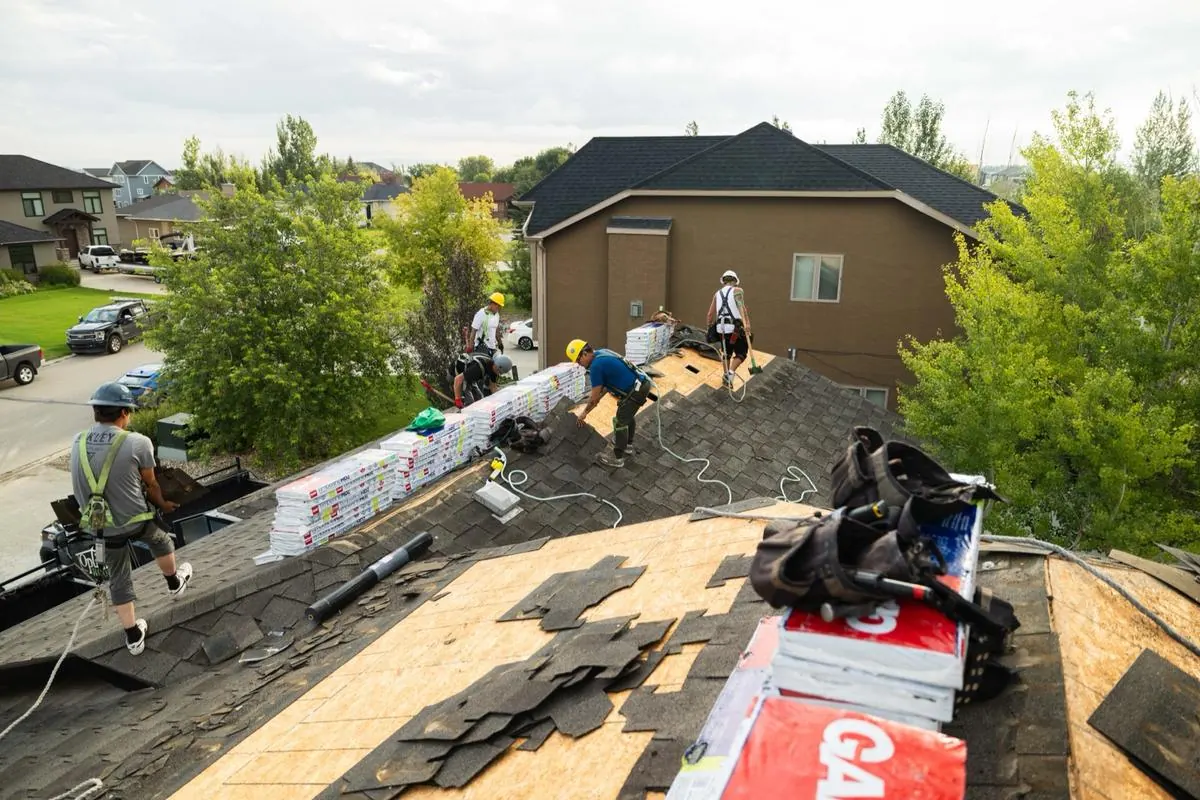
A roofing crew tearing off an old roof on a house

Replacement Timing

When to Replace Your Roof in Rochester, NY

A Rochester roof does not usually fail all at once. It wears down winter by winter, and the signs show up one at a time: a curled shingle here, granules in the gutter there, a stain on the ceiling after a thaw. Here is how to read those signs and pick the right moment to replace it.

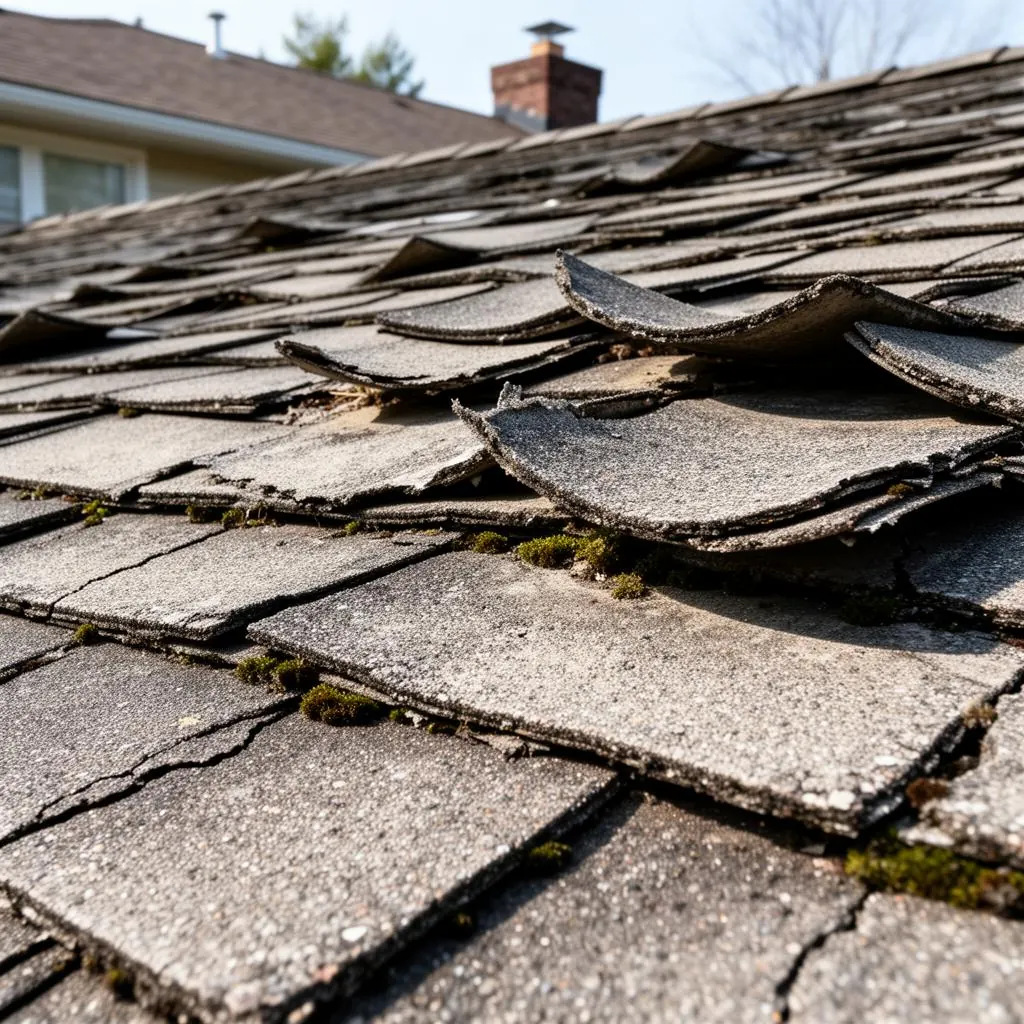
Curled and cracked asphalt shingles on an aging roof
Shingles that curl, crack, and lose their shape are past the point where repairs hold.

The signs

Your roof tells you when it is done

The clearest sign is the shingles themselves. When they curl at the edges, crack across the face, or lose so many granules that the black mat shows through, the waterproofing is going. A few worn shingles can be replaced one at a time, but when the wear covers whole slopes, repairs stop holding and the next storm finds the weak spots. A roof inspection in Rochester puts a trained eye on every slope, since the wear is often worse on the north side, where snow sits longest.

The second sign is water where it should not be. Stains on the ceiling after a thaw, damp insulation in the attic, or daylight showing through the deck all mean the roof system has opened up. The third sign is age: an architectural shingle roof in Rochester often serves 20 to 30 years, and a roof near the end of that span with visible wear is living on borrowed time. For the full picture of service life by material, read how long a roof lasts in Rochester.

Granules in the gutter are a clue, not a verdict

Some granule loss is normal, especially on a new roof. But when the gutters hold piles of granules year after year, and the shingles look bald and patchy from the street, the protective layer is wearing thin. That is the moment to get a look before the next winter, not after it.
Repair or replace

When a repair is enough, and when it is not

A small, local problem gets a repair. A worn-out system gets a replacement. Here is how to tell which one you have.

Repair it when

  • One slope has a few lifted or missing shingles after a storm.
  • A single flashing around a chimney or skylight has opened up.
  • The roof is under 15 years old and the rest of it looks sound.
  • The leak has one clear source that a roofer can point to.
  • The deck underneath is dry and solid.

Replace it when

  • Shingles curl, crack, or lose granules across whole slopes.
  • Leaks keep coming back in different places.
  • The roof is past 20 years old and showing wear everywhere.
  • The deck is soft or sagging in places.
  • Ice dams return every winter despite attic work.

Patching a worn roof is like patching worn tires. Each repair holds for a while, and the next storm finds the next weak spot. A replacement resets the whole system at once: deck, underlayment, flashing, and shingles, with ice and water shield at the eaves. If the roof is near the end of its life, the replacement is the repair that actually ends the leaks.

Seeing curled shingles or stains on the ceiling? Call and get the roof looked at.

Call (585) 868-0065

The day itself

What a replacement day looks like

Most Rochester homes get a new roof in one to three days. Here is how the work runs, from the first shingle off to the last nail picked up.

Tear-off

Tear-off and deck check

The crew strips the old shingles and underlayment, then walks the deck looking for soft or rotted boards. Any bad decking gets replaced before anything new goes on.

Dry-in

Shield, underlayment, flashing

Ice and water shield goes along the eaves and in the valleys, synthetic underlayment covers the deck, and new flashing goes in at chimneys, walls, and skylights.

Shingles

Shingles and ridge

Shingles go on slope by slope, with ridge caps and ridge vent finishing the peak. The roof is weather-tight before the crew leaves for the day.

Finish

Cleanup and walk-through

The crew runs magnets over the yard and driveway for nails, clears the gutters of debris, and walks the roof with you to show the finished work.

The best time to replace a roof in Rochester is late spring through early fall, when the days are long and the shingles seal quickly in the warmth. Winter replacements happen too, and a good crew handles them, but the shingles take longer to seal in the cold. Whenever the work happens, the reroof is the moment to fix the winter problems for good: ice and water shield at the eaves, balanced ventilation, and any soft decking. Our roof replacement in Rochester covers the full scope, and the City of Rochester publishes permit guidance for roofing work, which is worth a look before the job starts. A spring roof inspection after a Rochester winter is the right follow-up once the new roof is on.

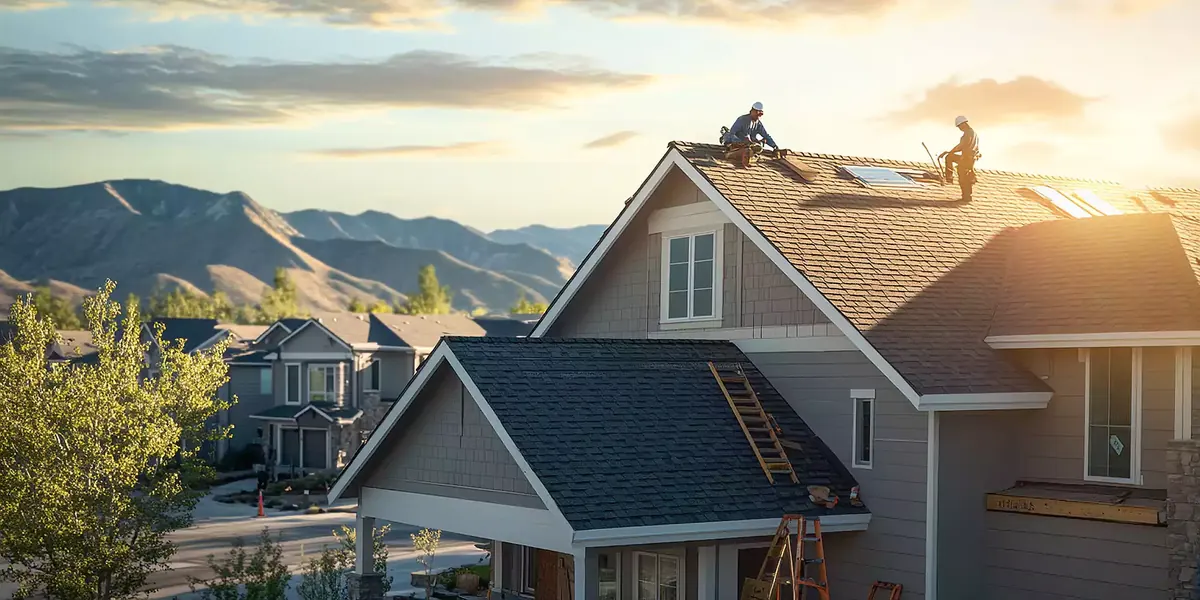
Roofers installing a new shingle roof on a house at sunset
A reroof is the moment to fix the layers underneath, from the deck to the eaves.

Planning ahead

Do not wait for the leak that forces the call

The worst time to replace a roof is in the middle of a leak, when the attic is wet and the schedule is urgent. The best time is a season early, when the signs are clear but the house is still dry. If the roof is past 20 years old, if the shingles are curling across whole slopes, or if the same leak has come back twice, the replacement is already due, and doing it on your own schedule beats doing it in a storm.

Before you decide, get the roof looked at and ask what the deck looks like underneath. A roof that looks tired from the street can still have a sound deck, and a roof that looks fine can hide soft boards. The inspection is what turns a guess into a plan, and it is the step that keeps a replacement from turning into a surprise. For homes in the older neighborhoods, where the roof may be the second or third one on the house, that look underneath matters even more.

People also ask

Quick answers on roof replacement

Short answers on when a Rochester roof is done, and when a repair is enough.

How do I tell whether my roof needs a repair or a full replacement?

Look at the spread of the wear. A few lifted shingles after a storm, or one bad flashing, is a repair. Curling, cracking, and granule loss across whole slopes, leaks that keep coming back in new places, or a roof past 20 years old all point to replacement.

What is the best time of year to replace a roof in Rochester?

Late spring through early fall is best, since the days are long and the shingles seal quickly in the warmth. Winter replacements happen too, but the shingles take longer to seal in the cold. The right time is a season before the roof starts leaking, not after.

Can a roof be replaced during a Rochester winter?

Yes, and good crews do it through the winter. The work takes a little longer, and the shingles seal more slowly in the cold, but the roof is weather-tight the same day. If the roof is leaking in January, waiting for spring is worse than replacing in the cold.

Replacement timing unclear? Call and get a straight read on the roof.

Call (585) 868-0065

Frequently asked questions

What to ask about replacing your roof

Architectural shingles in Rochester commonly serve 20 to 30 years. A roof past 20 years with curling, cracking, or granule loss is near the end, even if it is not leaking yet. A roof under 15 years with local damage is usually a repair, not a replacement.

Curling or cracked shingles, granules piling up in the gutters, bald patches where the black mat shows through, and stains on the ceiling after a thaw. A sagging ridge or soft decking underfoot are later signs, and they mean the roof needs attention right away.

Sometimes, if the wear is limited to one slope and the rest of the roof is sound. But the new slope will not match the old ones in color, since shingles weather over time, and the valleys between old and new need care. A roofer should look at the whole roof before deciding.

Most homes take one to three days: tear-off and deck check in the morning, shield and underlayment by midday, shingles and ridge in the afternoon, and cleanup at the end of the day. Larger or steeper roofs, or roofs with deck repairs, take longer.

It helps, but only as part of the fix. A reroof adds ice and water shield at the eaves, which stops backed-up water getting in. The dam itself comes from a warm attic, so the lasting fix also seals air leaks, adds insulation, and balances the ventilation.

Often, yes, since the crew is already on the roof and the old gutters may not match the new drip edge. If the gutters are sound and the right size for the roof, they can stay. A roofer should check the gutters and the fascia during the replacement.

The crew strips them off, loads them into a container, and hauls them away for disposal. The deck underneath is then checked board by board, and any soft or rotted decking is replaced before the new roof goes on. The container is hauled away the same day or the next, so the yard is clear when the crew leaves.

Keep reading

Related articles

Wondering if your roof is done?

Tell us what you see from the ground, and we will look at the shingles, the deck, and the attic, and give you a straight answer.