Call (585) 868-0065
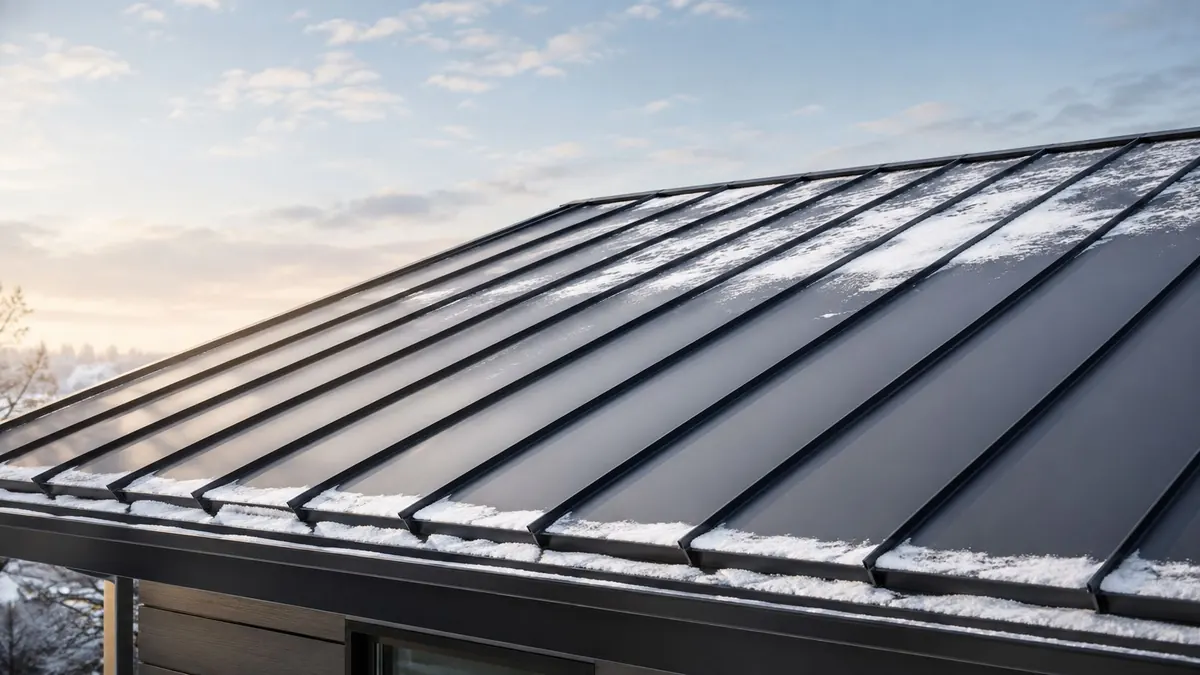
A standing seam metal roof shedding snow on a house in winter

Materials For Cold Winters

Best Roofing Materials for Rochester's Snow and Cold

A Rochester roof faces about 102 inches of snow a season, months of deep cold, and freeze and thaw cycles that work every seam and fastener. The right material sheds snow, shrugs off the cold, and holds up for decades. Here is how the main choices compare on a Rochester roof.

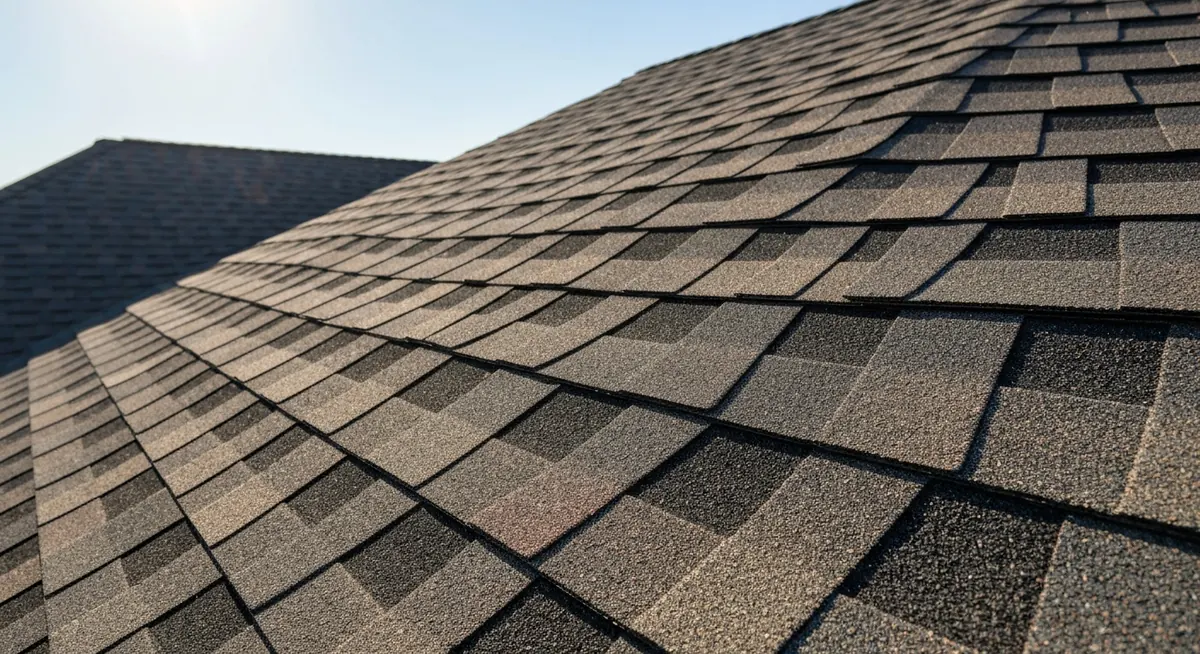
Architectural asphalt shingles on a steep residential roof
Architectural shingles are the most common roof in Rochester, and they handle snow well when the attic below is cold and vented.

What winter demands

A Rochester roof has four jobs in winter

First, it has to shed snow or carry it without complaint. Second, it has to stay sealed through freeze and thaw cycles that expand and contract every joint. Third, it has to resist ice dams at the eaves, where meltwater backs up. And fourth, it has to keep doing all of that for decades, because a reroof in Rochester is a job you want to do once and then forget about.

No single material wins on every count. Asphalt shingles are the most common roof in town for good reason: they handle the cold, they are easy to repair, and every roofer knows them. Metal sheds snow better than anything else and lasts longest, but it asks more of the structure and the installer. Slate and tile last generations on the right house, and composite shingles try to split the difference. The choice comes down to your roof shape, your attic, and how long you plan to stay in the house. Our asphalt shingle roofing in Rochester and metal roofing in Rochester pages lay out each option in detail.

The attic matters as much as the material

Every material on this page performs better over a cold, vented attic. A warm attic melts snow from below and feeds ice dams no matter what sits on the deck, while a cold attic keeps the snow still until it slides or melts in the sun. Fix the attic first, then pick the material.
Head to head

How the main materials compare in Rochester

Snow shedding, cold tolerance, ice dam behavior, and how long each one usually serves on a Rochester roof.

Roofing materials compared for Rochester snow and cold
MaterialSnow sheddingCold and freeze-thawIce dam behaviorTypical service life
Architectural asphalt shinglesHolds snow until it meltsHandles cold well, granules wear over timeDams form at eaves if the attic is warmOften 20 to 30 years
Standing seam metalSheds snow fast, often in slidesExpands and contracts, clips allow movementRare, but possible on low slopes40 years or more
SlateSheds well on steep pitchesStone ignores the cold, but it is heavyDams form at eaves like shingles75 years or more
Composite shinglesSimilar to architectural shinglesResists cracking in deep coldDams form at eaves if the attic is warmOften 30 to 50 years
Cedar shakeHolds snow, dries between stormsWeathers well, needs air flow to dryDams form at eaves if the attic is warmOften 25 to 35 years with care

Scroll sideways to see the full table.

Not sure which material fits your roof? Call and talk it through with a roofer.

Call (585) 868-0065

Material by material

Where each material shines, and where it struggles

The honest trade-offs, from the roof most Rochester homes already have to the ones that last the longest.

Architectural asphalt shingles

The default Rochester roof, and a good one. Thick laminated shingles resist wind lift, handle deep cold without cracking, and are simple to repair one shingle at a time. Their weakness is the eave: they hold snow, so a warm attic turns them into an ice dam factory. With a cold attic and ice and water shield at the eaves, they serve 20 to 30 years without fuss.

Standing seam metal

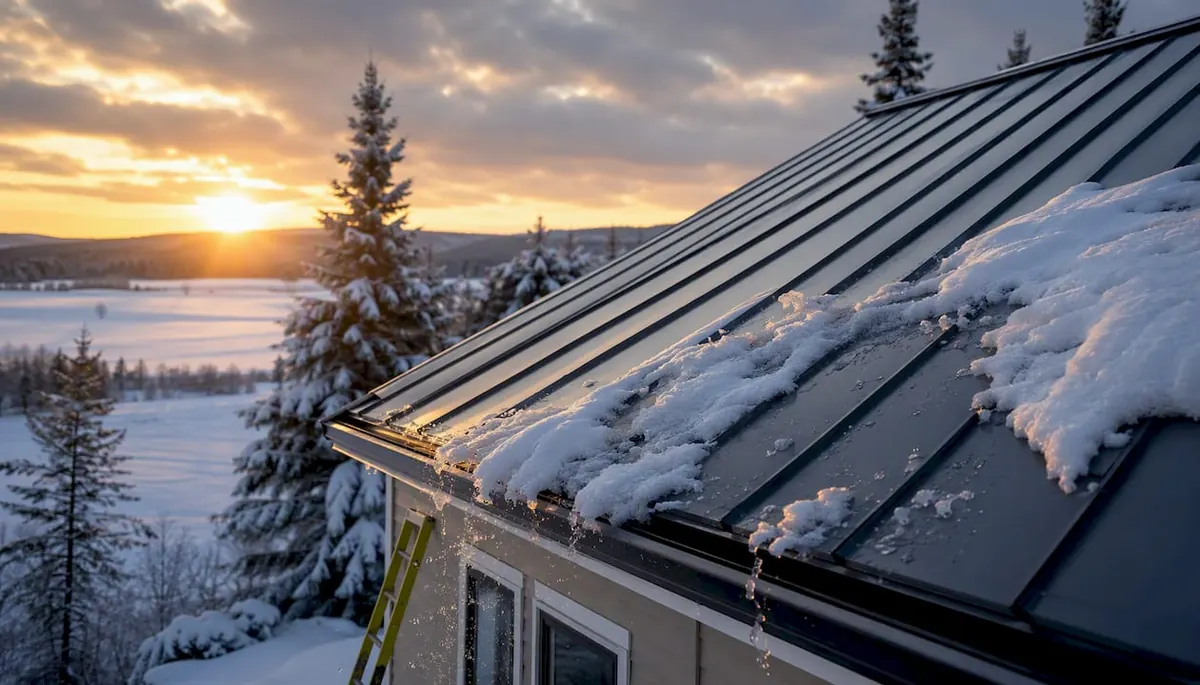
The best snow shedder of the group. Snow slides off the smooth seams, often in one sheet after a thaw, so the roof rarely holds a deep load. Metal handles freeze and thaw by design, with clips that let the panels move. Watch the slide zone below the eaves, and fit snow guards over doors and walkways so the sliding snow lands where you want it.

Slate and tile

The long-life choice for the Victorian and older homes around Park Avenue, Corn Hill, and Highland Park. Slate ignores cold and lasts generations, but it is heavy, and the framing has to be checked before it goes on. Repairs need a roofer who knows slate, since a cracked slate is replaced one piece at a time.

Composite shingles

Made to look like slate or shake without the weight, composite shingles resist cracking in deep cold and carry longer service lives than standard asphalt. They suit homes that want the slate look on framing that was built for shingles. Our composite roofing in Rochester covers the options for this material.

Standing seam metal roof panels on a house in winter
Standing seam metal sheds snow fast, which is why it shows up on more Rochester roofs every year.

Under the shingles

The layers that matter in winter

The material on top gets the attention, but the layers underneath decide how a Rochester roof survives winter. Ice and water shield along the eaves and in the valleys seals the spots where backed-up meltwater tries to get in. Synthetic underlayment stays flexible in the cold where old felt turns brittle. And flashing at chimneys, skylights, and walls has to move with the freeze and thaw without opening a gap.

That is why a reroof is the moment to fix winter problems, not just to change the color. When the old roof comes off, the deck, the eaves, and the valleys are all visible, and the shield and flashing go in before the new material covers them. A roof replacement in Rochester done with winter in mind is the best defense a house can have against the next decade of lake-effect snow. The City of Rochester publishes permit and inspection guidance for roofing work, which is worth a look before any reroof begins.

People also ask

Quick answers on roofing materials

Short answers on the materials that handle Rochester snow and cold best.

What is the best roof for heavy snow in Rochester?

Standing seam metal sheds snow best, since the smooth surface lets snow slide off instead of piling up. Architectural shingles are the most common choice and handle snow well when the attic is cold and vented. The right pick depends on roof pitch, framing, and how long you plan to stay in the house.

Do asphalt shingles crack in Rochester winters?

Good architectural shingles handle deep cold without cracking, and they are installed year-round in this climate. The granules wear over time, and freeze and thaw cycles work the edges, but a shingle roof in Rochester usually serves 20 to 30 years before it needs replacing.

Is metal roofing too loud in rain and snow?

Not when it is installed over solid decking with underlayment. The deck and the attic insulation muffle the sound, and most homeowners say they notice it only in heavy rain. Snow sliding off a metal roof is louder, which is why snow guards go over doors and walkways.

Material choice still open? Call and compare them for your roof.

Call (585) 868-0065

Frequently asked questions

What to ask about roofing materials

Slate lasts longest, often 75 years or more on the right house. Standing seam metal is next at 40 years or more. Composite shingles often serve 30 to 50 years, architectural asphalt shingles 20 to 30 years, and cedar shake 25 to 35 years with regular care.

Yes, it is the best snow shedder of the common materials. Snow slides off the smooth seams, so the roof rarely holds a deep load, and ice dams are rare. Fit snow guards over doors, walkways, and driveways so the sliding snow lands where you want it.

Yes. They are the most common roof in Rochester for a reason: they handle deep cold, resist wind lift, and are easy to repair. Their weak spot is the eave, where a warm attic can feed ice dams, so pair them with a cold attic and ice and water shield.

A little, since dark shingles absorb more sun. The effect is small next to the attic temperature, which decides whether snow melts from below. A dark roof will not fix an ice dam problem, and it will not hurt a roof that already has a cold attic.

It is a sticky waterproof membrane laid along the eaves and in the valleys during a reroof. It seals the spots where backed-up meltwater tries to get in. Every Rochester roof should have it at the eaves, since ice dams are the signature winter problem here.

It depends on the roof. A metal roof can sometimes go over one layer of shingles, but the deck has to be checked first, and the old shingles add weight and hide problems. A roofer should look at the deck and the framing before deciding, since tearing off often reveals issues worth fixing.

Slate is heavy, and the framing has to be checked before it goes on. Many Victorian homes around Park Avenue and Corn Hill were built for slate and still carry it. Newer homes built for shingles may need framing work first, which is why a structural look comes before any slate decision.

Keep reading

Related articles

Choosing a roof for a Rochester winter?

Tell us about your roof and your house, and we will walk through the materials that fit, and what each one asks of the structure underneath.