Call (585) 868-0065
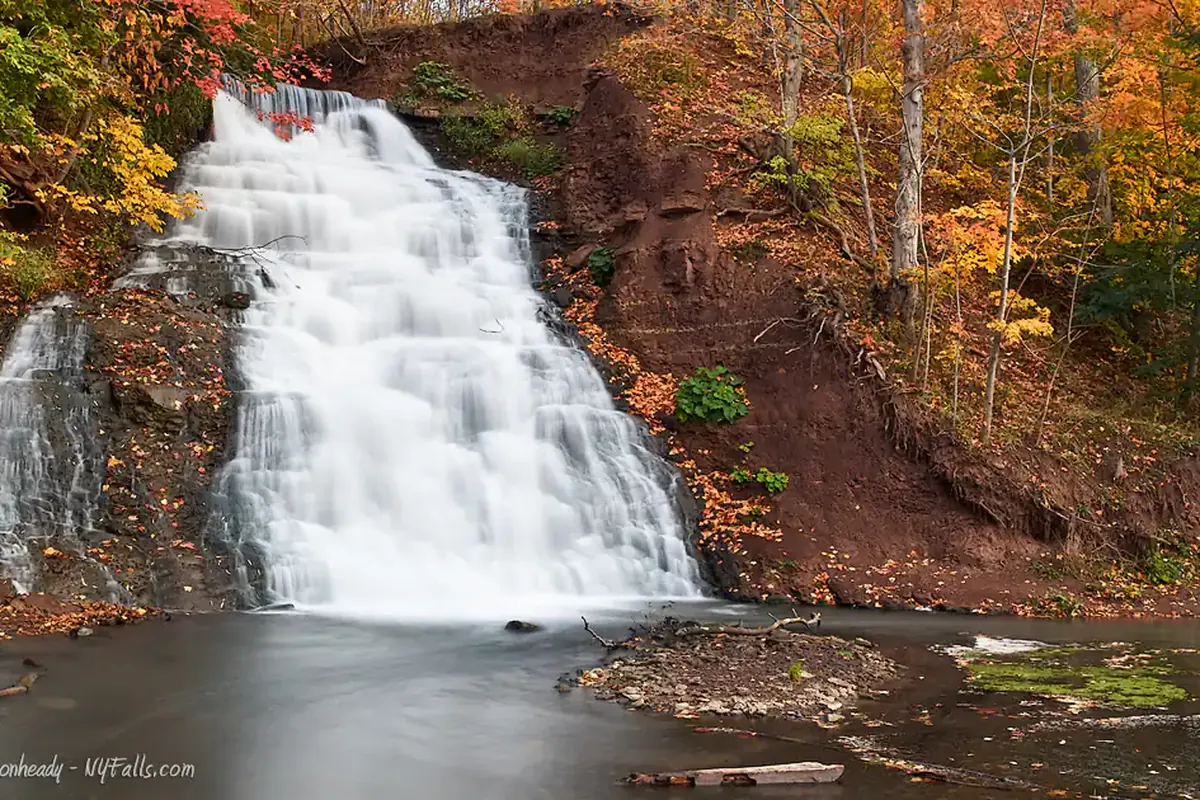
Waterfall spilling over sandstone ledges in a wooded glen near Holley, New York

The Canal Village with the Falls

Holley Roofing at the Bend Where the Canal Looped

Holley is a small canal village in the town of Murray, where the Erie Canal once looped two thousand feet toward Public Square to cross a deep ravine on Sandy Creek. The loop is gone, but the falls it left behind still run, and the roofs here face canal damp, lake snow, and the wind off the open ground between Albion and Brockport.

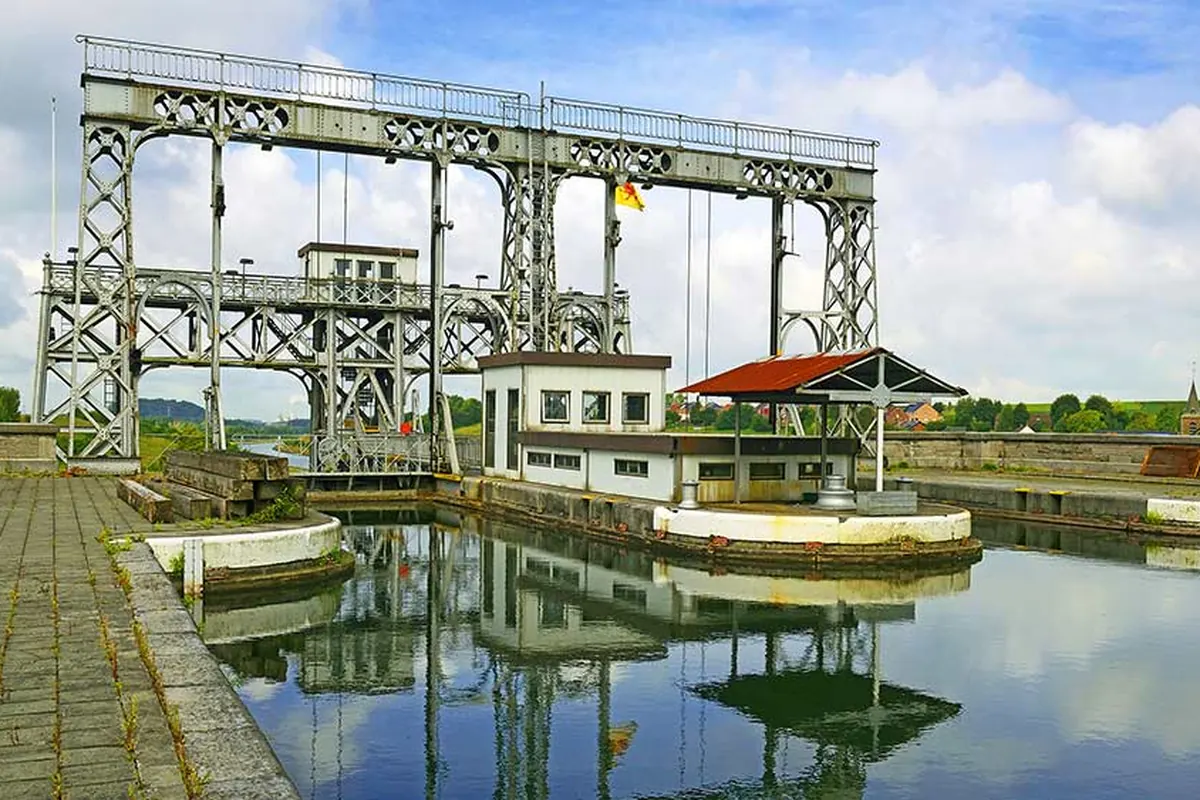
Steel lift bridge over the Erie Canal near Holley, New York, with the canal water below
A lift bridge over the canal near Holley, where the waterway shaped the village.

Holley, NY

A village the canal bent for

Holley is a village in the town of Murray in Orleans County, nine miles east of Albion and four miles west of Brockport. The town of Murray was first settled around 1809, and the community here took hold after the Erie Canal was completed in 1825. It was first called Saltport, for the salt springs along Sandy Creek, where settlers boiled brine to preserve meat and produce. The village took the name Holley for Myron Holley, one of the canal commissioners, and it was incorporated in 1850.

The canal builders faced a deep ravine cut by the east branch of Sandy Creek, and rather than build across it, they looped the canal two thousand feet toward Public Square. The sharp bend slowed the boats, and the village grew at that bend. When the canal was widened in the early 1900s, the loop was straightened out and drained, but traces of the old canal can still be seen east of Public Square. Holley Canal Falls, a 35-foot cascade over red Medina sandstone, began when overflow water from the Barge Canal spilled into the glen around 1918. A roof repair in Holley starts with the damp, because the creek and the falls keep the air wet all year.

Public Square anchors the village center, streets radiating out from it, and the canal park follows the line where the old loop once ran. The National Weather Service office in Buffalo issues the lake-effect snow warnings that cover Holley in winter. A new Holley roof follows the New York State building code, with ice shield at the eaves and a sealed valley.
Repair or replace

Repair or replace: reading a Holley roof

Repair it when

  • One slope is damaged while the rest of the roof still looks sound.
  • A leak comes from a single joint, a chimney or a valley.
  • Moss has taken hold on one shaded slope, and the shingles beneath are still firm.
  • The roof is young with a deck that is solid underfoot.
  • Ice dams formed once, and the attic can be sealed and vented to stop them.

Replace it when

  • Wear runs across whole slopes, with granules filling the gutters.
  • Shingles curl and crack on the sunny side and the shaded side alike.
  • Leaks turn up in more than one room, at different joints.
  • The deck gives softly in several places underfoot.
  • Moss has lifted shingle edges across the whole north slope.

A Holley roof often carries two ages in one slope, an addition built onto an older house near Public Square. The older half may want a new roof while the newer half wants a repair, and the seam between them is the joint to check first.

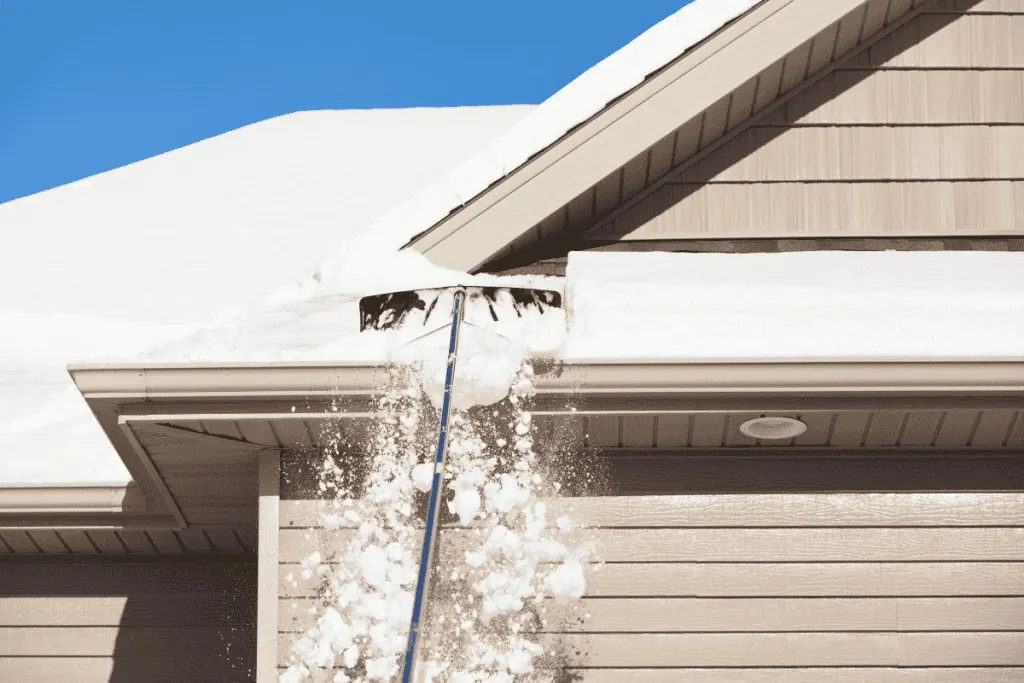
A long roof rake pulling snow off a snow covered house roof in winter
A roof rake pulls snow off the overhang from the ground, so the load and the dam never build up at the eave.

Winter

Snow, ice, and the creek damp in Holley

Holley winters run cold, and the creek keeps the air damp, so snow piles deep and the eaves stay cold while the attic stays warm. Meltwater freezes again at the edge, and the dam backs water under the shingles. A roof rake pulls the snow off the overhang before the dam can form, and it does the job from the ground, without anyone climbing a ladder in the cold.

The lasting fix sits in the attic: air sealing that keeps warm house air out, insulation that holds the heat down, and ventilation that keeps the deck cold. A roof snow removal and ice dam prevention visit in Holley looks at the attic first, because the dam is a symptom and the attic is the root.

Warning signs

Four warnings from a Holley roof

Moss spreading across the north slope

Damp air off Sandy Creek keeps the shaded side wet, and moss holds water against the shingles and lifts their edges as it spreads.

A stain below a valley

Water runs fast through a valley, and the flashing there wears sooner than the field around it. A stain below a valley points to the joint.

Granules piling in the gutter

Granules shed off aging shingles, and a gutter full of them means the surface is thinning and the mat beneath is closer to the weather.

Ice hanging thick at the eaves

Eaves stay cold while the attic stays warm, and thick icicles hanging at one eave mean a dam is forming above them.

Coverage

14470: Public Square, the canal park, and the creek

Holley carries 14470, and the work we do here runs from Public Square to the canal park, the homes along Route 31, and the roads out toward Hulberton and the creek. The village is small and the same crew covers the square and the back roads on one visit.

14470

The 14470 ZIP covers Holley village in Orleans County, on the Erie Canal between Albion and Brockport.

Services

Holley roof work, from the square to the creek

Roof Repair

A flashing joint leaking, moss that has lifted shingle edges, or a valley worn through: Holley fixes each one where it started.

Learn more →

Roof Inspection

A Holley inspection walks roof, attic, and flashing in one visit, with the findings in plain words, what needs work now and what can hold.

Learn more →
See All 22 Roofing Services

Or drop us a line about the roof on your Holley village house.

Moss across the north slope, or ice hanging thick at the eaves? Call and tell us what you have seen.

Call (585) 868-0065

FAQ

Holley roof questions from the square and the creek

Yes. Holley work runs from the homes around Public Square to the canal-side houses and the roads out toward Hulberton and Sandy Creek. We begin up on the roof, with the shingles, the flashing, and the deck, and we end with a plain-words plan for the fix.

Creek damp and canal damp together keep the shaded side of a Holley roof wet long after the rain stops, and moss grows in that damp shade, worst on the north-facing slope. Cutting the growth away and trimming the branches overhead lets the roof dry between rains, which holds the moss back.

The Holley Loop was the original Erie Canal channel, which looped two thousand feet toward Public Square to cross a deep ravine on Sandy Creek. It was straightened out when the canal was widened, but traces of it remain east of the square. It does not affect roofs directly, but the creek and the falls keep the village air damp, which feeds moss on shaded slopes.

Cold air and a warm attic. Holley winters run cold, and the creek keeps the air damp while the attic stays warm. Meltwater runs down and turns back to ice where the eave stays cold. Sealing the attic and venting it so the deck stays cold is what ends the pattern.

When wear shows across whole slopes rather than in one spot: granules filling the gutters, shingles curling on the sunny side and the shaded side alike, moss lifting edges across the whole north slope, and leaks in more than one room. One lifted tab or one chimney leak is a repair.

Before the first snow, after the leaves have dropped in fall. The yard trees around Holley fill the gutters and valleys each fall, and a full gutter holds water against the fascia all winter. Clearing them in late fall keeps water moving off the roof through the cold months.

Nearby towns

From Holley, the next towns along Route 31

Albion sits west on Route 31 along the canal, Medina sits west on Route 31 past the canal loop, and Brockport sits east on Route 31 toward Rochester, so Holley roof work often crosses into one of those towns.

Square and back roads

Hulberton, the creek glen, and the roads east and west of the square

Holley is a small village with a square at its heart, and the roads east and west of it hold houses that face the canal, the creek, or the open wind.

Public Square anchors the village center, with streets radiating out from it, and the canal park follows the line where the old canal loop once ran. Hulberton sits east along Route 31 toward Albion, nine miles away, and Brockport sits four miles west, so Holley is a small stop on a long straight road between two bigger canal villages, and the houses along Route 31 face the wind that runs down that corridor. The roads out toward the creek run past farmhouses and woodlots, and the village is small enough that the same crew covers the square and the back roads on one visit.

The east branch of Sandy Creek cuts a deep ravine through the village, and the glen below the falls holds damp air all year. The falls in the glen drop 35 feet over red Medina sandstone, and the cascade started when Barge Canal overflow water spilled into the glen around 1918, while the mist off the falls keeps the roofs nearest the glen wet long after the rain stops. Saltport was the first name, for the salt springs along Sandy Creek where settlers boiled brine to keep meat and produce, and the village later took the name Holley for Myron Holley, a canal commissioner, before its incorporation in 1850.

A house near the square faces the open wind that runs along Route 31, and its ridge and corners take the worst of every storm. A house near the glen faces shade and damp, and its north slope grows moss while the sunny side stays clean. A house on the back roads faces both, with open fields on one side and the creek on the other. A roof inspection in Holley reads the house by its place, because a square home, a glen home, and a back-road home each wear in their own way, and the walk that reads them has to change with the ground it is standing on.

The old loop

What the old canal loop still does to Holley roofs

The canal loop that bent toward Public Square is gone, but the damp ground it left behind still shapes the roofs nearest the glen.

Damp shade near the glen

Mist off the falls and the creek keeps the roofs nearest the glen wet, and the shaded slopes stay damp through the summer.

Moss spreading on the north slope

Wet air off the creek keeps the shaded side damp, and the moss there holds water against the surface and lifts the shingle edges as it grows.

A soft deck near the eave

Water held against the fascia by a full gutter softens the deck edge from the outside in, and the eave gives softly underfoot.

Gutters full of creek-side leaves

Trees along the creek and the old loop drop their leaves into the runs each fall, and a full gutter spills water onto the fascia.

Flashing open at the chimney

Chimneys on the old houses near the square shift with frost and thaw, and a stain running down the brick means the joint has opened.

Ice hanging thick at the eaves

A cold eave under a warm attic grows thick icicles, and a heavy fringe of ice at one eave means a dam is building above it.

The builders met a deep ravine where the east branch of Sandy Creek cuts through, and instead of spanning it they swung the canal two thousand feet toward Public Square. Boats slowed at the sharp bend, and the village grew up around it. When the canal was widened in the early 1900s the loop was straightened and drained, yet traces of the old channel still show east of Public Square, and the low ground where it ran still holds water after a rain. A roof repair near the old loop opens at the north slope and the valleys, where the damp works longest, and then moves to the chimney flashing and the gutters, because those are the joints the creek damp reaches first.

Between two canal villages

Holley roofs in the open wind between Albion and Brockport

Holley sits on open ground between Albion and Brockport, and the wind along Route 31 hits its roofs with nothing to slow it down.

Route 31 runs straight through the village, and the wind runs down it the same way, crossing the open ground between the canal villages with no hill and no woodlot to break it. The ridge and the corners of a Holley roof take the worst of every storm, and a tab lifted on the windward side lets rain work under the next course. The farmhouses on the back roads face the same wind with even less shelter, and their wide roofs hold snow across a broad slope until the drift loads the leeward side heaviest. The village watches the lake-effect snow warnings from the Buffalo office in winter, and the snow off Lake Ontario piles deep in a single storm.

Winter in Holley runs cold with the creek damp in the air, so the snow piles deep and the eaves stay colder than the attic above them. Meltwater turns back to ice at the edge, and the dam backs water under the shingles. Clearing the overhang from the ground with a long-handled rake stops the dam from forming, and the change that lasts happens in the attic, where sealed air leaks, steady insulation, and moving air keep the deck cold. In Holley, a roof snow removal and ice dam prevention visit begins overhead in the attic, because the ice shows at the eave while the warm air leaking up from the house feeds it.

When the thaw comes, the winter shows itself: grit in the gutters, a shingle slipped on the sunny slope, chimney flashing that opened in the frost. Spring rain tests each of those joints in turn, and a roof walk in the weeks after the thaw finds the damage while it is still small. Summer brings storms across the open ground west of town, and a look after a hailstorm spots bruised shingles before the ceiling stains. Fall drops the creek-side leaves into the gutters and valleys, and clearing them before the first snow keeps water moving off the roof through the cold months. An Albion roof nine miles west and a Brockport roof four miles east take the same corridor wind, and the three villages read the same warnings.

A canal village roof, built to hold through creek damp and lake snow

Where the canal bent for the village, creek damp and lake snow work on a Holley roof together, and the square and the creek side show it first. Write from Public Square or the canal park with what the damp or the snow has done, and the inspection will open on the side that stays wet longest.