Canal damp
Damp air that never quite dries
Damp air off the Erie Canal keeps the shaded side of a canal-side roof wet long after the rain stops, and moss grows in that damp shade. The north-facing slope suffers most.
Orleans County Seat
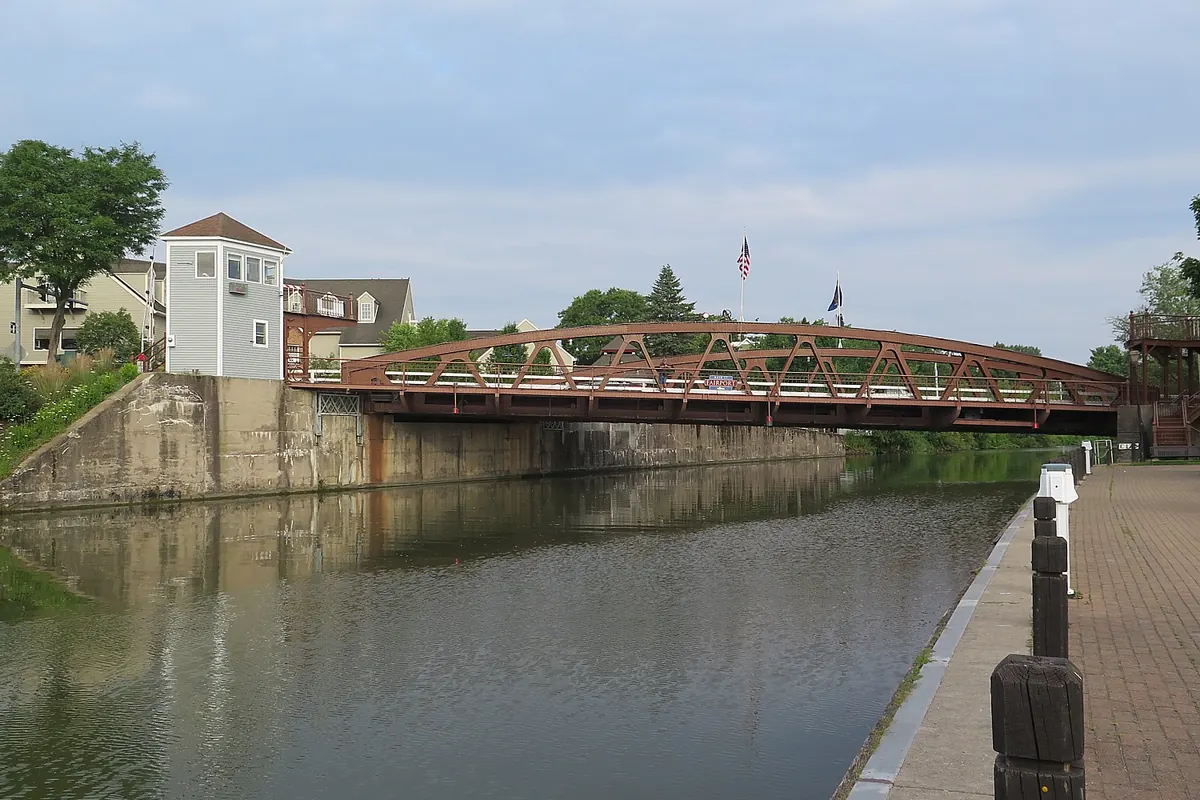
Albion is the county seat of Orleans County, a village that grew up where the Erie Canal crosses Route 98, about 30 miles west-northwest of Rochester. Courthouse Square holds the county's civic heart, Medina sandstone shapes the old buildings, and the roofs here run from Greek Revival courthouses to the houses along the canal.
Albion, NY
Albion was first settled in 1812, and few people lived here until the announcement that the Erie Canal would run through. In 1822 Nehemiah Ingersoll bought the land near the planned crossing of the canal and Oak Orchard Road, and the village, then called Newport, began to grow. Orleans County was created in 1824, and the new county seat was contested between Gaines and Newport. The commissioners chose Newport in 1826 for its spot on the canal and the West Branch of Sandy Creek, and the village changed its name to Albion the next year to avoid confusion with the other Newport in Oneida County. It was incorporated in 1828.
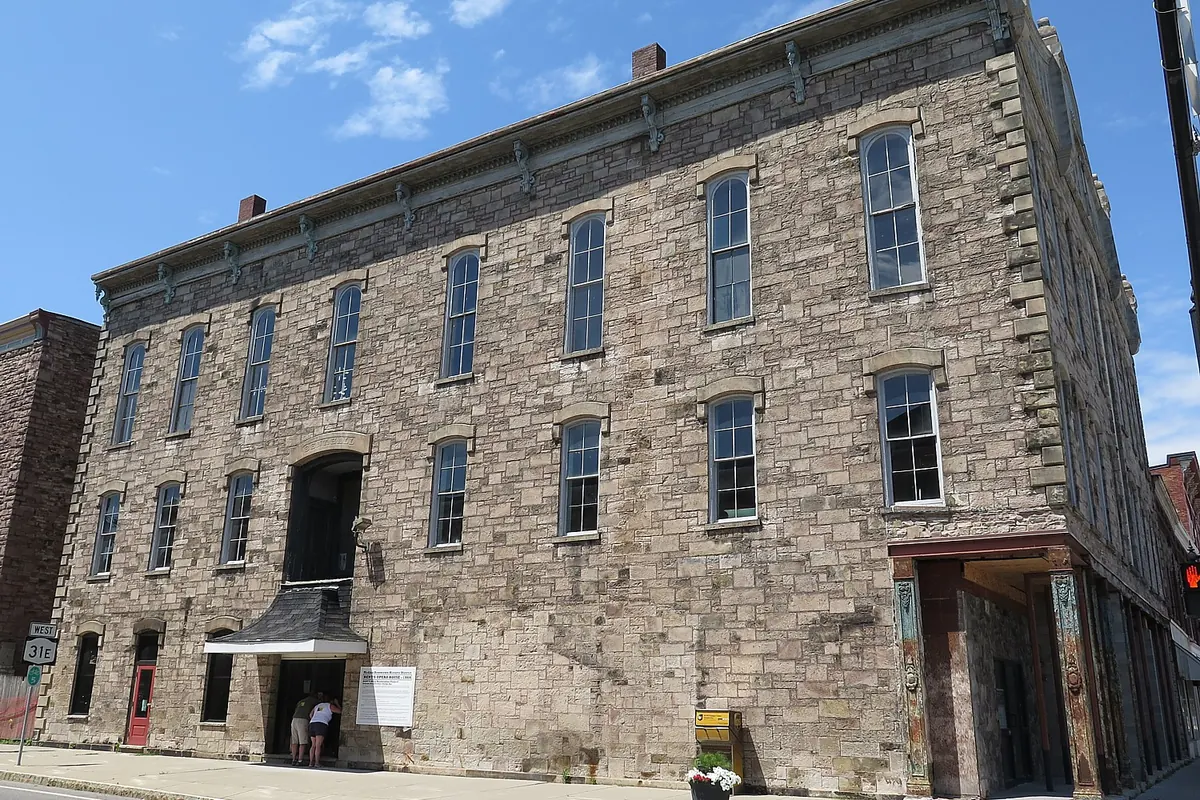
The Erie Canal still passes through the community, and the village sits at the junction of Route 31, which runs east and west as East and West Avenue, and Route 98, which runs north and south as Main Street. Courthouse Square, given to the county by Ingersoll, holds the Orleans County Courthouse from 1858 and the County Clerk's building from 1888, surrounded by 33 buildings in the historic district, most dating from the 1830s to before 1910. A slate and specialty roofing visit in Albion starts with those old buildings, because Medina sandstone and slate ask for hands that know them.
The village sits about 30 miles west-northwest of Rochester, and nine miles up Route 98 sits Lake Ontario. The National Weather Service office in Buffalo puts out the lake-effect snow warnings for Orleans County, and Albion watches them in winter.
Roof anatomy
The field of an old Albion roof is often slate on the grandest homes and architectural shingles on the rest. Slate suits the steep pitches and the sandstone walls, while shingles suit the more modest homes along the side streets.
Medina sandstone, quarried in the area from 1837, shapes the old buildings around Courthouse Square. The stone moves with the frost and thaw, and the flashing where roof meets wall has to move with it.
Flashing is the metal sealing every joint: chimneys, side walls, and valleys. On a sandstone-era home the joints have moved for generations, and an opened flashing joint is the most common source of a leak.
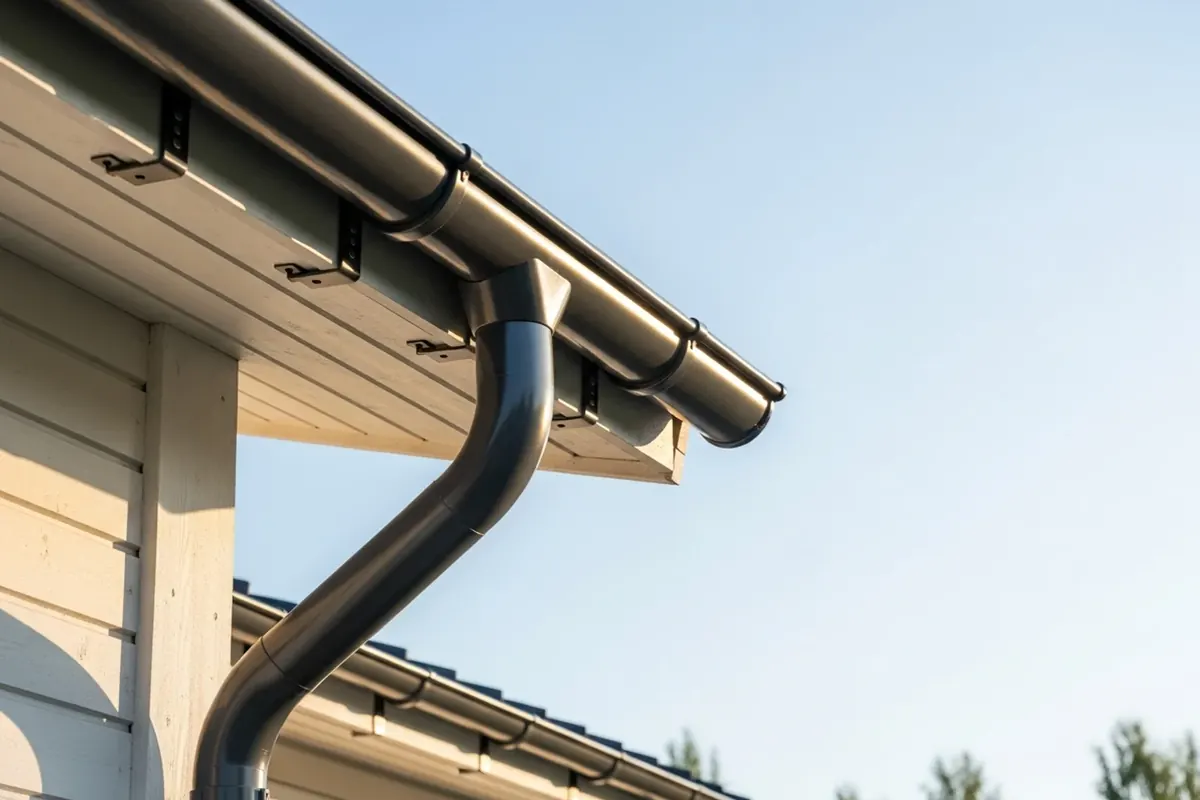
Damp air off the canal keeps the shaded side of a roof wet, and the gutters carry that water away. A gutter that cannot drain holds water against the fascia all winter until the fascia rots from the outside inward.
Canal weather
Canal damp
Damp air off the Erie Canal keeps the shaded side of a canal-side roof wet long after the rain stops, and moss grows in that damp shade. The north-facing slope suffers most.
Lake-effect snow
Snow comes off Lake Ontario in bands, and Albion sits nine miles south of the shore, so the roofs here take deep snow in a single storm. The load sits heaviest on the leeward slope.
Old flashing
The oldest Albion homes still carry the flashing from their build day, and a century and a half of summers and winters has worked those joints loose. Chimneys and valleys start leaking long before the field of shingles wears out.
Through the year
Snow piles deep off the lake, and damp air off the canal keeps the shaded slopes wet. Ice dams build at the eaves above a warm attic.
Spring thaw shows what the snow hid, and spring rain tests every valley, flashing joint, and flat roof drain. Spring is the time to walk the roof and check the valleys.
Summer brings boats through the canal and storms across the open ground west of town. A check after hail catches bruised shingles early.
Trees around Courthouse Square drop maple and oak leaves into the gutters and valleys. Get them cleared before the first snow, and the valleys stay clear.
Coverage
Albion carries 14411, and the work we do here runs from Courthouse Square to the canal-side houses, the homes along Route 31, and the roads north toward Lake Ontario. The village sits partly in the town of Albion and partly in the town of Gaines, and the same crew covers both sides.
The 14411 ZIP covers Albion village in Orleans County, on the Erie Canal at the junction of Routes 31 and 98.
Services
Historic slate on the grandest homes around the square, with tiles matched and flashing reset at chimneys and walls.
Learn more →A flashing joint leaking, a windy-side tab lifted, or moss that has taken hold on a shaded canal slope.
Learn more →An Albion inspection climbs the roof, looks through the attic, and tests every flashing joint, then reports in plain words what needs work now and what can wait until later.
Learn more →Albion gutters carry fall leaves clear, guards keeping the maple and oak out of the run.
Learn more →Or send a note about your Albion canal-side roof.
A slate slipped near the square, or moss on the shaded canal side? Call and tell us which street the house is on.
Call (585) 868-0065FAQ
Yes. Albion work runs from the historic homes around Courthouse Square to the canal-side houses and the homes along Routes 31 and 98. We start on the roof itself, reading the shingles or slate, the flashing, and the deck, and we finish with a plain-words plan for the fix.
Natural slate fits most historic Albion homes, since it matches the original character and lasts a long time with care. Architectural shingles also work well on the more modest homes along the side streets. Which one fits your house comes down to the pitch, the structure, and the home itself.
Canal damp is the cause. Air off the Erie Canal keeps the shaded side of a roof wet long after the rain stops, and moss grows in that damp shade, worst on the north side. Clearing the growth and trimming the branches back lets the roof dry between rains, which holds the moss back.
A lot, in a single storm. Snow comes off Lake Ontario in bands, and Albion sits nine miles south of the shore, so the roofs here take deep snow in one fall. The load sits heaviest on the leeward slope, and the ice dams form at the eaves. A roof rake and a clear gutter are the simplest defenses a homeowner has.
Medina sandstone is a red-brown stone quarried in the area from 1837, used in the old buildings around Courthouse Square and across the region. The stone moves with the frost and thaw, and the flashing where the roof meets a sandstone wall has to move with it, so those joints need a look more often than most.
After the spring snowmelt, and after any summer storm with hail or high wind off the lake. The thaw shows what the snow hid, and a look after a storm catches bruised shingles before the stain reaches the ceiling. Older homes near the square benefit from a look every year, since their flashing has been moving with the seasons for generations.
Streets off Main
Albion is a small village with a clear shape, and the streets off Main Street each hold houses that face the canal, the creek, or the lake wind.
Main Street runs north and south as Route 98, East and West Avenue run east and west as Route 31, and the Erie Canal crosses the village where the two meet. Oak Orchard Road runs north from the canal toward the lake, and the West Branch of Sandy Creek runs through the village beside the old canal crossing. Around Courthouse Square, the historic district gathers 33 buildings, most raised between the 1830s and 1910, with the 1858 courthouse and the 1888 clerk's building at its heart. The side streets off Main hold Greek Revival homes and modest houses alike, and their roofs run from slate on the grandest homes to architectural shingles on the rest.
The canal towpath runs beside the water through the village, and the bridge that carries Main Street over the canal lifts for the boats that still pass through in summer. Walkers on the towpath see the backs of the canal-side houses, where the roofs drop toward the water and the gutters run long along the eaves. The West Branch of Sandy Creek cuts through the village near the old crossing, and the homes along its banks sit in the damp air off the water, with the same shade and wet that the canal-side houses face. The streets off Main are short and quiet, lined with porches and old trees, and the roofs above them are steep enough to shed the lake snow and old enough to carry more than one generation of flashing.
A canal-side home faces damp air off the water all year, and the shaded side of its roof stays wet long after the rain stops, so moss grows in that damp shade and the gutters carry the water away. A square home faces the open ground around the courthouse, where the wind has a clear run and the ridge takes the worst of every storm. A home on the roads north toward the lake faces the lake-effect snow first, nine miles up Route 98 from the shore. A slate and specialty roofing visit in Albion starts with those old buildings, because Medina sandstone and slate ask for hands that know them, and the roof has to suit walls that have stood for well over a century.
Three places, three roofs
The canal, the square, and the roads north toward the lake each give an Albion roof a different kind of wear.
| Roof point | Canal-side homes | Courthouse Square homes | Roads north toward the lake |
|---|---|---|---|
| Damp | Damp air off the canal keeps the shaded side wet, and moss grows fast on the north slope. | Drier air around the open square, but leaf litter from the square trees holds damp against the shingles. | Damp air off Lake Ontario on a north wind, with the shaded slopes staying wet longest. |
| Snow | Lake snow piles deep in a single storm, and the eaves stay cold while the house stays warm. | Snow blows across the open square and drifts against the leeward side, loading one slope more than the other. | The deepest snow in town, arriving first off the lake and sitting longest on the north slopes. |
| Wind | Sheltered by the tree line along the canal, but a storm across the open water drives rain sideways into the eaves. | Open ground around the square gives the wind a clear run, and the ridge and corners take the worst of it. | Open fields toward the shore give the wind a clear run, and the windward slope takes the full force. |
| First thing to check | Flashing where the roof meets the sandstone walls, since the stone moves with frost and thaw. | The ridge cap and the valleys, where the wind and the square trees work the roof hardest. | The eaves and the attic, since the deepest snow builds the thickest ice dams. |
Swipe sideways to see canal-side homes beside the square and the north roads.
Orchard ground
West of Albion the ground opens into orchards and fields, and the farmhouses out there face lake wind with almost nothing to slow it down.
Orleans County is orchard ground, and the fields west of Albion hold rows of fruit trees that break the wind a little and drop their leaves into the gutters each fall. The farmhouses among them carry wide roofs over the house and bigger roofs over the barns, and the two take the lake weather differently: the house roof is steep enough to shed snow, while the barn roof is broad and low, so snow sits on it longer and the drift loads one side. The barn roof beside the house wears under the same sky, and its broad low slope often shows the coming trouble first.
The wind off Lake Ontario runs south across the open ground with little to slow it, and it hits the ridge and the corners of a farmhouse roof first. Trees planted as windbreaks help, but they shade the north slope through the summer, so moss grows there while the sunny side stays clean, and their branches drop leaves into the valleys each fall. The chimneys on these old farmhouses have worked through many winters, and their flashing joints have moved with frost and thaw, opening a little more each year until a stain runs down the brick.
A roof repair on a farmhouse west of Albion usually opens at the chimney flashing and the valleys, then moves to the ridge cap and the windward corners, and only then to the field of shingles. The long gutter runs deserve attention too, since a run that long can fill with orchard leaves in a single fall and hold water against the fascia until spring. A Medina roof a few miles west takes the same lake snow from the same direction, and the two canal villages read the same lake-effect warnings. Gutters cleared ahead of the first snow, branches cut back from the north slope, and a ridge walk after the first hard blow of the season keep a farmhouse roof ahead of the lake wind.
In the county seat the canal chose, a slate roof near the square ages differently from a shingle roof by the canal, and each one shows it in its own place. A note saying which of the two it is, with what you have spotted on it, sets up a visit that looks at that roof and no other.