Main Street Historic storefronts
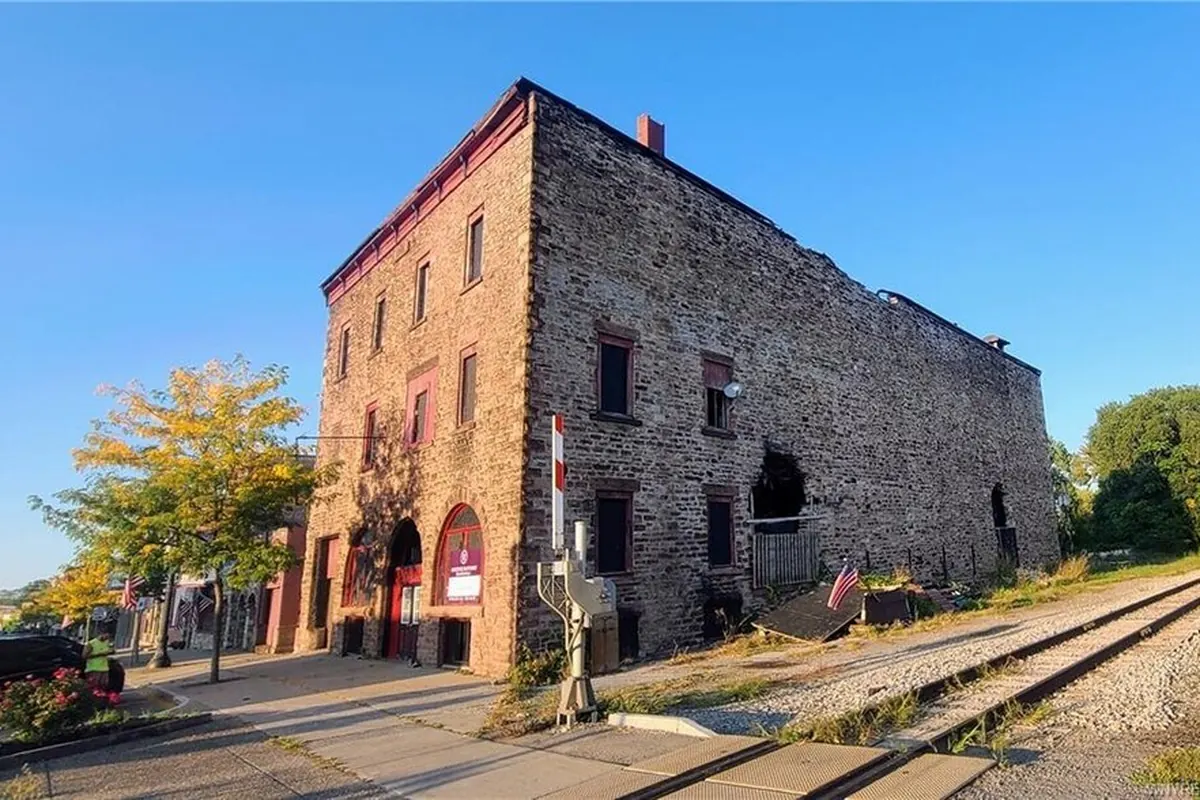
A National Register Historic District with blocks of 1800s storefronts, local shops, and Bent's Opera House above them.
The Canal Village of Orleans County
Medina is a canal village in Orleans County, where the Erie Canal bends through town and forms the Canal Basin, and red Medina sandstone shapes the storefronts on Main Street. The Culvert, the only place the canal passes over a road, sits just east of the village, and the roofs here run from sandstone churches to the houses along Oak Orchard Creek.
Medina, NY
Medina is a village in the towns of Ridgeway and Shelby in Orleans County, and it grew up after the Erie Canal was built through it. The canal bends as it passes through the village, creating a basin that served as a stopover for canal boats, and that basin became the center of the businesses that served the trade and passenger traffic. Mills rose on Oak Orchard Creek to use its water power, and the fertile ground around the village grew fruit that went to market by canal.
The village was incorporated in 1832, and the first commercial sandstone quarry opened in 1837, when John Ryan cut the red stone that would be called Medina sandstone. The stone went into landmarks across the region, including the New York State Capitol, and at their peak the quarries employed upwards of 2,000 people. Main Street is a National Register Historic District, with blocks of 1800s storefronts and the historic Bent's Opera House. A roof repair in Medina has to suit a building that may be built of the same stone as the state capitol.
The Culvert, built in 1823, sits just east of the village on Culvert Road, and it is the only place where the Erie Canal passes over a road. Medina Falls, a 40-foot waterfall on Oak Orchard Creek, runs nearby, and the Medina Railroad Museum holds one of the largest railroad and toy train collections in the state. The National Weather Service office in Buffalo covers Orleans County, and its lake-effect snow warnings are the ones Medina watches.
Symptoms
Tap a sign you have noticed on your own roof. Every sign traces back to a different joint or layer, and every one is fixed differently.
Sandstone shifts with the frost and thaw, and the flashing where roof meets a sandstone chimney has to shift with it. A stain running down the chimney means the joint has opened, and the flashing is reset and sealed.
Call (585) 868-0065The south slope of a Medina roof takes the most sun, and shingles there curl and crack sooner than the shaded side. Curling across a whole slope means the roof is near the end of its life, not just one bad shingle.
Call (585) 868-0065Homes near the canal basin take damp air off the water, and a gutter that cannot drain spills water down the foundation line. A full gutter holds water against the fascia all winter, and the fascia rots from the outside in.
Call (585) 868-0065Steep old roofs in Medina often carry slate, and a tile slips when its nail rusts through or the flashing beneath it shifts. One slipped tile is a small repair when the flashing beneath it still holds.
Call (585) 868-0065Corners of town
A National Register Historic District with blocks of 1800s storefronts, local shops, and Bent's Opera House above them.
The basin where the canal bends through town, with docking, picnic areas, and the towpath running alongside it.
The road east of the village that passes under the Erie Canal through the Culvert, built in 1823 and listed in Ripley's Believe It or Not.
The creek that runs past the village with Medina Falls, a 40-foot waterfall over red sandstone, and the old mill sites along it.
The north side of the village in the town of Ridgeway, toward Lake Ontario, with homes on the roads out of town.
The south side of the village in the town of Shelby, with farmhouses and homes on the roads toward the county line.
Old or new
A roof on a sandstone-era building and a roof on a newer house outside the village face different wind, different damp, and different joints. The table below shows where the two split.
| Roof point | Sandstone-era homes | Newer homes |
|---|---|---|
| Flashing | Flashing meets sandstone walls that move with the frost and thaw, so the joints open sooner and need a look more often. | Flashing meets wood and vinyl siding, which moves less, so the joints hold longer between looks. |
| Pitch | Steep pitches that shed snow fast but give the wind a tall face to push against, so the ridge takes the worst of it. | Moderate pitches that hold snow longer, so the eaves are where the ice dams form. |
| Damp | Canal damp off the basin keeps the shaded side wet, and moss grows fast on a north-facing slope. | Drier air away from the canal, so moss grows slower, but yard trees still shade the north slope. |
| Gutters | Old gutters on stone buildings often run behind parapets or along stone cornices, where a clog is hard to see. | Modern gutters on the eave, easy to see and clear, but quick to clog with fall leaves. |
Swipe sideways to see old homes beside newer ones.
Main Street
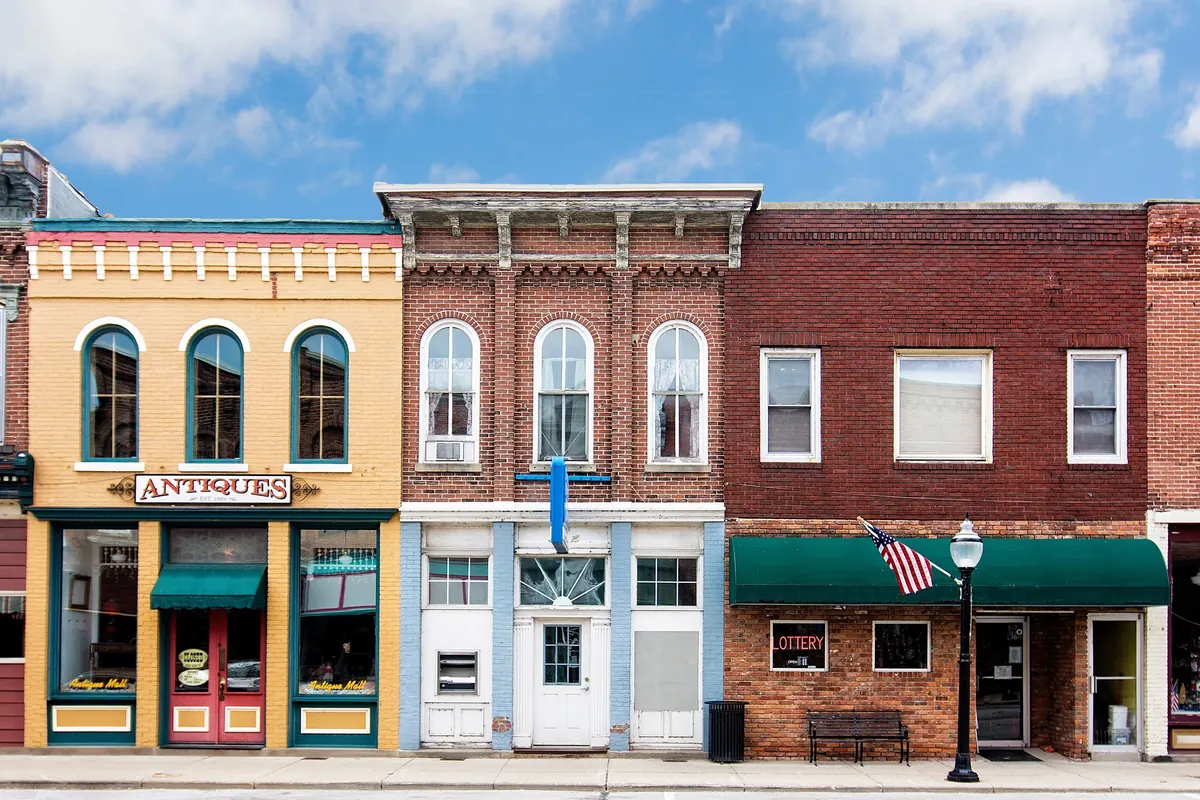
Main Street in Medina is a National Register Historic District, and the roofs above the shops are a different kind of roof than the ones on the houses. They are low slope, hidden behind the parapets, and they carry the rain that falls on the whole block. A low-slope roof fails at the seams and the drains, not at the shingles, and a clogged drain ponds water across the whole deck.
The storefronts below are built of Medina sandstone and brick, and the walls have stood for well over a century. A flat, foam, and single-ply roofing visit on Main Street looks at the seams, the drains, and the flashing where the parapet meets the deck, because those three are where a Main Street roof leaks.
Coverage
Medina carries 14103, and our work here runs from Main Street and the Canal Basin to the Culvert, the falls on Oak Orchard Creek, and the homes on the Ridgeway and Shelby sides of the village. The village sits about ten miles south of Lake Ontario, between Buffalo and Rochester.
The 14103 ZIP covers Medina village in Orleans County, at the junction of Routes 31 and 63 on the Erie Canal.
Services
A leak at a sandstone chimney joint, a slipped slate on a steep old roof, or a low-slope seam above a shop.
Learn more →Low-slope roofs above the Main Street shops, with seams, drains, and parapet flashing checked in turn.
Learn more →Medina inspections read the roof, the attic, and the flashing in one walk, and the findings are told in plain words, what needs work now and what is fine as it is.
Learn more →Nineteenth-century brick and sandstone chimneys, flashing reset and caps set so the joint stays dry.
Learn more →Or send a written note about the sandstone-era roof above your shop.
A stain below a sandstone chimney, or a low-slope seam above a shop? Call and tell us which kind of building it is.
Call (585) 868-0065FAQ
Yes. Medina work covers the sandstone-era homes on Main Street, the houses along Oak Orchard Creek and the Canal Basin, and the Ridgeway and Shelby sides of the village. A repair visit opens on the roof, with the shingles or slate, the flashing, and the deck, and it closes with a plain-words plan for the fix.
Natural slate works well on most historic Medina homes, since it matches the original character and holds up for a long time with care. Architectural shingles also fit the more modest homes along the side streets. Which material suits your house comes down to the pitch, the structure, and the home itself.
Yes. The roofs above the Main Street shops are low slope behind the parapets, and they fail at the seams, the drains, and the parapet flashing. A visit checks each one in turn, and a clogged drain that ponds water across the deck is the first thing we look for.
The Culvert is the only place where the Erie Canal passes over a road, built in 1823 on Culvert Road east of the village. It does not affect roofs directly, but it marks the spot where the canal runs on a berm above the road, and the homes near it sit in the damp air off the canal, which feeds moss on shaded slopes.
Canal damp off the basin keeps the shaded side of a Medina roof wet long after the rain stops, and moss grows in that damp shade, worst on the north side. Clearing the growth and cutting the branches back lets the roof dry between rains, which slows the moss down.
Once the snow has melted in spring, and after any summer storm with hail or high wind off the lake. The spring thaw shows what the snow hid, and a look after a storm catches bruised shingles before the leak finds the attic. Older homes on Main Street deserve a look every year, since their flashing has been moving with the seasons for generations.
Creek and falls
Oak Orchard Creek runs past Medina with a waterfall, a lake, and old mill sites, and the homes along the creek face damp air the Main Street shops never see.
Medina Falls drops 40 feet over red sandstone on Oak Orchard Creek, and Glenwood Lake spreads along the creek nearby, with the old mill sites strung along the water where the creek powered the early village. The creek roads east of Main Street follow the water past homes that sit low beside it, and those homes face damp air off the creek all year, with shade from the trees along the banks keeping the north slopes wet long after the rain stops. Main Street holds its historic district of 1800s storefronts, with Bent's Opera House rising above the shops, and the roofs up there are low slope behind parapets, a different roof entirely from the pitched roofs along the creek.
The canal bends as it passes through the village, creating a basin that served as a stopover for canal boats, and that basin became the center of the businesses that served the trade and passenger traffic. The water in the basin keeps the air beside it wet, so the homes on the basin side fight damp on their shaded slopes through the summer, and their gutters work harder than the gutters on the dry side of town. The Culvert sits just east of the village on Culvert Road, built in 1823, the only place where the Erie Canal passes over a road, and the Medina Railroad Museum holds one of the largest railroad and toy train collections in the state.
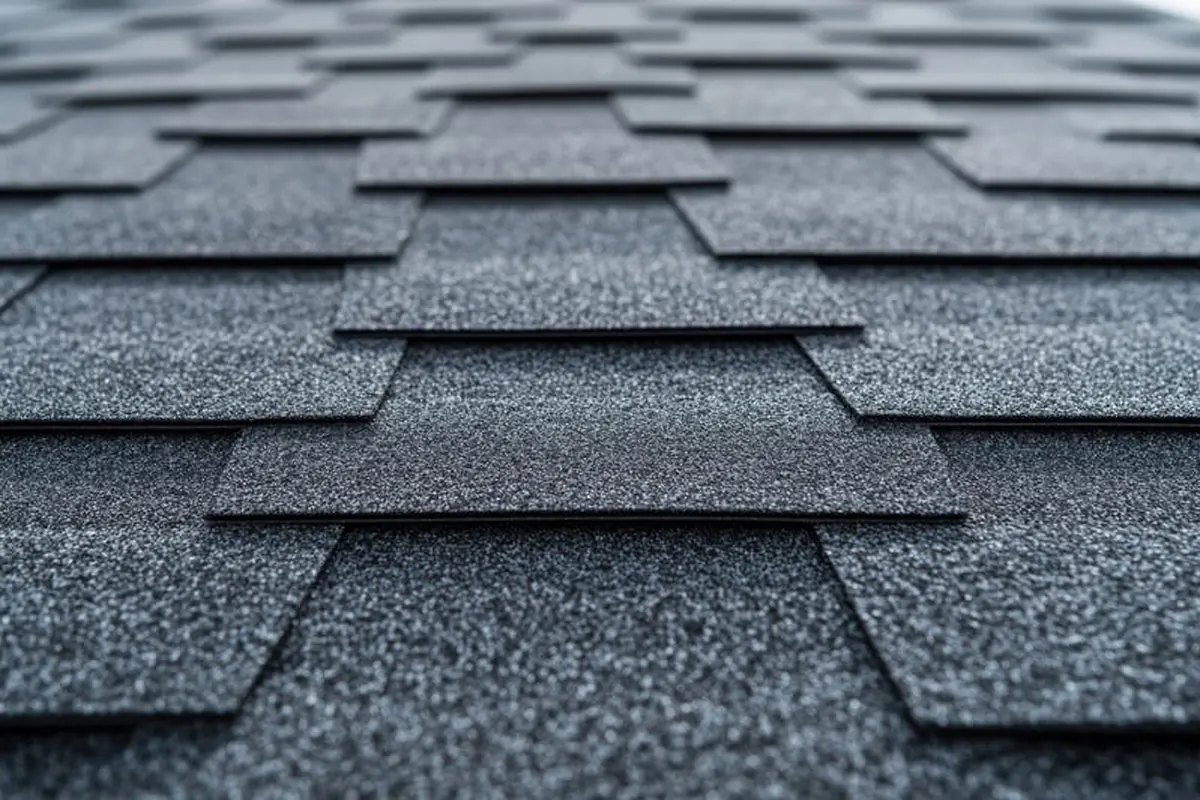
The red stone of the quarries shapes the village in a way no other canal town can match: it colors the storefronts on Main Street, the churches, and the chimneys on the old houses, and every one of those chimneys meets its roof at a joint that moves with the stone through frost and thaw. The quarry-era houses carry steep pitches and slate, while the newer houses past the village line carry shingles on moderate slopes, and the two kinds of roof want different walks. A roof inspection in Medina reads the building by its stone and its water: the sandstone chimney first on an old house, the north slope first on a creek-side home, and the drains first on a shop roof above Main Street.
Stone and water
Medina sandstone moves with frost and thaw, and canal water keeps the air damp, and the two together work every joint on a Medina roof.
The red stone moves a little with every frost and thaw, and the metal where roof meets chimney must move with it, or the joint opens and the brick below starts to stain.
The basin keeps the air wet beside the water, and shaded slopes near it stay damp, so moss takes hold there while the sunny side stays clean.
Old steep roofs here often wear slate, and a tile comes loose once its nail rusts away or the metal beneath it moves with the stone.
Sun hits the south-facing slope hardest, so its shingles curl and crack years ahead of the shaded side, and curling across the whole slope means the roof is wearing out, not just one shingle.
When a gutter cannot drain, water spills down the foundation line, and a run left full through the winter holds water against the fascia until it rots.
Above Main Street, low-slope roofs hide behind parapets, and the flashing where parapet meets deck moves with the seasons and opens first.
Past the village line
Medina straddles two towns, and the roofs past the village line in Ridgeway and Shelby face open wind the village streets never feel.
The village sits in the towns of Ridgeway and Shelby, with the north side in Ridgeway toward Lake Ontario and the south side in Shelby toward the county line. The north roads run out of town past homes on the roads toward the lake, where the wind off Lake Ontario has a clear run and the snow arrives first and deepest. The south roads run past farmhouses and open ground toward the county line, where the fertile ground around the village once grew fruit that went to market by canal, and the orchard rows still break the wind a little while dropping their leaves into the gutters each fall.
A farmhouse past the village line carries a wide roof over the house and a bigger roof over the barn, and the two take the lake weather differently. The house roof pitches steeply enough to throw snow clear, while the broad low barn roof holds it, and the drift piles against one side. The farmhouse chimneys are brick and tall, and their flashing joints have moved with frost and thaw for generations, opening a little more each year. Windbreak trees throw shade across the north slope all summer, and moss takes hold in that shade while the sunny side stays clean.
A roof repair past the village line usually opens at the chimney flashing and the valleys, then moves to the ridge cap and the windward corners, and only then to the field of shingles. The long gutter runs along a farmhouse eave fill with orchard leaves in one fall, and a full run holds water against the fascia through the winter. An Albion roof a few miles east takes the same lake snow from the same direction, and the two canal villages read the same lake-effect warnings. Clear the gutters ahead of the first snow, cut the windbreak branches back from the slope, and walk the ridge after the first hard blow, and a farmhouse roof stays ahead of the lake wind.
Where the canal meets the quarries, a sandstone-era Medina home, a shop on Main Street, and a house by the falls each wear their roofs in their own time. Send the street and the kind of building, with the sign that caught your eye, and the basin side gets the first walk, before the rest of the roof.