Call (585) 868-0065
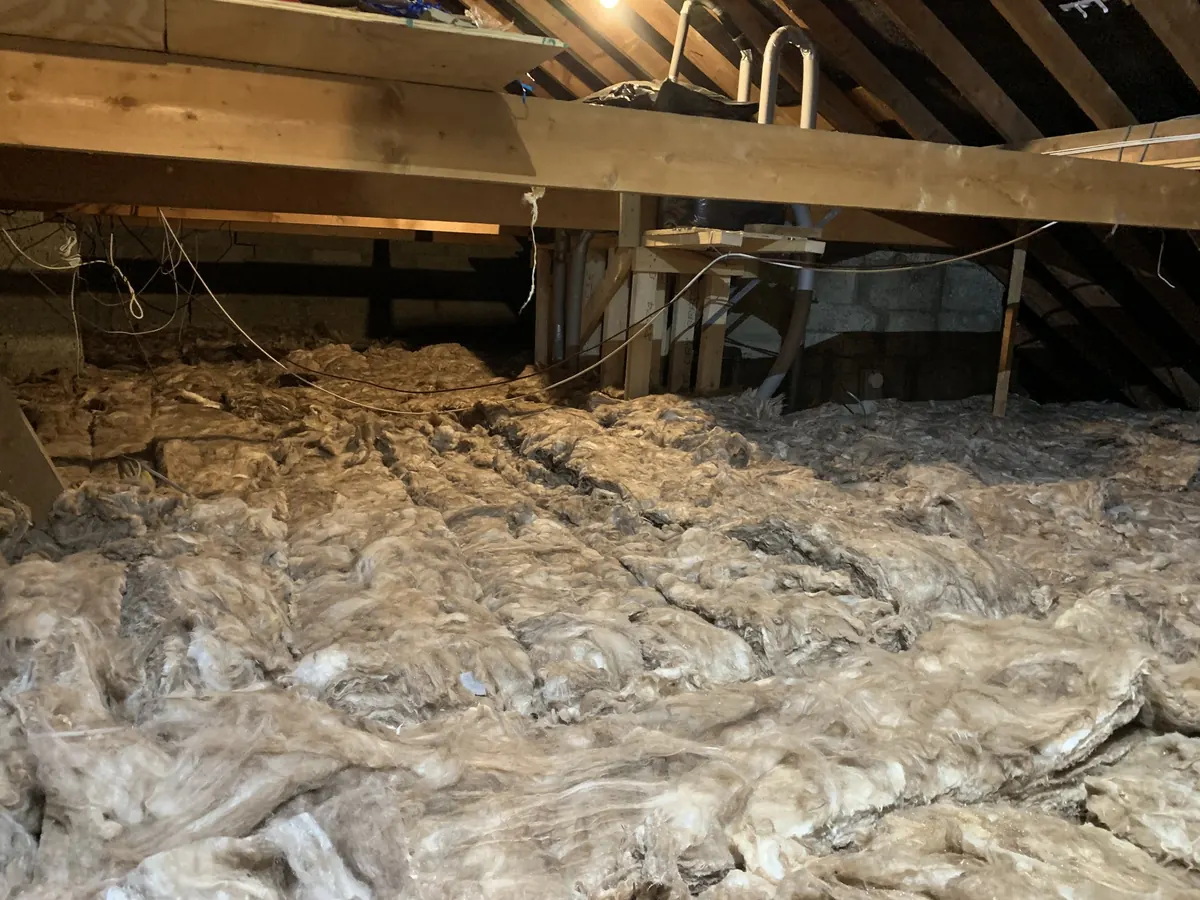
Old insulation spread across an attic floor between the joists

Warm Air, Cold Eaves

Attic Insulation and Ventilation: The Ice Dam Fix

Every ice dam guide ends in the same place: the attic. The dam forms because warm air from the house heats the roof deck and melts the snow from below. Fix the attic, and the dams stop. Here is how insulation, air sealing, and ventilation work together to do it.

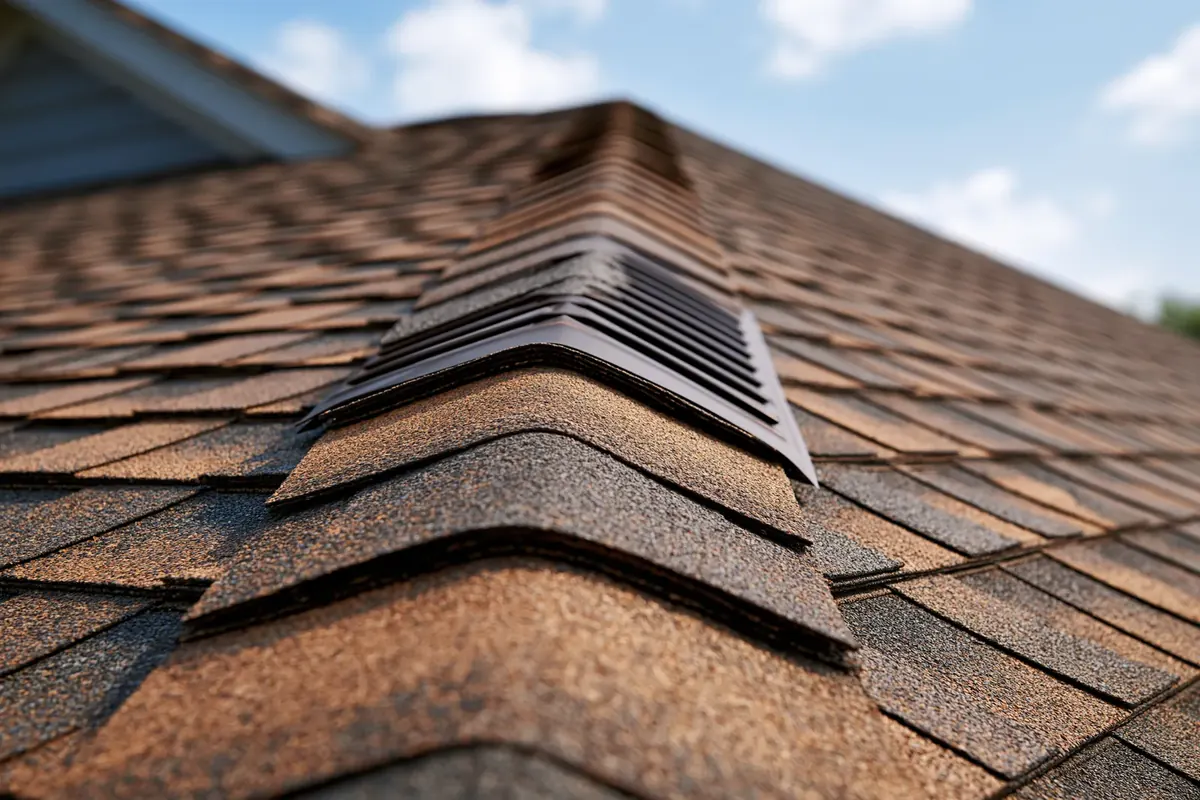
A ridge vent running along the peak of a shingle roof
The ridge vent is the exhaust: warm air leaves at the peak while cold air enters at the soffits.

The cold roof idea

Keep the roof cold and the snow stays still

The goal is simple: the roof deck should stay close to the outside temperature all winter. When it does, the snow on top stays frozen and still, and it melts in the sun or slides off on its own. When the deck warms up, the snow melts from below, runs to the cold eaves, and freezes into a dam. Everything in this post serves that one goal.

Three things work together to keep the deck cold. Air sealing stops warm house air from leaking into the attic in the first place. Insulation on the attic floor slows the heat that still gets through. And ventilation moves cold outside air under the deck, sweeping away the heat that leaks past the other two. Skip any one of them and the system underperforms, which is why a roofer who only adds insulation, or only adds vents, often leaves the dams in place. Our attic ventilation and insulation in Rochester treats all three as one job.

Warm air leaks through surprising places

The biggest leaks are the ones you never see: gaps around light fixtures, the attic hatch, bathroom fan ducts, and the tops of interior walls. Each one is a small chimney carrying warm air up into the attic, and together they can heat the deck more than thin insulation ever will. Sealing them is the first step, before any insulation goes in.
The three parts

How the attic system fits together

Tap a layer to see what it does and what goes wrong when it is missing.

Air sealing

Foam and caulk close the gaps around light fixtures, the attic hatch, ductwork, and the tops of walls. This is the highest-value step, since warm air leaking through a gap carries far more heat than the same air leaking through insulation. Seal first, insulate second, or the insulation sits on top of the leaks and does half its job.

Ice dams every winter on your roof? Call and get the attic checked.

Call (585) 868-0065

Insulation types

Which insulation suits a Rochester attic

The three common choices for an attic floor, and where each one fits.

Attic insulation types for Rochester homes
TypeHow it goes inBest forWatch out for
Blown fiberglassBlown in loose over the attic floorEven coverage, topping up old insulationNeeds baffles so it stays out of the soffits
Blown celluloseBlown in loose, packs denseFilling gaps and odd shapesSettles over time, check the depth
Fiberglass battsLaid in rolls between the joistsOpen, regular atticsGaps and compression cut the value
Spray foamSprayed on, seals and insulatesHard-to-reach spots, rim joistsChanges how the attic vents, needs a pro

Scroll sideways to see the full table.

Whatever the material, the depth matters more than the brand. Older Rochester homes often have a thin layer that was fine when fuel was inexpensive and winters were milder, and topping it up to current guidance is one of the best returns a house can get. The work is dusty and awkward, which is why most homeowners have it done rather than doing it themselves, and why a roofer who does attics every week is the right call. For the wider ice dam story, read why ice dams form and how to stop them. For the fall routine that goes with it, read how to prepare your roof for a Rochester winter.

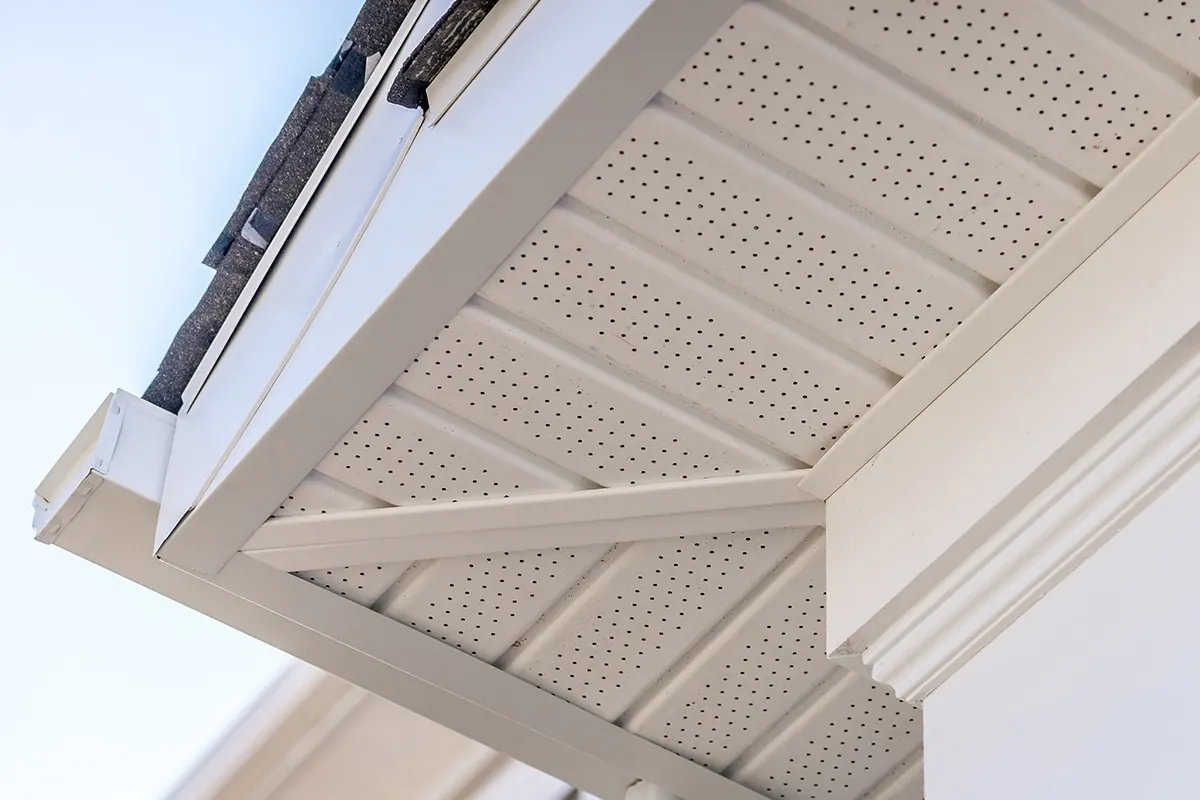
White vented soffit panels under the eaves of a house
Vented soffits are the intake. When they are blocked with insulation, the whole system stalls.

Common mistakes

What goes wrong in Rochester attics

The most common mistake is adding insulation without sealing the air leaks first. The insulation hides the leaks, the warm air keeps rising through it, and the dams keep forming. The second mistake is blocking the soffits with the new insulation, which kills the ventilation the day the insulation goes in. Baffles at the eaves prevent both problems, and any attic job that skips them is incomplete.

The third mistake is mixing vent types that fight each other: a ridge vent plus a powered fan, or gable vents plus a ridge vent, can short-circuit the flow so the air never sweeps the deck. A balanced system has one intake and one exhaust, and it moves air slowly and evenly. If your attic has a fan, a whirlybird, and a ridge vent all at once, the system is working against itself, and a roofer should sort it out. If water has already found its way in, read roof leaks after heavy snow for what to do first. The Monroe County site lists local building and permit contacts for homeowners planning attic work.

People also ask

Quick answers on attic insulation

Short answers on attic insulation, ventilation, and the ice dam fix.

Does more attic insulation stop ice dams?

It helps, but only as part of the fix. Insulation slows heat flow to the deck, but warm air leaking through gaps around lights and hatches carries more heat than insulation can stop. Seal the air leaks first, then add insulation, then balance the ventilation, and the dams stop forming.

How much attic insulation do Rochester homes need?

Federal guidance points to R49 or higher for attics in cold climates like ours. Most older Rochester homes have far less, often a thin layer from decades ago. Topping up to current guidance is one of the best returns a house can get, and it gives back in comfort as well as fewer dams.

Can I add attic insulation myself?

Topping up blown insulation is possible for a handy homeowner, but the air sealing that has to come first is fiddly work in a cramped attic, and blocking the soffits by mistake kills the ventilation. Most homeowners have the whole job done together, since the three parts only work as a system.

Attic still feeding the dams? Call and get the three-part fix laid out.

Call (585) 868-0065

Frequently asked questions

What to ask about attic insulation

Ventilation moves cold outside air under the roof deck, sweeping away the heat that leaks up from the house. Without it, the deck warms up, melts the snow from below, and feeds ice dams at the eaves. The flow also carries moisture out of the attic, which protects the deck and the insulation.

Insulation slows heat flow from the house to the attic, while ventilation moves air under the deck to carry away the heat that still gets through. They do different jobs, and a roof needs both: insulation alone leaves the deck warm, and ventilation alone cannot cope with a big heat leak.

Look under the eaves from outside: vented soffit panels have slots or holes, and they should be clear of paint and debris. Inside the attic, look for insulation pushed into the eaves. If the insulation touches the deck at the edges, the intake is blocked and the ventilation is stalled.

Yes, at every eave where insulation meets the roof edge. Foam baffles hold the insulation back and keep an air channel open from the soffit to the ridge. Without them, the insulation creeps into the eaves and blocks the intake, and the whole ventilation system stops working.

A balanced system cannot have too much, but a mixed system can hurt. A ridge vent plus a powered fan, or gable vents plus a ridge vent, can short-circuit the flow so the air never sweeps the deck. One intake and one exhaust, balanced, is the system that works.

If the work is done before the snow, yes, in most cases. Air sealing, insulation, and balanced ventilation keep the deck cold, and the snow stays still instead of melting and refreezing. Dams that are already frozen in place need steam removal first, then the attic work keeps them from coming back.

It can be, for hard-to-reach spots and rim joists, since it seals and insulates in one step. But it changes how the attic vents, and it has to be installed by someone who knows the system. For most attics, blown fiberglass or cellulose over a sealed floor is the simpler and safer choice.

Keep reading

Related articles

Tired of ice dams every winter?

Tell us about your attic, and we will check the air leaks, the insulation, and the ventilation, and lay out the fix that ends the cycle.