The short answer
Guards stop leaves, not ice dams
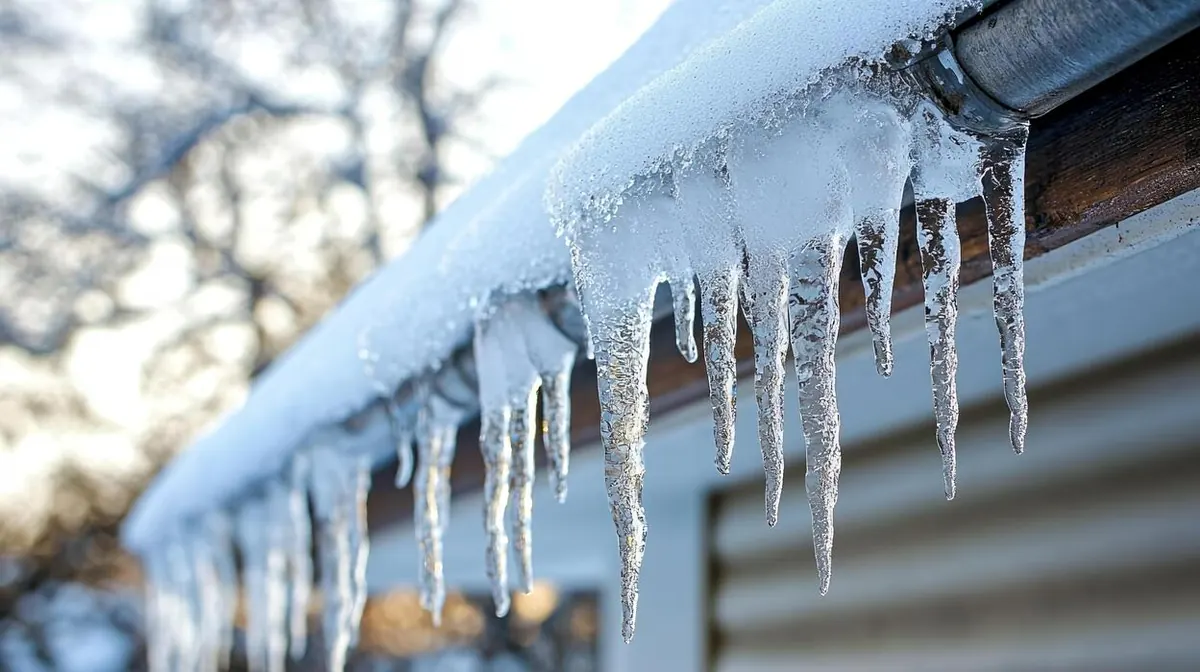
An ice dam forms on the roof edge above the gutter, not inside the gutter. Warm air from the attic melts snow on the upper roof, the meltwater runs down to the cold eaves, and it freezes into a ridge of ice on the roof surface. The gutter below, guarded or open, has nothing to do with it. A dam can freeze across a guarded gutter just as easily as an open one, since the cause is the warm attic, not debris in the trough.
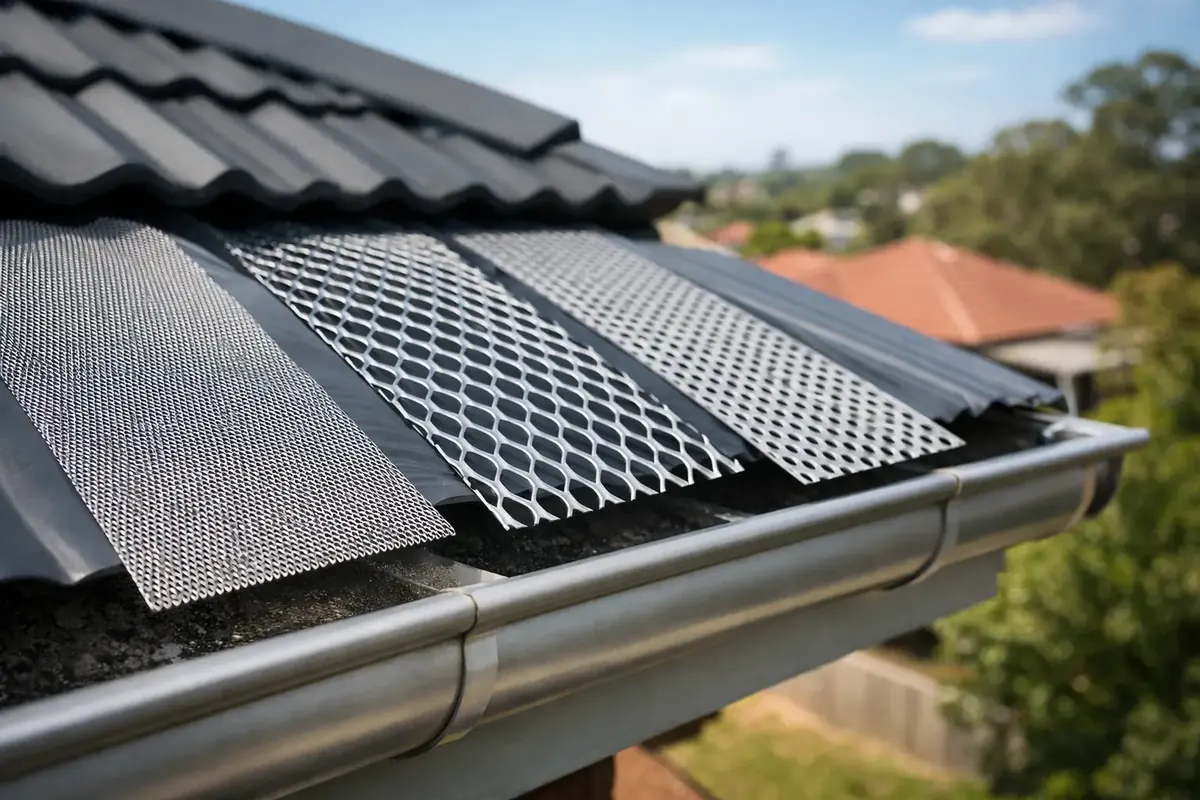
That does not make gutter guards useless. They keep leaves out of the gutter, which means the meltwater that does reach the gutter can drain instead of backing up, and a clean gutter is one less thing feeding the dam. But anyone who buys guards expecting the ice dams to stop will be disappointed, and the disappointment usually arrives in February, when the dam is back and the guards are buried under it. Our gutters and gutter guards in Rochester covers the guard options, and the ice dam guide explains the real fix.
When guards make dams worse
Some guard designs, especially solid covers that sit flat over the gutter, give meltwater a shelf to freeze on. The water sheets across the cover, freezes at the edge, and builds ice outward from the gutter, which is the start of a dam. A mesh guard that lets water through is less prone to this, but no guard is immune when the attic below is warm.