First storm
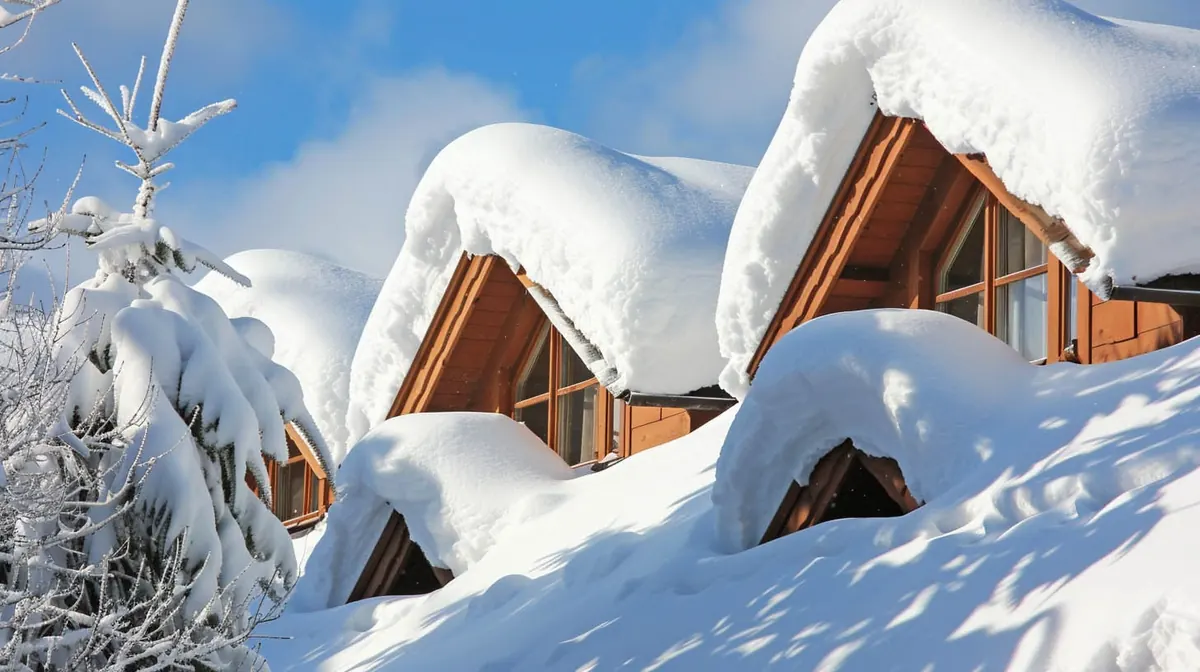
Snow sitting unevenly
If the snow melts in stripes while the rest of the roof stays white, warm air is leaking through the deck at those spots. Note where the stripes are for a spring attic fix.
Winter Preparation
The best time to get a Rochester roof ready for winter is before the first lake-effect band rolls in off Lake Ontario, not after it. A few hours of checks in the fall, from the gutters to the attic, is what stands between a quiet winter and a ceiling stain in February.
Start with water
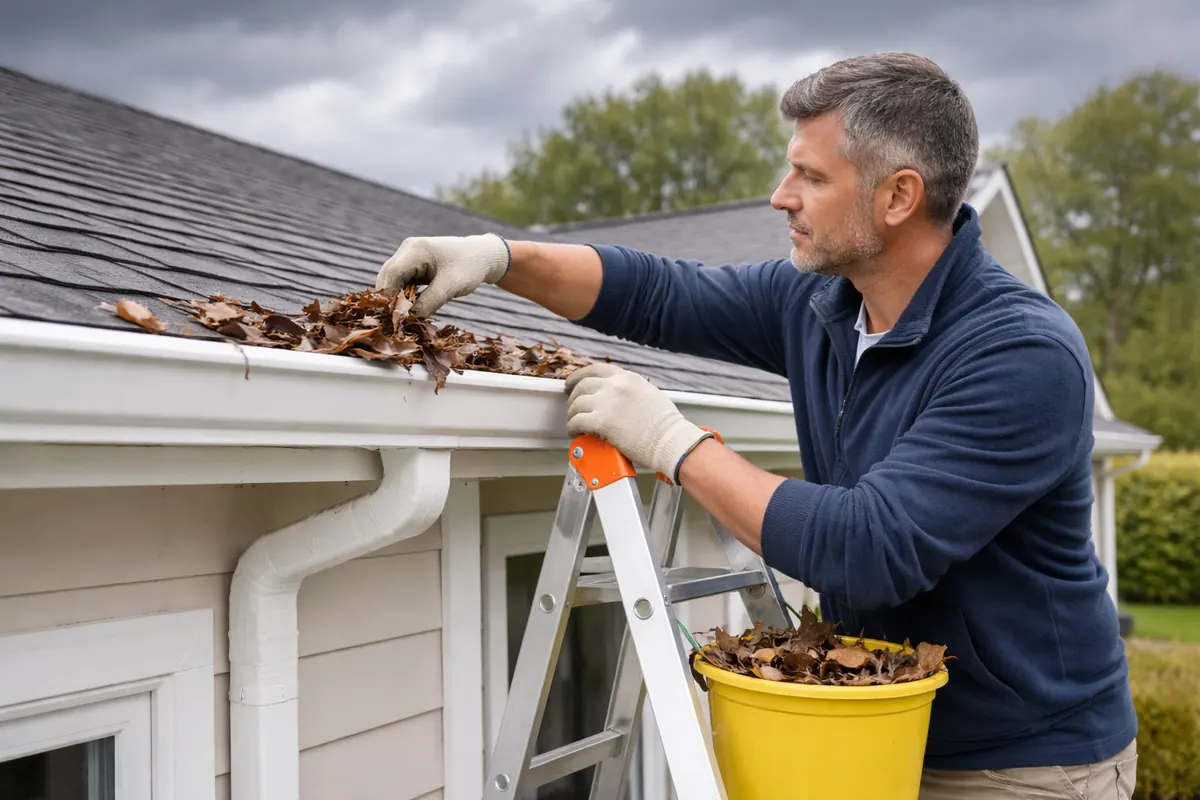
Everything a Rochester roof does in winter starts with drainage. Gutters full of leaves trap meltwater at the eaves, and the trapped water freezes into the base of an ice dam. Downspouts clogged at the elbow send water back up under the shingles. Clean the gutters and the downspouts in late fall, after the leaves are down, and check that the water runs clear all the way to the ground.
While you are up there, look at the shingles from the ladder, not from the roof. Lifted edges, missing granules, and cracked shingles are all visible from a safe spot, and each one is a place where wind-driven snow will get in. A roof inspection in Rochester before winter puts a trained eye on the slopes, the flashing, and the valleys, and it is the step that catches the small problems while they are still small. For the full winter story on ice dams, read why ice dams form and how to stop them.
Limbs hanging over the roof drop leaves into the gutters, scrape the shingles in the wind, and come down heavy with snow and ice. Trimming them back in the fall protects the roof all winter, and it keeps a branch from becoming a hole in the roof during the first big storm.
Fall checklist
Tap each item as you check it off. Every one of these takes minutes in the fall and saves a repair in February.
Want a roofer to run the fall checks for you? Call and book a look before the snow.
Call (585) 868-0065
The attic half
The roof work gets the attention, but the attic work decides whether the winter is quiet. Before the snow, check that the soffit vents are clear of insulation and debris, that the ridge vent is open, and that the attic hatch seals tight. A quick look with a flashlight finds the gaps around light fixtures and ductwork where warm air leaks up, and sealing them now is what keeps the ice dams from forming in January.
If the attic insulation is thin, fall is the time to top it up, since the work is easier before the cold sets in and the attic is harder to work in. Federal guidance points to R49 or higher for attics in cold climates like ours, and most older Rochester homes have far less. Our attic ventilation and insulation in Rochester covers the full job, and the ice dam fix explains how the three parts work together. The National Weather Service Buffalo office posts the first lake-effect outlooks for Monroe County each fall, which is a good nudge to get the checks done.
After the first storm
The prep is done, but the first storm is the test. These are the things to watch from the ground.
First storm
If the snow melts in stripes while the rest of the roof stays white, warm air is leaking through the deck at those spots. Note where the stripes are for a spring attic fix.
Deep cold
Small icicles are normal. Long, thick ones that hang for days mean meltwater is freezing at the eaves, and a dam is forming behind them.
Thaw
Stains on the ceiling after a thaw mean trapped meltwater is backing up under the shingles. Catch it early, and the fix is steam removal, not a new ceiling.
Wind
After a windy storm, scan the roof from the ground for lifted or missing shingles. A missing shingle in January is a leak waiting for the next thaw.
Heavy snow
Drifts banked against a dormer or a wall load one spot hard. Rake the lower roof from the ground after big storms, and clear the drifts first.
All winter
The roof rake is the one tool that helps all winter long. Clear the lower few feet after each storm, and never climb onto a snowy roof to do it.
People also ask
Short answers on getting a Rochester roof ready for winter.
In the fall, before the first lake-effect snow, and after the leaves are down so the gutters can be cleaned once and stay clean. Late October through November is the usual window. The attic checks can happen any time, but the insulation top-up is easier before the cold sets in.
Yes, it is the single most useful fall job. Leaves in the gutter trap meltwater at the eaves, and the trapped water freezes into the base of an ice dam. Clean gutters in late fall, after the leaves are down, and check that the downspouts run clear to the ground.
It is worth it, especially on a roof past 15 years old or one that leaked last winter. A fall inspection catches lifted shingles, worn flashing, and blocked vents while they are still simple to fix, and it is the step that turns a winter of worry into a quiet one.
Fall checks still undone? Call and get them done before the snow.
Call (585) 868-0065Frequently asked questions
Clean the gutters and check the attic. Clogged gutters trap meltwater at the eaves and feed ice dams, while a warm attic melts the snow from below. Those two jobs, done in the fall, prevent most of the winter roof problems in this city.
Seal the air leaks into the attic, top up the insulation, and make sure the soffit and ridge vents are clear so cold air moves under the deck. That keeps the roof cold and the snow still. Raking the lower roof after storms helps too, but the attic work is the lasting fix.
Yes. Limbs over the roof drop leaves into the gutters, scrape shingles in the wind, and come down heavy with snow and ice. Trimming them back in the fall protects the roof all winter and keeps a branch from becoming a hole in the roof during a storm.
Yes, fall is a good time for repairs and for a full replacement. The shingles seal well in the mild fall weather, and the roof is ready before the snow. A repair done in October is far better than the same repair done in January, when the roof is cold and the shingles are stiff.
A roof rake with a long handle, a bucket and towels for a leak, and a roofer's number for steam removal and storm damage. The rake clears the lower roof from the ground, and the number means a leak at midnight is a call, not a search.
No. Guards keep most leaves out, but small debris still gets in, and the guards themselves need a look in the fall. A guarded gutter that is clogged underneath is worse than an open one, since the clog is hidden. Check them every fall either way.
Look for three things: insulation covering the whole attic floor evenly, soffit vents clear of insulation and debris, and no daylight or damp spots on the deck. If the insulation is thin, the soffits are blocked, or the hatch leaks air, the attic is not ready and the dams will come.
Keep reading
Tell us what you see from the ground, and we will run the fall checks, from the gutters to the attic, before the first storm.