Call (585) 868-0065
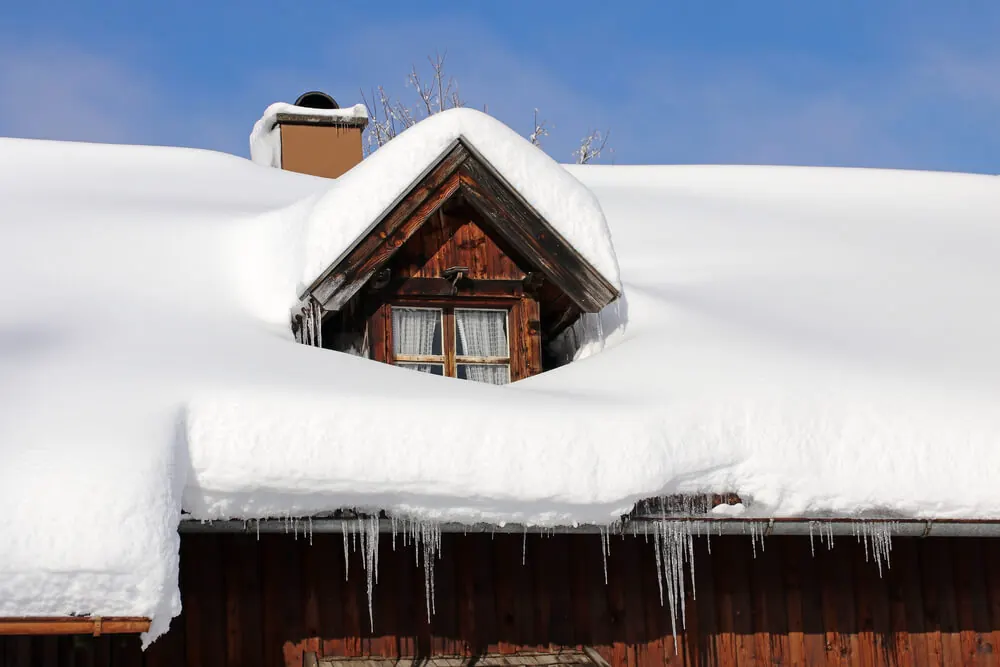
Snow covered house roof in winter with a ridge vent along the peak

Cold Climate Airflow

Roof ventilation in cold climates

In Rochester, ventilation is a winter system first. It keeps the roof deck cold and dry, so snow melts evenly and moist air never settles on the wood.

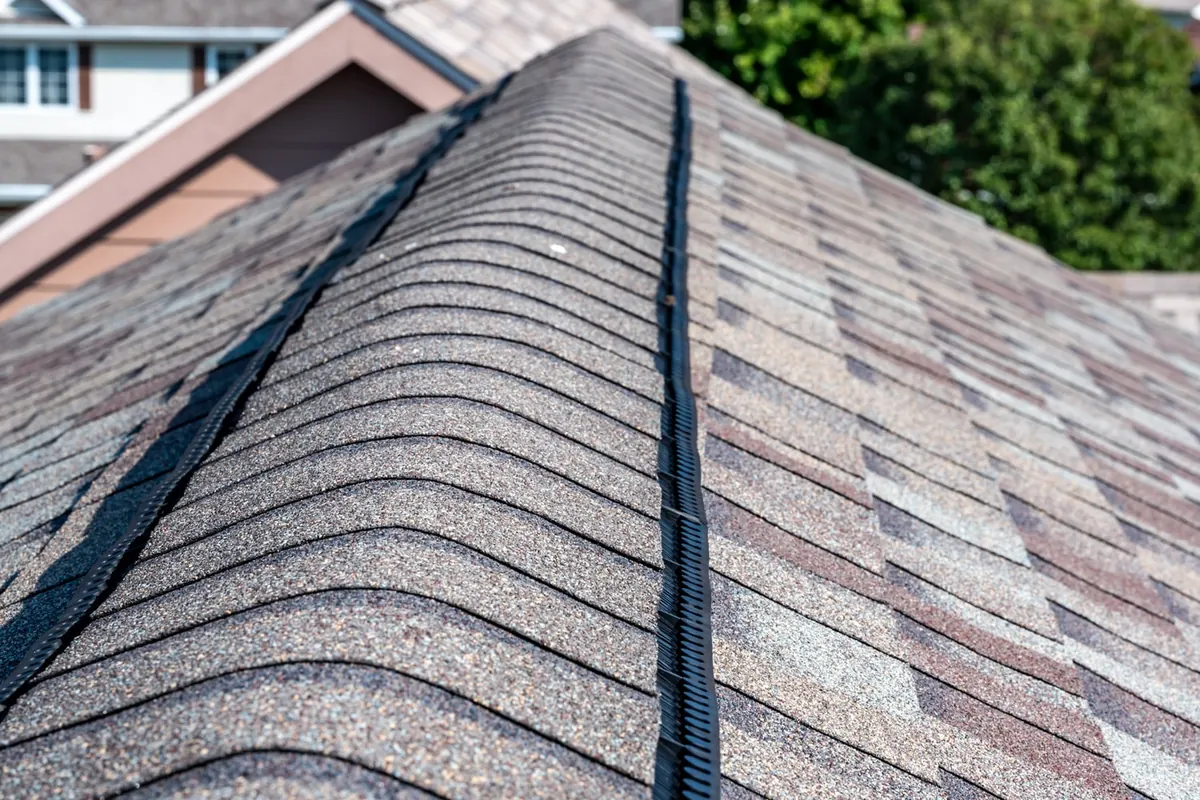
Ridge cap vent installed along the peak of a shingle roof
A ridge vent lets warm, moist air out at the peak while cooler air enters at the eaves.

Why cold roofs need air

Ventilation is a winter system, not a summer one

Most owners think of roof ventilation as a summer thing, a way to let hot air out of the attic. In Rochester it matters more in winter. Warm air from the house rises into the attic, and if it has nowhere to go it warms the underside of the roof deck. Snow on the warm deck melts, runs down to the cold eaves, and refreezes into an ice dam.

Good ventilation keeps the deck close to the outside temperature, so snow melts evenly from the sun and the weather, not from heat leaking up through the ceiling. The system is simple: cool air enters low at the soffits, sweeps up under the deck, and leaves high at the ridge. When that path is open, the attic stays dry and the deck stays cold. Our post on attic insulation and ventilation, the ice dam fix shows how insulation and airflow work as one system.

The moisture matters as much as the heat. A family puts gallons of water vapor into the air each day through cooking, showers, and laundry, and much of it rises into the attic. Without airflow it condenses on the cold deck boards and rafters, feeding mold and rot from below. Ventilation carries that moisture out before it can settle.
The parts

How the ventilation path is built

Tap a part to read what it does. Every piece has one job, and the system only works when all of them are open.

Soffit vents

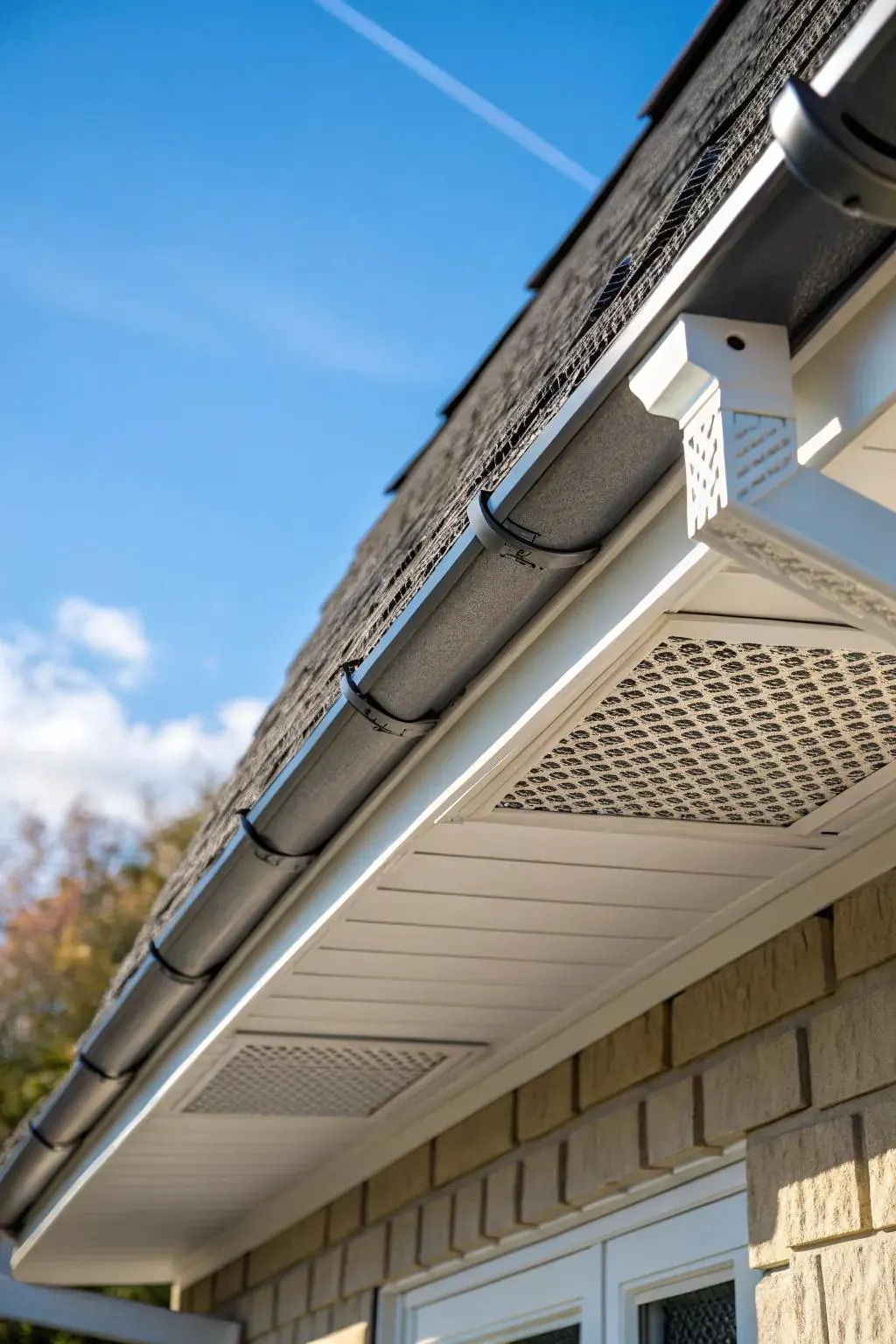
Soffit vents sit under the eaves and let cool outside air into the attic. They are the intake of the whole system, and they must stay clear of paint, insulation, and debris. A roof with a ridge vent and blocked soffits has an exit with no entrance, and the air barely moves.

Roof ridge vent and soffit vents on a house in a cold climate
Intake low, exhaust high: the air path runs from the soffits to the ridge.

When it goes wrong

Blocked vents cause the very problems they were built to stop

The most common failure is simple: insulation pushed into the eaves blocks the soffit vents, and the intake closes. The attic then warms up, the deck warms with it, and ice dams form at the eaves even on a roof that was built right. A roofer or insulation crew can fit baffles and pull the insulation back, and the fix is often a day of attic work rather than roof work.

Mixed vent types cause the second failure. A ridge vent paired with gable vents or powered fans can short circuit the airflow, pulling air through the gable instead of up from the soffits. The deck near the ridge stays warm while the eaves stay cold, which is exactly the pattern that grows ice dams. Attic ventilation and insulation in Rochester starts with a read of what vent types are already on the roof before anything is added.

The third failure is a bath fan venting into the attic. The steam from a shower condenses on the cold deck boards, and the moisture shows up as frost on the nails in midwinter and as dark stains by spring. If your attic smells musty in March, check where the bath fans end before you blame the roof.

Balanced or blocked

Balanced airflow vs a blocked system

The two roofs look the same from the street. The attic tells them apart in one winter.

Balanced airflow

  • Cool air enters at the soffits
  • Air sweeps the full deck, eave to ridge
  • Deck stays near outside temperature
  • Snow melts evenly from sun and weather
  • Attic stays dry, with no frost on nails

Blocked or mixed system

  • Intake choked by insulation at the eaves
  • Air stalls, or short circuits at the gable
  • Deck warms over the living space
  • Snow melts at the ridge, refreezes at the eaves
  • Condensation feeds mold and deck rot

The test is simple: on a cold morning after snow, a balanced roof holds an even blanket of snow. A warm deck shows bare patches over the living space and a thick ridge of ice at the eaves. That pattern is the roof telling you the airflow has failed.

What to ask a roofer

What to ask about your own attic

You do not need to climb into the attic to start. These checks point a roofer to the right fix.

Ask whether the soffit vents are open and whether baffles hold the insulation back at the eaves. Ask whether the ridge vent has a matching intake, and whether any gable vent or fan is short circuiting the flow. Ask where the bath and kitchen fans vent, and whether the insulation is even with no thin spots over the living space.

A roof inspection that includes the attic answers all of it in one visit, and it pairs well with a look at how to prepare your roof for a Rochester winter. The National Weather Service Buffalo office posts lake effect snow and cold snap outlooks for the Rochester area, and those outlooks are a good prompt to check the attic before the next storm: National Weather Service Buffalo.

People also ask

What people ask next about cold climate ventilation

Short answers on keeping a Rochester attic cold, dry, and moving air all winter.

Does roof ventilation matter in winter, or only in summer?

It matters more in winter in Rochester. Warm air leaking into the attic heats the roof deck, melts snow from below, and feeds ice dams at the eaves. Ventilation keeps the deck near the outside temperature, so snow melts evenly, and it carries moist air out before it condenses on the deck boards.

Can too much ventilation hurt a roof?

Too much exhaust without matching intake is the real trouble, since the system then pulls air from the wrong places and stalls. A balanced system with intake low at the soffits and exhaust high at the ridge moves air steadily. The fix is balance, not more vents of one kind.

How do I know if my soffit vents are blocked?

Look at the snow pattern after a cold snap: bare patches over the living space with ice at the eaves point to a warm deck. Inside, frost on the nails and a musty smell in late winter point to trapped moisture. A roofer can check the eaves from the attic and see whether insulation is choking the intake.

Ice at the eaves every winter? Call and ask for an attic and ventilation read.

Call (585) 868-0065

Frequently asked questions

Before you decide: roof ventilation answers

The attic should sit close to the outside temperature, within a few degrees of it. A warm attic means house heat is leaking past the insulation and warming the deck. That warmth melts snow from below and feeds ice dams, so the goal is a cold, dry attic all winter.

Yes, they work as a pair. Soffit vents bring cool air in low, and the ridge vent lets warm air out high. A ridge vent with blocked soffits has an exit with no entrance, and a roof with soffits and no exhaust has an entrance with no exit. Both halves must be open.

Frost on the nails means moist air is condensing on the coldest metal in the attic. It usually traces to a bath fan venting into the attic, or to blocked soffit vents that leave moist air with nowhere to go. The frost melts in spring and drips onto the insulation, leaving stains.

Yes, bath fans and range hoods must vent outside, through the roof or a gable wall, with a proper cap. Venting into the attic dumps steam straight onto the deck boards all winter. It is one of the most common causes of attic moisture in older Rochester homes.

Ventilation helps a great deal, but it works with insulation, not instead of it. Even airflow plus a thick, even insulation blanket keeps the deck cold. Either one alone leaves a warm spot. Read our post on ice dams in Rochester, why they form and how to stop them for the full picture.

Many do not. Older homes were often built with small gable vents and no soffit intake, and later insulation work can block what little intake existed. A ventilation read looks at the vent types, the intake area, and the baffles, and it usually finds a fix that fits the house as it stands.

Keep reading

Read next: ice dams, insulation, and winter prep

Is your attic warm while the eaves freeze?

Call and we will read the vents, the baffles, and the insulation, and tell you plainly what the airflow needs.