Call (585) 868-0065
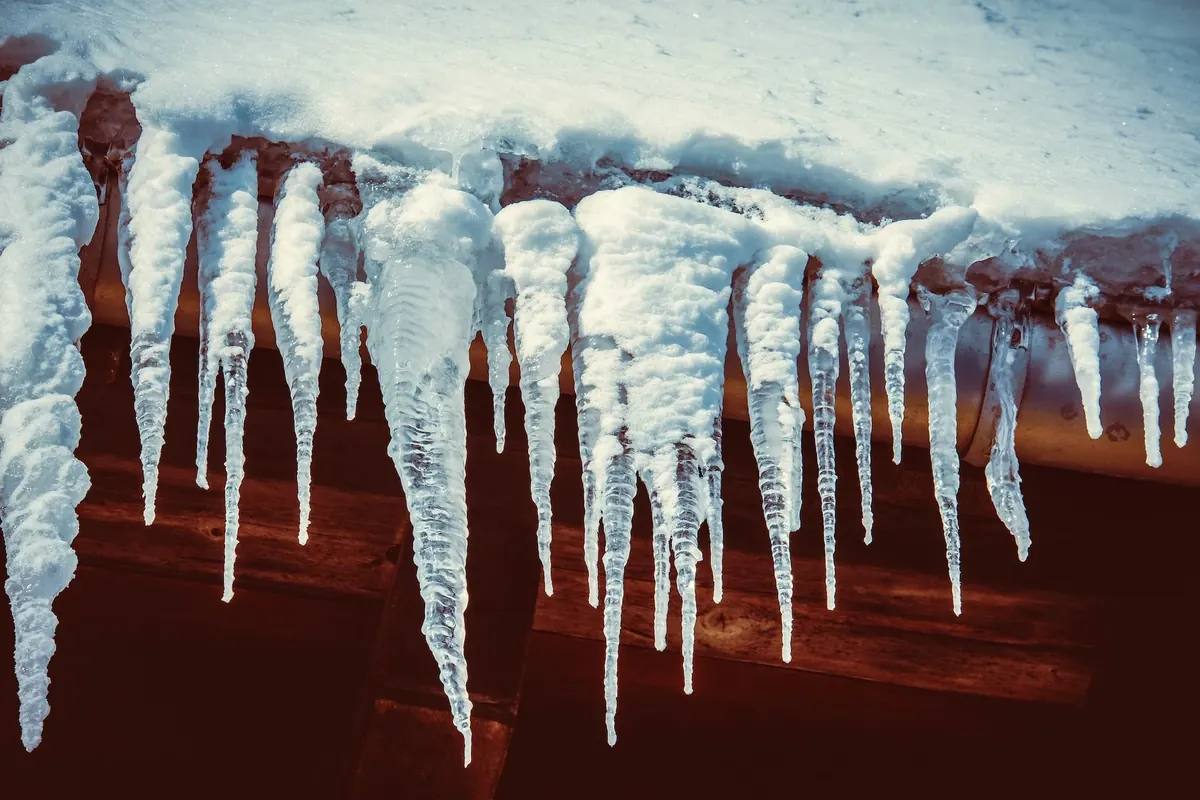
Icicles hanging from roof eaves on a Rochester house in winter

Winter Leak Causes

Why roofs leak in Rochester winters

A roof can hold through a summer storm and leak in January. The cause is usually meltwater backing up under the shingles, and the fix starts with reading the pattern.

Icicles hanging from roof eaves on a Rochester house in winter
Icicles at the eaves often mean water is refreezing where the roof meets the cold edge.

The winter leak pattern

Winter leaks follow meltwater, not rain

A Rochester roof can sit dry through a summer storm and leak in January, and the reason is meltwater. Snow on a warm deck melts, runs down to the cold eaves, and refreezes into a ridge of ice. The next melt has nowhere to go, so it backs up under the shingles and into the house. The leak is not a hole in the roof. It is water moving uphill under the shingles, driven by ice.

Freeze and thaw does the rest of the damage. Water gets into a small crack in a shingle, a flashing joint, or a mortar joint, freezes overnight, and widens the crack a little. The cycle repeats all winter, and by March a joint that held in November is open. That is why winter leaks often show up late in the season, after months of quiet freezing and thawing. The National Weather Service Buffalo office tracks lake effect snow and thaw cycles for the Rochester area: National Weather Service Buffalo.

Wind-driven rain and snow add a third path. A hard wind pushes rain and fine snow sideways, under lifted shingle edges and behind flashing that holds fine in still weather. A leak that only appears in a storm with wind points to a joint that has opened a little, and it is a repair while the gap is small.
Match the symptom

What the leak looks like, and what it points to

Tap a symptom to see the usual cause and the first step. The stain rarely sits under the failed joint.

Stain near an outside wall

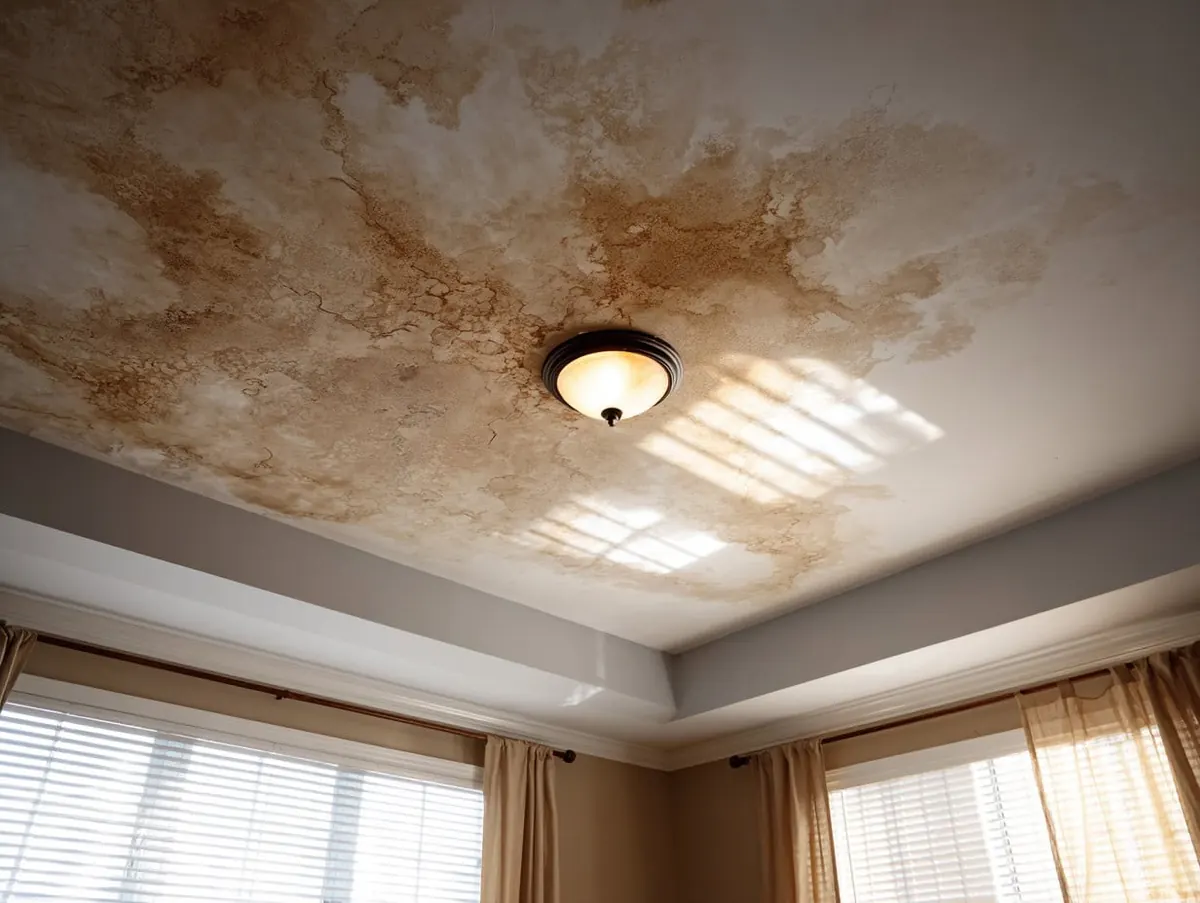
Water backed up behind an ice dam at the eaves runs under the shingles and down the wall. The stain sits at the top of the wall, often in a corner. Clearing the dam and checking the eave flashing comes first, then the attic ventilation that let the deck warm up.

See Ice Dam Help

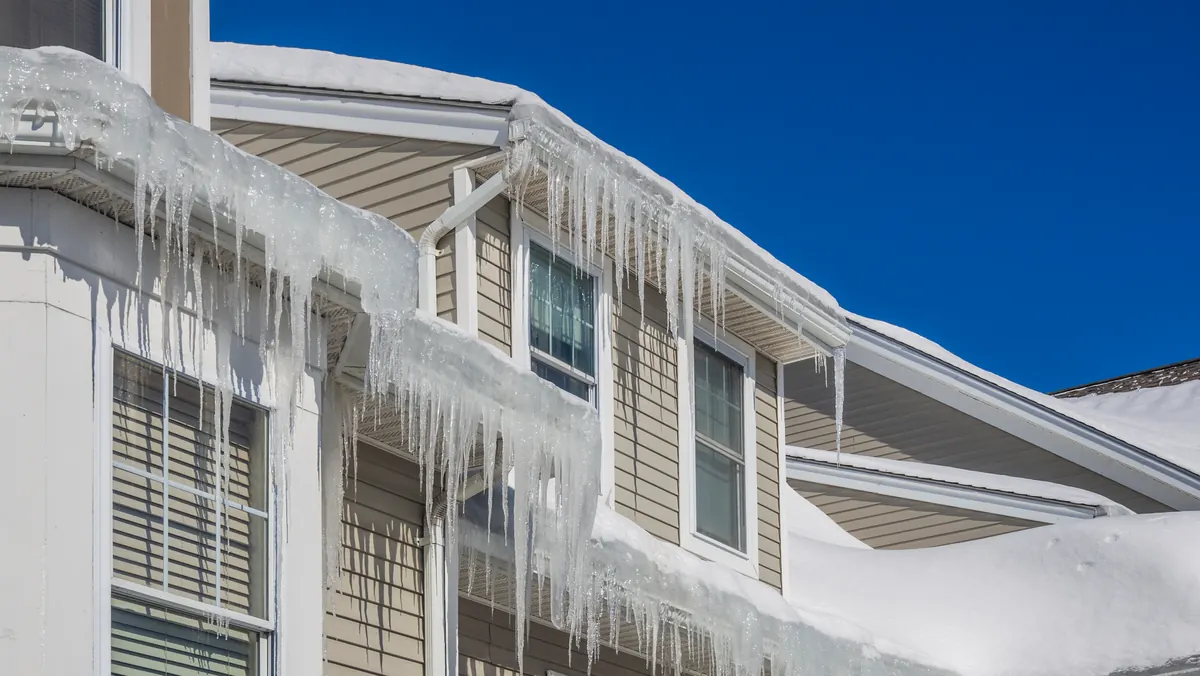
Ice dam along the roof edge with snow piled on the roof above it
The ridge of ice at the eaves holds meltwater back, and the water finds its way under the shingles.

Ice dams first

Ice dams cause more winter leaks than any other single thing

An ice dam starts with a warm deck. Heat leaking into the attic warms the roof over the living space, snow melts there, and the water runs down to the eaves, which sit over the cold outside air. The water refreezes at the edge and builds a ridge. Each new melt adds to the pond behind the ridge, and the pond has only one way in: under the shingles.

The signs are easy to read from the sidewalk. A thick ridge of ice along the eaves, icicles hanging in a row, and a bare patch of roof over the living space while snow still sits at the edges all point to a warm deck. Inside, the stain usually appears at the top of an outside wall, in a corner, or around a window head. Read the full guide in ice dams in Rochester, why they form and how to stop them.

Short term, the dam needs to come off safely, with steam or careful hand work, never with a metal shovel or an axe that tears the shingles. Long term, the fix is in the attic: even insulation, open soffit vents, and bath fans that vent outside. Roof snow removal and ice dam prevention covers both the immediate help and the attic work that keeps the dam from coming back.

A winter leak day

What a leak looks like, hour by hour

Winter leaks rarely start with a drip. They build quietly, then show up all at once.

Cold hold

Snow sits on the roof

Overnight cold holds the snow in place. The deck over the living space is warmer than the eaves, but nothing moves yet.

Thaw

The thaw starts

Sun and rising air melt snow over the warm deck. Water runs down and refreezes at the cold eaves, and the ridge of ice starts to grow.

Backup

Water backs up

The pond behind the dam has nowhere to go. It creeps under the shingles and along the deck, then down the rafters toward the wall.

Stain shows

The stain appears

Water reaches the ceiling or the top of the wall. The stain shows up hours after the melt that caused it, far from the dam itself.

What to do when it leaks

What to do when a winter leak starts

Act on the water first, then on the cause. The order matters, because a bucket stops damage while a repair waits for dry weather.

Put a bucket under the drip and move anything that water can ruin. If the ceiling bulges, the water is pooling above it, and a roofer should see it soon. Take a photo of the stain and note the time, the weather, and whether the leak follows a thaw or a wind-driven rain: that pattern tells the roofer where to look.

Do not climb onto an icy roof, and do not attack an ice dam with a shovel or an axe. A roof repair visit in Rochester can read the eaves, the valleys, and the attic in one trip, and a guide to roof leaks after heavy snow walks through the same steps in more detail. For a leak that will not wait, our emergency roof repair page explains what happens first.

People also ask

What people ask next about winter roof leaks

Short answers on meltwater, ice dams, and the leaks that only show up in January and February.

Why does my roof leak in winter but not in summer?

Winter leaks are usually meltwater, not rain. Snow melts on a warm deck, runs to the cold eaves, and refreezes into an ice dam. The water behind the dam backs up under the shingles and into the house. A roof that holds in summer rain can still leak in winter, because the water is moving uphill under the shingles.

What causes ice dams on a Rochester roof?

Heat leaking into the attic warms the roof deck over the living space, so snow melts there and refreezes at the cold eaves. Uneven insulation, blocked soffit vents, and bath fans venting into the attic all warm the deck. The fix is in the attic: even insulation and open airflow that keep the deck cold.

Should I remove snow from my roof after every storm?

Not after every storm. Light snow on a cold, even roof is fine, and it insulates the deck. Heavy, wet snow after a big lake effect storm is different, especially on older homes. Watch the roofline for sagging and the eaves for ice, and call for help rather than climbing up with a shovel.

Can a winter leak wait until spring?

A small stain can sometimes wait a few days, but water in the attic feeds mold and rot while it waits, and a freeze can widen the joint that let it in. Put a bucket under the drip, watch whether the stain grows, and get the roof read while the pattern is still fresh, so the cause is clear.

Leak that only shows up in a thaw? Call and tell us the pattern, we will read the roof.

Call (585) 868-0065

Frequently asked questions

Before you decide: winter roof leak answers

Most start at the eaves, behind an ice dam, or in a valley where snow packs in. Water backs up under the shingles and runs down the rafters, so the stain often appears at the top of an outside wall, far from the dam itself. A roofer reads the eaves and the attic together to find the entry point.

An ice dam leak follows a thaw and shows up near an outside wall, with a ridge of ice at the eaves above it. A flashing leak follows wind-driven rain and shows up near a chimney, vent, or skylight. The weather that brings the leak, and the stain's place on the wall, point to the cause.

No. Chipping with a shovel, axe, or ice pick tears shingles and opens the deck to more water. Roof-safe removal uses steam or careful hand work along the eave, and it keeps the crew off the icy slope. Call for help rather than risking the roof or a fall.

Water moves slowly through the roof layers. It backs up behind the dam, creeps under the shingles, runs down the rafters, and soaks through the insulation before it reaches the ceiling. The stain can show up in the evening, hours after the midday thaw that caused it.

Clogged gutters can add to the trouble by holding water at the eaves, where it freezes and feeds the dam. Clean gutters in late fall help the melt drain away. Our post on gutter cleaning and maintenance in Rochester covers the timing and the signs of a gutter that is holding water back.

The eaves for ice dams, the valleys for packed snow, the flashing at chimneys and vents, and the attic for stains, frost, and blocked vents. That one loop, outside and inside, usually finds the entry point, and it also shows whether the cause is the roof surface or the attic above it.

New shingles help when the field has worn out, but they do not stop an ice dam on their own. If the deck is warm, the dam forms on a new roof just as it did on the old one. The lasting fix pairs sound shingles with even insulation and open ventilation, so the deck stays cold.

Keep reading

Read next: ice dams, snow, and winter prep

Leak that only shows up in winter?

Call and tell us when it appears. The pattern points to the cause, and we will read the roof and the attic to find it.