Call (585) 868-0065
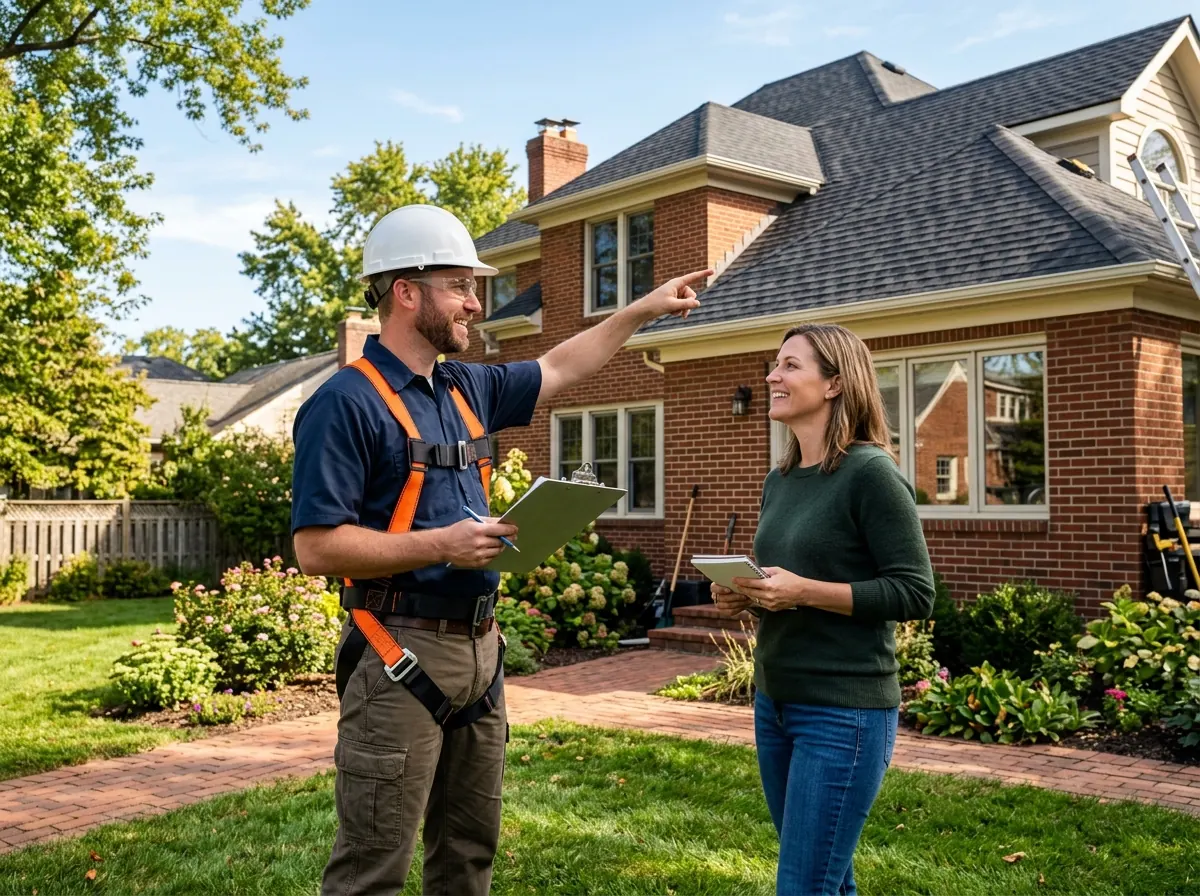
Roofer talking with a homeowner outside their house

What to Ask Before Work Starts

Roof work terms: what Rochester homeowners should ask

A roof is a big job, and the words around it matter as much as the shingles. Before any work starts, get the scope, the materials, the dates, and the workmanship terms in writing.

Roofer talking with a homeowner outside their house
A good roofer answers plain questions plainly, in writing, before any work starts.

Before any work starts

The written terms matter as much as the roof

A roof is a big job, and the words around it matter as much as the shingles. Before any work starts, a Rochester homeowner should have the terms in writing: what work will be done, what materials will be used, when it starts and finishes, and how the billing is handled. A roofer who puts all of that in writing, in plain language, is a roofer who stands behind the work.

The written scope is the heart of it. It should name the work, slope by slope: tear off, deck boards, underlayment, flashing, shingles, ridge, and vents, plus the gutters and the cleanup. It should name the materials by brand and line, so the shingles on the roof are the shingles on the paper. And it should say what happens if the crew finds soft deck boards once the old roof is off, so there are no surprises mid-job.

New York does not issue a statewide roofing license, so the license and insurance question matters more here, not less. Ask to see the roofer's license and insurance documents, and ask what they cover. A licensed and insured roofer shows the papers without a fuss, and the papers should be current. Our post on how to choose a roofer in Rochester walks through the same checks in more detail.

Ask before you sign

The questions to ask before any roof work starts

Tap an item to tick it off. Take this list to the first meeting, and get the answers in writing.

Roofing documents and a pen on a table during a signing
Read the paper before you sign it, and ask about anything that is not clear.

Read the paper

What the written terms should say, line by line

The written terms should read like a plain list, not like a puzzle. The work, the materials, the dates, the billing, and the workmanship terms should each have their own line, in words a homeowner can understand. If a line is unclear, ask what it means before you sign, and get the answer written into the paper. A roofer who rushes the signing is a roofer to pause on.

Watch for what is missing as much as for what is there. A paper with no material names, no start date, no billing split, and no workmanship terms is a paper that leaves the owner with nothing to hold onto if the work goes wrong. The missing lines are the ones that matter most when a dispute starts. Ask for each one by name, and get it added before the work begins.

Keep a copy of everything: the signed paper, the material list, the license and insurance documents, and every note about changes during the job. If the crew finds soft deck boards and the scope changes, that change should be written down and signed too, before the extra work starts. Our post on how to choose a roofer in Rochester covers the same ground from the roofer side, and roof replacement in Rochester shows what the work itself includes.

The terms, in plain words

Roof work terms every homeowner should know

These words show up on every roofing paper in Rochester. Knowing them before the meeting means the meeting goes faster.

Scope of work
The written list of what will be done, slope by slope: tear off, deck, underlayment, flashing, shingles, ridge, vents, and cleanup.
Workmanship terms
What the roofer covers for the work itself, for how long, and what is not covered, written in plain words on the paper.
Material terms
What the maker of the shingles and other materials covers, and for how long. The roofer should explain these in plain words.
Change order
A written note, signed by both sides, when the work changes mid-job, such as soft deck boards found under the old roof.
Permit
The local approval for the work, pulled by the roofer or the owner. New York does not issue a statewide roofing license, so local rules apply.
Final walkthrough
The walk around the roof and the yard with the crew at the end, checking the work, the gutters, and the ground before the last billing.

Red flags

Signs the terms are not right

Some papers and some promises should make a homeowner pause. These are the ones to watch for.

A roofer who will not put the terms in writing is the clearest red flag of all. So is a paper with no material names, no dates, and no workmanship terms, or a roofer who asks for the full billing before the work starts. A roofer who cannot show current license and insurance documents, or who rushes the signing, is asking for trust without giving a reason for it.

The other red flag is pressure: a roofer who says the offer ends today, or who will not let you read the paper at home. A roof is a big job, and a day to read the terms is fair. Take the paper home, read it line by line, and compare it with the list above. If you want a second read, our post on how to choose a roofer in Rochester covers the same ground, and a roof inspection gives you the facts about your own roof before any paper is signed.

People also ask

What people ask next about roof work terms

Short answers on written scope, workmanship terms, and the questions to ask before work starts.

What should a roofing contract include?

The written scope of work, the materials by brand and line, the start and finish dates, the billing split, and the workmanship terms, all in plain words. It should also say what happens if the crew finds soft deck boards under the old roof, and who handles the local permits and inspections.

What are workmanship terms on a roof?

They are what the roofer covers for the work itself, for how long, and what is not covered, written in plain words on the paper. They cover the labor and the way the roof was put together, and they sit beside the material terms from the maker of the shingles. Ask for both, in writing.

Should I get more than one roofing quote?

Yes. Talking to more than one roofer lets you compare the written scope, the materials, the dates, and the workmanship terms side by side. The papers should be compared line by line, not just by the total, since a paper that leaves out the flashing or the deck work is not the same job.

About to sign a roofing paper? Call and ask what to check first, before the work starts.

Call (585) 868-0065

Frequently asked questions

Before you decide: roof work terms answers

New York does not issue a statewide roofing license. That makes the license and insurance question more important, not less: ask to see the roofer's current license and insurance documents, and ask what they cover. A licensed and insured roofer shows the papers without a fuss.

A change order is a written note, signed by both sides, when the work changes mid-job. The most common one is soft or rotted deck boards found once the old roof is off. The change should be written down and agreed before the extra work starts, not after.

The billing is usually split across the job, with part due at the start and the rest due when the work is finished and walked through. The split, the dates, and what each part covers should be in writing. A roofer who asks for the full billing before the work starts is a red flag.

The crew should stop, show you the boards, and agree the change in writing before the extra work starts. The change order should name the boards, the work, and the billing. Never agree to extra work on a verbal promise alone, and keep a copy of the signed change.

It depends on the town, and the paper should say who does it. In Rochester and the towns around it, the roofer usually pulls the local permit and books the inspection, but the paper should name who is responsible, so nothing is left to habit or memory.

The final walkthrough is a walk around the roof and the yard with the crew at the end of the job. It checks the shingles, the flashing, the ridge, the gutters, and the ground for nails and debris. The last billing is due after the walkthrough, when the work is finished and agreed.

Yes, and you should. A roofer who will not let you take the paper home to read is a red flag. Read it line by line, compare it with the questions in this post, and ask about anything that is unclear. A day to read the terms is fair for a job this size.

Keep reading

Read next: choosing a roofer, reading a quote, and timing

About to sign a roofing paper?

Call and ask what to check first. The right questions before work starts save trouble after it.