Late spring: the season opens
Days lengthen, the snow clears, and the crew can read the deck properly for the first time since fall. Spring is the best season to catch winter damage early, and crews book fast once the thaw sets in.
Replacement Timing
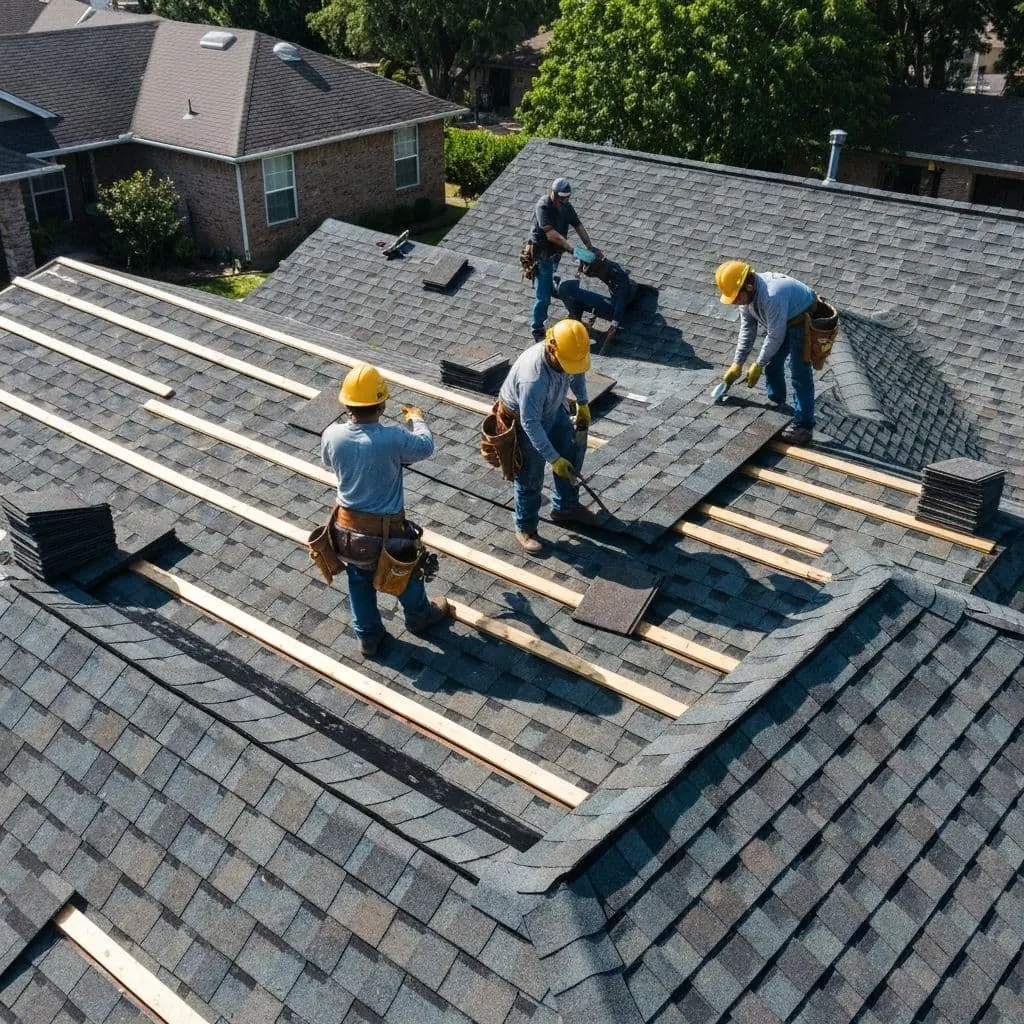
Most Rochester roof replacements happen from late spring through early fall, when the days are long and shingles seal well. But the roof's condition sets the real deadline.
The short answer
Most roof replacements in Rochester happen from late spring through early fall, when the days are long, the weather is steadier, and shingles seal well in the warmth. The crew can tear off, re-deck, and lay the new field in a steady rhythm, and the shingles bond as they are laid. That is the window most owners aim for, and it is the window crews book first.
But the best time for your roof is not always the best time on the calendar. A roof that is leaking, sagging, or missing shingles should not wait for June, and a roof that is sound can wait for the season that suits the house. The right time weighs three things: the roof's condition, the weather on the day, and the crew's schedule. Our post on signs your Rochester roof needs replacing helps you read the first of those three.
Shingle seal matters in the shoulder seasons. Asphalt shingles seal with warmth and sun, so a cold snap can slow the bond. Crews handle that with hand sealing and careful nailing, and the seal sets as the weather warms. A winter replacement is possible, and it happens when a roof cannot wait, but the crew plans around short days, cold hands, and snow on the slope.
Season by season
Every season has a trade off. The table reads like a calendar, so you can match the season to your roof.
Days lengthen, the snow clears, and the crew can read the deck properly for the first time since fall. Spring is the best season to catch winter damage early, and crews book fast once the thaw sets in.
Warm sun seals shingles quickly and the crew has the longest working days of the year. Summer storms can pause work for a day, but the season gives the most room to finish a full roof without rushing.
Cool, steady weather and clear days make early fall a favorite for crews. The roof goes on before the first snow, and the shingles have time to set. Late fall brings short days and the first lake effect snow, so timing matters.
A roof that is leaking or open to the weather should not wait for spring. Winter work is possible with hand sealing and careful staging, but snow, ice, and short days slow every step, and the seal sets when the weather warms.
Plan ahead
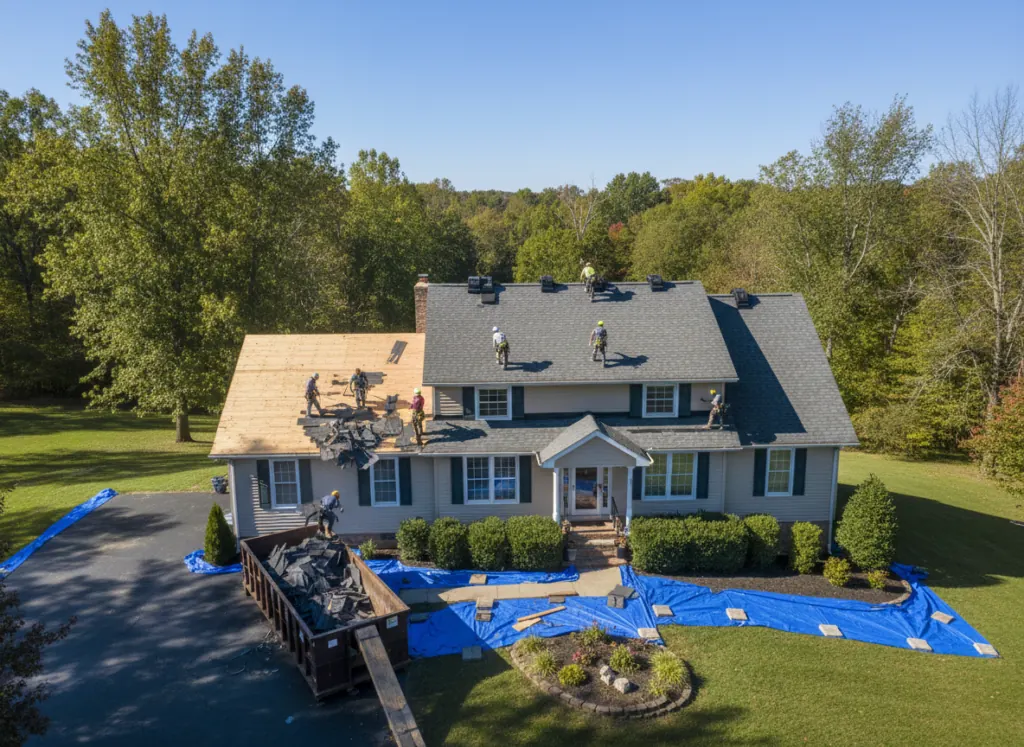
Crews in Rochester book out weeks ahead in the busy season, and the best slots go to the owners who call early. If your roof is showing wear in the spring, call then, not in August when the calendar is full. An early call also gives time for a full read of the deck, the ventilation, and the flashing, so the replacement fixes the causes rather than just the shingles.
The roof itself sets the real deadline. A roof with a sagging ridge, a soft deck, or leaks in several spots should move up the list, whatever the month. A roof that is sound but aging can wait for the season that suits the house, the crew, and the weather. A roof inspection in spring or fall gives you that read while there is still time to plan.
If you are weighing materials for the new roof, our post on best roofing materials for Rochester's snow and cold compares the options for this climate, and metal roofing vs asphalt shingles in Rochester lays out the two most common choices side by side.
The week of the job
A full roof replacement is a short, intense job. Knowing the rhythm helps you plan around it.
Day one
The crew strips the old field, reads the deck board by board, and swaps any soft or rotted boards before anything new goes on.
Day two
Underlayment goes down, valleys and eaves are sealed, and new flashing goes in at the chimney, vents, and skylights.
Day three
The new field goes on course by course, then the ridge cap and vents finish the peak. The roof is weather tight by the end of the day.
Final walk
The crew clears the yard, runs a magnet for nails, and walks the roof and the ground with you so nothing is left behind.
When not to wait
Some roofs cannot wait for the ideal season. These are the signs that move a replacement to the front of the line.
A sagging ridge or a dip between rafters means the deck or framing needs attention now, not next season. Leaks in several spots, shingles missing across a slope, and daylight through the deck all mean water is already inside. A roof in that state should be read soon, and the work should follow the read, whatever the month.
If the roof is sound but aging, the shoulder seasons are your friend: late spring and early fall give steady weather without the peak-season rush. And if the work has to happen in winter, a crew that plans for it, with hand sealing and careful staging, can still do a sound job. The roof replacement page walks through what the job includes, and our post on how long a roof lasts in Rochester helps you read where your roof sits in its life.
People also ask
Short answers on seasons, shingle sealing, and when a Rochester roof should not wait.
Late spring through early fall is the usual window, with long days, steady weather, and warmth that helps shingles seal. Early fall is a favorite, since the roof goes on before the first snow and has time to set. The best month for your roof also depends on its condition, and a leaking roof should not wait for June.
Yes, when it cannot wait. Crews hand seal shingles in cold weather, stage the work around short days and snow, and the seal sets as the weather warms. Winter work is slower and needs more planning, but a roof that is open to the weather should not wait for spring.
Book as early as you can once the roof shows wear. Crews fill their calendars weeks ahead in the busy season, and the best slots go to owners who call in spring. An early call also leaves time for a full read of the deck, the ventilation, and the flashing before the work starts.
Roof showing wear this spring? Call now and get on the calendar before the busy season fills.
Call (585) 868-0065Frequently asked questions
Cold slows the seal, since asphalt shingles bond with warmth and sun. Crews handle cold days with hand sealing and careful nailing, and the seal sets as the weather warms. A roof laid in cold weather still needs a warm spell to finish bonding, which is why spring and fall are favored.
Early fall is one of the best times, with cool, steady weather and clear days. Late fall gets harder as the days shorten and the first lake effect snow arrives, so the crew watches the outlook closely. A roof finished in early fall has time to set before winter.
Most homes take a few days: tear off and deck work first, then underlayment and flashing, then the new field and ridge. Larger or steeper roofs take longer, and weather can pause the work for a day. The crew should give you a clear day-by-day plan before they start.
A worn roof shows up in every showing and every inspection, and buyers read it as a risk. A sound new roof removes that question. If the roof is near the end of its life, replacing it before listing usually makes the sale simpler, though the timing depends on the roof's condition.
Rain, high wind, and snow on the slope all pause the work, since the deck must stay dry while it is open. Crews watch the outlook daily and plan tear off around clear windows. A good crew never opens more roof than it can make weather tight the same day.
No, though many owners like to be there for the start and the final walkthrough. The crew needs access to power, water, and the driveway, and the yard should be clear of cars and patio furniture. The final walk covers the roof, the gutters, and the ground together.
Keep reading
Call and we will read the roof, talk through the seasons, and help you pick the window that fits your house.