Call (585) 868-0065
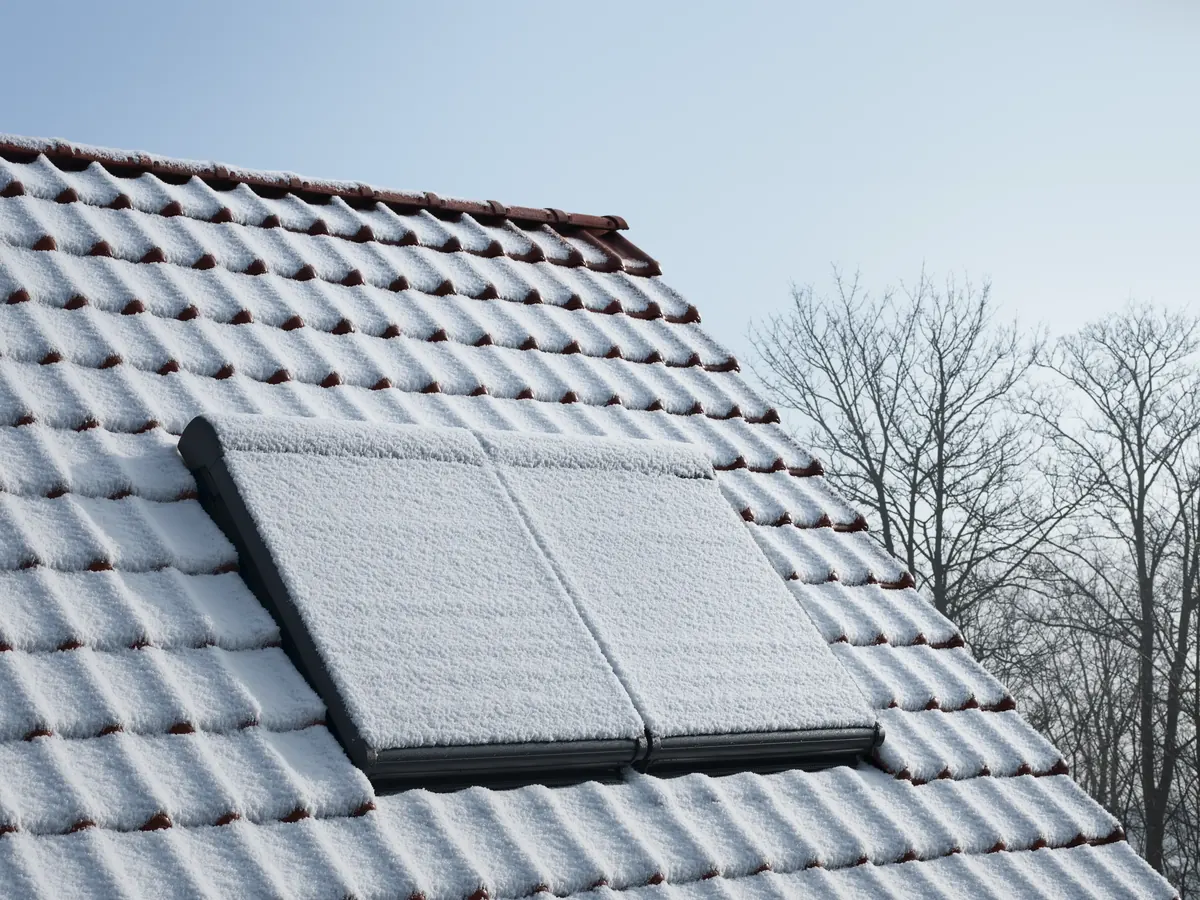
A skylight covered in snow on a tiled roof in winter

Winter Drips Overhead

Skylight Leaks in Winter: Causes and Fixes

A skylight is a hole in the roof with glass in it, and winter is when that hole gets tested hardest. Snow piles against the curb, meltwater sits against the flashing, and the seals shrink in the deep cold. Here is why skylights leak in winter, and what actually fixes them.

Skylights set into a vaulted living room ceiling
A skylight brings light deep into a house, but every one of them is a hole in the roof that has to stay sealed.

Why winter

Snow, cold, and condensation all hit at once

Three things go wrong for skylights in winter, and they often arrive together. First, snow piles against the skylight curb and melts from below, so meltwater sits against the flashing for hours at a time instead of running off. Second, the rubber seals shrink in the deep cold and open hairline gaps that water finds. And third, warm, moist air from the house condenses on the cold glass and drips inside, which looks exactly like a leak but comes from the room, not the roof.

Telling those three apart is the whole job. A flashing leak stains the drywall around the skylight shaft and grows with each thaw. A seal leak drips from the skylight frame itself. And condensation beads on the glass on cold mornings and dries by midday. A roofer who checks the flashing, the seals, and the room humidity can sort them out in one visit. Our skylight repair and installation in Rochester covers all three, and roof leaks after heavy snow explains the meltwater side of the story.

Condensation is not a leak, but it feels like one

If the drips show up on cold mornings and the glass is beaded with water, the cause is moist room air hitting cold glass, not rain or meltwater getting in. A bathroom or kitchen below the skylight makes it worse. Better ventilation in the room and a warmer glass unit are the fixes, not new flashing.

Find the source

Where is the water coming from

Tap a sign to see what it usually points to on a winter skylight.

Stain around the skylight shaft

The flashing is the likely source. Step flashing around the curb has opened up, or the membrane under it has worn through, and meltwater is getting in at the joint. The fix is new flashing, properly lapped with the shingles, not a bead of caulk on the surface.

Skylight dripping this winter? Call and get the source found.

Call (585) 868-0065

Fix or replace

Repair the skylight, or replace the whole unit

The age of the skylight and the condition of the flashing decide which one makes sense.

Repair it when

  • The skylight is under 15 years old and the glass is sound.
  • The leak comes from the flashing, not the seals.
  • The frame is solid, with no rot or warping.
  • The glass is a modern insulated unit with no fog between the panes.
  • One seal has shrunk and the rest of the unit is fine.

Replace it when

  • The skylight is past 20 years old and the seals are gone.
  • The glass is fogged between the panes.
  • The frame is rotted, warped, or cracked.
  • Leaks keep coming back after repairs.
  • The roof is being replaced anyway, and the old unit would outlive its flashing.

Never just caulk a skylight leak. Caulk on the surface hides the gap for a season and traps the water behind it, which rots the curb and the deck underneath. A skylight leak needs the flashing opened up and redone, or the unit replaced, and the caulk tube stays in the drawer.

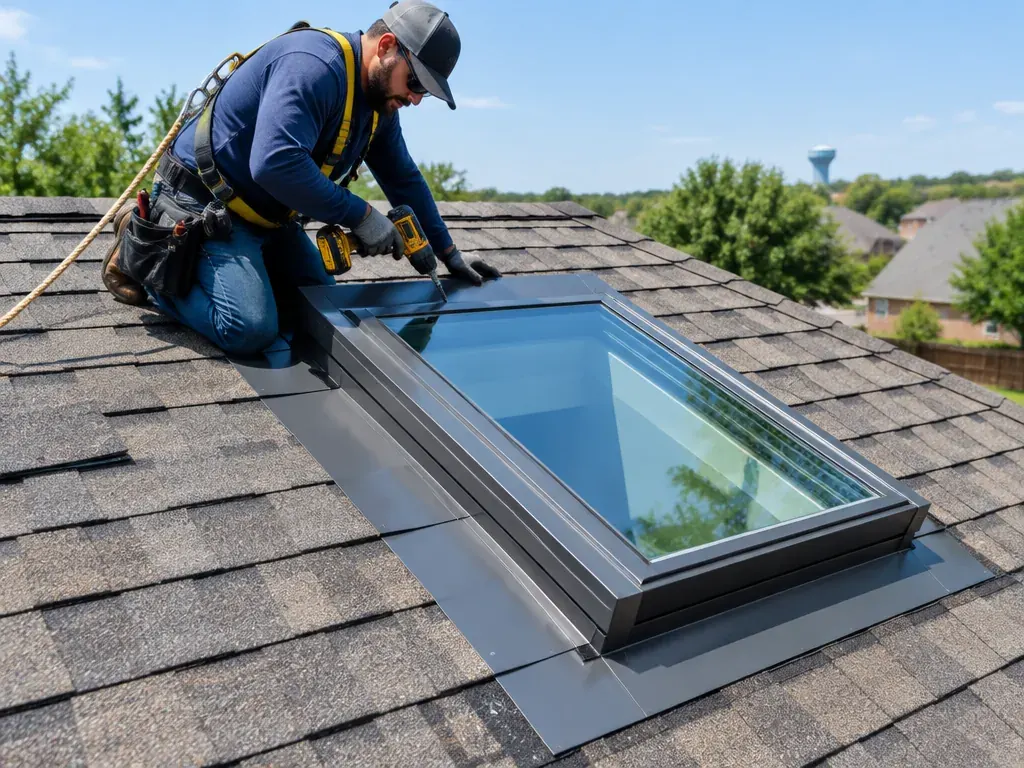
A roofer installing a skylight on a shingle roof
A skylight is only as good as its flashing: the step flashing and the curb are what keep the water out.

Living with a skylight

What keeps a skylight dry through a Rochester winter

Clear the snow from around the skylight after big storms, so meltwater does not sit against the curb for hours. Keep the room below ventilated, since moist air is what condenses on the glass. And get the flashing looked at every few years, since the step flashing around the curb works harder than any other flashing on the roof, and it is the first to open up.

When the roof itself is replaced, the skylight flashing goes with it, and that is the right moment to decide whether the unit stays or goes. A skylight older than the roof it sits in is a leak waiting for the next winter, and a new unit with new flashing is the fix that lasts. For the wider winter leak story, read why ice dams form and roof leaks after heavy snow.

People also ask

Quick answers on skylight leaks

Short answers on skylight leaks in winter, and the fixes that hold.

Why does my skylight leak only in winter?

Because snow piles against the curb and melts from below, so meltwater sits against the flashing for hours, and the rubber seals shrink in the deep cold and open hairline gaps. Rain runs off before it can get in, which is why the same skylight stays dry all summer.

Is skylight condensation a leak?

No, but it looks like one. Warm, moist room air hits the cold glass and condenses into beads that drip inside, usually on cold mornings. A real leak stains the drywall around the shaft and grows with each thaw, while condensation dries by midday and leaves no stain.

How long do skylights last in Rochester?

A modern skylight often serves 20 years or more, but the seals wear out sooner in this climate, and the flashing works harder than any other flashing on the roof. A skylight past 20 years with fogged glass or recurring leaks is usually ready for a new unit rather than another repair.

Skylight leak in the cold? Call and find whether it is the flashing or the seal.

Call (585) 868-0065

Frequently asked questions

What to ask about skylight leaks

Three things: meltwater sitting against the flashing when snow piles on the curb, rubber seals shrinking in the deep cold and opening gaps, and condensation from moist room air on the cold glass. The first two are real leaks, the third looks like one but comes from the room, not the roof.

Often, yes, if the skylight is under 15 years old and the glass is sound. A flashing leak is fixed by redoing the step flashing around the curb, properly lapped with the shingles. A seal leak on an old unit usually means the unit is done and a new one is the honest fix.

Because deep snow against the curb melts from below and sits against the flashing for hours, giving any gap time to let water in. Light rain runs off before it can get in, which is why the leak only shows up in heavy snow, and why clearing the snow from around the skylight helps.

No. Caulk on the surface hides the gap for a season and traps water behind it, which rots the curb and the deck underneath. A skylight leak needs the flashing opened up and redone, or the unit replaced. The caulk tube stays in the drawer.

Condensation beads on the glass on cold mornings and dries by midday, with no stain on the drywall. A real leak stains the drywall around the shaft, grows with each thaw, and drips from the frame or the shaft, not just the glass. The stain is the tell.

Not always, but the flashing goes with the roof, and that is the right moment to decide. A skylight older than the roof it sits in is a leak waiting for the next winter. If the unit is past 20 years, fogged, or leaking already, replacing it with the roof is the fix that lasts.

Snow itself rarely breaks the glass, but the weight and the meltwater work the flashing and the seals, and a heavy slide off a metal roof above can crack a skylight below. Clearing the snow from around the skylight after storms and fitting snow guards above it are the protections that matter.

Keep reading

Related articles

Skylight leaking this winter?

Tell us where the water shows up and when it started, and we will check the flashing, the seals, and the glass.