Call (585) 868-0065
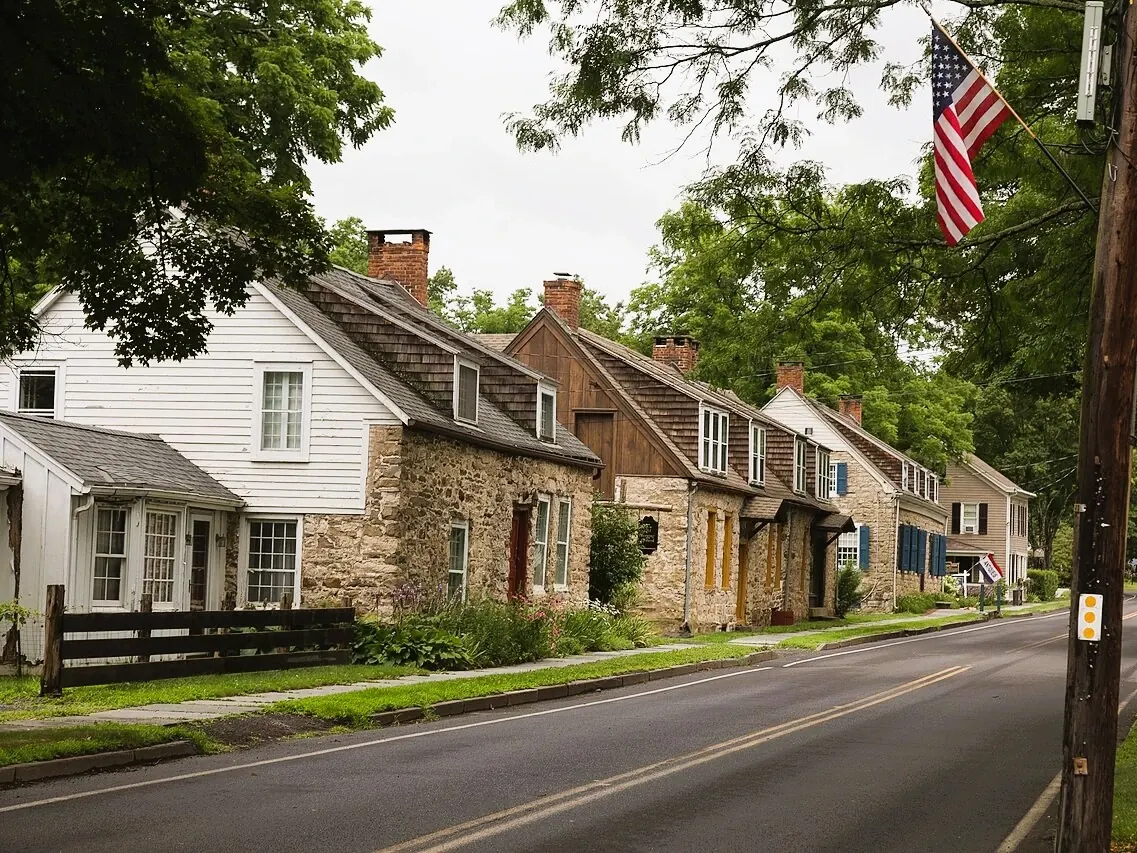
Old stone and clapboard houses along a quiet village street

Ridge Road Crossroads

Clarkson Roofing at the Crossroads of Ridge Road and Lake Road

Clarkson Corners sits where Ridge Road meets Lake Road, at a crossroads that carried travelers between Canandaigua and Lewiston long before the Erie Canal. The hamlet holds one of the oldest collections of early nineteenth-century homes in Monroe County, and the farm fields around it give wind a clear run at every roof in town.

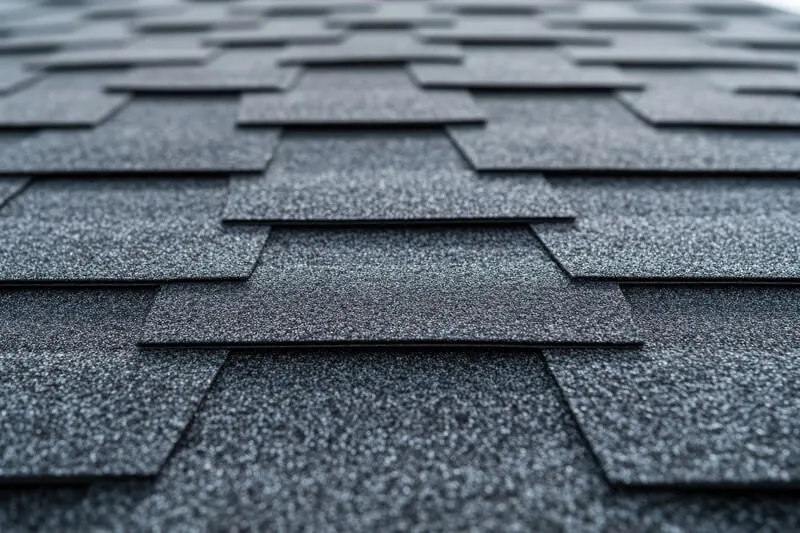
Dark architectural asphalt shingles in a close view
Dark architectural shingles in a close view on a Clarkson roof

Clarkson

A crossroads older than the canal, and roofs to match

Ridge Road follows an old ridge that Seneca hunters used for centuries, and Lake Road runs north from the crossroads to Lake Ontario, twelve miles away. The hamlet grew at their meeting point, and by about 1830 it had taken the shape it still holds: houses on half-acre lots along both roads, with the Clarkson Congregational Church, built in 1825, standing as the oldest rural church structure in the county. A roof inspection at the Corners starts with the oldest homes, since their flashing has moved with the seasons for two centuries.

Clarkson was formed in 1819 and named for General Matthew Clarkson, who gave 100 acres to the town. The Erie Canal opened in Brockport, a mile south, in 1822, and the trade moved there, so the Corners stayed small and its houses stayed old. The historic district listed in 1994 holds about sixty resources from the crossroads era, and the roofs there carry the steep pitches and tall chimneys of that time.

The town around the Corners is farm country, and the fields give wind a clear run from every direction. Ridge Road runs east to Rochester and west to Lewiston, and Lake Road runs north to Hamlin and the lake. The storm damage work we do here starts at the ridge, since the crossroads wind lifts the caps first. The National Weather Service office in Buffalo tracks the lake-effect bands that bury this northwest corner of the county.
Repair or replace

Repair or replace a Clarkson roof

Crossroads wind makes the call harder, since a roof can look sound from Ridge Road and still be lifting at the ridge. Crossroads wind leaves a few clear signs, and those signs are what tip the choice one way or the other.

Repair it when

  • Wear showing on a single slope while the rest stays flat and tight
  • Caps lifted at the ridge with the field shingles still holding granules
  • One valley dripping and the metal under it still sound
  • A roof younger than fifteen years with firm decking underfoot
  • A pipe boot or chimney flashing at fault, not the shingles

Replace it when

  • Tabs curling on two slopes or more after one crossroads blow
  • Granules rinsing out of the gutters after each storm
  • Decking gone soft in more than one place underfoot
  • The same slope repaired three times or more
  • Ice dams back at the same eave each winter despite new flashing

When a Clarkson roof sits near the line, we climb up with the homeowner, point at the lifted caps and thin spots, and let the roof itself settle the choice.

Hamlets and corners

Clarkson Corners, Garland, and the farm roads

Clarkson has no village, only the Corners and small hamlets on the farm roads. Our Clarkson calls cluster at the Corners and along the small hamlets on the farm roads.

Clarkson Corners Crossroads roofs

The historic crossroads at Ridge Road and Lake Road, with early nineteenth-century homes on half-acre lots.

Garland Hamlet roofs

The hamlet at Sweden Walker and Ireland Roads, where farmhouse roofs take open wind from every side.

Otis Hamlet roofs

The small settlement on the farm roads, with homes that sit exposed to the fields and the winter wind.

Redman Corners Crossroads roofs

The crossroads community in the town, where farmhouses and newer homes meet at the farm roads.

Ridge Road east Road-side roofs

Homes along Ridge Road toward Parma, with roofs that face the long east-west wind down the ridge.

Lake Road north Road-side roofs

Homes along Lake Road toward Hamlin and the lake, where the wind runs straight down from the water.

Warning signs

Signs a Clarkson roof has taken crossroads wind

Ridge caps lifting

At the Corners, the ridge is the first thing the wind finds. Caps work loose there before anywhere else, and once one lifts, rain runs down into the deck, with the first damp line showing in the attic long before the ceiling stains.

Tabs curled on the west slope

The west slope takes the wind that runs down Ridge Road from the lake, and wind-driven rain pushes under curled tabs there first. A curled tab catches the next gust off the crossroads, and one lifted tab can turn into a bare patch before the season ends.

Granules in the downspout

Wind and rain wear granules off aging shingles, and the granules collect in the gutters and downspouts after every storm. A few after a storm are normal wear, but a steady pile means the shingles are near the end of their life.

Ridge caps lifting at the Corners, or tabs curling on the west slope? Call and tell us which road the house sits on.

Call (585) 868-0065

Coverage

The 14430 ZIP at the crossroads

Clarkson carries one ZIP, 14430, and it covers the Corners, the hamlets, and the farm roads across the whole town, from the county line to Brockport.

14430

The Town of Clarkson sits under the 14430 ZIP in Monroe County, from the Corners to the farm roads.

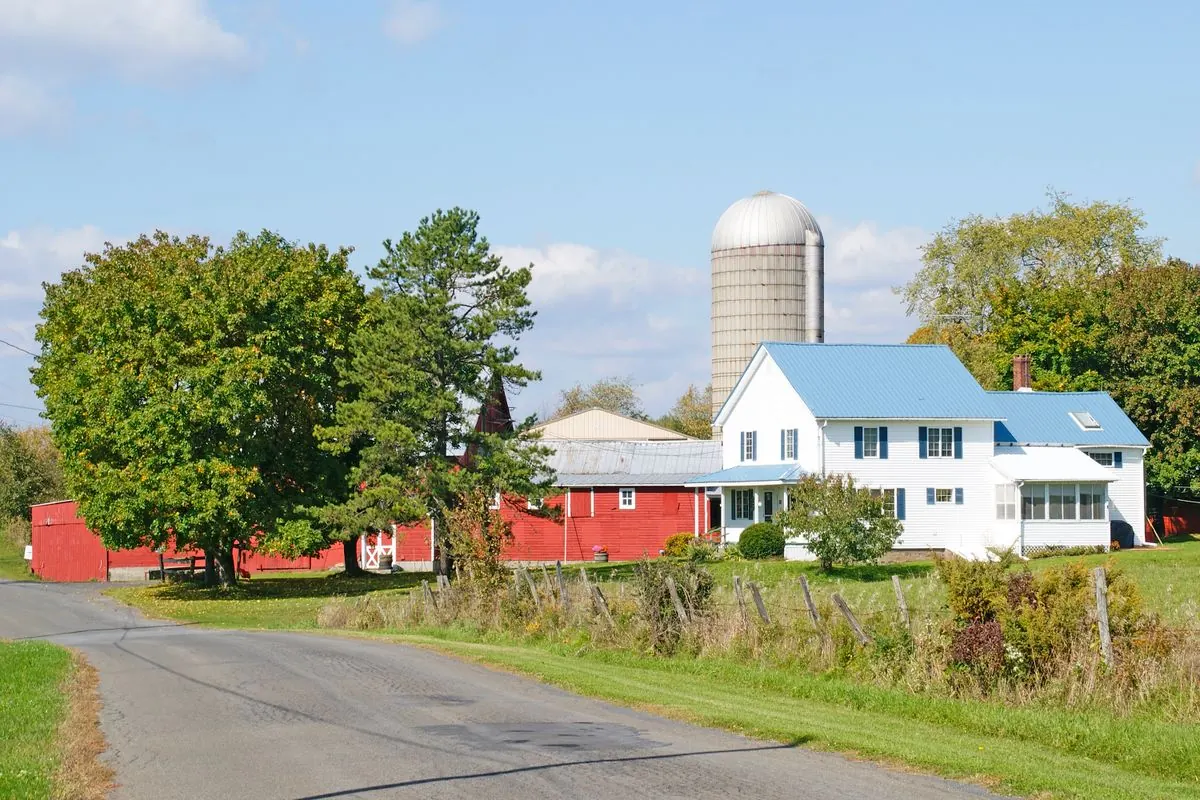
A white farmhouse with a blue metal roof beside a red barn and a tall silo on a country road
A red barn and a farmhouse on the Clarkson farm roads

Barn country

Barns beside the farmhouses take the same wind

Most Clarkson farmhouses stand beside a barn, and the barn roof takes the same crossroads wind as the house. The barns wear metal panels more often than shingles, and the fasteners and the ridge flashing give out first, long before the panels themselves.

The open ground between the farm roads gives the wind a clear run, so the windward slope of the house and the barn face the same lift. A walk along the ridge after a storm reads both roofs at once, and the findings go on the same list.

Services

Roof work we do in Clarkson

Roof Inspection

Crossroads homes and farmhouses get a roof walk and an attic look, and we leave a plain-words list of what the wind moved and what still holds.

Learn more →

Roof Repair

Crossroads wind lifts the ridge caps, the west slope curls its tabs, and the oldest homes shift their chimney flashing. We trace each one back to where it started and fix it there.

Learn more →
See All 22 Roofing Services

From the Corners or a farm road, reach us through the contact page and tell us which way the wind hits the roof.

FAQ

Clarkson roof questions

The fields around Clarkson give wind a run, and Ridge Road and Lake Road act like corridors that carry it to the roofs. The Corners sit at the meeting of those two roads, so the wind arrives from the west, the north, and the east. Roofs inland sit behind trees and houses that slow the wind down, but Clarkson roofs face it head-on, so the ridge is checked first.

Yes. The Corners hold early nineteenth-century homes, and their roofs carry steep pitches and tall chimneys. The flashing where the chimney meets the roof has moved with the seasons for decades, so we reset the step flashing, check the mortar joints, and match the shingles by size and color. The repair has to fit the house, so we point at what we see before any work starts.

It depends on the house and the field it sits in. Standing seam metal suits the open-field houses, since snow slides off it instead of piling at the eave, and the wind has less to grab. Architectural shingles suit the houses tucked behind farm trees, since they hold up under snow load and shed wind-driven rain. We walk the roof first and name the material from what we see.

Look for ridge caps that have lifted or gone missing, tabs curled on the west slope, and granules washed into the gutters after the storm. Inside, look in the attic for damp lines along the ridge and around the chimney, since those show up before ceiling stains. If the storm brought hail, feel for soft spots on the shingles. Any of those signs calls for a walk on the roof.

The fasteners. Crossroads wind works the metal panels loose at their screws, and low slopes hold water at the eaves where the ridge flashing wears first. A barn roof sits beside the house through the same wind and snow, so we check it on the same visit, before a loose panel lets a winter storm in.

Look along the north eave for ice-dam damage, at the ridge for caps the crossroads wind lifted, and in the gutters for granules the winter washed down. A spring walk on the roof catches all three while the fixes are still small, and it leaves the warm months open for the work itself.

Nearby towns

Towns around Clarkson

Hamlin sits north on Lake Road toward the lake, Brockport lies south past the town line, Hilton runs east on Ridge Road, and Spencerport sits southeast toward the canal.

Field wind and farm dust

Farm dust, field wind, and what they leave on a Clarkson roof

Open fields around Clarkson let wind carry dust, pollen, and chaff onto every slope, and that thin layer holds damp against the shingles long after rain has stopped.

Ridge Road and Lake Road meet at the Corners, and the farm ground stretches away from that meeting point in every direction. With so little tree cover between the fields and the houses, a west wind arrives at a Clarkson roof carrying whatever the fields have loosened. Dust settles into the gaps between shingle tabs, and pollen and chaff collect in the valleys where two slopes meet. That layer looks harmless from the ground, yet it holds moisture against the roof surface, and damp that lingers is what lets moss take hold on a shaded slope.

The north slope of a farmhouse near Garland shows this first. Morning sun reaches the south slope early and dries it, while the north slope stays cool and shaded into the afternoon. Dust on that cool slope stays damp, and green growth follows the damp. A spring walk along the north eave tells the story: a clean slope means the wind has been sweeping it clear, while a green tinge means the dust has been sitting long enough to feed growth. Clearing the valleys and the gutter line in late autumn keeps the next season from starting with a damp layer already in place.

Harvest traffic adds its own wear. Trucks and tractors on the farm roads shake loose grit that lands on low roofs near the road, and the grit works into the shingle surface over time. Houses set back from the road escape most of it, while houses close to Sweden Walker Road or Ireland Road collect more. The ridge caps take the worst of the wind, and the field-facing slope takes the worst of the dust, so a check that looks at both tells more than a check that looks at one.

Ridge caps at the Corners

Wind from the open fields lifts ridge caps before it touches the field shingles, so the ridge line is the first place to look after a blow from the west.

Valleys full of field debris

Valleys gather dust, chaff, and leaves blown in from the fields, and a valley that stays packed holds water against the metal beneath it.

North slopes near Garland

Shaded north slopes near the hamlet hold damp longest, and that damp is where moss and dark streaks appear first on a Clarkson roof.

Slope by slope

Which Clarkson slope wears first

The slope that faces the open fields wears first in Clarkson, because the wind has a clear run across the farm ground before it reaches the roof.

A Clarkson roof does not wear evenly, and the pattern follows the compass. The west slope faces the longest stretch of open ground, so it takes the hardest wind and the most dust. The south slope takes the most sun, which dries it quickly after rain yet also works the shingle surface through many warm days. The north slope takes the least sun, so it stays damp and grows moss. The east slope, sheltered by the house itself from the prevailing wind, often looks the newest of the four.

That pattern shapes how a roof visit runs here. We walk the west slope for lifted tabs and thin granules, the north slope for moss and damp, the south slope for curling at the edges, and the east slope last, since it usually needs the least attention. A homeowner who knows which slope faces the fields can read the same pattern from the ground, and can spot a lifted tab on the west side before it becomes a leak on the inside.

How each Clarkson slope meets the weather
SlopeWhat it facesWhat shows firstWhat to watch
WestOpen fields and prevailing windLifted tabs and thin granulesRidge caps after a blow
NorthShade and cool airMoss and dark streaksDamp that lingers after rain
SouthFull sun through the dayCurling at shingle edgesBrittle tabs near the eave
EastShelter behind the houseLittle wear in most yearsValley debris from the fields

Steep pitches on the old houses at the Corners shed snow well, and that helps the west slope in winter, since snow slides off before the wind can drive it under a lifted tab. Lower slopes on newer homes hold snow longer, and a deep drift on the west side can push meltwater toward the eave. The pitch of the house and the direction of the slope work together, and both belong in the same conversation when a Clarkson roof is being read.

Old houses, tall chimneys

Attic air and tall chimneys on the old Clarkson houses

Tall chimneys on the early houses at the Corners move a little with each season, and the flashing where brick meets roof is the joint that shows that movement first.

The historic houses around the Corners carry chimneys that rise well above the ridge, and those stacks have stood through many winters. Brick and mortar expand in summer warmth and contract in winter cold, and the roof around them moves at a different pace. Step flashing laid into the mortar joints takes up that difference, and when a joint opens, water finds the gap. A stain on the attic boards beside a chimney usually points to that joint, not to the shingles a few feet away.

Attic air matters just as much on these old houses. Many of them were built before modern ventilation, and warm air from the rooms below rises into the attic and meets the cold underside of the roof deck. That meeting point is where damp forms, and damp in the attic softens decking from below while the shingles still look sound from above. A look inside the attic on a cold morning, checking for damp boards and for daylight around the chimney, tells more about the roof than a look from the street.

Our chimney work in Clarkson starts at that flashing joint, and our attic ventilation and insulation visits start with the air path from the rooms below to the ridge. The two belong together on an old house, since a chimney that leaks and an attic that stays damp wear the same roof from opposite sides. For a wider look at how old houses in this region behave, see our guide to roofing for Rochester historic homes.

Barns beside the farmhouses deserve the same attention. A barn roof often carries the same steep pitch and the same tall vent or cupola, and its flashing and ridge caps face the same field wind. A barn that leaks at the ridge can go unnoticed for a season, since nobody sleeps under it, yet the damp spreads through stored hay and timber. A walk around the barn after the house check keeps a small ridge problem from becoming a large one.

Two old roads, one crossroads, and roofs that face the wind

Crossroads wind hits a Clarkson roof from more than one direction, so the Corners, Ridge Road, and the farm roads each wear a little differently. Give us a call and name the road yours stands on, and tell us which slope the wind has been working on.

Roofing Rochester, 75 S Clinton Ave Ste 510, Rochester, NY 14604, (585) 868-0065