Call (585) 868-0065
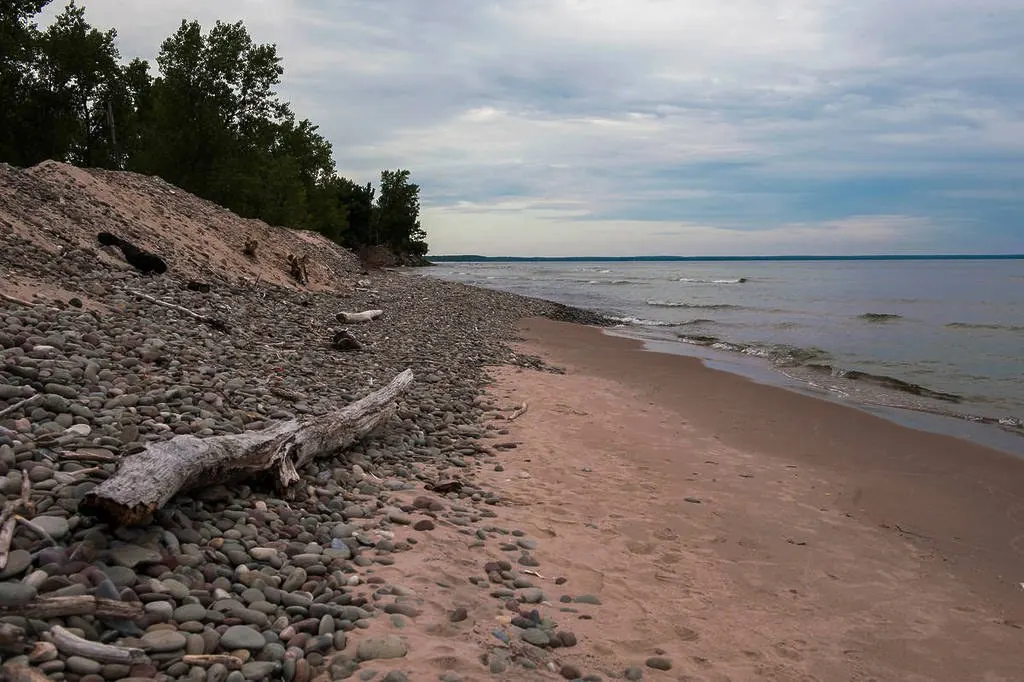
Rocky Lake Ontario shoreline with calm water under a cloudy sky near Hilton, New York

Lake Ontario Shore

Hilton Roofing Built for Wind Off Lake Ontario

Hilton sits sixteen miles northwest of Rochester, close enough to Lake Ontario that the wind arrives with nothing to slow it down. Village homes, Parma farmhouses, and lakeshore houses all take that wind, and the roofs that last here are the ones whose shingles, flashing, and ridge caps were set with the lake in mind.

Steep gray shingle roofs on neighboring suburban houses
Steep shingle roofs on Hilton homes, built to shed lake wind and snow

Hilton and Parma

Lake wind off Ontario and what it lifts first

Wind off Lake Ontario runs straight down Route 259 and across the Parma fields, and it hits Hilton roofs at full strength. The first things to go are ridge caps, then tabs on the windward slope, then flashing at the chimney. A storm damage check after a lake blow starts at the ridge and works down, since the ridge shows the wind first.

Hilton began as Unionville, a farming settlement from 1805, and took its current name in 1896 for the Reverend Charles Augustus Hilton. A fire in March 1965 burned more than half of the central business district, and the village rebuilt. The homes that went up after the fire carry mid-century roofs, while the streets around them hold older farmhouses and newer subdivisions, so one block can hold three roof ages at once.

Salmon Creek runs east through the south side of the village on its way to the lake, and the low ground beside it stays damp after rain. Homes near the creek grow moss on shaded slopes, and their gutters fill with leaves from the creek-side trees. The roof repair we do near the creek usually pairs a shingle fix with a gutter clearing, since the two problems feed each other. The National Weather Service office in Buffalo issues the lake-effect snow warnings that cover this shore.

Warning signs

Signs a Hilton roof has taken lake wind

Ridge caps lifting

The ridge is the highest point on the roof, and lake wind works it loose before anything else. A lifted cap lets rain run down into the deck, and on a Hilton roof the damp line shows in the attic well before it reaches the ceiling.

Tabs curled on the north slope

The north slope faces the lake, and wind-driven rain gets under curled tabs there first. Curled tabs catch the lake wind, and a single lifted tab often becomes a bare patch by the end of the season.

Granules in the downspout

Lake wind and rain strip granules from old shingles, and the wash ends up in the gutters and downspouts. A handful after a storm is normal wear, but a pile that keeps growing means the shingles are nearly done.

Village and town

Hilton and Parma, from the village to the lake

Hilton village sits inside the Town of Parma, and the town runs from farm fields in the south to the lakeshore in the north. The roofs change with the ground.

Village of Hilton Village roofs

The rebuilt business district and the streets around it, with mid-century homes and older farmhouses side by side.

Parma Center Town center roofs

The town center south of the village, where farmhouses and newer homes sit on open lots.

Parma Corners Crossroads roofs

The crossroads community in the town, with homes that take wind straight across the fields.

Salmon Creek side Creek-side roofs

Homes along the creek south of the village, where damp air and shade grow moss on north slopes.

North Parma Lakeshore roofs

The north end of town toward the lake, where wind off the water hits roofs first and hardest.

Lake Ontario State Parkway edge Parkway-side roofs

Homes near the parkway corridor, with open exposure and long views of the lake.

Repair or replace

Repair or replace a Hilton roof

A Hilton roof can look sound from the street and still be lifting at the ridge, and the lake wind leaves its own set of signs. Reading those signs is what settles whether the roof gets fixed or started over.

Repair it when

  • Damage sitting on one slope while the rest of the roof still lies flat
  • Ridge caps lifted but the field shingles still holding their granules
  • A single valley leaking and the flashing beneath it still sound
  • A roof under fifteen years old and the deck solid underfoot
  • Trouble from a pipe boot or a chimney flashing, not the shingles themselves

Replace it when

  • Tabs curling across two or more slopes after the same lake blow
  • Granules washing out of the gutters after every storm
  • A deck soft in more than one place when walked
  • Repairs made to the same slope three times or more
  • Ice dams forming at the same eave every winter despite new flashing

When a Hilton roof is borderline, we walk it together with the homeowner, point at what the lake wind moved, and let what we see decide.

Ridge caps lifting after a lake blow? Call and say which slope faces the lake.

Call (585) 868-0065

Coverage

The 14468 ZIP, village to lakeshore

Hilton and Parma share one ZIP, 14468, and it covers the village, the town center, the crossroads, and the lakeshore roads north of town.

14468

Hilton village and the Town of Parma sit under the 14468 ZIP in Monroe County.

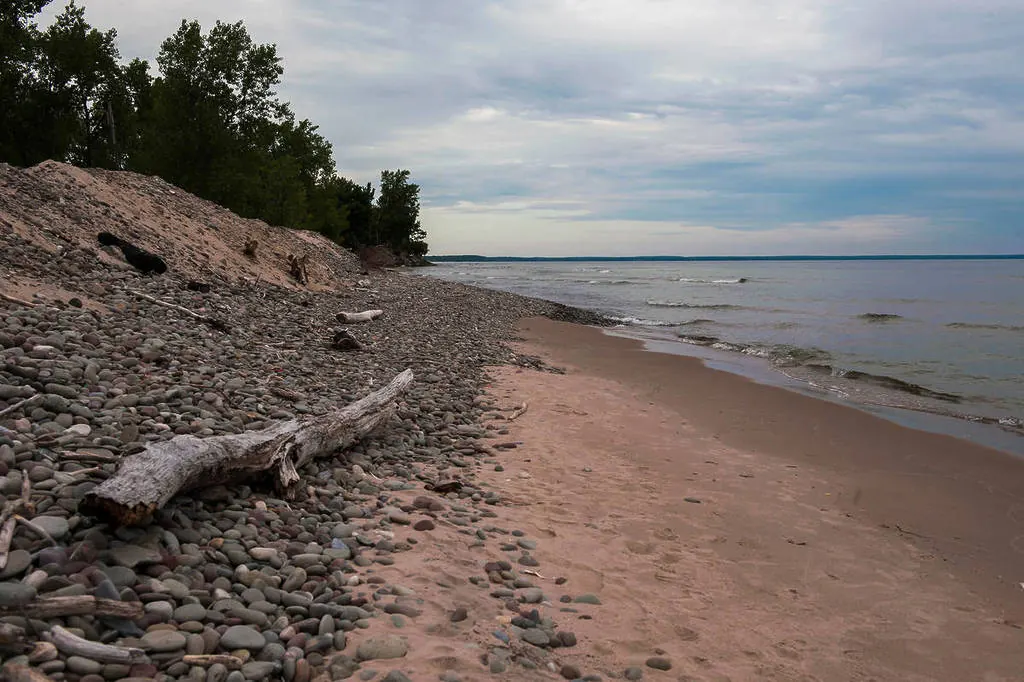
A sandy Lake Ontario beach with a low bluff, pebbles, and driftwood on the shore
Sand and bluffs on the Lake Ontario shore north of Hilton

The lakeshore

Shore houses on the Parma lakeshore

The shore houses north of the village sit close to the water, with steep shingle roofs built to shed lake wind and snow. The wind off Ontario hits them at full strength, and the ridge caps and the windward tabs are the first things to go after a lake blow.

The same wind drives rain against the lake-facing walls, and the flashing at the chimney and the skylights takes the worst of it. A storm check here starts at the ridge and works down to the chimney, because the top of the roof tells the story first.

Services

Roof work we do in Hilton and Parma

Metal Roofing

Standing seam metal suits lakeshore homes, since it sheds snow and wind-driven rain and holds its fasteners through lake blows.

Learn more →

Roof Repair

Lifted ridge caps, curled tabs on the windward slope, and chimney flashing that has worked loose, each repaired where the wind found it.

Learn more →

Roof Inspection

A roof walk and an attic look after a lake storm, and we write down in plain words what the wind moved and what still holds.

Learn more →
See All 22 Roofing Services

Lake wind lifts the lake-facing slope first, so drop us a line with the street and the side that took it.

FAQ

Hilton and Parma roof questions

Wind crossing the lake meets nothing to slow it, so gusts hit Hilton at full strength. Ridge caps take the first hit, since they sit highest, and once a cap lifts, the wind gets under the next course of shingles. Roofs farther inland sit behind trees and houses that break the wind, but shore roofs face it head-on, so we check the ridge and the north slope first.

Yes, the creek keeps the air damp and the trees along it shade the roofs, so moss and algae grow fast on north slopes near the water. The growth lifts shingle edges and holds water against the roof long after rain stops. We clear the growth, check the flashing beneath it, and look at the gutters, since creek-side leaves clog them and the standing water makes the damp worse.

On the Hilton lakeshore, the roof that lasts longest is the one built for wind first. Standing seam metal sheds wind-driven rain and lets snow slide off instead of piling at the eave, and a heavier architectural shingle with sealed ridge caps also holds up well. The pitch, the lake-facing slope, and the tree cover decide it, so we walk the roof and name the material from what we find.

Look for ridge caps that have lifted or gone missing, curled tabs on the north slope, and granules washed into the gutters after the storm. Check the attic for damp lines along the ridge and chimney, since those show up before ceiling stains. After hail, run a hand over the shingles and feel for soft spots. Any of those signs is a reason to walk the roof.

Yes. Parma farm properties often carry a barn roof beside the house, and the barn faces the same lake wind. Metal panels on barns loosen at the fasteners, and low slopes hold water at the eaves. We look at the barn on the same visit as the house, fix the fasteners and flashing, and note anything that needs a closer look before the next storm season.

It does, since lake-effect snow piles deep on Hilton roofs and the melt runs to cold eaves where it turns to ice. The dams form most often on north slopes and above porches, where the roof stays shaded. After each storm we look for the drift line, check the attic insulation and vents, and clear the eave before the dam grows thick enough to push water under the shingles.

Nearby towns

Towns around Hilton and Parma

Hamlin sits west along the lake, Spencerport lies south on Route 259, Greece runs east toward the city, and Clarkson sits southwest past the town line.

Village to lakeshore

The parkway, Parma Center, and the shore cottages

Hilton village sits a short way inland from Lake Ontario, and the town of Parma runs from the village streets to the shore, so a Hilton roof and a Parma roof meet the lake in different ways.

The Lake Ontario State Parkway runs along the shore through Parma, and the cottages and houses near the water sit in the open path of the lake wind. The wind off the lake hits the shore roofs with nothing to break it, and the north slopes take the hardest weather of the year. Ridge caps, rake edges, and the flashing around a shore-facing chimney all earn a closer look on those streets, because the lake wind tests them from a direction the village never sees.

Parma Center sits inland on the town roads, where the houses stand on wider lots and the wind runs across open fields before it reaches the roof. The lots there open to the fields, and the roofs take the field wind the same way the shore roofs take the lake wind, with the snow bands off the lake piling deep against the windward slope. A Parma Center roof wants its ridge caps looked over once the first hard storm passes, and its valleys cleared before the snow comes.

Hilton village itself holds the older streets near the center, with smaller homes, simpler roofs, and chimneys that have stood through decades of freeze and thaw. Each winter, the freeze and thaw shift the flashing where the chimney meets the slope, and after enough winters the seal opens. Pairing the chimney look with the roof look catches most village leaks before they reach a ceiling, and the chimney work page lays out what the flashing check covers.

The shore cottages carry their own shape, with low slopes, wide eaves, and additions built in stages as families added rooms over the years. Each addition meets the old roof at a joint, and every joint is a place where the flashing has to hold through lake wind and lake snow. A cottage roof wants the joints checked first, and the eaves watched for ice where the meltwater runs down to the cold edge.

Three kinds of roof

Lakeshore, village, and inland Parma roofs compared

The roof changes with the ground in Hilton and Parma, so the shore, the village, and the inland town each give out in their own corner.

First checks for a Hilton and Parma roof by place
PlaceRoof shapeFirst weak pointWhat to watch
Shore cottages on the Parma lakeshoreLow slopes, wide eaves, additions built in stagesJoints where each addition joins the older roofDamp lines under the joints and ice at the eaves after a thaw
Hilton village homesShort ridges, steep slopes, tall chimneysChimney flashing shifted by decades of freeze and thawStains on the ceiling below the chimney, and mortar that powders at the touch
Parma Center and the inland town roadsLong ridges, wide valleys, open lotsRidge caps and rake edges under open-field windLifted caps after the first hard storm and leaves packed in the valley

Through the year

Lake wind, lake snow, and leaves on a Hilton roof

The lake writes the calendar for a Hilton and Parma roof, and every season leaves a different mark on the slopes.

Lake wind lifts the loose edge

The wind off Lake Ontario runs unbroken across the water and hits the shore roofs first, then carries inland across the Parma fields. A ridge cap or a rake shingle that has already loosened lifts a little more with every gust, and the first hard storm of the season takes the ones that were ready to go. A ridge check after the storm finds the lifted caps before the next rain pushes water under them.

Lake snow piles against one slope

Bands off the lake pile snow deep against the windward slope while the far side stays nearly bare, and the uneven load pushes meltwater toward the low eave. The melt runs down to the cold edge and turns to ice, and the dam behind it backs water under the shingles. A snow check that starts at the windward eave finds the dam while it is still small. The snow removal and ice dam page covers how that check and clearing work.

Fall leaves fill the shore gutters

Shore trees and field trees shed a thick fall of leaves every autumn, and the gutters on the windward side of the house fill first. A full gutter sends water over the edge and down the fascia, and the wood behind it softens where no one can see it. Clearing the gutters before the first snow keeps the water moving off the roof instead of over the edge. The gutter services page has the clearing details that keep the water moving.

Lake wind finds the weak spot first, so do we

Parma lakeshore houses and Hilton village houses face the same lake wind from different distances, so the wear never lands in the same place twice. A short email works well here: name the street, note the slope that takes the wind, and tell us what the last storm lifted.

Roofing Rochester, 75 S Clinton Ave Ste 510, Rochester, NY 14604, (585) 868-0065