Call (585) 868-0065
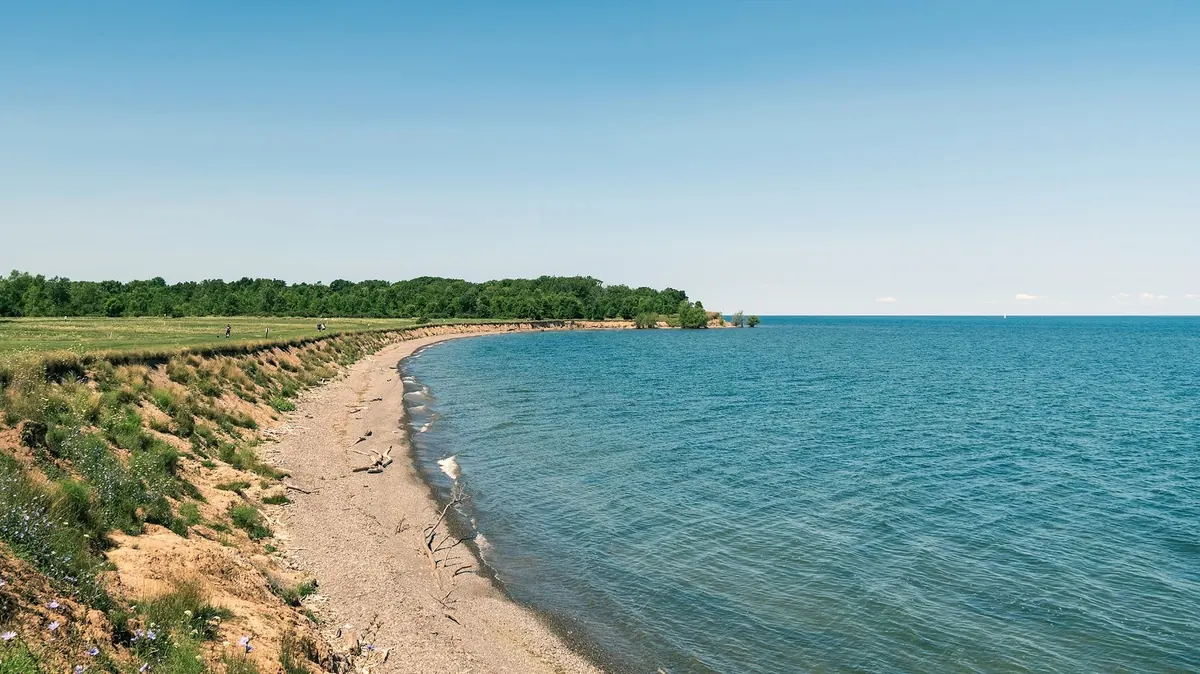
A sandy Lake Ontario beach curving along a bluff under a clear sky

Hamlin Beach and the Lakeshore

Hamlin Roofing on the Lake Ontario Shore

Hamlin is the last town in Monroe County to be settled, and the lake is the reason why. The shore here is a long curve of sand and bluffs, and Hamlin Beach State Park holds 1,287 acres of it. The houses along Lake Road and the parkway take wind straight off the water, and the roofs that last here are the ones set with the lake in mind.

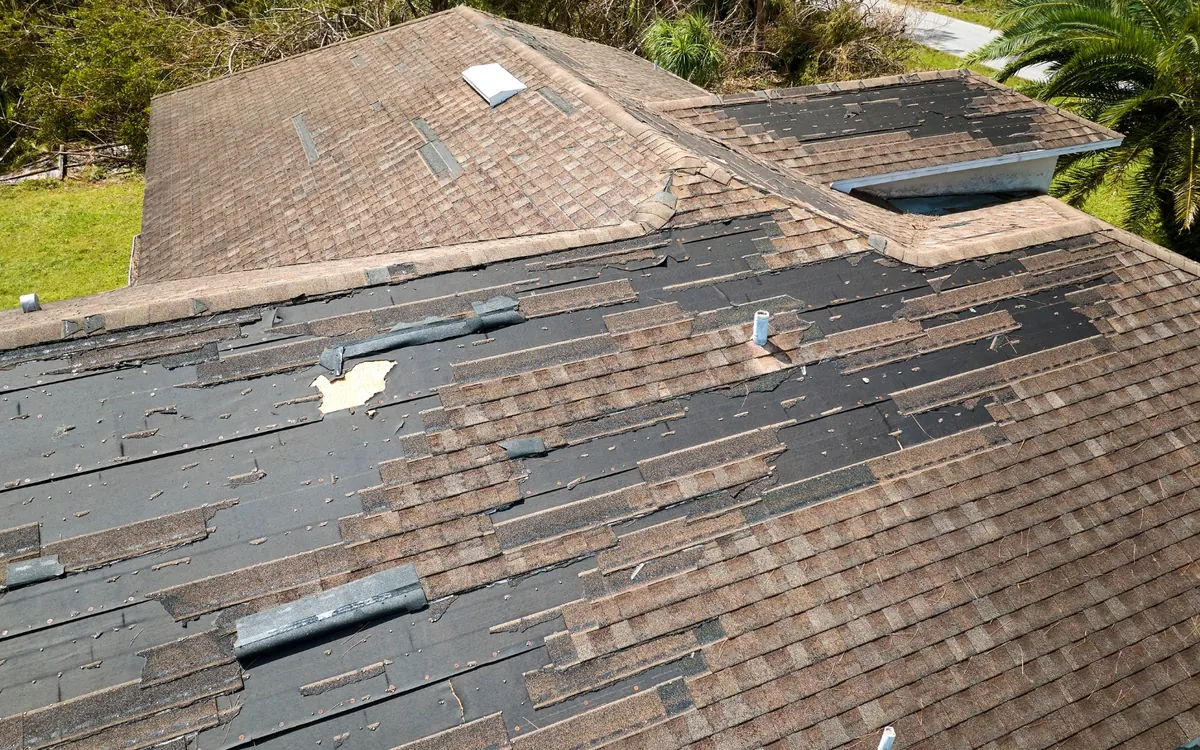
A roof with large patches of missing shingles and bare underlayment
A roof with large patches of missing shingles after a lake storm

Hamlin

The last-settled town, and the windiest shore

Aretas Hascall became the first permanent settler here in 1806, and the swampy ground near the lake kept others away for years. Once the land was drained, the soil proved unusually fertile, and fruit growing took hold alongside grain. The town was called Union until 1861, when it took the name Hamlin for Hannibal Hamlin, Abraham Lincoln's first vice president. A storm damage check here starts at the ridge, since the lake wind lifts the caps first.

Hamlin Beach began as a county park in 1929, when Monroe County bought 597 acres of the old Charles Wolf property. Gambin Construction of Buffalo built the stone bathhouse in 1939, and the Civilian Conservation Corps built the pavilions and walls between 1935 and 1941, and the site became a state park in 1938. The Lake Ontario State Parkway runs through the park now, and the houses along it take wind straight off the water. The emergency roof work we do here often starts with a tarp, since a lake storm can strip shingles faster than a crew can reach the house.

The Devil's Nose, a sand bluff at the west end of the park, has seen shipwrecks since 1799, and the shore still erodes in every big storm. The houses near the bluff and the beach take the same weather as the water: wind, spray, and snow that piles deep against the lake-facing slope. The Buffalo weather office issues the lake-effect snow warnings that cover this shore, and its reports match what we find on the roofs each spring.
Local weather

Lake wind, lake snow, and shoreline damp in Hamlin

Wind straight off the water

The lake gives wind a long, open run, and it hits Hamlin roofs at full strength. Ridge caps lift first, then tabs on the lake-facing slope, then flashing at the chimney. A storm check here starts at the ridge and works down.

Lake-effect snow on the shore

Bands off the lake pile snow deep on Hamlin roofs while towns inland stay clear, and the drifts pile against the lake-facing slope. That uneven load pushes meltwater under shingles at the eave, where it turns to ice.

Spray and damp near the beach

Houses near the beach take spray and damp air off the water, and the shaded slopes grow moss while sunny slopes stay clean. The damp also softens older shingles, so a spring walk finds the wear before summer storms arrive.

After a lake storm

After a lake storm hits Hamlin

Step 1

Look from the ground first

Walk the yard and look for shingles on the lawn, a ridge cap that has lifted, and gutters pulled away from the fascia. Note which slope faces the lake, since the damage sits there.

Step 2

Check the attic for water

Up in the attic, look for damp lines along the ridge and around the chimney, and for daylight where the flashing has opened. On a Hamlin roof, water reaches the attic before it ever stains the ceiling.

Step 3

Cover what is open

Any bare patch where shingles went missing gets a tarp, so the next rain stays outside while the repair is planned. The tarp is set tight so the lake wind cannot lift it.

Step 4

Walk the roof and list the damage

We walk the whole roof after the storm and list what moved: ridge caps, valley shingles, flashing, and gutters. The list comes back in plain words, slope by slope.

Step 5

Fix the lake-facing slope first

The lake-facing slope gets fixed first, since it takes the next storm too. The flashing at the chimney and valleys gets reset along with it, so the repair holds through the season.

Town pockets

Hamlin center, the beach, and the parkway

Our Hamlin work runs the whole town, from the farm fields in the south to the beach houses on the lakeshore in the north.

Hamlin center Town center roofs

The town center on Lake Road, with homes that take wind down the road from the lake and the fields alike.

Hamlin Beach Lakeshore roofs

Homes near the state park and the beach, where wind, spray, and snow hit the lake-facing slope first.

Lake Road corridor Road-side roofs

Homes along Lake Road from Clarkson to the lake, with roofs that face the long north-south wind.

Lake Ontario State Parkway edge Parkway-side roofs

Homes near the parkway corridor through the park, with open exposure and long views of the water.

Yanty Creek side Creek-side roofs

Homes near the creek in the park, where damp air and shade grow moss on the north-facing slopes.

Moscow Road Farm road roofs

Homes on the farm roads south of the park, where the old camp grounds sit and the wind runs across open fields.

Shingles stripped by a lake storm, or a tarp flapping in the wind? Call and tell us which slope faces the water.

Call (585) 868-0065

Coverage

The 14464 ZIP, fields to lakeshore

Hamlin carries one ZIP, 14464, and it covers the town center, the farm roads, the park, and the lakeshore from the county line to the beach.

14464

The Town of Hamlin sits under the 14464 ZIP in Monroe County, running from the farm fields to the lakeshore.

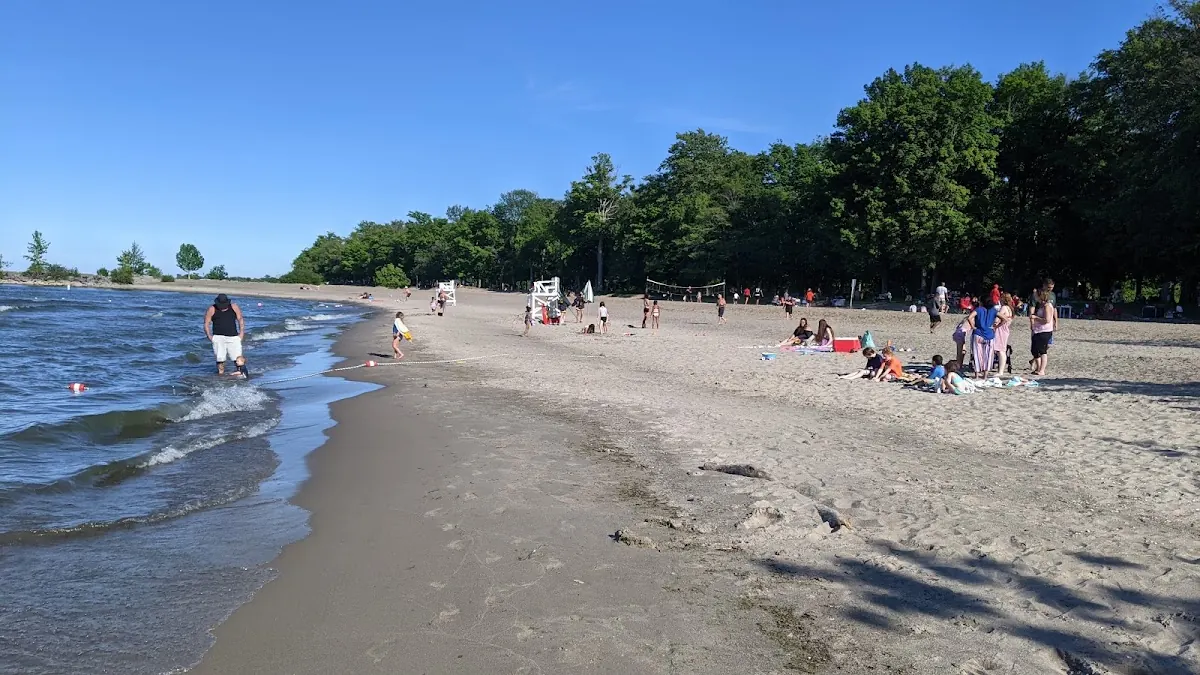
The sandy beach at Hamlin Beach State Park curving along Lake Ontario, with swimmers, lifeguard stands, and trees lining the shore
The beach at Hamlin Beach State Park on Lake Ontario

The beach

Hamlin Beach, and the shore roofs behind it

Hamlin Beach State Park draws the summer crowds to the sand, and the shore houses behind the beach take the same lake wind the swimmers feel. The wind runs straight off the water with nothing to break it, and it lifts ridge caps and tabs on the windward slope first.

The parkway carries the lake air inland, and the houses along it see damp that never quite leaves the north slopes. Moss takes hold in that damp, and a shaded slope near the shore grows it sooner than a sunny slope a mile inland.

Services

Roof work we do in Hamlin

Emergency Roof Repair

A lake storm can open a roof faster than a crew can reach it, so we tarp the bare patch first and plan the repair once the weather clears.

Learn more →

Metal Roofing

Standing seam metal suits lakeshore homes here, since snow slides off it and wind-driven rain runs off, and its fasteners hold through lake blows.

Learn more →

Roof Inspection

After a lake storm we walk the roof and look in the attic, and write down in plain words what the wind moved and what still holds.

Learn more →
See All 22 Roofing Services

After a lake storm, send word through the contact page naming the shore road and the slope the wind hit hardest.

FAQ

Hamlin roof questions

Wind off the lake has a long run with nothing to break it, so gusts reach Hamlin unbroken. Ridge caps take the first hit, sitting highest, and once a cap lifts, the wind gets under the next course of shingles. Roofs inland sit behind trees and houses that slow the wind, but the shore roofs face it head-on, so we check the ridge and the lake-facing slope first.

It can, over time. Spray and damp air off the water keep the shaded slopes wet, and moss grows where the sun never reaches. The damp also softens older shingles and works the mortar joints at chimneys loose. We clear the growth, check the flashing beneath it, and look at the gutters, since the beach trees drop leaves that clog them and hold the damp in place.

For a Hamlin shore home, metal wins on the open lake-facing slope: standing seam sheds wind-driven rain, and snow slides off instead of piling at the eave. A heavier architectural shingle also does well when nailed for high wind with the ridge caps sealed. Pitch, the lake-facing slope, and the tree cover settle it, so we walk the roof and name the material from what we see.

Look for ridge caps that have lifted or gone missing, tabs curled on the lake-facing slope, and granules washed into the gutters after the storm. In the attic, check for damp lines along the ridge and around the chimney, since those show up before ceiling stains. If hail came with the storm, feel for soft spots on the shingles. Any of those signs means the roof deserves a walk.

Yes, and the tarp goes on first when shingles have gone missing and rain is still coming. We set the tarp tight over the bare patch and nail it down so the lake wind cannot lift it. The tarp keeps the house dry while the repair is planned, and the full fix follows once the weather clears and the roof can be walked safely.

They do, since lake-effect snow piles deep on Hamlin roofs and the melt runs to cold eaves where it turns to ice. The dams form most often on the lake-facing slope and above porches, where the roof stays shaded. We watch the drift line after each storm, check the attic insulation and vents, and clear the eave before the dam grows thick enough to push water under the shingles.

Nearby towns

Towns around Hamlin

Clarkson sits south on Lake Road, Hilton runs east along the shore, Brockport lies southeast past the town line, and Greece sits east toward the city.

Bluffs and beach

Bluff sand, lake spray, and damp air at the Hamlin shore

Sand from the bluffs and spray off Lake Ontario reach the roofs nearest the shore, and that grit and damp wear shingles faster than the same shingles wear a few miles inland.

Hamlin Beach State Park holds a long curve of sand, and the bluffs at its west end crumble a little with every big storm. Wind off the water picks up fine sand and carries it inland, and the first roofs it meets are the ones along Lake Road and the parkway. That sand lands on the lake-facing slope and works into the shingle surface, thinning the granules that shield the shingle beneath. A roof a mile inland takes the same wind with far less grit in it, and the difference shows in how long the lake-facing slope keeps its surface.

Spray adds damp to the grit. On a windy day the air near the beach carries fine droplets off the water, and those droplets settle on the roof and in the gutters. Shaded slopes near the shore stay damp into the afternoon, and moss follows the damp. The parkway houses, which sit close to the water with little tree cover, take the spray at full strength, while houses tucked behind a rise or a stand of trees take less. The slope that faces the lake is the one to read first, and the ridge caps above it are the next place to look.

The Devil's Nose bluff shows how the shore itself moves. Storms cut at the sand bluff, and the ground near the edge shifts a little each year. Houses near the bluff need their gutters and downspouts kept clear, since water that ponds near the foundation adds to the damp the roof already carries. A roof visit near the shore starts with the lake-facing slope, then the gutters, then the attic, since water that reaches the attic here usually arrives through a lifted tab on the windward side.

Sand in the gutters

Grit washed down from the lake-facing slope collects in the gutters, and a gutter full of sand holds water against the fascia after rain.

Green growth on the shaded slope

Moss on the slope away from the sun shows that spray and shade are keeping the shingles damp long after the rain has stopped.

Ridge caps lifting toward the lake

Caps on the lake side lift first in a blow off the water, and a lifted cap lets wind work under the next course of shingles.

Cottages and farmhouses

How a Hamlin cottage roof differs from a farmhouse roof inland

A cottage near the beach and a farmhouse on the inland fields face different weather, so the two roofs wear in different places and need different checks.

Cottages along the shore sit low, close to the water, and often carry metal or shingle roofs on modest pitches. Their windward slopes take the full lake wind, and their fasteners and ridge caps work hardest. Many cottages stand empty through the cold months, so a leak that starts in January may not be noticed until the spring opening, by which time the damp has spread through the decking. A spring check that opens the cottage, looks in the attic, and walks the lake-facing slope catches that winter wear before the summer season begins.

Farmhouses inland, around Hamlin center and the fields to the south, sit on higher ground with more tree cover. Their roofs take less spray and less grit, yet they take deeper snow, since the lake bands drop their heaviest snow just inland from the shore. A farmhouse roof holds that snow for days, and the melt runs to the eave, where it turns to ice and backs water under the shingles. The farmhouse check therefore starts at the eave and the attic, looking for ice damage and for damp where warm air from below has melted the snow from underneath.

The parkway houses sit between the two. They face the lake like cottages, yet they are lived in through the winter like farmhouses, so their roofs take both the wind and the snow load. Their ridge caps lift in a blow and their eaves ice up in a cold snap, and both problems can appear in the same season. A visit to a parkway house looks at the ridge first, the eave second, and the attic third, since each of those three tells a different part of the story.

Shore cottage

  • Low pitch close to the water
  • Windward tabs and fasteners wear first
  • Winter wear hides until spring opening
  • Gutters collect sand from the bluffs

Inland farmhouse

  • Steeper pitch on higher ground
  • Deep snow loads the eaves
  • Ice builds where meltwater refreezes
  • Attic warmth melts snow from below

Both kinds of house share one habit worth keeping: a look at the roof after the first big lake storm of the season, and another look when the snow finally leaves in spring. The storm look catches lifted tabs while the repair is still small, and the spring look catches the damp and ice damage that winter left behind. Our guide to wind damage to roofs in Rochester describes the signs to look for from the ground.

After the blow

Reading a Hamlin roof after a November blow

A November blow off the lake leaves its marks in the yard before it leaves them on the ceiling, so the ground check comes first and the attic check comes second.

November brings the first hard lake storms of the season, and Hamlin takes them before the inland towns do. The wind arrives off open water with nothing to slow it, and it works at the ridge caps and the lake-facing tabs. After such a storm, the yard tells the story: shingles on the lawn, a gutter pulled loose at one end, a downspout bent where the wind caught it. Each of those marks points to a spot on the roof that needs a closer look.

The attic check follows the yard check. In the attic, damp lines along the ridge show where wind-driven rain slipped under a lifted cap, and damp around the chimney shows where the flashing opened. Daylight at the ridge is a clear sign that a cap has gone missing entirely. On a shore house, water reaches the attic before it stains a ceiling, so the attic look catches the leak days or weeks before the rooms below show anything.

Covering an open patch matters more than anything else after a blow. A tarp over bare decking keeps the next rain outside while the repair is arranged, and a tarp laid flat and fastened at the ridge holds through the next storm. Our emergency roof repair visits in Hamlin often start with that covering, and our guide to emergency roof tarping after storm damage sets out how a sound covering is laid. Once the roof is covered, the slower work of checking fasteners, resealing the ridge, and clearing the sand from the gutters can follow in turn.

Sand bluffs, lake wind, and roofs that face the water

A Hamlin roof on the sand bluffs takes lake wind that a field house never sees, and the last storm usually leaves its mark on one slope first. The number below reaches us directly: say which slope faces the water and what moved in the storm, and we will plan the visit from there.

Roofing Rochester, 75 S Clinton Ave Ste 510, Rochester, NY 14604, (585) 868-0065