Call (585) 868-0065
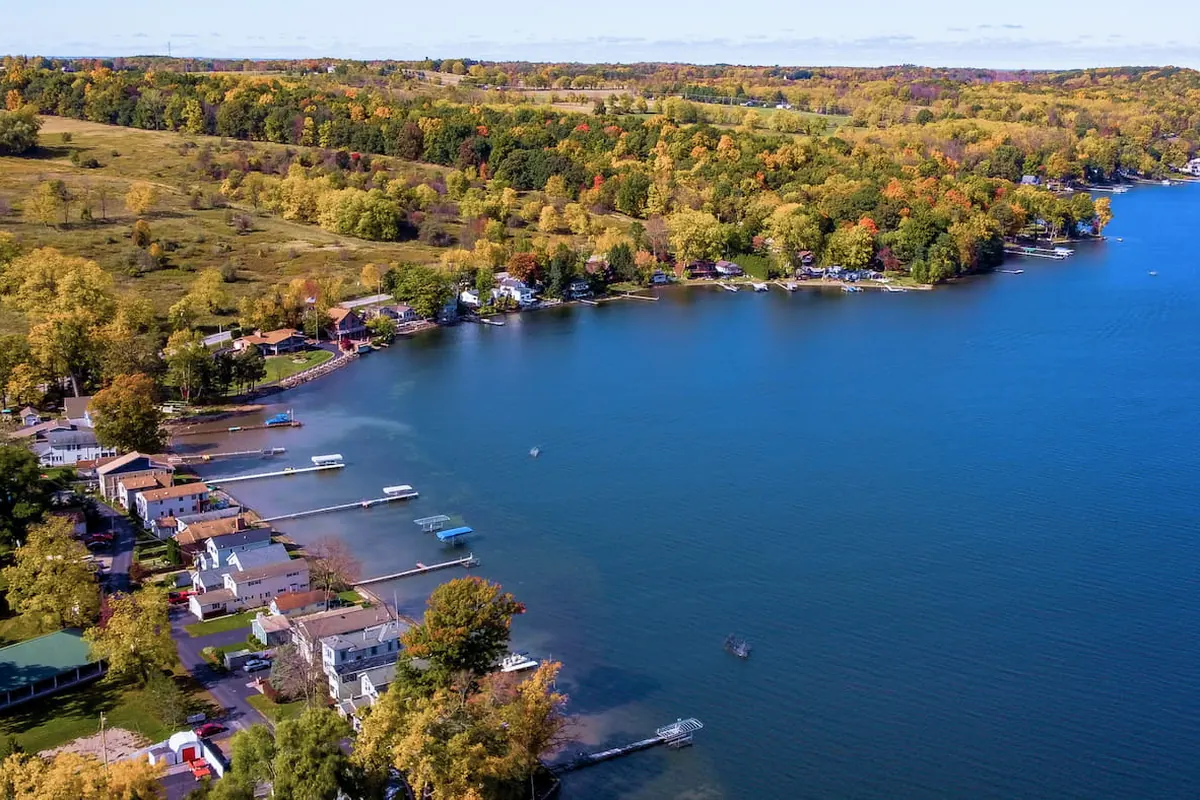
Aerial view of Conesus Lake in New York with wooded shoreline, cottages, and docks in autumn

Between Conesus Lake and Hemlock Lake

Conesus Roofing Above the Westernmost Finger Lake

Conesus is a quiet town between two lakes, with Conesus Lake on its west edge and Hemlock Lake on its east, and the hamlet sitting on a bench 400 feet above the water. The lake shore holds cottages and year-round homes, the hills hold farmhouses and wooded lots, and Route 15 runs straight through the middle of it all.

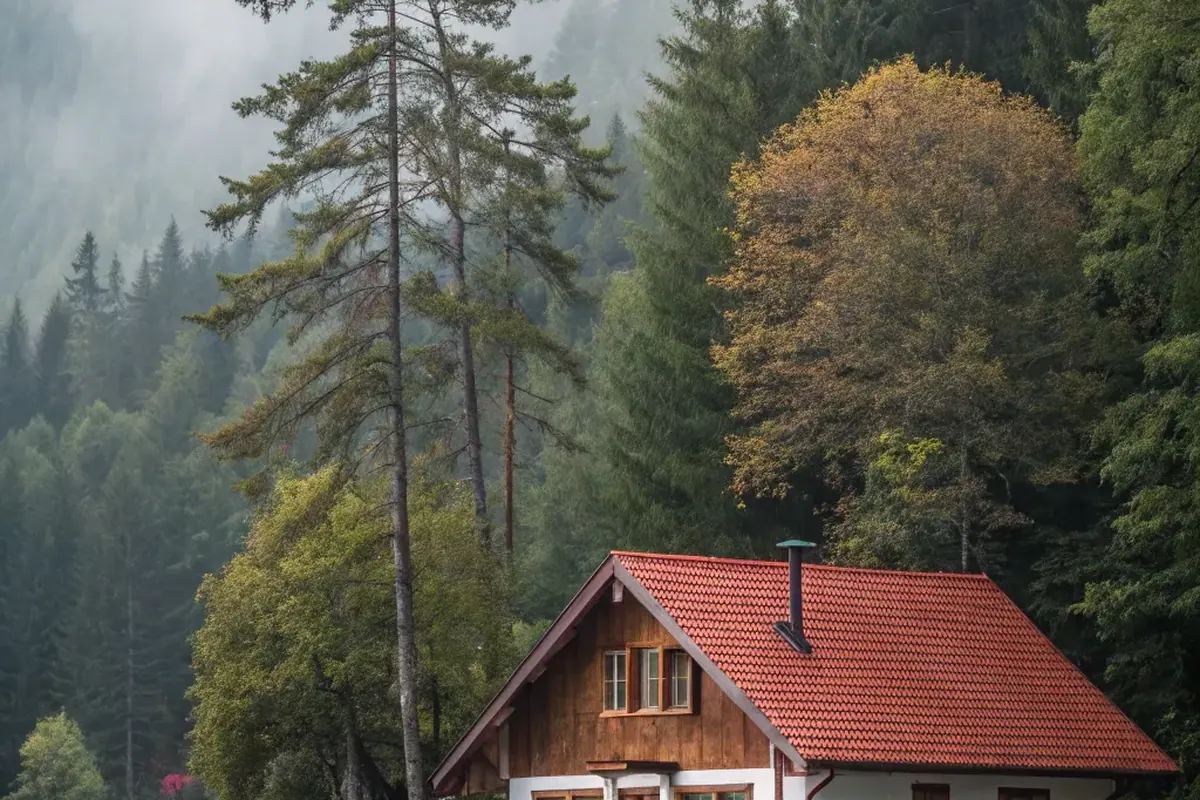
Lakeside cottage with a red tile roof among tall pine trees
A lakeside cottage roof among the pines, where shade keeps the slope damp and moss grows fast.

Conesus, NY

A hamlet on a bench above the lake

Conesus is a town in Livingston County, on the county's east border, north of Dansville. The town was created in 1819 from land in Livonia and Groveland, and it took the name Conesus in 1825, after two earlier names. The hamlet of Conesus sits on a bench 400 feet above Conesus Lake, the westernmost of the Finger Lakes, and Route 15 runs through it, seven miles north to Livonia and seven miles southeast to Springwater.

Conesus Lake forms the west border of the town, and Hemlock Lake forms the east border. The lake shore holds communities like Sunny Shores, Excelsior Springs, and Walkleys Landing, and the Conesus Inlet Fish and Wildlife Management Area sits at the south end of the lake. The Kellerman Log Cabin and the Conesus Amusement Hall, built in 1888, are among the town's historic places. A roof inspection in Conesus starts with the question of height: a shore cottage, a hill home, or the hamlet itself, because the wind and the damp change with the elevation.

Housing here mixes lake shore cottages, year-round homes on the hills, and farmhouses on the back roads. The shore cottages face damp air off the lake all year, and the hill homes face open wind across the fields. The National Weather Service office in Buffalo issues the lake-effect snow forecasts that cover Conesus in winter. A new roof on a Conesus cottage follows the New York State building code, including ice shield at the eaves and in the valleys.
Lake and hill

What the lakes and the hills do to a Conesus roof

Lake damp

Damp air that never quite dries

Damp air off Conesus Lake keeps the shaded side of a shore cottage wet long after the rain stops, so moss grows in that damp shade. The north slope is usually the worst, and trimming the overhanging branches back lets the roof dry.

Hill wind

Wind across the open hills

The hills above the lake give the wind a clear run, and the ridge and corners take the worst of every storm. Tabs lift at the corners first, and a walk along the ridge after a windy storm catches the damage early.

Lake-effect snow

Snow off the water, piled deep

Lake snow arrives in bands and piles deep on the shore roofs, the eaves staying cold while the house stays warm. Ice dams form at the edge, and a roof rake keeps the overhang clear.

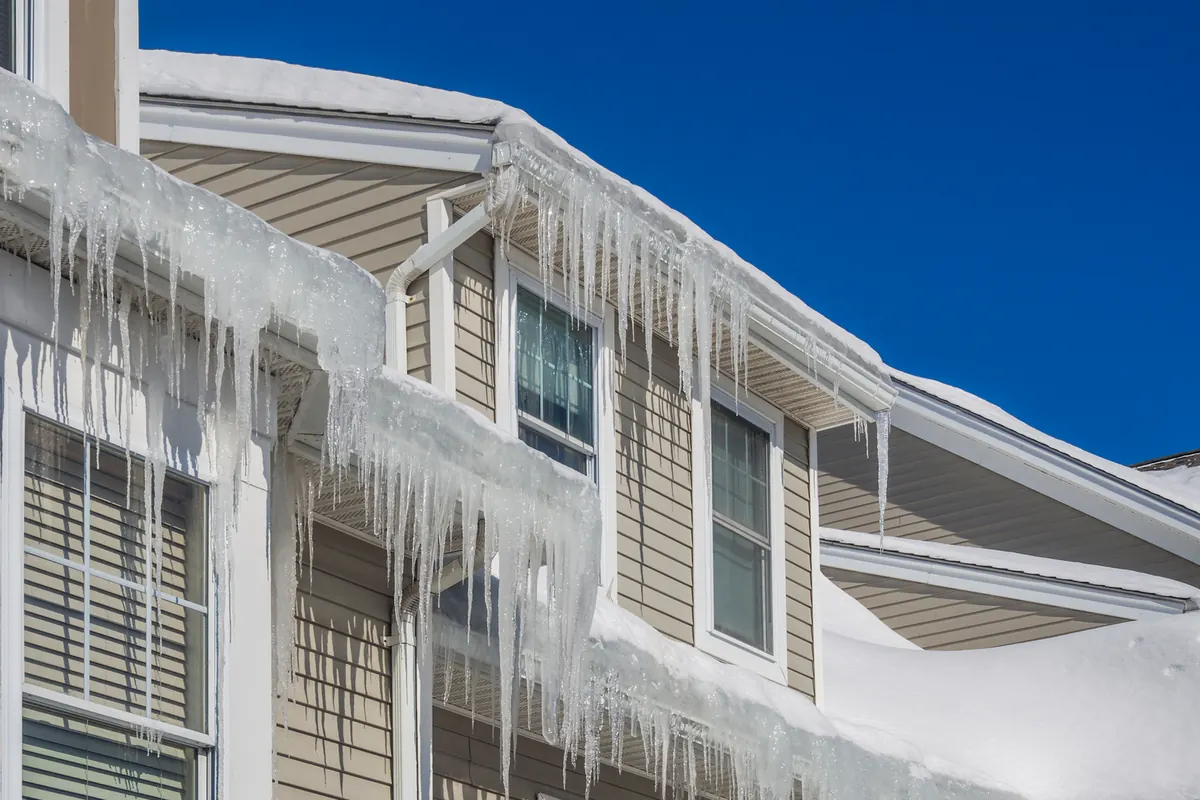
Thick ice dam and icicles hanging from a house roof eave in winter
An ice dam at the eave, with icicles hanging below it: the sign that meltwater is backing up under the shingles.

Winter

Ice dams on a Conesus shore cottage

A shore cottage is the classic ice dam house. The lake keeps the air damp, the cottage stays warm, and the eave stays cold, so snow melts higher on the roof, runs down, and turns back to ice at the edge. The dam grows back from the edge, and water pools behind it and works under the shingles.

Clearing the dam helps today, but the fix that lasts is up in the attic: seal the air leaks that let warm house air out, add insulation that holds the heat down, and vent the roof so the deck stays cold. A roof snow removal and ice dam prevention visit in Conesus opens with the attic, because the dam is a symptom and the attic is the cause.

Roof words

Roof words worth knowing in Conesus

Ice dam
A ridge of ice at the eave that traps meltwater behind it, so the water backs up under the shingles and into the house.
Roof rake
A long-handled tool that pulls snow off the overhang from the ground, so the load and the dam never build up at the eave.
Ridge vent
A vent along the peak of the roof that lets warm, damp air out of the attic, so the deck stays cold and dry.
Soffit vent
A vent in the underside of the overhang that lets cool air into the attic, paired with the ridge vent above it.
Flashing
Metal at every joint on a roof: chimneys, side walls, skylights, and valleys. A flashing joint that has opened is the most common source of a leak.
Moss
A low plant that grows on damp, shaded shingles. It holds water against the surface and lifts the shingle edges as it spreads.

Shores and corners

Conesus, the lake shore, and the back roads

Conesus hamlet Route 15 hamlet

The hamlet on Route 15, on the bench above the lake, with the creek valley below it and Union Corners just to the north.

Walkleys Landing South end of the lake

A hamlet at the south end of Conesus Lake, where the inlet runs in and the shore bends toward the hills.

Sunny Shores North shore homes

A community on the north town line by the lake, with cottages and year-round homes facing the water.

Websters Crossing South town line

A hamlet by the south town line on Route 15 and McMillan Creek, where the town meets the road toward Dansville.

Coverage

One ZIP for the hamlet, the shore, and the hills

Conesus carries 14435, and the work we do here runs from the lake shore cottages to the hill homes and the hamlet on Route 15. The town is quiet and spread out, and the same crew covers the shore and the back roads on one visit.

14435

The 14435 ZIP covers Conesus town in Livingston County, between Conesus Lake and Hemlock Lake.

Services

Conesus roof work, from the shore to the hills

Roof Repair

A flashing joint leaking, a windy hill-side tab lifted, or moss that has taken hold on a shaded shore slope.

Learn more →
See All 22 Roofing Services

Or write to us about the roof over your Conesus cottage.

Moss on the shaded shore slope, or ice at the eave above the lake? Call and tell us which part of town the house sits in.

Call (585) 868-0065

FAQ

Conesus roof questions from the lake shore and the hills

Yes. Conesus work runs from the lake shore cottages at Walkleys Landing and Sunny Shores to the hill homes on the back roads and the hamlet on Route 15. We start on the roof itself, reading the shingles, the flashing, and the deck, and we close with a plain-words plan for the fix.

A shore cottage is the classic ice dam house. The lake keeps the air damp, the cottage stays warm, and the eave stays cold, so snow melts higher on the roof, runs down, and turns back to ice at the edge. What ends it is attic air sealing and ventilation, which keep the deck cold and change where the snow melts.

Standing seam metal suits many lake houses, since it sheds snow fast and rain runs off it cleanly, and its smooth surface gives moss less to hold onto. Architectural shingles also work well on a lake house with a good pitch. Which one fits your house comes down to the pitch, the trees, and the home itself.

Lake damp is the cause. Air off Conesus Lake keeps the shaded side of a roof wet long after the rain stops, and moss grows in that damp shade, with the north side taking the worst of it. Clearing the growth and cutting back the branches overhead lets the roof dry between rains, which slows the moss down.

Yes. The shore communities like Sunny Shores, Excelsior Springs, and Walkleys Landing are part of the town, and we cover them the same way we cover the hamlet. Shore cottages often have low pitches and shaded slopes, so they need their own approach to moss, ice, and flashing.

After the first spring thaw, and after any summer storm with hail or high wind off the lake. The thaw shows what the snow hid, and a look after a storm catches bruised shingles before the damp spreads. Shore cottages deserve a look every year, since the damp air works on them all year round.

Nearby towns

Conesus roof work, and the towns beside it

Livonia sits north on Route 15 along the lake, Dansville sits south past the inlet, and Geneseo sits northwest across the county, so Conesus roof work often crosses into one of those towns.

Shore communities

Sunny Shores, Walkleys Landing, and the south end of the lake

The Conesus shore holds a string of small communities from the north town line to the south end, and each one sits at a different height above the water.

Sunny Shores sits on the north town line by the lake, where cottages and year-round homes face the water with the hills rising behind them. Excelsior Springs and Walkleys Landing hold the south end, where the inlet runs in and the shore bends toward the hills, and the Conesus Inlet Fish and Wildlife Management Area spreads across the wetlands at the south end of the lake. The hamlet of Conesus itself sits on a bench 400 feet above the water on Route 15, seven miles north to Livonia and seven miles southeast to Springwater, with the creek valley below it and Union Corners just to the north. Websters Crossing marks the south town line on Route 15 and McMillan Creek, where the town meets the road toward Dansville.

Height changes everything for a roof here. A shore cottage sits low beside the water, where damp air off the lake keeps the shaded side wet long after the rain stops, and moss grows in that damp shade through the summer. A hill home above the bench faces open wind across the fields, and the ridge and corners take the worst of every storm. A hamlet home on the bench sits between the two, with the creek valley below it and the wind coming over the bench from the lake. The town was created in 1819 from land in Livonia and Groveland, and it took the name Conesus in 1825, after two earlier names, and the Kellerman Log Cabin and the Conesus Amusement Hall, built in 1888, still mark the town's early days.

The shore communities mix cottages that began as summer places with year-round homes that have grown one addition at a time, and a single roof can carry a low porch slope, a steep cottage slope, and a dormer that breaks the ridge. The valleys where those slopes meet carry the most water on the roof, and their flashing and shingles wear sooner than the field. A roof repair on the shore opens at the valleys and the dormer side walls, then moves to the chimney flashing and the shaded north slope, because those are the joints the lake damp and the hill wind work on first.

Two kinds of lake home

Seasonal cottages and year-round homes need different roof care

A seasonal cottage and a year-round home on the same shore need different roof care, because one sits empty through the winter and the other stays warm.

Seasonal cottages

  • The roof sits cold and empty all winter, so snow loads the slopes evenly and ice forms at every eave.
  • Spring opening reveals the winter: a lifted tab, a valley joint that opened, or a stain on the ceiling.
  • Leaves from the shore trees fill the gutters and valleys while nobody is there to clear them.
  • Low slopes over porches and additions hold snow longest, and their seams are the first to leak.
  • A spring walk over the roof and through the attic catches the winter damage before the summer season starts.

Year-round homes

  • The house stays warm, so the attic stays warm and meltwater runs down to turn back to ice at the edge.
  • Attic air sealing and ventilation keep the deck cold, which ends the dam cycle at its source.
  • Damp air off the lake works on the shaded slopes all year, and moss grows fastest on the north side.
  • Chimneys work hard through the winter, and their flashing shifts with frost and thaw.
  • A look every year, after the first big snowmelt of spring, keeps a year-round lake home ahead of the damp.

Inlet and creek valleys

Conesus Inlet, the creek valleys, and the damp that never lifts

The inlet at the south end of the lake and the creek valleys below the hamlet keep the air damp, and that damp never quite lifts off a Conesus roof.

The Conesus Inlet runs into the south end of the lake through wetlands that hold water all year, and the damp air off that water hangs over the shore communities at the south end from spring through fall. McMillan Creek cuts its own valley toward the south town line, and the creek valley below the hamlet holds the same damp air, so the homes along the valley floor face shade and wet that the hill homes above them never see. On a still morning the mist off the inlet and the creeks sits over the low ground, and a roof down there stays wet long after the rain stops.

That steady damp is what makes moss the signature problem of a Conesus roof. It grows on the shaded slopes, holds water against the surface, and lifts the shingle edges as it spreads, and the north slope is usually the worst. Cutting the growth away helps for a season, but the lasting change is letting the roof dry: trimming the overhanging branches back so sun and wind reach the slope, keeping the gutters clear so water runs off instead of pooling, and venting the attic so damp air does not sit under the deck. A roof inspection in Conesus starts with the question of height, because a shore cottage, a hill home, and a hamlet home each face a different mix of damp and wind.

Winter adds lake snow to the damp. Snow comes off Lake Ontario and the Finger Lakes in bands, and Conesus sits between them, so the shore roofs take deep snow in one fall, and the eaves stay cold while the house stays warm. The drift piles onto the sheltered slope, and ice dams take hold at the eaves. A Livonia lake house across the water faces the same bands from the other shore, and the two towns read the same winter storm warnings from the Buffalo office. Clearing the overhang from the ground, keeping the valleys clear of leaves, and walking the roof after the first big thaw of spring keep a Conesus roof ahead of the damp that never lifts and the snow that always comes back.

A shore cottage or a hill home, the fix starts with the place

On the bench above the lake, a Conesus shore cottage ices at the eaves while a hill home takes the wind full on, and the two roofs never age the same way. A note with the shore road or the hill road, the pitch, and the ice marks left behind gives the visit its starting point.