Walk the ground first
Look up from the yard before you climb anything. Shingles on the lawn, a bent vent, or a gutter hanging loose all tell you where the storm hit hardest.
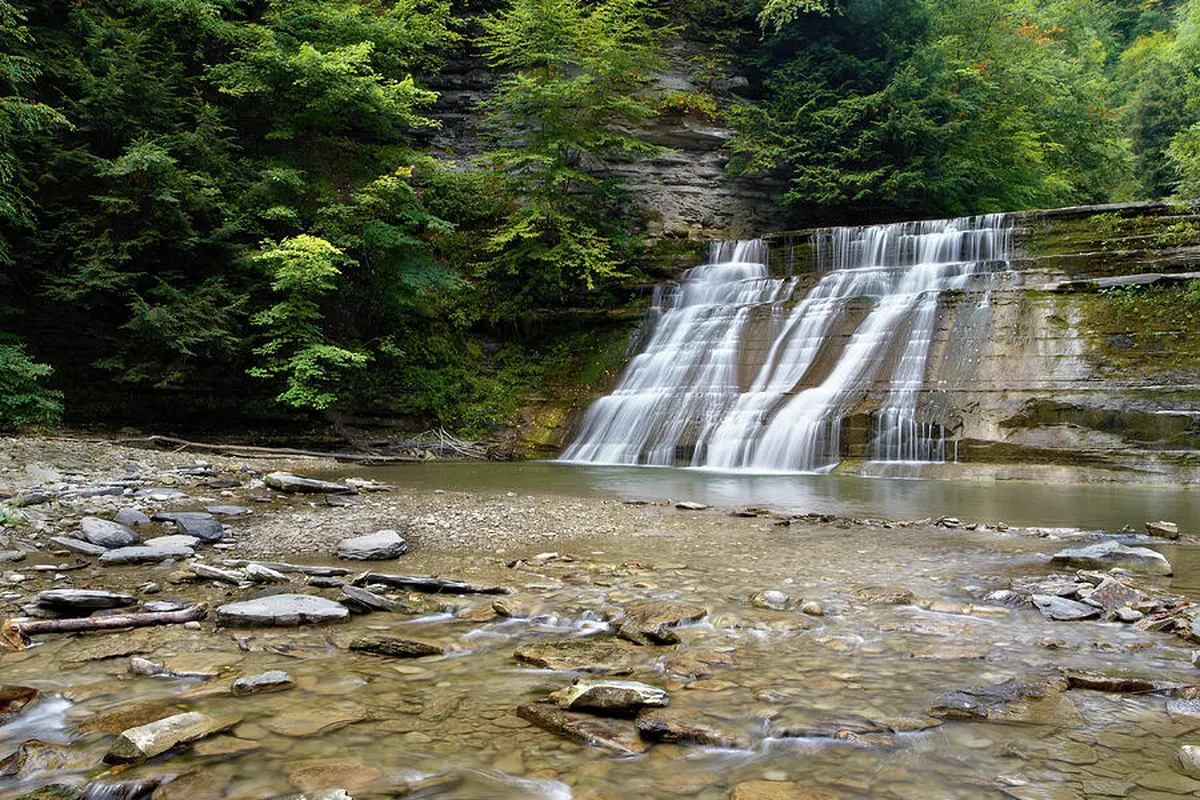
Glacial Valley at the Foot of the Hills
Dansville sits in a glacial valley where Routes 36, 63, and 256 meet and Interstate 390 passes the west side, three miles north of Stony Brook State Park. The valley funnels wind and snow straight through town, and the roofs here, from the old village houses to the homes on the valley sides, take the full run of it.
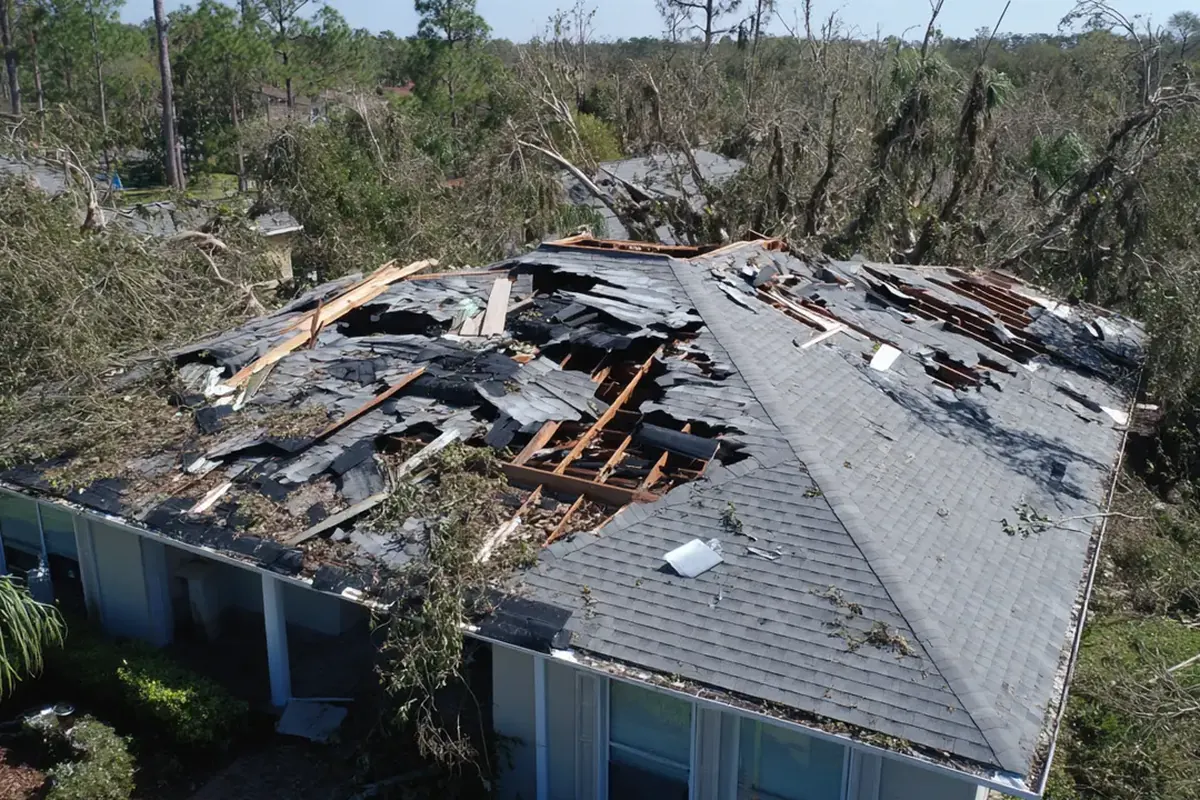
Dansville, NY
Dansville is a village in the town of North Dansville, with a small northern part in the town of Sparta, in eastern Livingston County. Interstate 390 passes the west side of the village, and Routes 36, 63, 256, and 436 all run through it, so the village has always been a crossroads. It is named for Daniel Faulkner, an early settler, and Clara Barton lived here and organized the first American Red Cross chapter in the United States in 1881.
The village sits in a glacial valley, and Stony Brook State Park lies three miles south on Route 36, a 568-acre park with a gorge, waterfalls, and trails through the hills. Nicholas H. Noyes Memorial Hospital stands on the southern edge of the village on Route 36, beside Interstate 390 Exit 4. A storm and hail damage repair in Dansville starts with the valley wind, because the valley funnels every storm straight through town. Homes on the valley sides catch the wind that funnels up from the gorge, and wind damage to roofs in Rochester explains what that funneled wind does to ridge caps and tabs.
Nineteenth-century homes near the center give way to newer houses toward the edges, and the valley sides hold homes that look down on the village from the hills. The National Weather Service office in Buffalo covers the county, and its severe thunderstorm warnings are the ones Dansville watches in summer. Repair work follows the New York State building code, so a replacement slope is built to the same standard as the original.
Roof anatomy
The valley is the inside corner where two slopes meet, and water runs fast through it. In a valley town like Dansville, the valleys carry more water than anywhere else on the roof, so their metal and shingles wear sooner than the field. Since Dansville valleys carry more water than any other part of the roof, a valley repair often starts with the flashing, and our guide to chimney flashing leaks in Rochester explains how flashing fails where water concentrates.
Small metal pieces layered with each shingle course where the roof meets a chimney or a side wall. Valley homes often have additions built at different times, so a Dansville roof can carry several generations of step flashing in one slope.
A metal strip at the roof edge that guides water into the gutter instead of letting it run back under the shingles. Without it, water wicks onto the fascia and the deck edge rots from the outside in.
Insulation and air sealing keep warm house air out of the attic, so the roof deck stays cold and snow melts evenly. In a cold valley town, a thin or gappy attic floor is the root of most ice dams.

After a storm
Look up from the yard before you climb anything. Shingles on the lawn, a bent vent, or a gutter hanging loose all tell you where the storm hit hardest.
Valleys and ridges take the worst of valley wind. A lifted tab at a ridge or a creased shingle in a valley is the damage to catch early.
Daylight through the deck, a wet rafter, or insulation that has gone flat all point to a leak that has already started, even if the ceiling looks dry.
A torn or missing section needs a cover before the next rain. A tarp held at the ridge keeps water out while the repair is lined up.
Photos of the roof, the yard, and the attic help any later conversation about the damage. Take them before anything is moved or fixed.
Warning signs
Valley wind funnels through Dansville, and a shingle on the lawn means a tab has lifted or torn. The slope it came from is the one to check first.
Water follows a valley down and shows inside where the valley meets the wall. A stain there points to valley flashing, not to the field of shingles.
A chimney on a valley home works hard through the winter, and a stain running down the brick means the flashing at its base has opened.
A Dansville roof stays cold longest on its north side, and ice builds there first. Thick icicles at one eave mean a dam is forming above them.
Coverage
Dansville carries 14437, and our work here runs from the village center to the valley sides and the roads south toward Stony Brook. Cumminsville sits just northwest of the village, and the same valley wind reaches it too.
The 14437 ZIP covers Dansville village in Livingston County, at the north end of the Stony Brook valley.
Services
Wind-torn tabs, hail-bruised shingles, and valleys that took the worst of a valley storm, each fixed at the source.
Learn more →A torn section covered fast, before the next rain in the valley, with the full repair lined up behind it.
Learn more →The valley wind gets read on a Dansville roof walk that covers roof, attic, and flashing, with the findings in plain words.
Learn more →Attic air leaks get sealed and the roof vented, keeping the deck cold so the ice dams a cold valley builds stop coming back.
Learn more →Or tell us in writing what the valley wind did to your roof.
Shingles in the yard after valley wind, or a stain where the valley meets the wall? Call and tell us what the storm left behind.
Call (585) 868-0065FAQ
Yes. Dansville work runs from the nineteenth-century homes near the village center to the houses on the valley sides and the roads south toward Stony Brook State Park. A repair visit opens on the roof, reading shingles, flashing, and deck, and closes with a plain-words plan for the fix.
Dansville sits in a glacial valley, and the valley funnels wind straight through town with little to slow it. The windward slope takes the full run of a storm, and tabs lift at the corners first. Once a tab lifts, rain works under the next one, so a walk along the ridge after a windy storm catches the damage early.
Walk the ground and look up before you climb anything. Shingles on the lawn, a bent vent, or a gutter hanging loose show where the storm hit. Then look in the attic for daylight or wet insulation. Cover any open section before the next rain, and photograph everything before it is moved or fixed.
Yes, often. Dansville winters run cold, and the valley holds the cold air in, so the eaves stay cold while the attic stays warm. Meltwater from up the roof runs down and turns back to ice at the edge. Attic air sealing and ventilation hold the deck near the outside temperature, which ends the cycle. A roof rake clears the snow off the overhang for now.
A stain where a valley meets a wall, or a damp patch on a ceiling below a valley, points to valley flashing. Water runs fast through a valley, and the metal and shingles there wear sooner than the field. We check the valley from above and from the attic side to find the exact joint that opened.
Yes. The valley sides hold homes that look down on the village, and their roofs face the same wind with even more exposure. Steep driveways and wooded lots make access trickier, but the roof work is the same: the windward slope, the ridge, the valleys, and the flashing, each checked in turn.
Nearby towns
Wayland sits south on Route 36 past Stony Brook, Conesus sits north on Route 15, and Geneseo sits northwest on Route 63, and Dansville roof work often crosses into one of those towns.
Beyond the village center
Dansville work does not stop at the village center, and the roads out of the valley each hold homes that face the same funneled wind from a different angle.
Cumminsville sits just northwest of the village, and the same valley wind that crosses Main Street reaches it too, running up the valley floor with nothing to slow it. Route 36 runs south from the village toward Stony Brook State Park and on to Wayland, Route 63 runs northwest toward Geneseo, Route 256 runs north, and Route 436 cuts across the valley, so the village is a crossroads in every direction and the houses along each road take the wind head-on. The hospital stands on the southern edge of the village on Route 36, beside Interstate 390 Exit 4, and the homes on that hill look down the valley toward the park, with their roofs open to storms that run straight up the gorge.
A small northern part of the village lies in the town of Sparta, and the houses there sit on the same valley floor with the same exposure, while the homes on the valley sides climb the slopes above town on steep drives and wooded lots. Those hillside houses catch the wind that funnels up from the gorge with even more force than the village center, and their roofs show it first at the ridge and the corners. The south road toward the park holds houses tucked against the hills where Stony Brook cuts through, and there the shade and the damp join the wind, so moss grows on the north slopes while the windward tabs lift on the south side.
The valley holds its history close: Clara Barton organized the first American Red Cross chapter in the United States here in 1881, and the nineteenth-century homes near the center still carry the steep pitches and tall chimneys of that era. A roof inspection in Dansville reads the house by its place, because a village-center home, a hillside home, and a house on the south road each wear in their own way. The ridge gets checked first on the hillside, the valleys get checked first near the center where additions crowd together, and the shaded north slope gets checked first on the road toward the park.
Three places, three roofs
The same storm crosses all three parts of Dansville, but the valley floor, the valley side, and the south road each take it differently.
| Roof point | Village center on the valley floor | Homes on the valley sides | Roads south toward Stony Brook |
|---|---|---|---|
| Wind | Wind funnels straight through town along the valley, and the ridge and corners take the full run of it. | Wind funnels up from the gorge with more force, and the windward slope takes the hardest hits. | Wind runs up the gorge from the park, and the slopes facing the gorge take it first. |
| Snow and ice | Cold air pools on the valley floor, so the eaves stay cold and ice dams form at the edge. | Snow drifts against the leeward side, loading one slope far more than the other. | Shade from the hills keeps snow on the north slopes longer, and the eaves ice up early. |
| Damp and moss | Yard trees hold damp against the shingles, and moss grows slowly on the shaded slopes. | Wooded lots shade the roof all day, so the north side stays wet and moss grows fast. | Damp air from the gorge and the creek keeps the shaded side wet long after the rain stops. |
| First thing to check | Valley flashing, where additions built at different times meet under one roof. | Ridge caps and the windward corners, where the funneled wind works hardest. | The north slope and the chimney flashing, where damp and frost work the joints loose. |
Swipe sideways to see the valley floor beside the valley side and the south road.
Valley winters
Cold air sinks and pools on the valley floor, and that pooled cold is what makes Dansville winters so hard on a roof.
On a still winter night the cold air slides down the valley sides and settles over the village, so the eaves stay cold while the attic stays warm, and meltwater from higher on the roof runs down and turns back to ice at the edge. The dam grows back from the edge, water pools behind it, and the pooled water works under the shingles and into the house. The north eave shows it first, because it sees the least sun, and a house that looks fine from the street can be holding a dam on the side nobody walks past. Clearing snow off the overhang from the ground helps for now, but the lasting change sits in the attic, where air sealing keeps warm house air out and ventilation keeps the deck near the outside temperature.
Spring thaw is the season that shows what the valley winter did. The snow melts off the slopes and the damage appears: a ridge cap loosened by wind, a valley flashing joint opened by frost, a chimney that stains the brick where its flashing shifted. Spring rain tests every one of those joints, and a walk over the roof and through the attic in the weeks after the thaw catches the damage while it is still small. Summer brings a different test, when thunderstorms run down the valley with wind and hail, and a check after a hailstorm catches bruised shingles before the ceiling stains.
Fall closes the year with leaves from the valley trees filling the gutters and valleys, and a full gutter holds water against the fascia all winter until the fascia rots from the outside in. When the gutters get cleared in Dansville, the eaves get a look at the same time, since a gutter that cannot drain and a cold eave fail as a pair, and a Wayland roof down the road south takes the same valley wind on its way through. Clearing the gutters before the first snow, sealing the attic leaks, and walking the ridge after the first windy storm of the season keep a Dansville roof ahead of the cold that pools in the valley every winter.
In the valley with the park at its back door, a Dansville roof takes the full run of every storm, and the wind and the snow leave their marks on the valley floor and the valley side alike. A call from the valley floor or the valley side, saying what the last storm left, puts the next visit on the slope that took it.