Main Street Route 5 spine
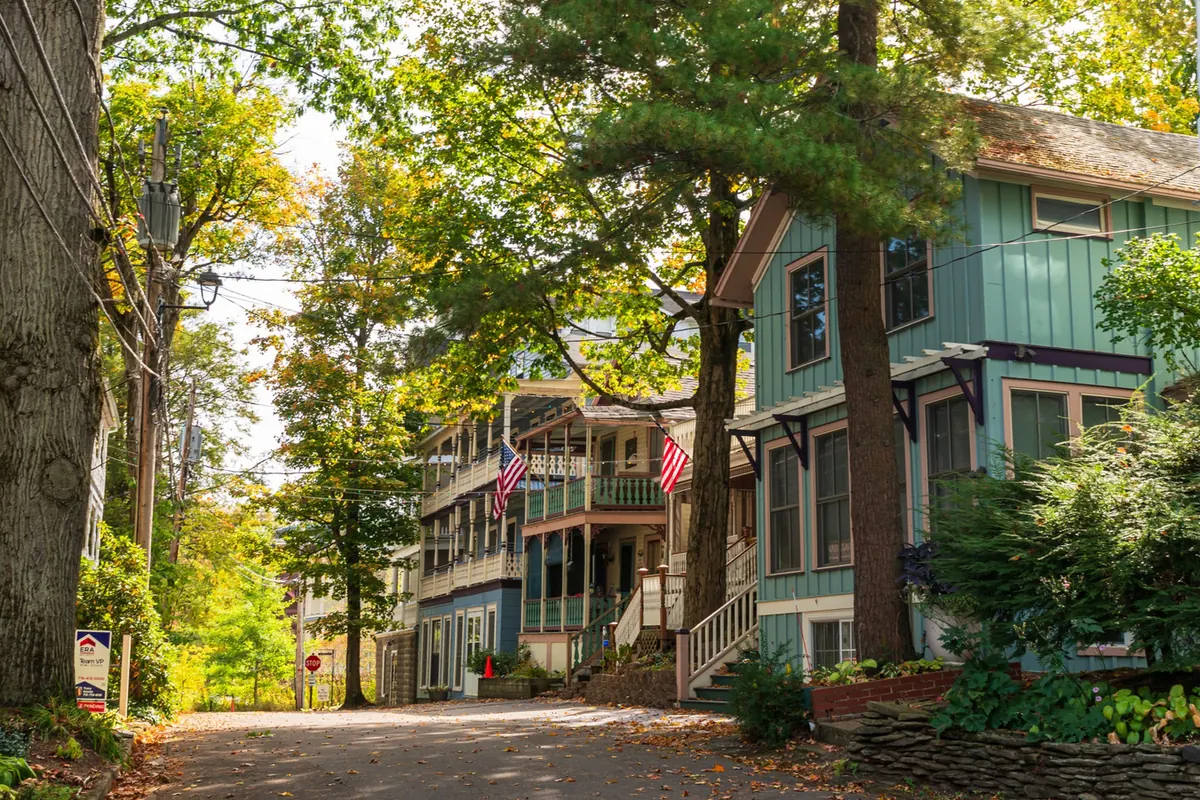
The east-west spine of the village, with historic storefronts, the Jell-O Gallery, and the Victorian homes that line it.
Birthplace of Jell-O
Le Roy is a village on Oatka Creek at the crossing of Routes 5 and 19, ten miles east of Batavia and a short drive from the Thruway. It is the birthplace of Jell-O, home of the Jell-O Gallery and the Historic LeRoy House, and its tree-lined streets hold Victorian homes whose steep roofs have watched the creek for well over a century.
Le Roy, NY
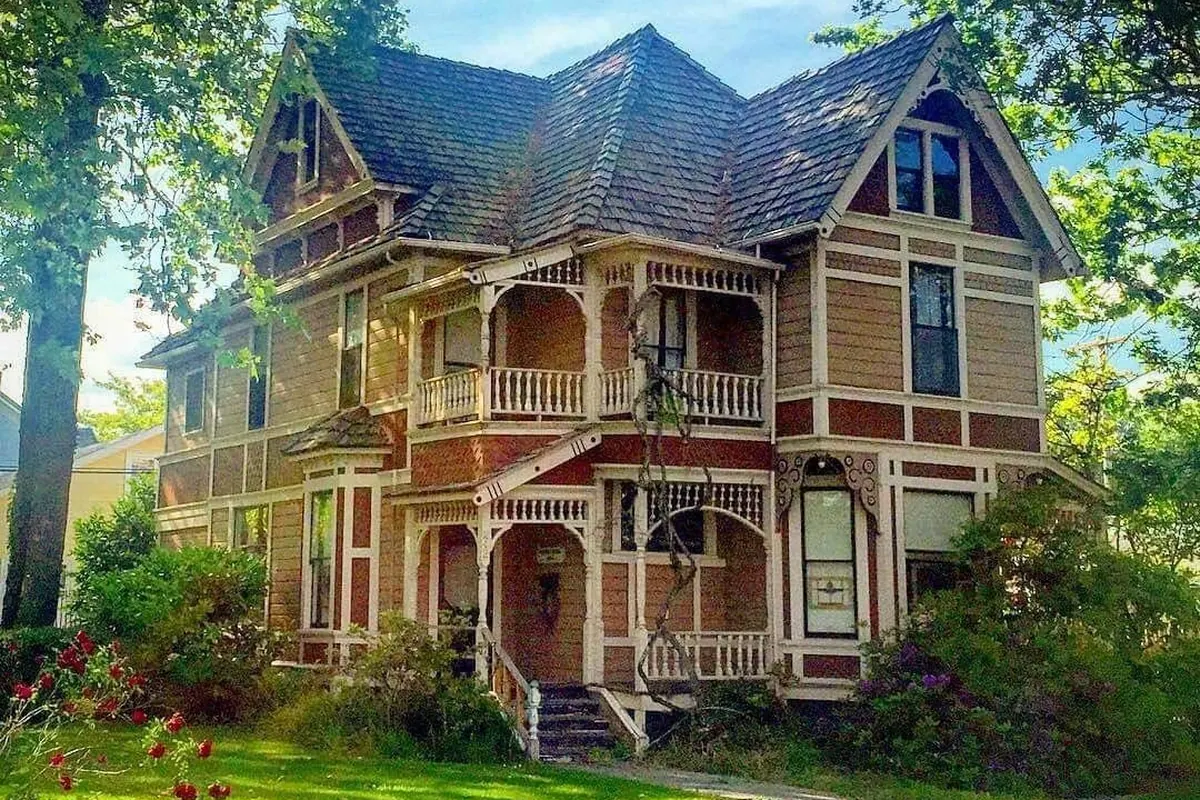
Le Roy is a village in Genesee County, at the center of the town of Le Roy, where Route 5 meets Route 19. Oatka Creek, a tributary of the Genesee River, flows through the village, dammed to form a small reservoir, and the Oatka Festival fills the community each summer. The village is the birthplace of Jell-O: Pearle Wait invented the gelatin dessert here in 1897, and the Jell-O Gallery and Museum now stands behind the Historic LeRoy House, which dates to 1822.
Le Roy was also home to Ingham University, the first chartered university for women in the United States, and the village holds an eight-foot replica of the Statue of Liberty on Wolcott Street, on the banks of Oatka Creek, standing there since 1950. The Thruway passes north of the village, with Exit 47 about four and a half miles north, and Interstate 490 starts here. A roof replacement in Le Roy has to suit a Victorian, because the steep pitch and the tall chimneys ask for a roofer who knows old houses.
Village housing runs from Victorian homes on the tree-lined streets to newer houses toward the edges, and Fort Hill, a hamlet north of the village on Route 19, holds the site of a prehistoric Native American village. The winter storm warnings that cover Le Roy come from the National Weather Service office in Buffalo. A replacement here follows the New York State building code for underlayment and ice shield at the eaves and valleys.
Streets and corners
The east-west spine of the village, with historic storefronts, the Jell-O Gallery, and the Victorian homes that line it.
The street along Oatka Creek where the eight-foot Statue of Liberty replica has stood on the bank since 1950.
Route 19 as it runs north from Main Street toward Bergen, with homes and the road to the Thruway.
Route 19 as it runs south from Main Street toward Warsaw, with homes on the road out of the village.
A hamlet north of the village on Route 19, the site of a prehistoric Native American village on the high ground.
A hamlet on Route 5 near the eastern town line, east of the village toward Caledonia.
Roof anatomy
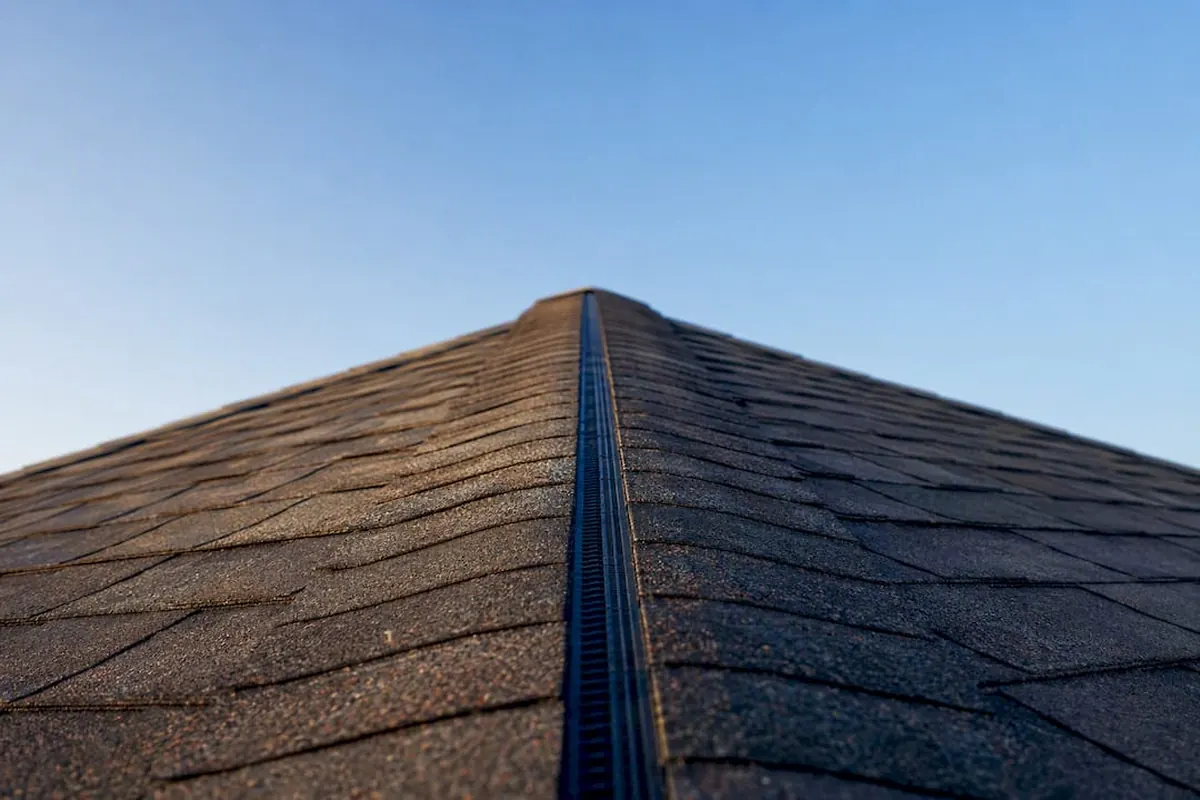
The steep pitch of a Victorian roof sheds snow and rain fast, but it gives the wind a tall face to push against. Architectural shingles layer well on that pitch, and the ridge cap is the part the wind works on first.
A ridge vent lets warm, damp air out of the attic, paired with soffit vents at the eaves. On a tall Victorian attic, that airflow keeps the deck cold, fights ice dams, and keeps the old timber dry.
Victorian homes carry tall brick chimneys, and the flashing at their base moves with the frost and thaw. A stain running down the brick means the joint has opened, and the flashing gets reset and sealed.
Victorians fold their roofs around gables and dormers, and every fold is a valley where water runs fast. The valleys and the dormer side walls wear sooner than the field, and they are the joints to check first.
A roof day
First look
The steep roof and the tall attic get walked first, slopes, flashing, and deck read, and the plan settled with the homeowner before anything is torn off.
Tear-off
Old shingles strip off, the deck is checked board by board, and soft or rotted boards come out before the new layers are laid.
Dry-in
Underlayment and ice shield cover the eaves and valleys, then shingles lay on course by course, flashing set at every chimney, dormer, and vent.
Finish
Ridge cap and ridge vent finish the top, the gutters get checked and cleared, and the yard is walked for nails and debris before the crew leaves.
The creek
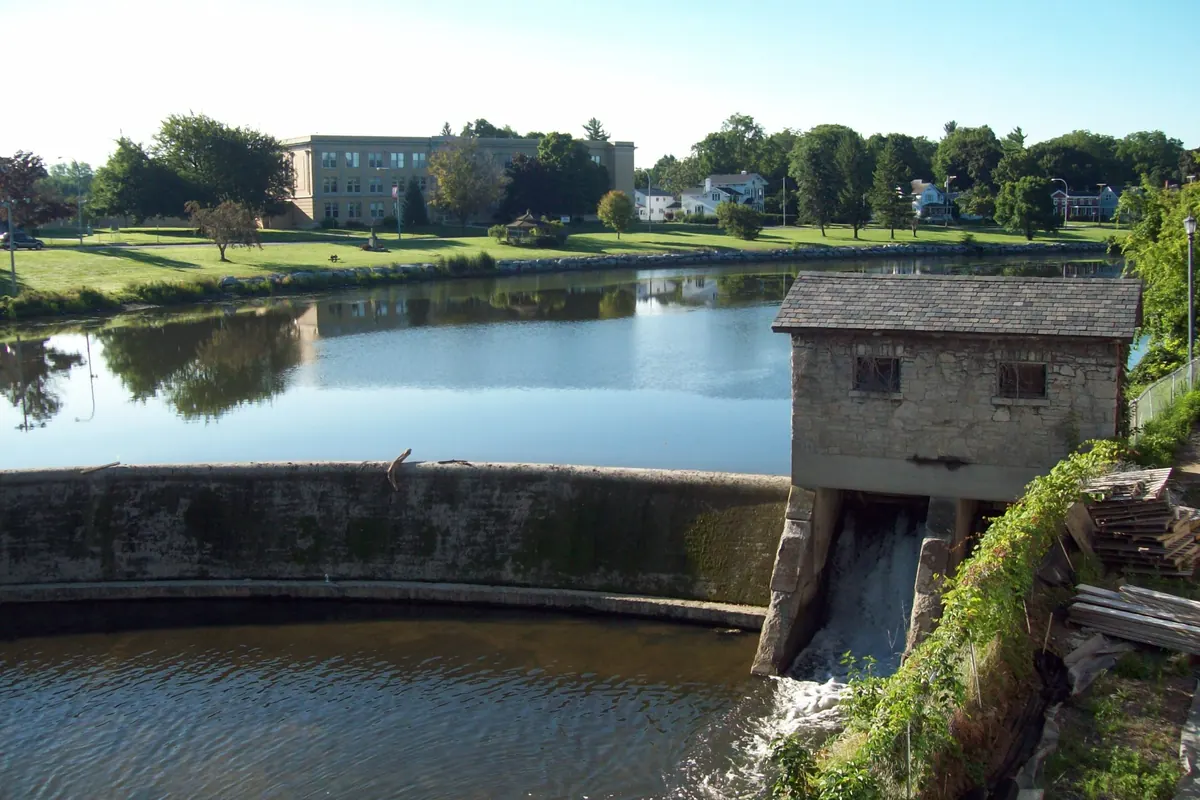
Oatka Creek runs right through Le Roy, and the damp air off the water keeps the shaded side of a creek-side roof wet long after the rain stops. Moss grows in that damp shade, and the north slope is usually the worst. The creek also brings the summer festival and the fishing and kayaking that fill the village in the warm months, so the roofs near the water see the most of the village life.
A creek-side roof needs its valleys and gutters kept clear, because the damp and the leaves together hold water against the shingles. A gutters and gutter guards visit in Le Roy is usually paired with a look at the valleys, because the two clog together.
Coverage
Le Roy carries 14482, and our work here runs from Main Street and Wolcott Street to Fort Hill, Lime Rock, and the farmhouses on the town roads. The village sits ten miles east of Batavia on Route 5, and the Thruway is four and a half miles north at Exit 47.
The 14482 ZIP covers Le Roy village and the town of Le Roy in Genesee County, at the crossing of Routes 5 and 19.
Services
A full tear-off for a steep Victorian roof worn across whole slopes, with shingles chosen to suit the pitch and the house.
Learn more →A chimney joint leaking, a slipped slate on a steep slope, or a valley worn through: Le Roy fixes each one where it started.
Learn more →Victorian homes with tall brick chimneys, flashing reset and caps set so the joint stays dry through the winter.
Learn more →Le Roy gutters carry creek-side leaves clear, guards keeping the maple and oak out of the run.
Learn more →Or drop us a line about your Le Roy Victorian.
A stain below a tall chimney, or moss on the shaded creek side? Call and tell us which street the house is on.
Call (585) 868-0065FAQ
Yes. Le Roy work covers the Victorian homes on Main Street and the tree-lined side streets, the creek-side houses on Wolcott Street, and the farmhouses on the town roads. A repair visit starts on the roof itself, reading the shingles, the flashing, and the deck, and it finishes with a plain-words plan for the fix.
Architectural shingles suit most Le Roy Victorians, since they layer well on a steep pitch and match the look of the street. Standing seam metal also fits a steep Victorian roof and sheds snow fast. The right material for your house comes down to the pitch, the structure, and the home itself, so we walk the roof before we name it.
Oatka Creek damp keeps the shaded side of a Le Roy roof wet long after the rain stops, and moss grows in that damp shade, with the north slope usually the worst. Clearing the growth and cutting back the branches overhead lets the roof dry between rains, which holds the moss back.
Yes. Le Roy winters run cold, and the tall attics on Victorian homes stay warm while the eaves stay cold. Meltwater from the warm upper roof runs down and turns back to ice at the cold edge. Attic air sealing and ventilation hold the deck cold, and that stops the cycle from repeating.
The steep pitch, the tall brick chimneys, and the folds around gables and dormers. The steep pitch sheds snow fast, but the wind pushes hard against it, and every fold is a valley where water runs fast. The valleys and the dormer side walls wear sooner than the field, and they are the joints to check first.
Spring, after the first big snowmelt, and after any summer storm with hail or high wind down the creek valley. The spring thaw shows what the snow hid, and a look after a storm catches bruised shingles before the damp reaches the ceiling. Older Victorians deserve a look every year, since their flashing has been moving with the seasons for decades.
Town roads
The town of Le Roy spreads past the village in every direction, and the hamlets and farm roads out there hold houses that face open wind the village streets never feel.
Fort Hill sits north of the village on Route 19, on high ground that holds the site of a prehistoric Native American village, and the houses along that road look out over the creek valley with the wind at their backs. Lime Rock lies on Route 5 by the eastern town line, on the road toward Caledonia, where the houses stand on open ground. Route 19 runs south from Main Street toward Warsaw, Route 5 runs east and west through the village, and north of the village runs the Thruway, with Exit 47 roughly four and a half miles away, while Interstate 490 begins here, so the town is a meeting of roads in every direction.
The farmhouses on the town roads carry wide roofs over the house and bigger roofs over the barns, and the two take the weather differently. The house roof is steep, so it throws snow clear, while the barn roof is broad and low, so it holds the snow until the drift loads one side. The village housing runs from Victorian homes on the tree-lined streets to newer houses toward the edges, and the town roads hold the older farmhouses, with tall chimneys and flashing joints that have moved with frost and thaw for generations. Trees planted as windbreaks shade the north slope through the summer, and their branches drop leaves into the gutters each fall.
Ingham University, the first chartered university for women in the United States, once stood here, and the eight-foot Statue of Liberty replica on Wolcott Street has watched the creek bank since 1950. The Oatka Festival fills the community each summer, and the tree-lined streets fill with the same crowds that fill the creek-side paths. A roof inspection in Le Roy reads the house by its place, because a Victorian on Main Street, a farmhouse on a town road, and a home on the high ground at Fort Hill each wear in their own way.
Old and new
A Victorian roof and a newer roof in Le Roy age in different ways, and the table below shows where the two split.
| Roof point | Victorian homes | Newer homes |
|---|---|---|
| Pitch | Steep pitches that throw snow and rain clear, yet stand tall enough for the wind to push hard against them. | Moderate pitches that shed snow well, with less height for the wind to work on. |
| Chimneys | Tall brick chimneys that shift with frost and thaw, so the flashing at their base needs a look every few years. | Shorter chimneys and vents, with flashing joints that hold longer between looks. |
| Valleys and dormers | Roofs that fold around gables and dormers, with a valley at every fold where water runs fast. | Simpler roof shapes with fewer valleys, so the water has fewer joints to find. |
| Ventilation | Tall attics that need ridge vents and soffit vents working together to keep the deck cold and the old timber dry. | Lower attics with modern venting, where the airflow is easier to keep balanced. |
| First thing to check | The ridge cap and the dormer side walls, where the wind and the folds work hardest. | The valleys and the flashing at vents, where the wear shows first on a simpler roof. |
Swipe sideways to see Victorian homes beside newer homes.
Creek and mills
Oatka Creek runs right through Le Roy, and the mills, the reservoir, and the damp along its banks shape the roofs nearest the water.
Oatka Creek runs through the village on its way to the Genesee River, dammed to form a small reservoir, and its water once turned the early mills along the banks. The homes along the creek sit in damp air off the water all year, and the shade from the trees along the banks keeps the north slopes wet long after the rain stops, so moss grows in that damp shade through the summer. Wolcott Street runs along the creek where the eight-foot Statue of Liberty replica has stood on the bank since 1950, and the homes there face the water on one side and the village street on the other, so the roof takes damp from the creek and wind from the street in the same storm.
Jell-O began here, when Pearle Wait created the gelatin dessert in 1897, and the Jell-O Gallery and Museum stands behind the Historic LeRoy House from 1822. Main Street holds the historic storefronts and the Victorian homes that line it, and the steep roofs above them have watched the creek for well over a century. A replacement on a Le Roy Victorian has to fit the house, since the steep pitch and the tall chimneys want hands that know old houses, and the dormers and valleys on those roofs wear sooner than the field.
Winter brings lake snow off Lake Ontario, and the creek-side roofs take it with the damp already working on their shaded slopes. The creek-side eaves stay cold while the attic above stays warm, so meltwater runs down, turns back to ice at the edge, and the dam that builds there pushes water under the shingles. A attic ventilation and insulation visit in Le Roy opens in the tall Victorian attic, where sealing the air leaks and venting the roof keeps the deck cold and the old timber dry. A Batavia roof ten miles west takes the same lake snow from the same direction, and the two towns read the same winter storm warnings from the Buffalo office.
Above Oatka Creek, a steep Le Roy Victorian sheds water one way while a creek-side house and a farmhouse on the town roads each take the damp differently. A call naming the Main Street block or the town road, with the mark the damp left, points the inspection at the right slope.