1799
Scottish settlers arrive
Scottish emigrants settle at Big Springs, and the first houses rise near the springs with wood shingles and hand-built frames.
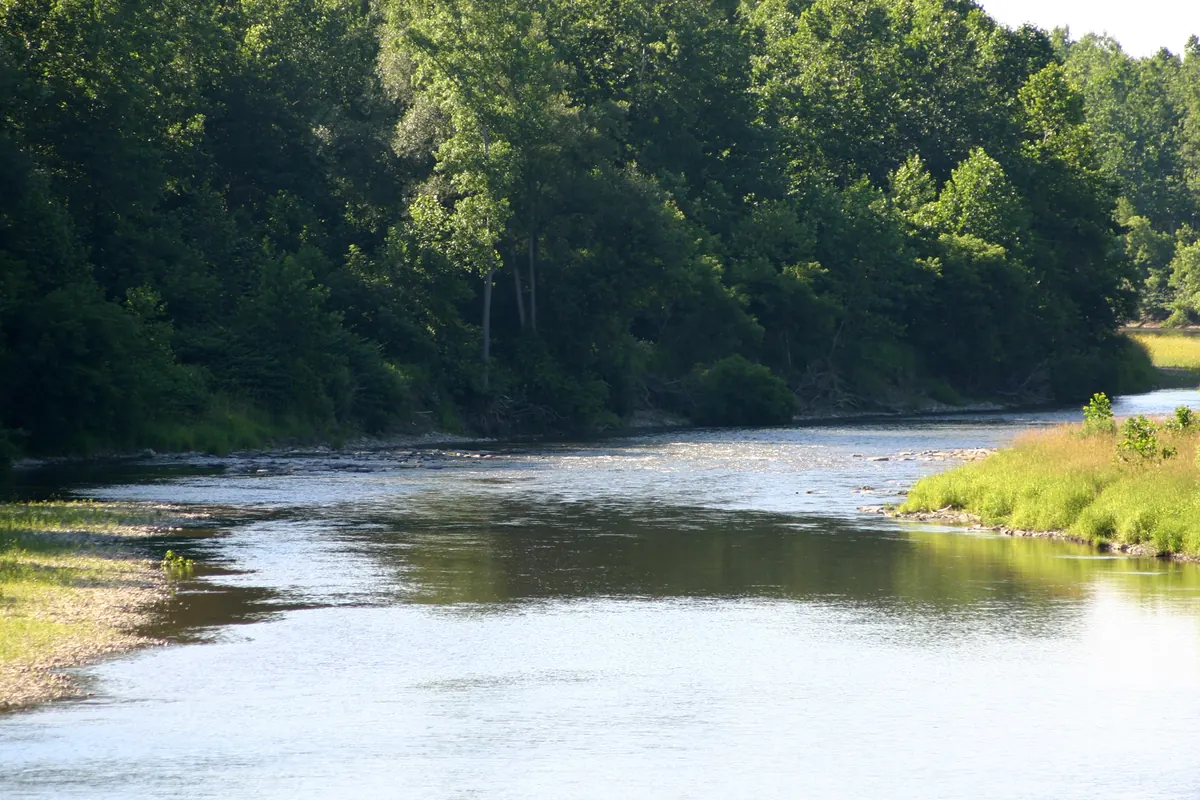
Big Springs and the Oldest Hatchery
Caledonia is a village of springs, settled by Scottish emigrants in 1799, where a dozen springs bubble up to form Big Springs and the oldest fish hatchery in the Western Hemisphere has raised trout since 1864. Its roofs range from brick village houses on Main Street to farmhouses along the Genesee River valley, and the river fog and lake snow reach all of them. A roof here has to handle damp air, deep snow, and long winters.
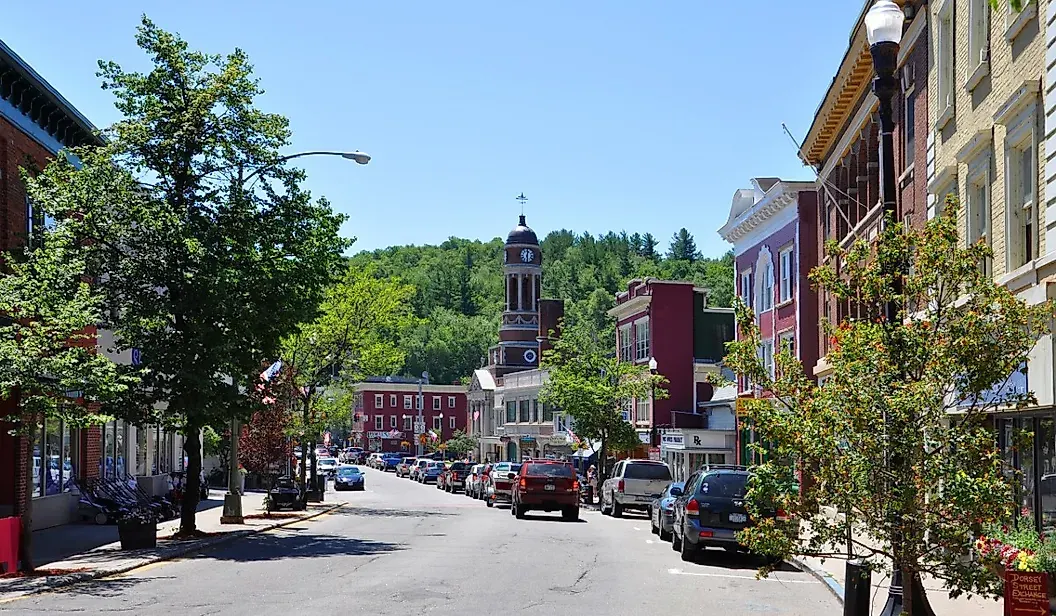
Caledonia, NY
Caledonia was settled by Scottish emigrants in 1799, organized as the town of Southampton in 1803, and renamed Caledonia in 1806 after the Latin name for Scotland. The village was incorporated in 1891. A dozen springs rise in the village to form Big Springs, a small, clear lake that the Seneca people called Gan-e-o-di-ya, and the Big Springs Museum tells the story of the springs and the settlement. On North Street stands the Caledonia Fish Hatchery, founded by Seth Green in 1864 and known as the oldest fish hatchery in the Western Hemisphere. Green, called the father of fish culture, started it as a private venture, and the state took it over in 1870. The hatchery still raises trout on Spring Brook, and its grounds hold the history of a village built on cold, clear water.
Caledonia roofs divide into two kinds, and the village line draws the boundary. The village houses on Main Street and the side streets carry brick and wood frames with steep pitches and tall chimneys, and the river valley damp hangs in the air around them. The farmhouses out in the town carry lower slopes and wider eaves, with barns beside them and open fields that give wind a clear run. A roof inspection here starts with the damp: shaded slopes, chimney flashing, and the valleys where water concentrates.
A short timeline
1799
Scottish emigrants settle at Big Springs, and the first houses rise near the springs with wood shingles and hand-built frames.
1806
Southampton becomes Caledonia, after the Latin name for Scotland, and the village grows around the springs and the mill on their outlet.
1864
Seth Green founds his fish hatchery on Spring Brook, and the village gains a landmark that still draws visitors today.
1891
Caledonia incorporates as a village, and Main Street fills with the brick storefronts and houses that still shape its roofs.
Where people live
The village center, where brick storefronts and older homes carry steep pitches and tall chimneys.
Homes near the springs, where damp air hangs and shaded slopes grow moss sooner than sunny ones.
The hamlet on the town's east side, where houses along the old Genesee Valley Canal route carry older shingles.
Homes along North Street toward the hatchery, where the ground rises and the wind runs clear.
Farmhouses in the Genesee River valley, with steep pitches, barns beside them, and open-field wind.
Route 36 homes through the town, older farmhouses mixed with newer builds on rolling ground.
Roof trouble
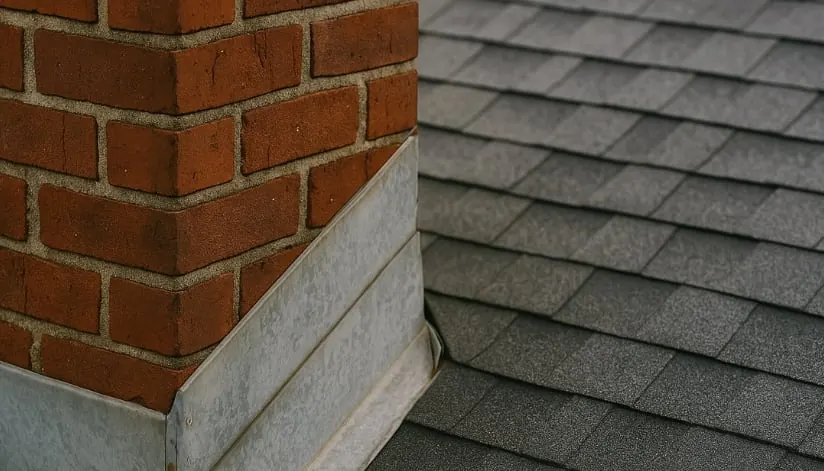
Moisture hangs in the air here, fed by the springs and the river valley, and shaded north slopes stay wet through spring and fall, so moss takes hold there, wedging shingle edges up and holding water against the roof. Village chimneys are tall brick, and their flashing shifts a fraction with each freeze and thaw. Where two slopes meet, water gathers, and old valley flashing gives way long before the field shingles do. The damp that feeds moss around Big Springs is the same damp our guide to roof moss and algae in Rochester's damp climate covers, with the soft wash that clears it without stripping granules.
Snow is the last problem. Lake-effect bands drop deep snow on Caledonia, and it sits on the lower farmhouse slopes while the steep village pitches throw it off fast. Ice dams form at the eaves where attic heat melts the snow from below, and the meltwater backs up under the shingles. Resetting chimney flashing is one visit; clearing the snow load and checking the attic ventilation that lets the heat through is another. A heavy lake-effect fall leaves the farmhouse slopes carrying a deep load, and roof snow removal and ice dam prevention in Rochester covers how that load comes off without tearing shingles.
Village house or valley farmhouse
| Roof detail | Village house | Valley farmhouse |
|---|---|---|
| Pitch | Steep, often with dormers | Lower, wide and simple |
| Damp exposure | Springs and river fog | Open fields, drier air |
| First trouble spot | Chimney flashing and moss | Wind-lifted tabs and eave ice |
| Snow behavior | Sheds fast off steep pitches | Sits longer on lower slopes |
| Outbuildings | Rare, small sheds | Barns and sheds share the storms |
Caledonia sits in the lake-effect belt, and the National Weather Service office in Buffalo posts the snow forecasts that Livingston County homeowners watch all winter.
Services
Tall brick chimneys here get fresh flashing and a mortar check where brick meets roof.
Learn more →Village house or valley farmhouse, the inspection climbs the roof, reads every slope and joint close up, and reports back in plain words.
Learn more →Valley flashing, moss-lifted edges, and cracked vent boots fixed at the source.
Learn more →Deep snow comes off without damage to the roof, and we give the attic gaps behind the ice dams a proper look.
Learn more →If the house stands in Mumford or down in the valley, write to us with the street and the slope that worries you.
River damp on the north slope, or snow sitting heavy on Main Street? Call and tell us which street in Caledonia the house sits on.
Call (585) 868-0065Coverage
We work the whole of Caledonia, from the village center to the town line, and the ZIP below draws the boundary of that ground.
One ZIP, 14423, covers Caledonia in Livingston County.
FAQ
Valley damp is the cause: the springs and the river valley keep the air damp, and shaded north slopes stay wet through spring and fall. Moss loves that damp, beginning as a green film, then lifting shingle edges and holding more water against the roof. A shaded village slope near Big Springs grows moss sooner than a sunny slope on open ground. Gentle cleaning and trimmed branches keep it down.
Some do, mostly on the older brick houses near Main Street. Slate holds up for decades when the tiles and the flashing under them stay sound, and one slipped tile is usually a small fix. Over the years, plenty of village houses have switched to architectural shingles, which suit the steep pitches well. We walk the roof and study the tile, the flashing, and the decking before naming a material.
Start by clearing heavy snow after a big fall, and watch the eaves for thick icicles and stains on the ceiling by the outside walls. A dam forms when attic warmth melts snow from underneath, so the durable fix sits in the attic: even insulation and clear airflow from soffit to ridge. A visit takes the snow off safely and checks the venting that lets the warmth through.
Checking once a year works well, and spring is the season for it. A spring check finds the winter damage while it is still small: lifted tabs, split vent boots, flashing that shifted at the chimney, and moss that spread on the shaded slopes over the winter.
Usually, yes, when the shingles around the chimney are still in good shape. A chimney leak comes from flashing that has lifted or mortar that has cracked where the brick meets the roof, and both can be fixed in place. We reset the flashing, repoint the cracked mortar, and check the shingles around the chimney for soft spots.
Valley wear and moss on shaded slopes, because Mumford houses sit along the old canal route with trees close to the roof and valleys where two slopes meet. Water concentrates in the valleys, and the shade keeps the shingles damp. A spring inspection starts at the valleys and the shaded north slope, and most Mumford leaks trace back to one of those two spots.
Nearby towns
Geneva lies east past the Finger Lakes, so Caledonia roof work sometimes reaches toward the lake towns.
Springs, brick, and slate
Caledonia roofs carry spring damp from below and lake snow from above, and the brick village houses on Main Street meet both with slate, steep pitches, and tall chimneys.
Big Springs rises in the village and feeds Spring Brook, and the damp air off that water hangs around the Main Street houses through spring and fall. Shaded slopes near the springs stay wet long after a sunny slope has dried, and moss takes hold there first, starting as a green film and then lifting the shingle edges a little each season. A village slope that faces away from the sun and toward the springs wants a soft wash each spring, while the moss is still shallow and the shingles beneath it are still sound.
The brick houses on Main Street carry some of the oldest roofs in Livingston County, and several still wear slate. A slate roof ages tile by tile, with one tile slipping while its neighbors hold, and the flashing beneath the slipped tile wears thin long before the field shows trouble. Matching a slipped slate tile takes a roofer who knows the size and the thickness of the original, and the tile around it wants a check at the same time, because slate that has weathered together tends to loosen together.
North Street runs toward the fish hatchery, and the houses along it sit on ground that rises away from the springs. Their roofs catch more wind and less damp than the Main Street houses, and the windward slopes lift their tabs while the shaded slopes stay cleaner. A North Street roof ages from the windward edge inward, with the ridge caps and the corner tabs going first, and a ridge walk after a storm tells the story before any water reaches the rooms below.
The Genesee River valley below the village holds the farmhouses, and their roofs face open-field wind with little shelter. A valley farmhouse roof carries wide, lower slopes that hold snow longer than the steep village pitches, and the snow melts from below where attic warmth reaches the deck. The meltwater runs to the cold eave and turns back to ice, and the dam behind it pushes water under the shingles. A valley farmhouse wants its attic airflow checked before winter, so the deck stays cold and the snow stays where it fell.
Hatchery grounds to valley farms
A Caledonia roof near the hatchery faces different weather from a farmhouse roof down in the valley, so the walk reads the setting before it reads the shingles.
Slate needs a different hand from shingles, and a village house that still wears its original slate deserves a roofer who has worked slate before. Slate and tile work in Caledonia matches slipped tiles and resets the flashing beneath them, while chimney work in Caledonia handles the tall brick stacks whose flashing has moved with the seasons.
Mumford, springs, and chimneys
Mumford sits on the old canal route east of the village, and its houses carry the same damp and the same tall chimneys as Main Street, with trees closer to the roof.
Mumford houses stand along the old Genesee Valley Canal route, where trees crowd close to the roofs and the valleys between slopes gather water during a hard rain. A Mumford valley that holds wet leaves through October will hold damp against the flashing all winter, and the decking beneath it softens first. Trimming the nearest branches back lets the sun reach the slope, and clearing the valleys before the snow arrives keeps the damp from sitting against the flashing for months.
The chimneys in Mumford and on Main Street are tall brick, and their mortar cracks where the brick meets the roof after decades of cold seasons. A chimney leak rarely shows at the chimney itself, because the water runs along the deck before it shows inside, and the stain can sit well away from the hole. Tracing a chimney leak starts in the attic, where the water trail shows on the decking, and the repair resets the flashing and repoints the cracked mortar in the same visit.
Spring is the season to walk a Caledonia roof, because the thaw shows what the snow hid: lifted tabs on the windward slope, a slipped slate tile on a village house, flashing that opened at a chimney, and moss that spread on the shaded slopes over the winter. A roof inspection in Caledonia in spring reads all four at once, and a snow and ice dam visit in Caledonia through winter clears the deep load off the low farmhouse slopes before the eaves start to dam.
Spring water below and snow above make Caledonia a two-way test, and a shaded village slope shows it differently from a house out in the valley. If moss, a dripping chimney, or heavy snow is what brought you here, write to us and say whether yours stands in the village, in Mumford, or out in the valley.