Call (585) 868-0065
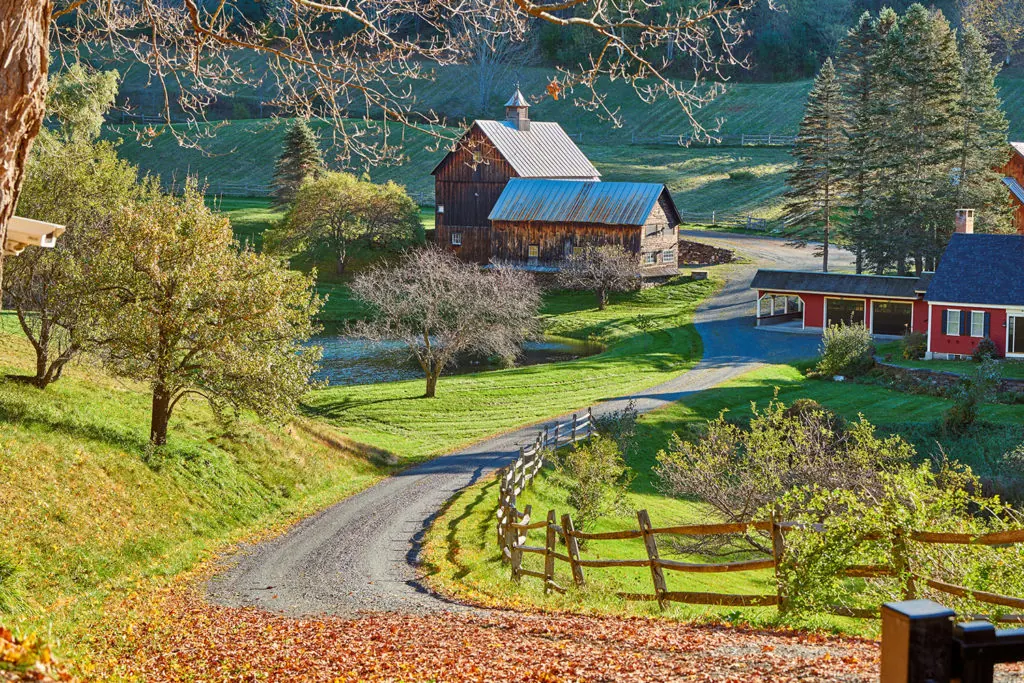
A country road past red barns and rolling fields in autumn color

Genesee River Town

Rush Roofing on the River Flats and the Creek

Rush is the smallest town in Monroe County, and it takes its name from the rushes that once grew thick along the Genesee River and Honeoye Creek. The town was set off from Avon in 1818, and its houses still sit the way the first settlers placed them: farmhouses on the river flats, small homes along the creek, and barns beside both.

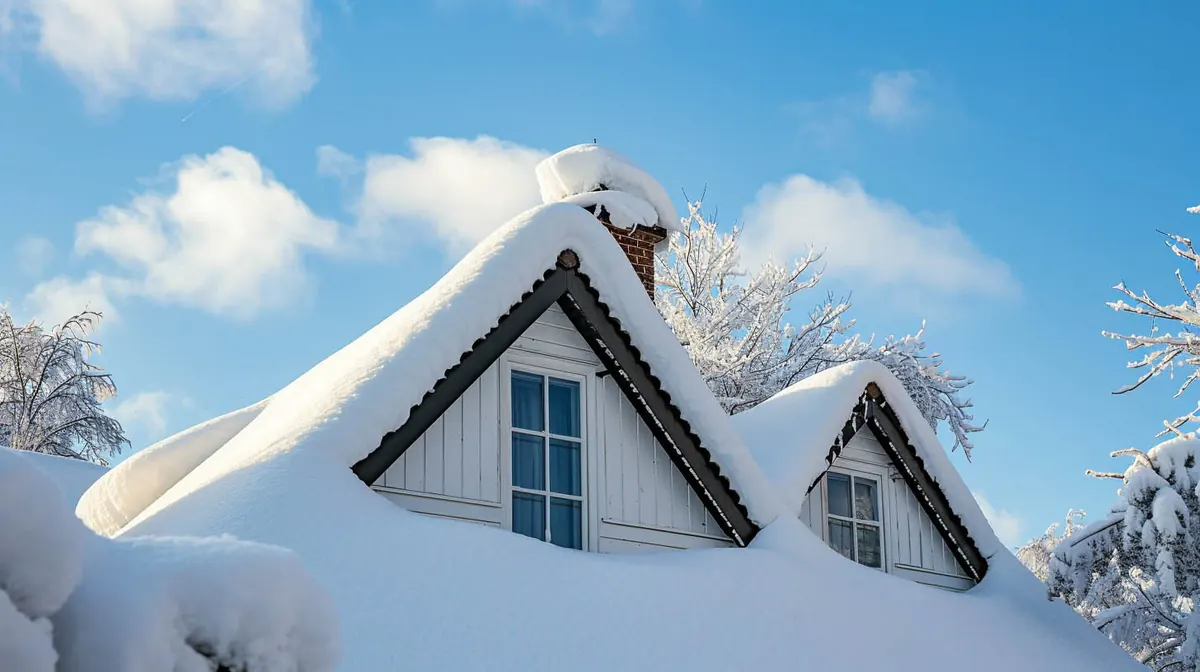
Deep snow piled over the dormers of a white house roof
Deep snow piled over the dormers of a Rush house roof

Rush

River flats, creek damp, and farmhouse roofs

The Genesee River forms the west edge of Rush, and Honeoye Creek runs east to west through the middle of town on its way to join it. The flats along the river hold rich soil and heavy damp, and the farmhouses there grow moss on their shaded slopes while the barns beside them take open wind. On the flats, a roof inspection starts on the river side of the house, where the damp works longest.

Rush took its name from the rushes that grew on the flats and uplands, and the early settlers sent cattle here to winter on them. Captain John Ganson was the first settler, and his tub-mill, the first flour mill in the Genesee Valley, stood just across the line in present-day Avon. The Lehigh Valley Trail now follows Honeoye Creek along the old railroad bed, and the houses beside the trail take the same wind that once pushed the trains.

Veterans Memorial Park sits beside the falls on Honeoye Creek in Rush hamlet, and the park is a known fishing spot above and below the falls. The houses near the park and the creek take the same damp as the river flats, and their gutters fill with leaves from the creek-side trees. The Monroe County parks and trails run through town, and the gutter work we do here clears the leaves before winter locks them in.
House types

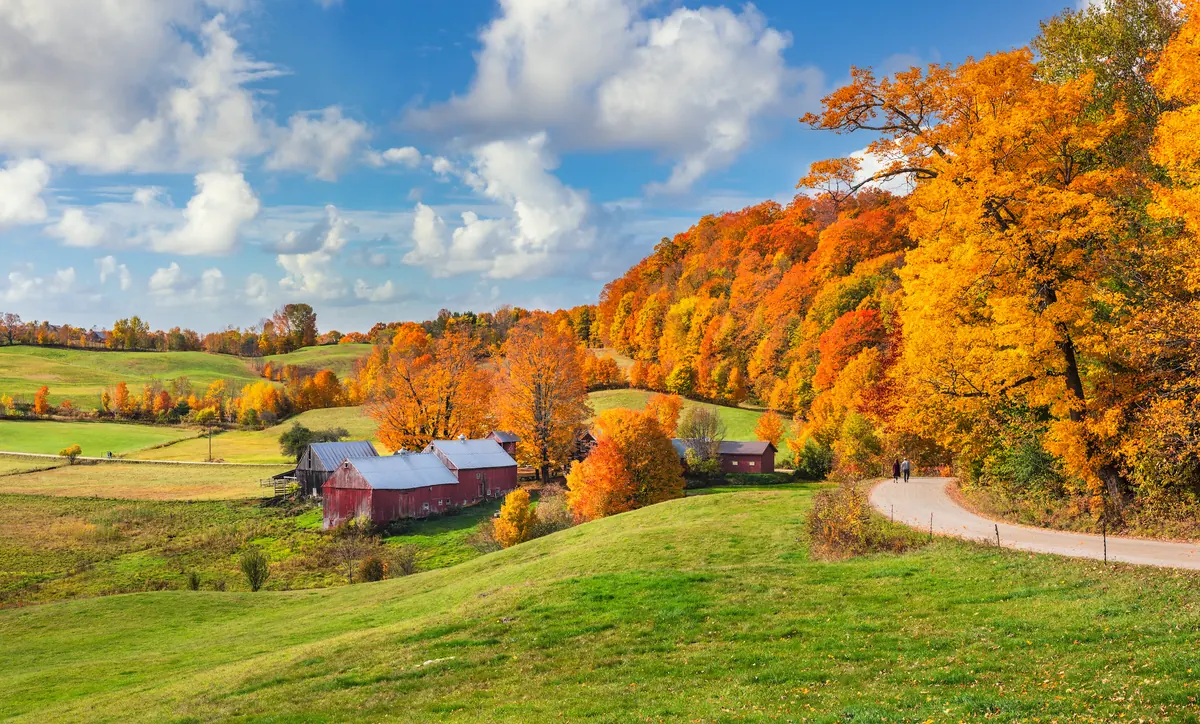
Farmhouse, trail-side home, and hamlet house in Rush

Rush holds three kinds of houses, and each one meets the weather differently. The table below shows the pattern we see on the ground.

Roof patterns by house type in Rush
House typeWhere it sitsWhat wears firstWhat we watch
River farmhouseGenesee River flatsMoss on shaded slopesFlashing at the chimney
Trail-side homeAlong Honeoye CreekValley leaves and guttersIce at the creek-side eave
Hamlet houseRush hamlet centerRidge caps and pipe bootsGranule loss on the south slope
Barn and outbuildingBeside the farmhouseMetal fasteners and ridgePonding at low eaves

Local weather

Open flats, creek air, and winter snow in Rush

River damp on the flats

Along the flats, the Genesee River keeps the air damp, and farmhouse slopes in shade grow moss while sunny slopes stay clean. Damp softens older shingles here too, and a spring walk shows the wear before the summer storms arrive.

Wind across the open fields

The wind crosses open fields with nothing to slow it, and the windward slope takes the worst of it, ridge caps and tabs lifting first. We read the ridge after a storm, because that is where the wind leaves its mark.

Snow along the creek

Lake-effect snow piles deep on Rush roofs. The melt runs down to the creek-side eave, turns to ice there, and backs water under the shingles. Porches and north-facing eaves hold the thickest dams, and the cold creek air keeps them in place longer than in town.

Town pockets

Rush hamlet, West Rush, and the creek corridor

Rush has no village, only a hamlet and farm roads, but the pockets are distinct. These are the places we work in most.

Rush hamlet Hamlet roofs

The small hamlet center beside the falls on Honeoye Creek, with homes that take creek damp and trail wind.

West Rush River-side roofs

The west side of town toward the Genesee River, where farmhouses sit on the flats and take river damp.

Lehigh Valley Trail corridor Trail-side roofs

Homes along the old railroad bed beside the creek, where the wind runs straight down the corridor.

Honeoye Creek side Creek-side roofs

Homes along the creek through the middle of town, where leaves fill the gutters and ice lingers at the eave.

Genesee River side River-side roofs

Homes along the west edge of town, where river air keeps the shaded slopes wet long after rain.

North Rush Town edge roofs

The north end of town toward Henrietta, where newer homes sit on rolling ground above the creek.

Moss on the river side, or a drift line along the creek? Call and tell us which water the house sits near.

Call (585) 868-0065

Coverage

The 14543 ZIP, river to creek

Rush carries one ZIP, 14543, and it covers the hamlet, the farm roads, the trail corridor, and the river flats across the whole town.

14543

The Town of Rush sits under the 14543 ZIP in Monroe County, from the river flats to the creek-side roads.

A farmhouse and barns on green flats beside a country road
A farmhouse and barns on the Rush flats

Farm country

Farmhouses and barns on the Rush flats

The farmhouses on the river flats stand beside barns that face the same open wind and the same long winters. The barns wear metal panels, and the fasteners and ridge flashing give out first, while the house roof beside them takes wind lift on the windward slope.

Honeoye Creek runs through the middle of town, and the damp along its banks keeps the shaded slopes wet into late spring. Moss grows first on the creek-side slopes, and a shaded slope there wants a closer look than a sunny one on the high ground.

Services

Roof work we do in Rush

Roof Inspection

For farmhouses on the flats and homes along the creek, a walk on the roof and a look in the attic leave a plain-words list of what needs attention.

Learn more →

Roof Repair

Field wind lifts the ridge caps, creek leaves pack the valleys, and the chimney flashing shifts with the thaw cycles. Each one gets fixed at the spot where it started.

Learn more →
See All 22 Roofing Services

River flats hold damp longer than the creek side, so put it in writing and name the road and the slope that stays wet.

FAQ

Rush roof questions

The river and the creek keep the air damp, and a shaded slope stays wet for days after rain while the sunny slope dries fast. Moss takes hold where the damp lingers, on the north slope or the side facing the trees. That growth lifts the shingle edges and holds more water against the roof. We clear the growth and check the flashing beneath it, since damp works on both.

It does. The barn faces the same field wind and snow as the house, and a leaking barn roof ruins hay and tools inside. Metal panels loosen at the fasteners, low slopes hold water at the eaves, and the ridge flashing wears first. We check the barn on the same visit as the house, so nothing sits unnoticed through winter.

The trail follows the old railroad bed beside Honeoye Creek, and the open corridor gives wind a clear run straight down it. Homes beside the trail take that wind head-on, and the ridge caps lift first. The corridor also carries leaves from the creek trees into gutters and valleys. We check the ridge and clear the valleys on every visit beside the trail.

Standing seam metal suits the flats, since snow slides off it instead of piling at the eave, and the open fields give the wind a clear run. Architectural shingles suit the farmhouses sheltered by the creek trees, since they stand up to snow load and shed wind-driven rain. The choice comes down to pitch, the wind-facing slope, and the shade, so we walk the roof first.

Ice dams form after lake-effect snow, when the melt runs down to the cold eave beside the creek and turns to ice. The dams build thickest above porches and on north-facing eaves, where the roof stays shaded and the creek air stays cold. The meltwater behind the dam backs up under the shingles. We clear the eave and check the attic vents before the dam grows thick.

We do. The homes near the park sit beside the falls on Honeoye Creek, and their roofs take creek damp and trail wind. The park trees drop leaves into gutters all autumn, and the falls keep the air damp through the year. We clear the gutters, check the flashing at the chimney, and look at the north slope for moss on every visit near the park.

Nearby towns

Towns around Rush

Henrietta sits north past the town line, Avon lies south along the river, Scottsville runs west toward the Genesee, and Honeoye Falls sits east along the creek.

Flats and creek

The Lehigh Valley Trail, the river, and West Rush

Rush sits on the river flats where the Genesee River and Honeoye Creek meet the open fields, and the Lehigh Valley Trail runs through town along the old railroad bed, so a Rush roof takes river damp, creek wind, and field snow all at once.

The Genesee River runs along the west side of town, and the flats beside it hold damp longer than the higher ground to the east. The houses on the river flats sit in that damp air, and the shaded slopes stay wet for days after rain. Where the damp lingers, moss settles in and works its way under the shingle edges, giving the wind a grip it did not have before. A river-flat slope wants its shaded planes watched, and the moss dealt with before it spreads.

Honeoye Creek runs through the town to the river, and the houses along the creek corridor take the wind that funnels down the valley. The corridor gives the wind a clear run, and the roofs beside it take the gusts straight on, with the ridge caps and the rake edges earning the closest look. West Rush sits along the creek to the west, and the hamlet houses there face the same creek wind with the added push of the open fields around them.

The Lehigh Valley Trail follows the old railroad bed beside the creek, and the open corridor gives the wind a clear run straight down it. Homes beside the trail take that wind head-on, and the trees along the trail drop leaves into the gutters and the valleys of the houses nearest the path. Clearing the trail-side gutters in fall keeps the water draining when the thaw comes. The gutter services page explains the clearing that keeps them draining.

Route 15 runs north through Rush toward Henrietta, and the houses along it sit on the flats with wide lots and open sky. The farmhouses and the barns beside them carry long ridges and low slopes, and the snow bands off the lake pile deep on the open ground. A farmhouse roof wants a ridge look once the first hard storm passes, and the barn roof watched where the snow sits longest and the metal panels loosen at the fasteners.

Picking the roof

Standing seam metal or architectural shingle on the Rush flats

The open flats of Rush suit both standing seam metal and architectural shingle, and the choice comes down to snow, wind, and how the house sits on its lot.

Standing seam metal sheds the snow

  • Snow slides off instead of piling at the eave
  • Seams stand up to the field wind that runs the flats
  • Suits farmhouses and barns with long, simple slopes
  • Asks for fasteners checked where the panels meet the deck

Architectural shingle holds the wind

  • Shingles lie flat and resist the gusts off the river
  • Repairs stay simple, one slope at a time
  • Suits hamlet houses and trail-side homes
  • Asks for ridge caps looked over after the season's first hard storm

The lot decides the pick. An open farmhouse on the flats suits metal, and a hamlet house beside the trail suits shingle, and a roofer who walks the lot before naming the material gets the pick right. The roof replacement page walks through the choice that follows that visit.

Three Rush roofs

Farmhouse, barn, and trail-side home in Rush

Rush holds three roof shapes, and each one gives out in its own corner.

The farmhouse roof

The farmhouses on the flats carry long ridges, wide valleys, and dormers that break up the slope, and the field wind tests the ridge caps while the lake snow piles deep against the windward side. The valleys pack with leaves from the yard trees, and the matted leaves pin water to the metal until the seam wears through. A farmhouse roof wants the ridge and the valleys checked first, and the gutters cleared before the first snow.

The barn roof

The barns beside the farmhouses carry low slopes that hold the snow deep, and the metal panels loosen at the fasteners as the deck moves with the seasons. A leaking barn roof ruins hay and tools inside, and the leak often starts at a fastener that worked loose years ago. A barn roof wants its fasteners and its low eave checked each fall, before the snow load arrives.

The trail-side home

The homes beside the Lehigh Valley Trail take the wind that runs straight down the old railroad bed, and the trail trees drop leaves into the gutters and the valleys of the houses nearest the path. The wind lifts the loose edge first, and the leaves pack the valley behind it. A trail-side roof wants its ridge caps checked after the first hard storm and its valleys cleared before winter.

River flats, creek falls, and roofs that carry the town name

River flats hold the damp, the creek corridor funnels the wind, and the trail-side houses catch a bit of both, so a Rush roof is hard to judge without knowing where it stands. Call or write, name the spot, and say what the last season did to the roof there.

Roofing Rochester, 75 S Clinton Ave Ste 510, Rochester, NY 14604, (585) 868-0065