Avon
Springs, railroads, and roofs on the river bank
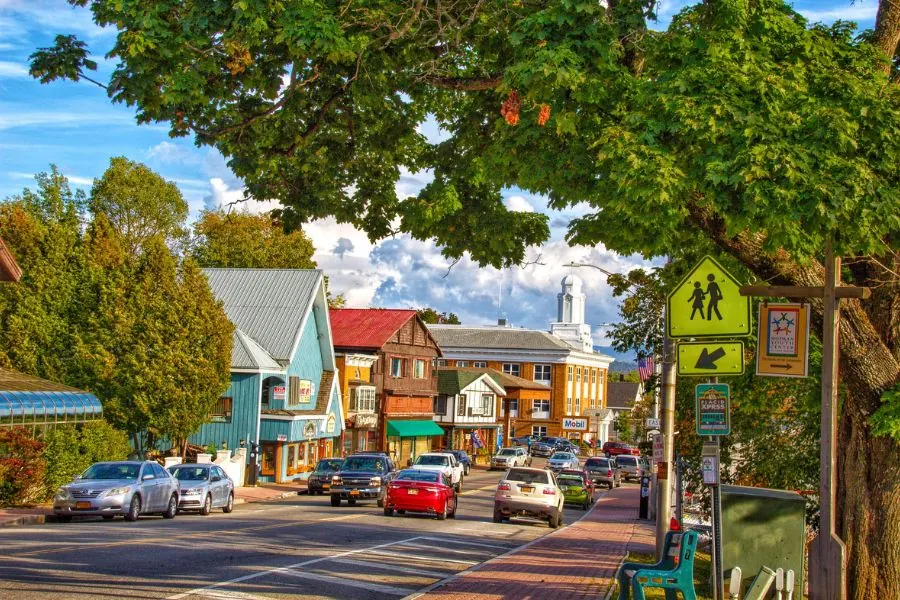
Avon began as Hartford, named by Connecticut settlers, and took the name Avon in 1808 to tell it apart from another Hartford in the state. The mineral springs made it a resort in the nineteenth century, with the Avon Inn and the bathhouses drawing visitors, and the harness racing at the Avon Driving Park drew crowds of its own. The roof repair we do on the spa-era homes starts at the chimney, since the tall brick stacks on those houses have moved with the seasons for more than a century.
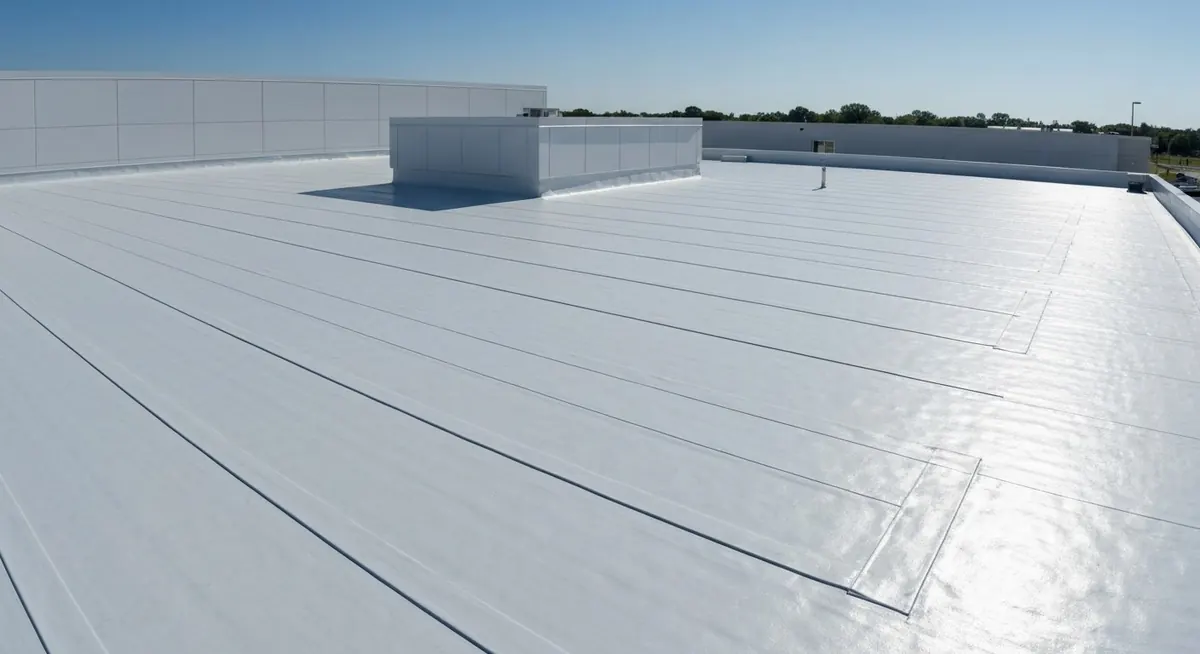
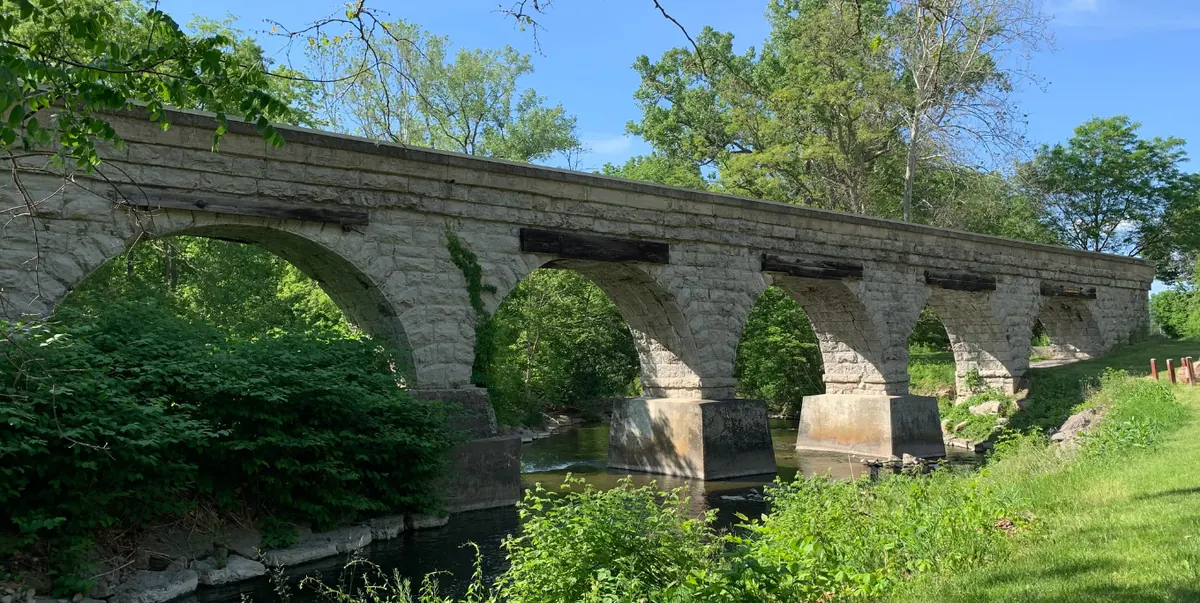
The Genesee River forms the west edge of the village, and the first bridge across it stood here. The Erie Railroad reached Avon in 1853, and passenger trains ran until 1941, so the houses near the tracks carry the same vibration wear as the rail towns closer to Rochester. The flat and single-ply work we do in Avon covers the low-slope roofs on the commercial buildings along Routes 5 and 20, where membrane seams and drains need regular checks.
Routes 5 and 20 run through the village together, and Route 39 cuts south from the center. East Avon sits at the meeting of Routes 5 and 20 with Route 15, where the five Pierson brothers settled in 1797. The Buffalo weather office watches the snow bands that bury the Genesee Valley, and Avon takes the snow that the river valley sends north.