Wolcott Village Mill town roofs
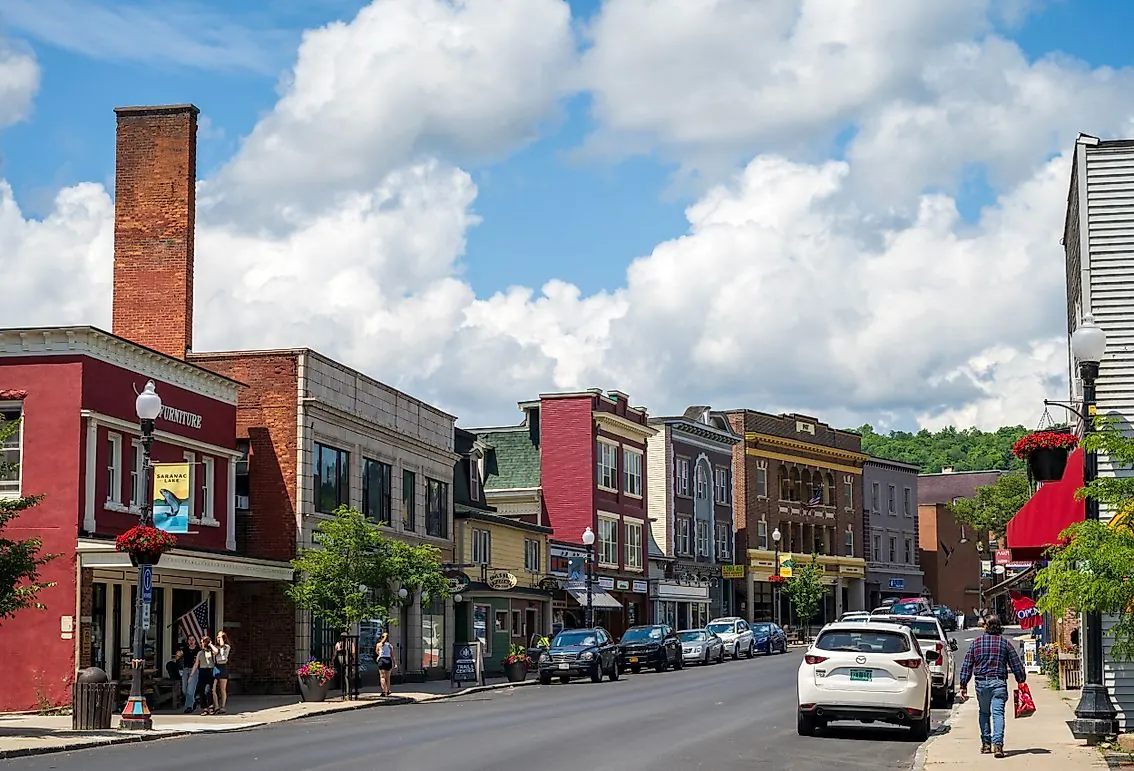
The village center around the falls and Mill Pond, where older homes wear steep pitches and tall chimneys.
Falls, Port Bay, and Orchards
Wolcott is a mill town turned orchard town, where Wolcott Creek drops over the falls in the village center, Port Bay opens to Lake Ontario a few miles north, and the Chimney Bluffs rise along the shore to the west. Its roofs range from village houses near Mill Pond to farmhouses among the orchard rows, and the lake wind and snow reach all of them. A roof here has to handle creek damp, lake wind, and long winters.
Wolcott, NY
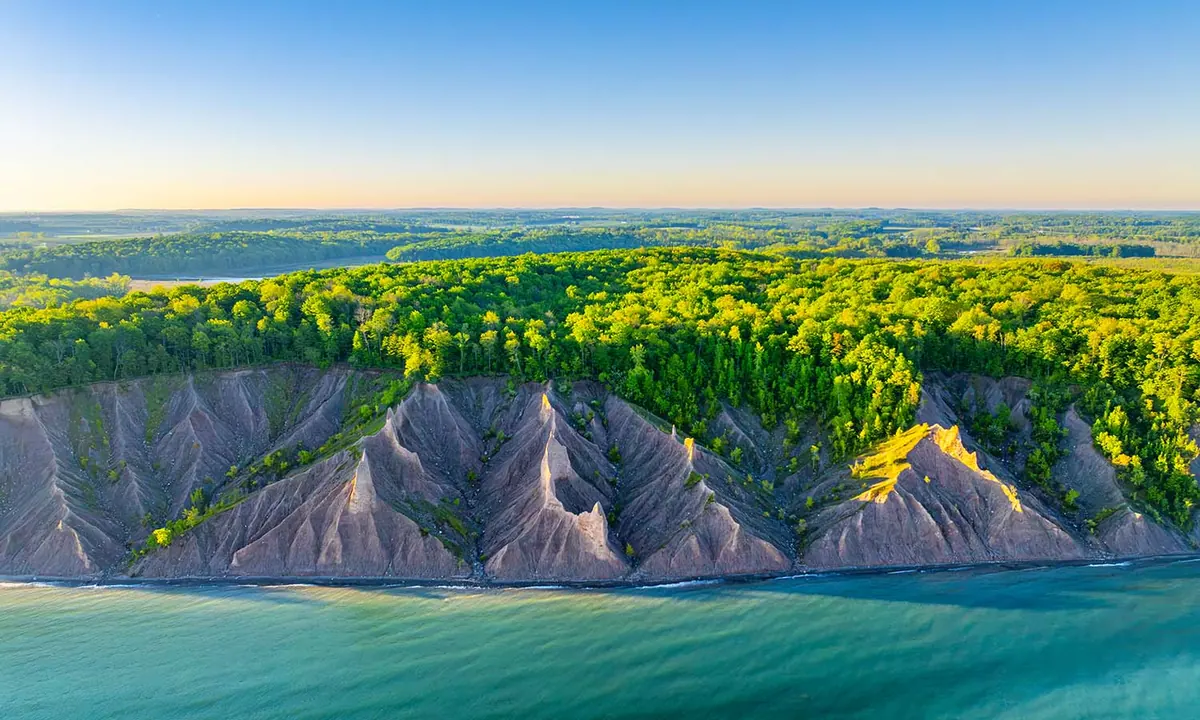
Wolcott was founded in 1807 and named for Oliver Wolcott, the governor of Connecticut who helped settle the Massachusetts and New York border. Jonathan Melvin, one of the first settlers, bought 500 acres in 1807 and built a gristmill and a sawmill on Wolcott Creek between 1809 and 1810, and the falls in the village center powered the mills that built the town. The creek still drops over Wolcott Falls in the village park, past Mill Pond, and runs north through the lakeshore marshes into Port Bay and Lake Ontario. The town's industry today is agriculture, above all orchards, and food processing. To the west along the shore, the Chimney Bluffs rise about 150 feet above the lake, a formation left by a receding glacier and one of the most photographed places in the county.
Homes near Port Bay sit exposed to the lake wind, their low simple slopes taking the weather straight off the water. The low slopes shed snow slowly, so a Port Bay roof carries its load longer than a steep village roof after the same storm. A Port Bay roof that faces the lake head-on wears its windward tabs first, and storm and hail damage repair in Rochester covers what a lake-blow check looks for after the wind drops.
Where people live
The village center around the falls and Mill Pond, where older homes wear steep pitches and tall chimneys.
Homes near Port Bay on the lake shore, taking lake wind straight off the water.
Homes near Mill Pond and Wolcott Creek, where damp air hangs and shaded slopes grow moss sooner.
Farmhouses among the apple rows, with steep pitches, barns beside them, and north slopes shaded by the trees.
Route 104 carries houses through the town, older farmhouses beside newer builds on open lots.
Lake Road homes between the bay and the bluffs, looking out over the water on one side and the orchard rows on the other.
Creek and pond keep the village air damp, and shaded north slopes stay wet through spring and fall. Moss takes root there first, lifting shingle edges and letting water sit against the roof. A shaded creek-side slope needs a closer look each spring than a sunny one. Creek damp keeps the shaded slopes wet into fall, and a spring roof check through our roof maintenance in Rochester catches the moss while it is still a green film.
Tabs lift on the windward slope, ridge caps loosen, and metal fasteners work their way out a little at a time.
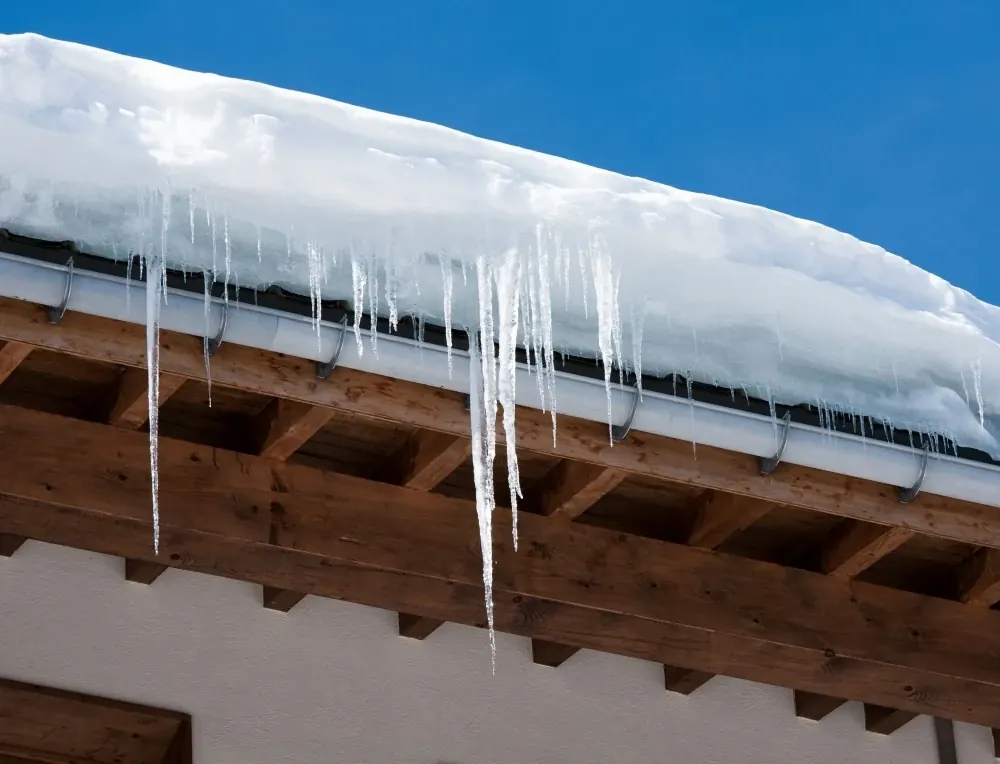
Low slopes hold the snow, and attic heat leaking through uneven insulation feeds ice dams at the eaves, where meltwater backs up under the shingles. A cold deck stops it: even insulation and a clear path for air do the job.
Roof work
Port Bay homes get their closest look on the windward side and at the fasteners.
Wolcott roof work usually stays small, a lifted tab or two, a length of flashing, a vent boot the cold cracked. Whole slopes worn through get taken down to the deck and laid again in architectural shingles for a fresh start.
Village, bay shore, and back roads
| Roof detail | Village house | Port Bay home | Orchard farmhouse |
|---|---|---|---|
| Pitch | Steep, often with dormers | Low to moderate | Steep, often with dormers |
| First trouble spot | Moss and chimney flashing | Wind-lifted tabs | Moss and eave ice |
| Snow load | Moderate, sheds off steep pitch | Heaviest, sits on low slopes | Moderate, melts from below |
| Common covering | Older shingles | Metal or architectural shingles | Architectural shingles |
Wolcott sits in the lake-effect belt at the lake end of Wayne County, and homeowners here read the snow forecasts the National Weather Service office in Buffalo posts all winter.
Coverage
We cover Wolcott from the village to the bay shore, and the ZIP below draws the boundary of our ground here.
One ZIP, 14590, covers Wolcott in the east of Wayne County.
Creek damp on the north slope, or lake wind lifting tabs near the bay? Call and tell us where in Wolcott the house sits.
Call (585) 868-0065Services
We read the roof by its setting, creek, bay, or orchard, checking slopes, ridge, flashing, and decking as we go.
Learn more →Standing seam metal sheds lake snow and stands up to wind on the Port Bay homes.
Learn more →Lifted tabs at the bay, moss-lifted edges by the creek, and flashing at the chimney.
Learn more →Deep lake snow comes off safely, and we look hard at the attic gaps that feed the ice dams.
Learn more →Port Bay damp or a village roof under the falls, message us naming the street and the chimney the damp works on first.
FAQ
Creek damp is the cause. Wolcott Creek and Mill Pond keep the village air damp, and shaded north slopes stay wet through spring and fall. Moss thrives in that damp, beginning as a green film, then prying shingle edges up and trapping more water against the roof. A shaded creek-side slope grows moss sooner than a sunny slope on open ground. Gentle cleaning and trimmed branches keep it in check.
Each group wears its own way, so no two jobs run alike. Port Bay homes sit low near the water, with lake wind hitting them straight off the shore and deep snow sitting on low slopes. Village houses near the falls face creek damp, moss on shaded slopes, and chimney flashing that has worked loose across decades.
Ice dams at the eaves on inland homes, and wind-lifted tabs on the Port Bay homes. An ice dam shows itself in thick icicles and stains on the ceiling by the outside walls. Wind lift shows as a tab raised off the slope after a storm.
The bluffs stand in the town of Huron, just west of Wolcott along the lake shore, and they show from the lake side of the town on a clear day. The view from a roof is not the point, though: what matters is that the same lake wind that shapes the bluffs hits the Port Bay roofs at full strength.
Once a year keeps up well, and spring is the time to do it. A spring check spots the winter damage while it is still small: lifted tabs, split vent boots, flashing that shifted at the chimney, and moss that spread on the shaded slopes over the winter. It also shows whether ice dams left water under the shingles at the eaves.
Yes. Wolcott farmhouses often have a barn or a shed standing beside them, and those roofs face the same wind, snow, and ice. Barn roofs usually wear metal panels, and the fasteners and ridge flashing fail first. We walk the barn roof during the same visit as the house, and we rank the findings the same way: what wants doing now, and what can wait until next season.
Nearby towns
Sodus lies west along the lake shore past the bluffs, and Marion sits south among the orchards, so Wolcott crews often cross into one of those towns as well.
Bluffs, bay spray, and village roofs
Wolcott roofs run from the Chimney Bluffs on the shore to Port Bay and down to the falls in the village, and the lake wind reaches every one of them.
The Chimney Bluffs rise along the shore west of Wolcott, where the lake has carved tall clay spires out of the bluffs. Homes near the bluffs sit on high ground with the lake on one side and open fields on the other, and the wind has a clear run at their slopes from the water. Their windward tabs lift first, and the ridge caps loosen a little with every hard blow, because nothing stands between the bluffs and the open water to slow the wind down.
Port Bay opens to Lake Ontario north of the village, and the homes near the bay sit low near the water. A Port Bay roof faces the lake head-on, and the spray off the bay keeps the air damp through spring and fall. The low slopes on those homes hold snow longer after a lake band passes, and the damp air grows algae on the shaded faces first. A Port Bay roof wants a walk on the windward side and at the fasteners after every hard blow, because the wind works at both a little at a time.
Wolcott Creek drops over the falls in the village center, past Mill Pond, and runs north through the lakeshore marshes into Port Bay. The creek and the pond keep the village air damp, and the shaded north slopes of village houses stay wet through spring and fall. Moss takes root there first, lifting shingle edges and letting water sit against the roof, and a shaded creek-side slope needs a closer look each spring than a sunny slope on open ground.
The orchard rows around Wolcott add their own shade and leaves. Farmhouses among the apple rows carry steep pitches with barns beside them, and their north sides sit in orchard shade for much of the day. Fallen leaves gather in the valleys and the gutters each fall, and a valley that holds a mat of wet leaves through October holds damp against the flashing all winter. Clearing those valleys before the snow arrives matters more on a Wolcott farmhouse than on a bare lot, because the trees keep feeding the gutters until the cold strips them.
Creek, pond, and roofs
Wolcott Creek and Mill Pond shape the village roofs, because the damp air off the water keeps shaded slopes wet and grows moss where the sun never reaches.
Shaded slopes near Wolcott Creek stay wet into fall, and moss settles there first as a green film. A soft wash in spring clears the film while the shingles beneath it are still sound, and trimming the nearest branches lets the sun reach the slope.
Homes near Mill Pond sit in damp air through spring and fall, and their north faces grow algae before the sunny faces show any wear. A spring walk that reads the shaded face separately from the sunny face catches the growth early.
Wind that crosses the lakeshore marshes into Port Bay hits the bay homes at full strength, and the windward tabs lift first. Walking the ridge in the days after the blow spots those tabs early, before rain works under the course above them.
A village house near the falls carries a tall chimney, and the flashing where brick meets shingle moves a little with every cold season. Chimney work in Wolcott resets that flashing and repoints the mortar where it has cracked, and a roof inspection in Wolcott reads the creek-side slope, the bay-side slope, and the chimney in one visit.
Falls to bluffs
A Wolcott roof near the falls faces creek damp, a roof near the bay faces lake wind, and a roof near the bluffs faces both, so the setting decides the walk.
Metal fits many Port Bay homes, because it throws snow off a low slope and stands up to the wind off the water. Metal roofing in Wolcott covers standing seam on the bay shore, and snow and ice dam help in Wolcott clears the deep lake snow off low slopes without tearing shingles.
The falls in the village, the bay at the shore, and the orchard roads between them give Wolcott roofs three kinds of weather in one town. A call or a short note both reach us: say whether yours is the village house, the Port Bay home, or the orchard farmhouse, and tell us whether moss, lifted tabs, or heavy snow is the reason.