Call (585) 868-0065
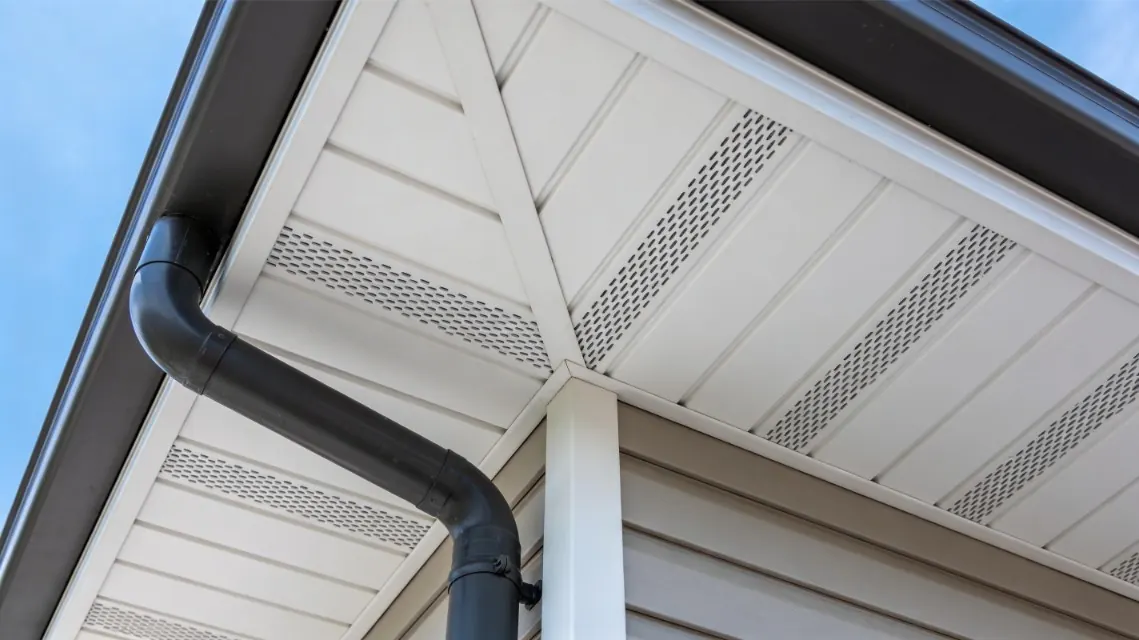
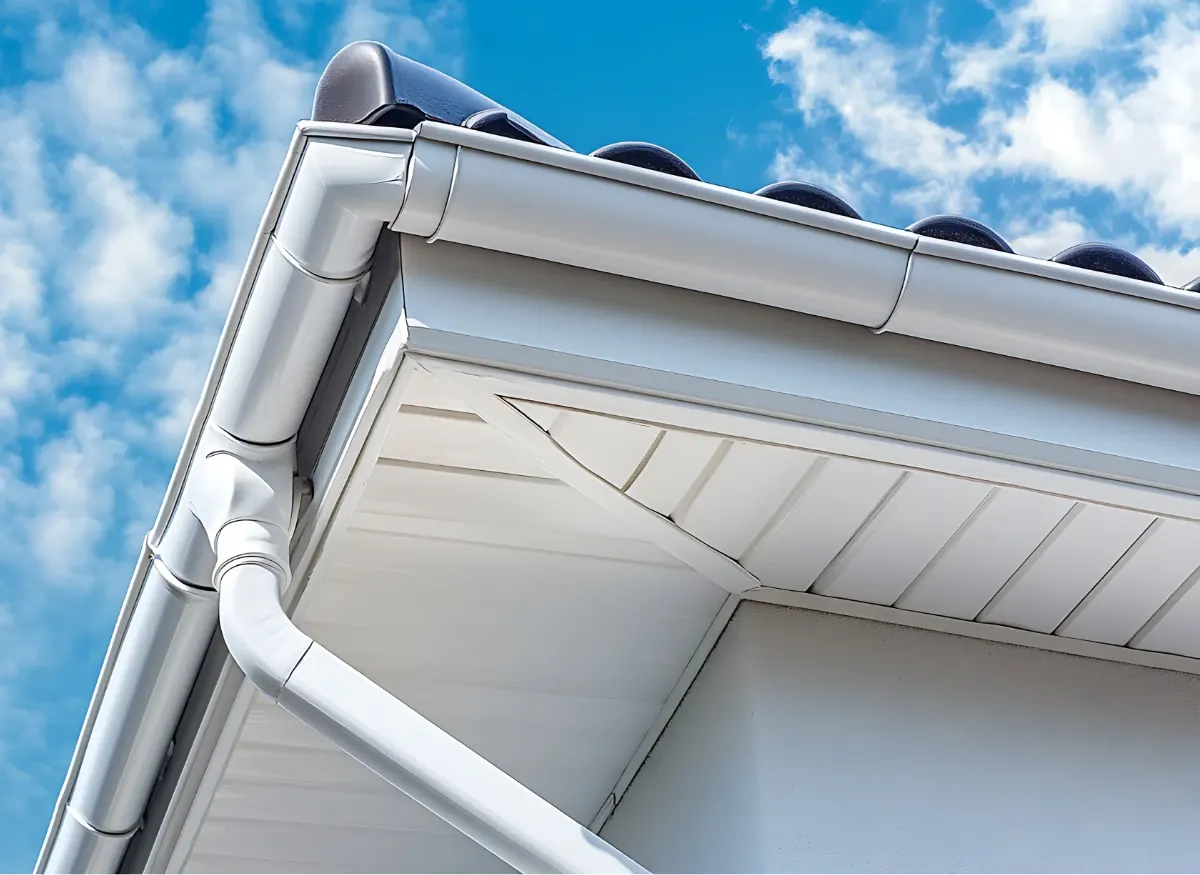
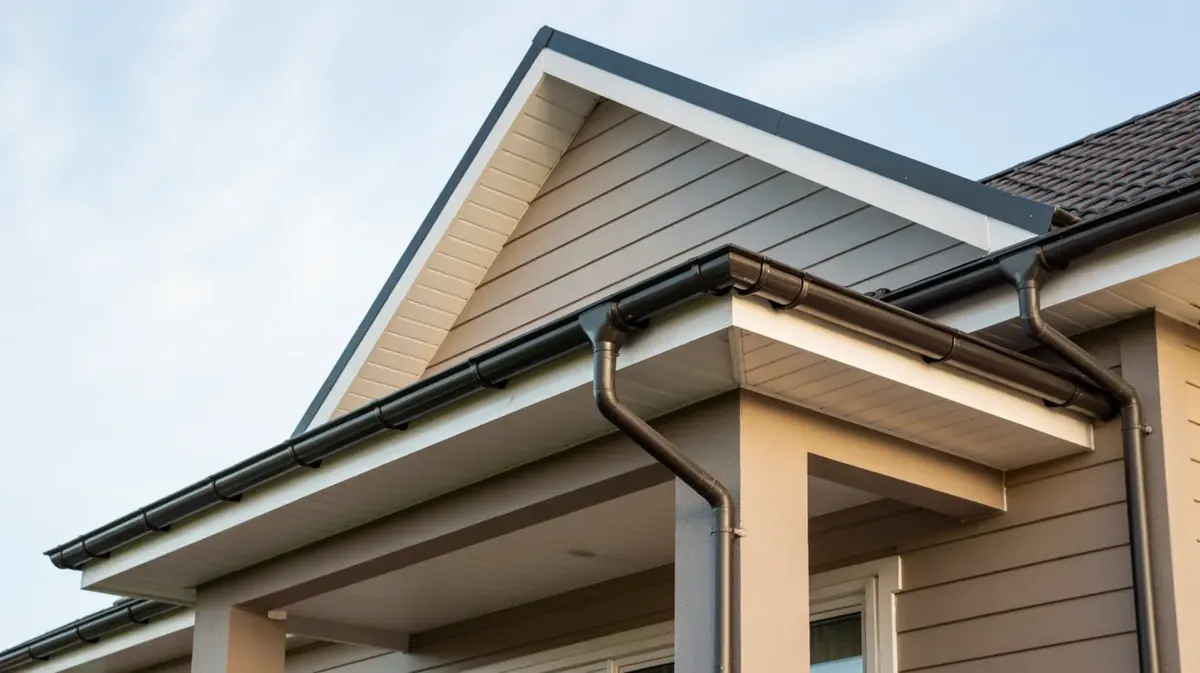
House roof eaves showing fascia board and soffit underneath

Roof Edge Parts

Fascia and soffit in Rochester: what they do and when to replace them

The fascia and soffit are the two parts that finish the roof edge, and they do far more work than their quiet look suggests. Both fail quietly, and both are worth a look each spring.

House roof eaves showing fascia board and soffit underneath
The fascia is the board you see at the roof edge, and the soffit is the panel under the overhang.

The roof edge, explained

Fascia and soffit: the two parts that finish the roof edge

Stand on the sidewalk and look at the edge of a roof. The upright board you see along the edge is the fascia, and the flat panel under the overhang, between the fascia and the wall, is the soffit. Together they close the gap between the roof and the wall, and they do far more work than their quiet look suggests.

The fascia carries the gutters, and it takes the weather head on: rain, snow, ice sliding off the roof, and the freeze and thaw that works on every board in Rochester. The soffit does the quieter job: it vents the attic, letting cool air in at the eaves so the deck stays cold and dry. A soffit with vents is part of the ventilation system, not just a cover.

Both parts are easy to overlook, and both fail quietly. A fascia board rots behind the gutter where water sits, and the rot spreads along the board before it shows on the face. A soffit vent chokes with paint, insulation, or a wasp nest, and the attic warms up without anyone noticing. The damage shows at the eaves first, and it is worth a look each spring.
The parts

What each part of the roof edge does

Tap a part to read what it does. The fascia, the soffit, and the gutter work as one edge, not three separate pieces.

Fascia board

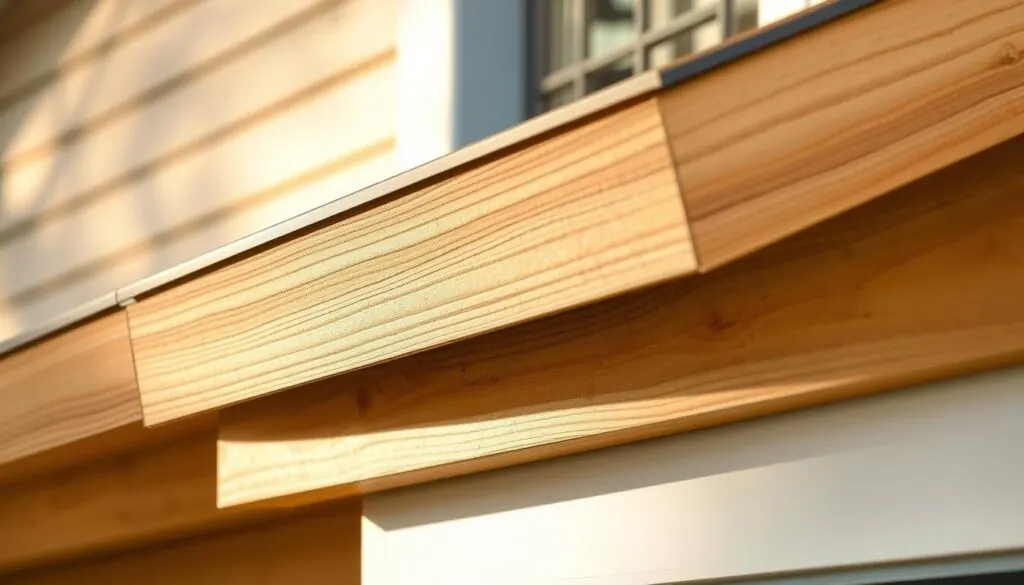
The fascia is the upright board along the roof edge, and it carries the gutters. It takes rain, snow, and ice sliding off the roof, and it rots first where water sits behind the gutter. A fascia board that feels soft when pressed has been soaking, and it needs replacing before the gutter pulls away.

Wood fascia board along the roof edge with a gutter attached
The fascia carries the gutters, and it rots first where water sits behind the gutter.

Signs of trouble

How to tell fascia and soffit need replacing

Peeling paint on the fascia is the first sign, and it means water has been getting behind the paint and into the wood. A fascia board that feels soft when pressed, or that shows dark streaks under the gutter, has been soaking, and the rot spreads along the board before it shows on the face. A gutter that sags or pulls away from the fascia is often the sign that the board behind it is already soft.

On the soffit, look for stains, sagging panels, and vents that are blocked or missing. A stained soffit panel means water has been getting in above it, often from a gutter that overflows or a drip edge that is missing. A soffit panel with holes or gaps lets birds and insects into the eaves, and a vent choked with paint or insulation starves the attic of air.

The attic tells the same story from inside. Blocked soffit vents warm the deck and grow ice dams, and the dam backs meltwater under the shingles and down the fascia. Our post on roof ventilation in cold climates explains the airflow, and gutter cleaning and maintenance in Rochester covers the gutter side of the same edge.

Soffit vents on the underside of roof eaves
Soffit vents let cool air into the attic at the eaves, keeping the deck cold and dry.

Materials and replacement

What fascia and soffit are made of, and when to replace them

Wood fascia is the traditional choice, and it looks right on older Rochester homes, but it needs paint and it rots when water sits on it. Aluminum fascia wraps the wood and sheds water, and it needs little care once it is on. Vinyl soffit is light, vented, and easy to keep clean, while wood soffit suits the look of a historic home. The right material depends on the house, the exposure, and how much care the owner wants to give it.

Replacement is planned along the eaves, section by section, so the house is never left open. The gutter comes off, the rotted fascia board is swapped, the soffit panels are replaced, and the drip edge and gutter go back on. The work is often done with a roof replacement or a gutter replacement, since the crew is already working along the same edge. Fascia and soffit in Rochester covers the service, and gutters and gutter guards covers the gutter that hangs from the fascia.

The time to replace is when the board is soft, when the rot runs along the edge, or when the gutter will no longer hold to the fascia. A single soft spot can be cut out and patched, but rot that runs the length of the eave means the board has had it. Our post on siding damage from Rochester winters shows how the same water reaches the walls below the eaves.

Read the edge

Fascia and soffit trouble, and what it points to

The edge shows its trouble early. Match what you see to the cause, and the fix follows.

Fascia and soffit signs and what they usually mean
What you seeWhat it usually meansNext step
Peeling paint on the fasciaWater getting behind the paint into the woodPress the board, check for softness
Gutter sagging or pulling awayFascia behind it is soft, hangers letting goRead the fascia and the hangers together
Stained soffit panelsWater getting in above, often from the gutterCheck the drip edge and the gutter flow
Blocked soffit ventsAttic starved of air, deck warming upClear the vents, check the baffles
Holes or gaps in the soffitBirds and insects getting into the eavesReplace the damaged panels

Scroll sideways to see the full table.

Keeping the edge sound

Keeping fascia and soffit sound in Rochester

The edge stays sound when the water keeps moving. Clean gutters, a sound drip edge, and open vents do most of the work.

Clean the gutters in late fall, so meltwater drains away instead of overflowing onto the fascia and freezing there. Keep the drip edge sound, so water runs into the gutter rather than back under the shingles. And keep the soffit vents open, so the attic stays cold and the deck stays dry.

Walk the eaves each spring and look at the fascia and the soffit the way you look at the roof: peeling paint, soft boards, stains, and blocked vents. A roof inspection that includes the eaves catches the rot while it is still a short board, not a long one. The City of Rochester posts snow and ice guidance for homeowners each winter, and it is worth a look before the season starts: City of Rochester.

People also ask

What people ask next about fascia and soffit

Short answers on what they do, how they fail, and when they need replacing.

What does fascia do on a roof?

The fascia is the upright board along the roof edge, and it carries the gutters while closing the edge of the roof. It takes rain, snow, and ice sliding off the roof, and it rots first where water sits behind the gutter. A soft fascia board lets the gutter sag and pull away from the house.

What is a soffit, and why does it have vents?

The soffit is the flat panel under the overhang, between the fascia and the wall. Its vents are the intake of the ventilation system, letting cool air into the attic at the eaves. Open vents keep the deck cold and dry, and blocked vents warm the attic and grow ice dams.

When should fascia and soffit be replaced?

When the fascia board is soft or rotted along its length, when the gutter will no longer hold to it, or when the soffit panels are stained, sagging, or full of holes. A single soft spot can be patched, but rot that runs the length of the eave means the board has had it.

Can I replace fascia without replacing the roof?

Yes. Fascia and soffit work is done along the eaves, section by section, with the gutter off and the roof untouched above it. It is often done with a gutter replacement or a roof replacement, since the crew is already working along the same edge, but it stands on its own too.

Fascia soft, soffit stained, or gutter pulling away? Call and ask for a roof edge read.

Call (585) 868-0065

Frequently asked questions

Before you decide: fascia and soffit answers

Press the board with a finger or a screwdriver. Sound wood is firm, while rotted wood feels soft and spongy, and a screwdriver sinks into it easily. Peeling paint, dark streaks under the gutter, and a gutter that sags or pulls away are the visible signs that the board behind it is soft.

The fascia is the upright board you see along the roof edge, and it carries the gutters. The soffit is the flat panel under the overhang, between the fascia and the wall, and its vents let cool air into the attic. Together they close the gap between the roof and the wall.

Yes, they matter most in winter. Soffit vents let cool air into the attic at the eaves, keeping the deck near the outside temperature so snow melts evenly. Blocked vents warm the deck, and the warm deck melts snow that refreezes at the eaves into an ice dam.

Aluminum fascia over wood sheds water well and needs little care, and it suits most Rochester homes. Wood fascia looks right on older homes but needs paint and rots when water sits on it. The right choice depends on the house, the exposure, and how much care the owner wants to give it.

Yes. A gutter full of leaves holds water against the fascia, and the water soaks the board all winter, freezing and thawing against it. The rot starts behind the gutter, where it cannot be seen, and spreads along the board. Clean gutters are the best protection the fascia has.

Most homes take a day or two, working along the eaves section by section. The gutter comes off, the boards are swapped, and the gutter goes back on. The work is often done with a gutter replacement, since the crew is already working along the same edge.

It is often the right time to look at them together, since the gutter hangs from the fascia and the crew is already working along the edge. A fascia board that is soft or rotted will not hold new hangers, so the board is swapped first and the gutter goes on after.

Keep reading

Read next: gutters, ventilation, and siding

Fascia soft or soffit stained?

Call and we will read the roof edge, the gutters, and the vents, and tell you plainly what needs replacing.