Read the winter damage
Walk the roof from the ground after the snow clears. Look for missing shingles, lifted edges, and ice dam stains at the eaves, and book a roofer for anything that looks new.

Roof Care Habits
Roofs in Rochester do not wear out in one winter. They wear out a little each season, and the owners whose roofs last longest are the ones who look twice a year and fix the small things.
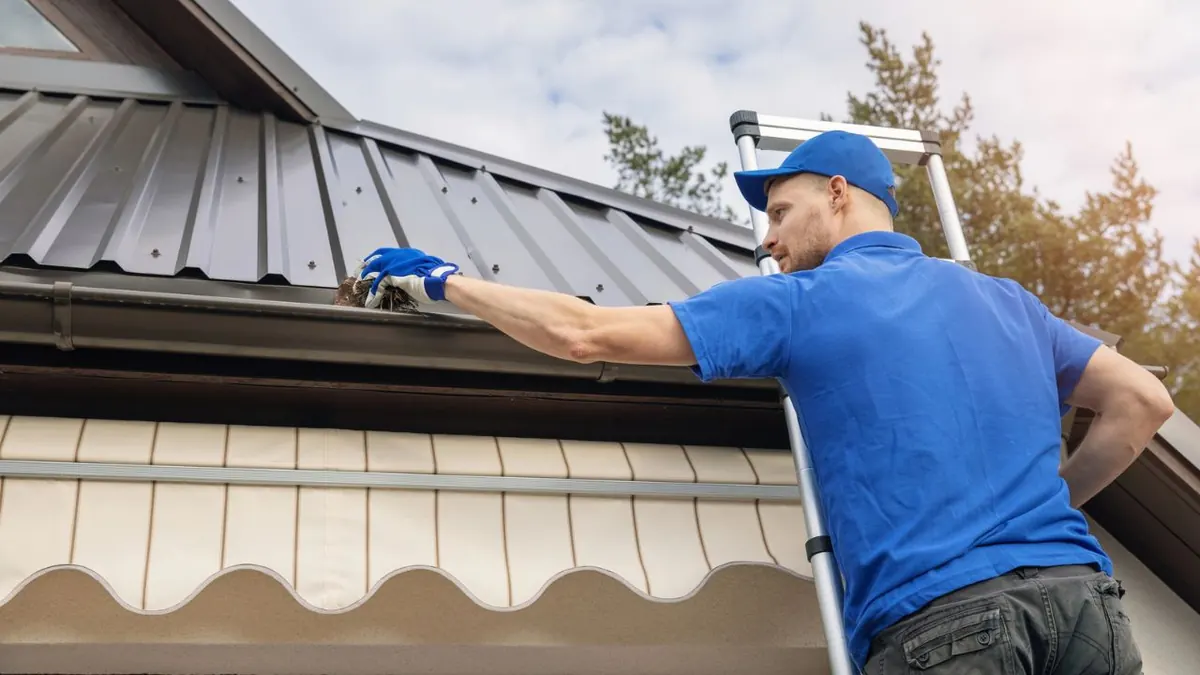
The habit that matters
A roof in Rochester does not wear out in one winter. It wears out a little each season: a lifted edge here, a cracked seal there, a gutter that starts to hold water at the eaves. The owners whose roofs last longest are not the ones with the newest roofs. They are the ones who look at the roof twice a year and fix the small things before they grow.
The rhythm is simple. In spring, after the snow clears, walk the sidewalk and look up: missing shingles, lifted edges, bent flashing, and granules in the gutters. In fall, before the first snow, do the same walk, and clear the gutters and valleys. Twice a year, from the ground, is enough to catch most trouble while it is still a small repair. A roof inspection every few years adds the attic and the deck to that read.
The attic is part of the habit too. Once a year, step into the attic and look for daylight through the deck, stains on the wood, and frost on the nails in late winter. Those signs point to water and moisture long before they reach the ceiling. Our post on spring roof inspection after a Rochester winter walks through the same checks in detail.
Your maintenance checklist
Tap an item to tick it off. Work through the list each spring and each fall.

The small fixes
A lifted shingle, a cracked seal at a vent, a small patch of moss: each one is a short job on its own, and each one grows into a leak if it waits. The shingle that lifts in a spring storm lets wind-driven rain under the course. The seal that cracks in summer opens with the first freeze. The moss that starts at the eaves spreads across the slope by fall. Small fixes now are what keep a roof working for years.
Gutters are the most overlooked small fix. A gutter full of leaves holds water at the eaves, where it freezes and feeds an ice dam, and the dam backs meltwater under the shingles. Clearing the gutters in late fall is one of the simplest things an owner can do for a roof. Our post on gutter cleaning and maintenance in Rochester covers the timing and the signs of a gutter that is holding water back.
Ventilation is the other quiet fix. Blocked soffit vents warm the deck and grow ice dams, and a bath fan venting into the attic feeds condensation all winter. Both are attic work, not roof work, and both add years to the deck. Read roof ventilation in cold climates to see how the airflow works.
Through the year
Four seasons, four habits. None of them takes long, and together they add years to a roof.
Walk the roof from the ground after the snow clears. Look for missing shingles, lifted edges, and ice dam stains at the eaves, and book a roofer for anything that looks new.
Warm, dry weather is the time for repairs: reseal joints, swap lifted shingles, and treat light moss while the roof is dry and easy to work on.
Clear the gutters and valleys, trim branches over the roof, and check the attic before the first snow. The roof goes into winter clean and dry.
Watch the roofline for sagging after big storms, and the ceilings for new stains. Rake heavy snow from the eaves, and call for help rather than climbing up.
What shortens a roof's life
Most roofs do not die of old age. They die of neglect, and the causes are the same on almost every roof.
Neglect is the first cause: small leaks left alone, gutters left full, moss left to spread. Each one is simple to fix early and hard to fix late. The second cause is a warm attic, from blocked vents or thin insulation, which grows ice dams and rots the deck from below. The third is foot traffic: walking on the roof to hang lights, clean a chimney, or chase a leak breaks shingle seals and cracks the surface.
The fix for all three is the same habit: look, twice a year, and act on what you see. Roof maintenance in Rochester is built around that rhythm, and our post on how long a roof lasts in Rochester shows what the habit is worth over the life of a roof.
People also ask
Short answers on maintenance habits, inspections, and the small fixes that add years.
A full inspection every few years is a good rhythm, with a ground walk each spring and fall in between. After a big storm, a hard winter, or a tree strike, add an extra look. The inspection reads the deck, the flashing, and the attic together, and it finds trouble the ground walk cannot see.
Look at it twice a year, clear the gutters in late fall, and fix small things while they are small. Keep the attic cold and dry with open ventilation and even insulation, so ice dams never form. Rake heavy, wet snow from the eaves, and never climb onto an icy roof.
Yes, more than most owners think. A gutter full of leaves holds water at the eaves, where it freezes and feeds an ice dam, and the dam backs meltwater under the shingles. Clean gutters carry the melt away, and that one habit protects the eaves, the fascia, and the deck edge.
No. Walking on shingles breaks their seal and can crack the surface, especially in cold weather. Read the roof from the ground with binoculars, and from the attic inside. A roofer has the gear and the footing to walk the slope safely when a closer look is needed.
Want your roof to last longer? Call and ask for a maintenance read, while the fixes are small.
Call (585) 868-0065Frequently asked questions
Most architectural shingle roofs in Rochester give long service, often two decades or more, when they are looked after. Snow, ice dams, and freeze and thaw wear the seal between courses, so the habit matters: twice yearly checks, clean gutters, and quick fixes on small trouble add years to the field.
Less than shingles, but it still needs a look. Check the fasteners, the seams, and the flashing each year, and clear debris from the valleys. Metal sheds snow well, but a loose fastener or a lifted seam lets water in just the same. A yearly walk from the ground catches it early.
Sometimes. A leak from one joint can be fixed and the roof can carry on for years, especially if the field is still sound. Leaks in new spots each season mean the field has aged out, and patching only chases the problem. A roofer reads the whole roof before calling it either way.
Light moss and algae, cleaned gently with a low pressure treatment, help a sound roof dry faster and last longer. High pressure washing does the opposite, stripping granules and driving water under the courses. Clean gently, only when growth appears, and trim the shade that feeds it.
Clear the gutters in late fall and keep the attic cold and dry. Those two habits stop ice dams, which cause more winter damage than anything else on a Rochester roof. After that, fix small trouble quickly, and book a full inspection every few years.
They can. Overhanging limbs drop debris that holds moisture, shade the slope so it stays damp, and can fall in a storm. Keep branches back from the roofline, clear the debris they drop, and watch the shaded slopes for moss. A little distance between tree and roof adds years to the shingles.
Keep reading
Call and ask for a maintenance read. We will walk the roof and the attic, and tell you plainly what needs doing.