North Main Street Village roofs
The north end of the village main drag, with Victorian homes and old-growth trees shading the roofs.

Black Creek Village
Churchville sits on Black Creek in the northwest corner of the Town of Riga, named for Samuel Church, who bought the land in 1806 and built a sawmill beside the water. The village holds Victorian homes and old-growth trees, the town around it holds farm fields, and the creek shapes both: damp air, shaded slopes, and ice that lingers at the eave.
Churchville and Riga
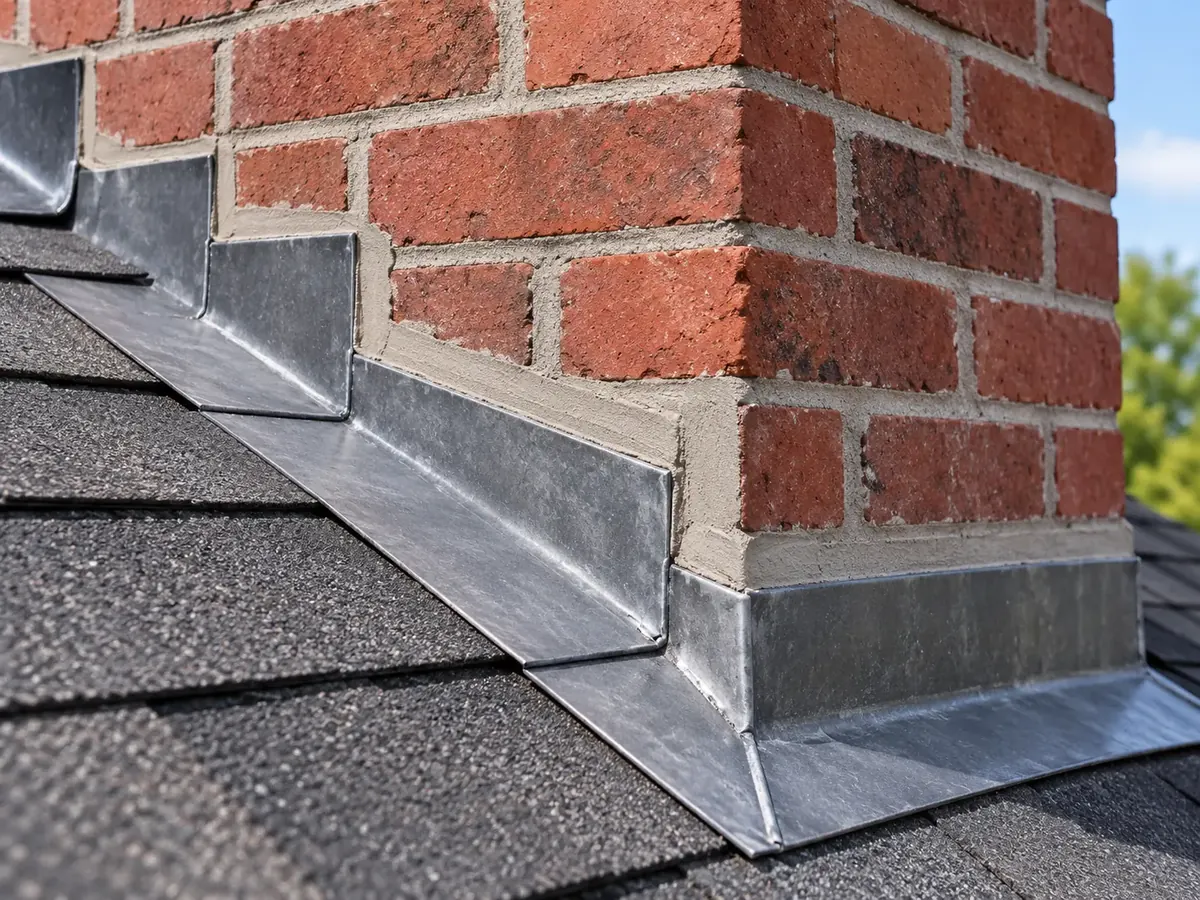
Samuel Church built his sawmill on Black Creek in 1808, and the village grew around it. The Tonawanda Railroad arrived in 1837, the village incorporated in 1852, and the homes near the creek still show that era: Victorian gables, tall brick chimneys, and steep pitches. A chimney job here starts with the flashing, since decades of creek damp and winter thaw have worked it loose.
Black Creek flows west to east through the village on its way to the Genesee River, and the low ground beside it stays damp after rain. Churchville Park spreads across 742 acres north of the village around the creek, and the trees there drop leaves into gutters all autumn. The snow and ice-dam work we do here starts at the creek-side eave, where the ice forms thickest and stays longest.
Frances Willard, the suffragist and temperance leader, was born in Churchville in 1839, and the village keeps that history close. The West Shore Trail runs through town past the old rail bed, and the yellow caboose beside the trail marks the railroad past. The Monroe County park system runs Churchville Park, and its lodges and shelters sit beside the same creek that powered the first mills.
Spring check
Winter leaves its mark on a creek-side roof, and spring is the time to read it. Walk through these five checks from the ground and the attic before the summer storms arrive.
Village and town
The village is small and walkable, with tree-lined streets and flower boxes, and the town of Riga spreads out around it into farm fields. Most of our Churchville work comes from the walkable village streets and the farm roads of Riga around it.
The north end of the village main drag, with Victorian homes and old-growth trees shading the roofs.
The south end of Main Street toward the creek, where the ground stays damp and the eaves ice up first.
The east-west street through the village, with homes that take wind straight across the open fields.
Homes backing onto the big county park, where leaves fill the gutters and limbs hang over the roof.
The town center east of the village, where farmhouses and newer homes sit on open ground.
Homes along the old rail bed trail, with roofs that face the open corridor and its wind.
Local weather
Black Creek keeps the air damp along its banks, and the shaded slopes near the water grow moss while sunny slopes stay clean. Damp softens the older shingles too, and a spring walk on the roof catches the wear before the summer storms arrive.
West of the village, the farm fields give the wind a clear run at the windward slope, and ridge caps and tabs lift there first. After a storm the ridge gets the first look, since it shows the wind before anything else on a Churchville roof.
Snow melts off the sunny slope and runs to the shaded eave beside the creek, where it turns to ice and backs water under the shingles. Above porches and on north-facing eaves the ice grows thickest, and it lingers here longer than in town.
Chimney flashing loose, or ice still hanging at the eave? Call and tell us which side of the creek the house sits on.
Call (585) 868-0065Coverage
Churchville carries one ZIP, 14428, and it covers the village, the park, and the Town of Riga around it, from the creek to the farm roads.
The 14428 ZIP covers Churchville village and the Town of Riga in Monroe County.

Village streets
The village streets hold the oldest roofs in Churchville: steep pitches, Victorian gables, and tall brick chimneys from the mill era, all standing close to Black Creek. Creek damp hangs in the air through spring and fall, and the shaded north slopes stay wet long after a rain.
The chimneys take the hardest wear, since decades of freeze and thaw work the mortar loose where the flashing meets the brick. A chimney job here starts with the flashing and the mortar together, because sound flashing on a cracked chimney still leaks.
Services
Tall brick chimneys on Victorian homes need flashing reset, mortar joints checked, and caps set right after decades of creek damp.
Learn more →Park leaves pack the valleys, field wind lifts the ridge caps, and the chimneys shift their flashing, and each gets fixed where it started.
Learn more →Creek-side eaves ice up thick and linger, so we clear the snow load and open the eave before the dam backs water under the shingles.
Learn more →Park trees and creek-side leaves clog Churchville gutters every autumn, so we clear them, re-pitch, and guard them before winter.
Learn more →Black Creek damp shows differently on every street, so drop us a note naming yours and what the chimney looks like.
FAQ
Churchville village holds many tall brick chimneys on Victorian homes, and decades of creek damp and winter thaw have loosened the mortar joints. The step flashing moves as the joints shift, and once a gap opens, rain runs down the chimney and under the shingles beside it. We reset the flashing, check the mortar, and look at the cap, since a chimney leak starts at more than one joint.
Snow melts off the sunny slope and runs down to the shaded eave beside the creek, where the cold air turns it to ice. The ice builds into a dam, and the meltwater behind it backs up under the shingles. The dams grow thickest above porches and on north-facing eaves, where the creek air stays cold. We clear the eave and check the attic vents before the dam grows.
Yes, in two ways. Overhanging limbs scrape the shingles in the wind, and autumn leaves fill the gutters and valleys, holding water against the roof. A limb that comes down in a storm can crack shingles or punch through the deck. We trim back what overhangs, clear the valleys and gutters, and check the slope beneath the limbs for wear.
Architectural shingles suit most Churchville Victorians, since they match the steep pitches and hold up under snow and wind. Natural slate suits the oldest homes, since it matches the original character and lasts a long time when cared for. The choice comes down to the pitch, the structure, and how much shade the creek trees give the roof, so we walk the roof before naming a material.
Yes. Riga farm properties often carry a barn roof beside the house, and the barn faces the same field wind and snow. On a barn roof the metal panels loosen at the fasteners, low slopes hold water at the eaves, and the ridge flashing wears first. The barn gets its look on the same visit as the house, so nothing sits unnoticed through winter.
As soon as the snow has left the roof and before the summer storms arrive. Watch for ice-dam damage along the creek-side eave, lifted ridge caps from field wind, and moss on the shaded north slope. A spring walk on the roof catches all three while the fixes are still small, and it leaves the summer open for the work itself.
Nearby towns
Spencerport sits northeast on the canal, Brockport lies north past the town line, Chili runs east toward the city, and Gates sits southeast toward Rochester.
Creek country
Churchville sits on Black Creek, and the creek shapes the village roofs the way it shaped the village itself, with damp air, tall chimneys, and steep pitches on the old streets.
Black Creek runs through the village, and the houses along its banks sit in damp air that lingers after rain. The shaded slopes on the creek side stay wet for days, and moss takes hold where the trees block the sun. Moss lifts the shingle edges a little at a time, and the wind catches the lifted edge. A creek-side slope wants its shaded planes watched for moss, and the moss dealt with before it spreads across the whole roof.
Churchville Park spreads along the creek with woods, trails, and open lawns, and the houses near the park sit under some of the tallest trees in town. Those trees shed a thick fall of leaves every autumn, and the leaves pack into the valleys and the gutters of the houses below them. Clearing the park-side gutters before winter keeps the water draining, and a gutter that drains through the first snow drains through the thaw. The gutter services page shows the clearing that keeps the gutters open.
Buffalo Road runs through the village as the main road, and the brick storefronts along it carry steep pitches and tall chimneys that have stood for generations. The mill history of the village shows in those buildings, with chimneys that rise high above the roofline and flashing that has moved with decades of freeze and thaw. A village chimney wants its flashing checked on the same visit as the roof, and the mortar joints looked at while the roofer is already up there. The chimney work page lists the flashing points the visit checks.
West and south of the village, the town of Riga opens into fields, and the houses along the country roads face the open wind with nothing to break it. The roofs out there take the wind straight on, and the ridge caps and the rake edges earn the same close look the creek slopes get for moss. A Churchville roof is hard to judge without knowing whether it stands by the creek or out in the fields, and the visit that begins with the street checks the right spot first.
Warning signs
The creek leaves its mark on a Churchville roof in three places, and each one shows up before the leak does.
Creek damp keeps a shaded Churchville slope wet long after the rain has stopped, and moss settles in where the sun never reaches. The moss works under the shingle edges and lifts them, and a lifted edge gives the wind something to catch. A slope that shows green across the lower courses needs the moss cleared and the deck beneath it checked.
Park trees shed leaves into the valleys of the houses closest to the water, and the leaves mat down and trap water against the valley metal. The trapped water wears the seam a little each year until the first hard rain finds the gap. Clearing the valley before winter keeps the seam sound through the thaw.
A gutter on the creek side fills sooner than the one on the dry side, and when it fills, the water runs over the edge and down the face of the fascia. The wood behind the fascia softens where no one can see it, and the stain on the siding below the eave is often the first clue. Clearing the creek-side gutter before the snow keeps the water moving.
The shape question
A creek-side house in Churchville can carry a steep pitch or a low one, and the pitch decides where the wear shows first.
The pitch does not make one roof better than the other. It tells the roofer where to look first, and the visit that starts with the pitch checks the valleys on a steep roof and the eaves on a low one. The roof inspection page explains what that visit covers on each pitch.
The creek side of the village holds both pitches on the same street, so a steep-pitched house can stand beside a low-pitched one, and the visit that reads the pitch of each house checks the valley on one and the eave on the other before the rain arrives.
Black Creek damp works on a Churchville roof from the eaves up, and a tall chimney shows the wear first. If the trouble is at the chimney, the eave, or the valley, a short note through the email button below gets a visit planned around that spot.
Roofing Rochester, 75 S Clinton Ave Ste 510, Rochester, NY 14604, (585) 868-0065