Wayland, NY
A railroad village in potato country
Wayland was incorporated in 1877, and it grew after it was chosen as a station on the Erie Railroad. The village sits in the northwest part of Steuben County, near the Livingston County line, at the junction of Routes 15, 21, and 63, just north of Interstate 390 at Exit 3. The Delaware, Lackawanna and Western Railroad ran through too, and Wayland is now the northern terminal of the Bath and Hammondsport rail line. Route 15 runs straight through the village as Lackawanna Street, and Route 21 turns east at Naples Street.
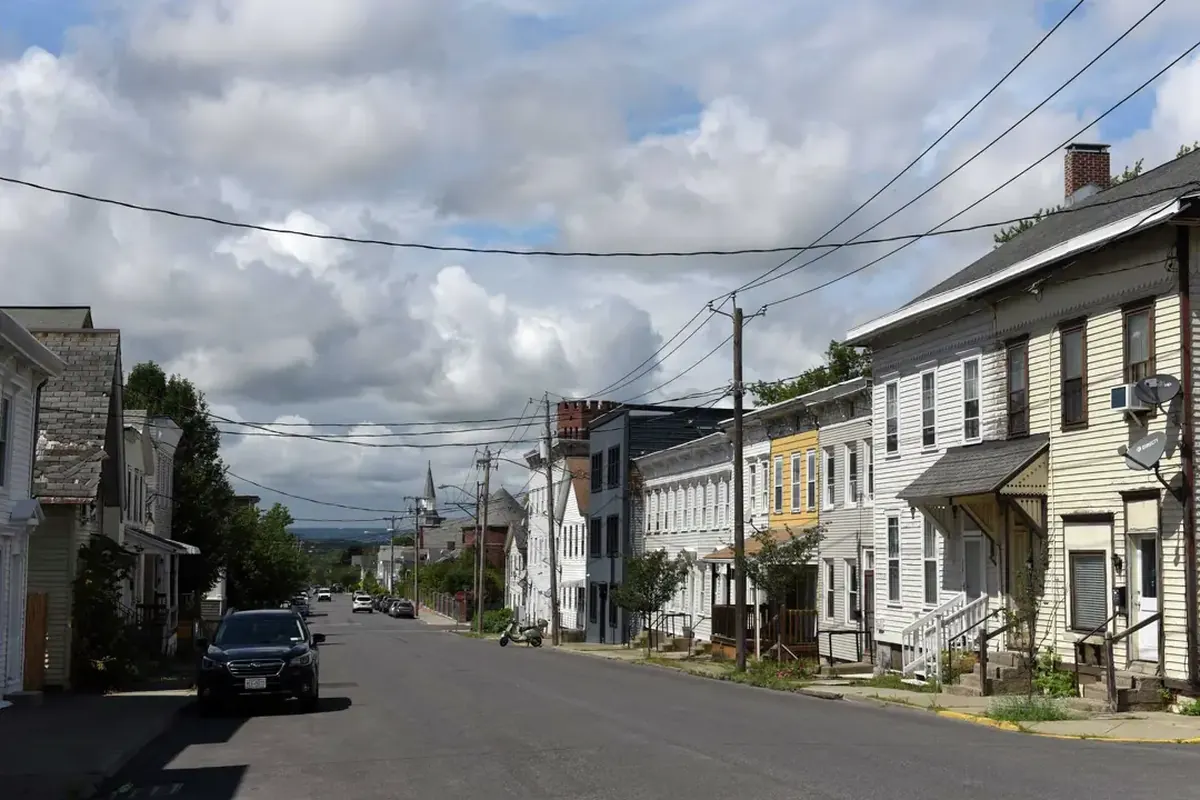
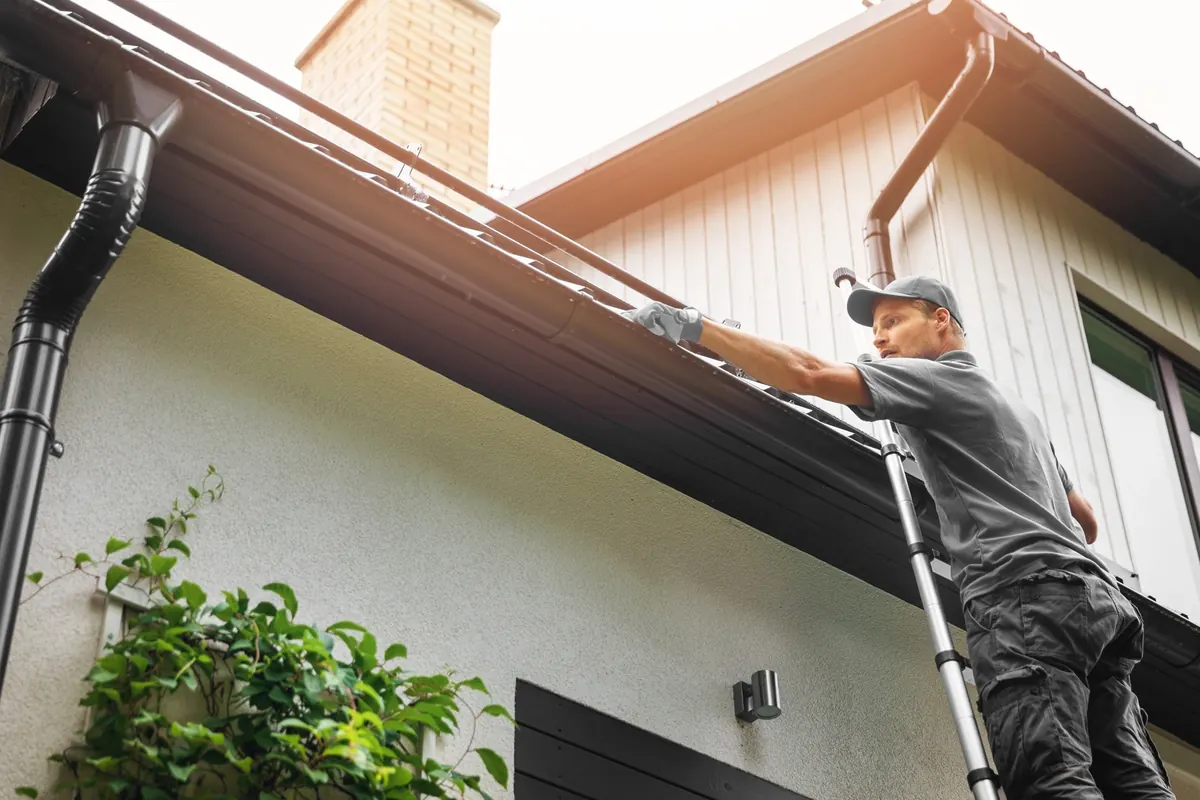
The village holds nineteenth-century homes along Main and Lackawanna Streets, churches founded for German-speaking congregations, and the American Legion hall from 1922. Gunlocke, the furniture maker, has stood by the Interstate 390 exit for generations, and Bennett's, the oldest Buick dealership in the world, ran in the village from when the brothers came home from World War I until it closed in 2019. A roof repair in Wayland has to suit a house that may be well over a century old, with a chimney and flashing to match.
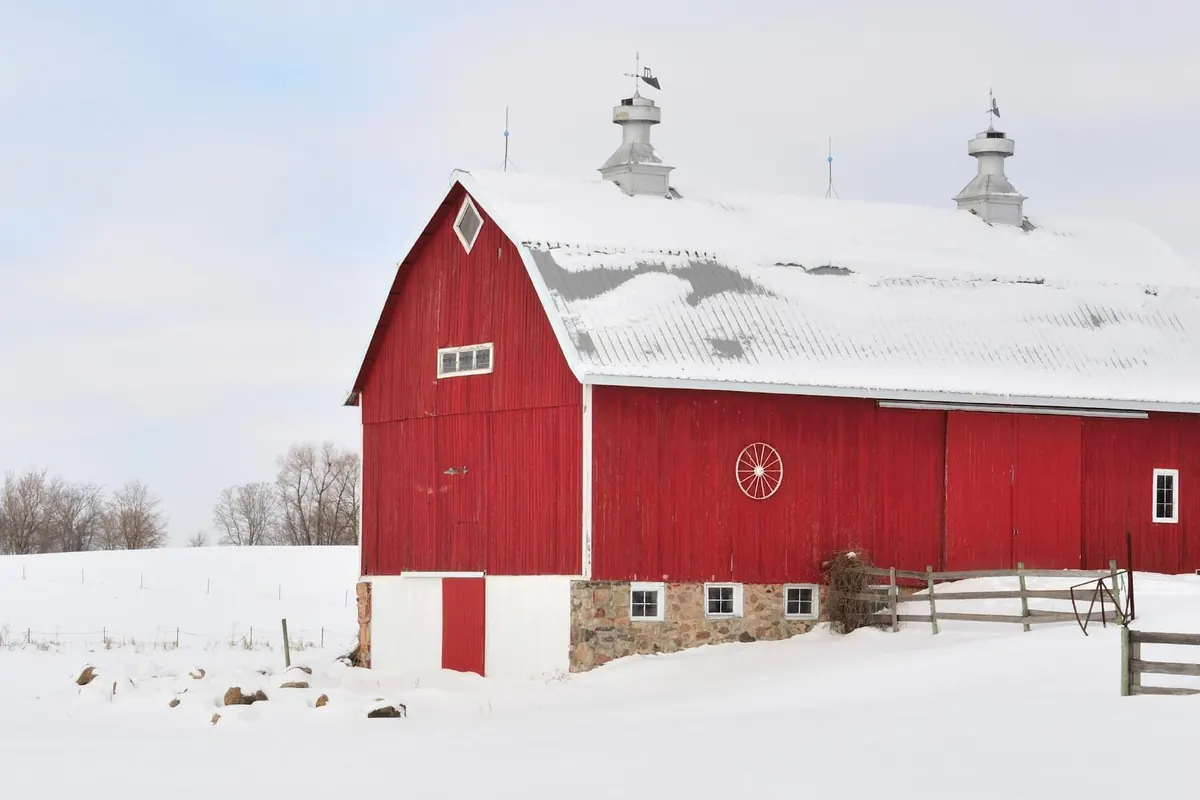
Open farmland rings the village, and the wind crosses it without slowing. That openness shapes the roof work: the ridge and the corners take the worst of every storm, and snow settles deep on the wide farmhouse slopes. The National Weather Service office in Buffalo covers Steuben County, and its winter storm warnings are the ones Wayland watches. A new Wayland roof follows the New York State building code for underlayment, with ice shield at the eaves. That open wind works the ridge and the corners hardest, and when a storm tears tabs off a farmhouse slope, emergency roof repair in Rochester covers the tarping and the fix that follow.