Call (585) 868-0065
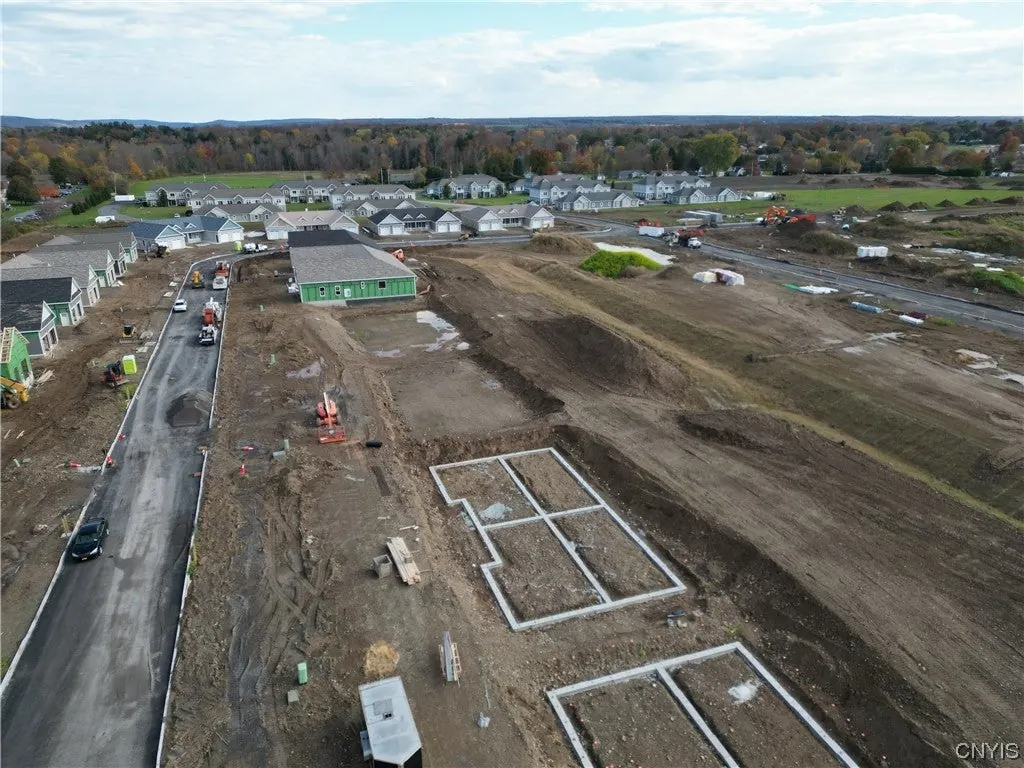
Aerial view of a new Victor subdivision under construction with house foundations and a road

Eastview Corridor Roofing

New Subdivisions and Old Village Roofs in Victor

Victor is the fastest-growing town in Ontario County, and the roofs here tell that story in two chapters. The village at the center holds older homes on quiet streets, and the subdivisions spreading out from Eastview Mall and Route 96 hold large new colonials on wide lots. The Thruway runs along the north side of town, the fields to the south are still open, and the wind that crosses those fields hits the new roofs with nothing to break it. We work on Victor roofs one at a time, and we read each one up close before we say what it needs.

A steep architectural shingle roof with dormers on a Victor house, showing the shingle pattern

Victor, NY

Eastview Mall, Route 96, and the new streets

Route 96 is the spine of Victor, running east from the Thruway past Eastview Mall and the big-box corridor, then south through the village and on toward Canandaigua. The subdivisions off Route 96 are the newest in the county, with large two-story colonials on wide lots, and their roofs are multi-slope frames with long valleys, dormers, and skylights. The village streets hold the older homes, smaller colonials and Capes on tree-lined streets, and their roofs are simpler and older.

The newness of the subdivisions is the quiet fact of Victor roofing. A first roof on a new colonial is still young, but the valleys and the skylights on a multi-slope roof need a look long before the shingles wear out, because the flashing at every joint is where water gets in first. New construction roofing is a regular job here, and after a storm tears shingles off a new roof, the EPA guidance on debris and damaged buildings is worth a read, because the damage on a young roof is often at the flashing, not the field.

The subdivisions off Route 96 are still young, and the roofs on them still need an early look, since the flashing at every joint is the first place water finds a way in. A Victor roof inspection photographs the valley metal and the skylight flashing, and a roof maintenance visit each spring keeps the new valleys clear of leaves.

The skylights on the new colonials deserve their own look, because the flashing around them gives out years before the glass does. Skylight repair and installation in Victor fits a new flashing kit around the frame without replacing the skylight, and a roof inspection after a hailstorm checks the glass and the flashing together.

A ridge vent running along the peak of a Victor shingle roof, with cap shingles over it

Heat finds a way out

The ridge vent is the roof's way out for heat

A new Victor colonial has a long ridge, and the vent that runs along it is the way out for the heat that builds up in the attic every July. Hot air rises through the vent and pulls cool air in through the soffits, and that flow keeps the shingles from baking and the attic from turning into an oven. When the vent is blocked by insulation or closed off by a bad cap, the attic heats up, the shingles age faster, and the rooms below stay warm long after sunset.

The ridge vent also matters in winter, because an attic that stays cold keeps the snow on the roof from melting unevenly. A vent that works with the soffits holds the deck at the same temperature as the air outside, and the snow stays put until the sun takes it off evenly. On the big multi-slope roofs of the new subdivisions, where the attic is deep and the heat has far to travel, the ridge vent is the piece that keeps the whole system honest.

A valley that drips on a ten-year-old roof, or hail bruising on a new colonial? Call and we will look at the valley first.

Call (585) 868-0065

Victor wear

Where a Victor roof wears out first

Victor roofs

Valleys on the new colonials

A multi-slope colonial has valleys that carry the water from two slopes at once, and the valley metal wears faster than any other piece of metal on the roof. Leaves settle in the valley and hold moisture against the metal.

Victor roofs

Ridge vents on the long peaks

The long ridges on the new colonials carry ridge vents that let warm, damp air out of the attic, and a vent that is blocked or crushed stops the whole attic from breathing. A blocked vent turns the attic into a damp oven.

Victor roofs

Skylight flashing on the dormers

The skylights on the new colonials were set into roofs that were built fast, and the flashing around them gives out long before the glass does. A new flashing kit stops the drip without replacing the skylight.

Compare

Shingles or metal on a Victor colonial?

Roof choices for Victor homes, side by side
Roof optionThe home it fits bestField wind to watch
Architectural shingles for new colonialsLarge two-story colonials in the new subdivisionsWind lifts tabs along the rake on the open streets
Standing seam metal for homes on open lotsHomes on the southern fields that take the windSnow slides off fast, so the walkways under the eave need a plan
Three-tab shingles for older village homesVillage colonials and Capes still carrying an early roofThin tabs curl sooner where the Thruway wind works the edge
Impact-rated shingles for streets that see hailStreets where hail has hit more than onceThe shingles resist bruising, but the skylights and the gutters still take the hits

Corners of town

From the village to the mall corridor

Victor runs from the old village center to the mall corridor and south to the open fields, and the roof on each street faces different wear.

Victor Village Old streets

Older colonials and Capes on the village streets, where the roofs are simpler and older and the flashing has had decades to wear.

Eastview Mall Corridor colonials

Large colonials off the Route 96 corridor, where the multi-slope roofs carry long valleys and dormers.

Route 96 Main road

Homes strung along the main road through town, where the wind runs unbroken down the corridor across the long slopes.

Fishers Hamlet homes

Homes in the Fishers hamlet at the western edge of town, where open lots face the fields and the wind runs unbroken across the roofs.

Thruway side North edge

Homes along the north side of town near the Thruway, where the highway wind hits the roofs with nothing to break it.

Boughton Hill South fields

Homes on the southern hills toward the fields, where the lots open up and the roofs take the weather first.

Through the year

A Victor roof in every season

Spring

Hail on the new subdivisions

Spring storms cross the open fields south of town and drop hail on the new colonials first. A close look from the roof itself finds the bruised shingles that never show from the ground.

Summer

Heat on the dark south slopes

July heat bakes the dark shingle slopes of the new subdivisions, and the attic below turns into an oven when the air cannot move. The shingles wear faster when the attic cannot breathe.

Autumn

Leaves in the long valleys

Young trees in the new subdivisions drop leaves into valleys that run long, and a clogged valley sends water over the edge and under the shingles.

Winter

Snow on the multi-slope roofs

On the multi-slope colonials, snow bands pile deep. The meltwater that follows has to leave the roof before the next band arrives, or it locks up at the eave.

Coverage

One ZIP code for the village and the subdivisions

Victor is a town in Ontario County, southeast of Rochester, with Eastview Mall on Route 96 and the Thruway running along its north side.

14564

The 14564 ZIP covers Victor Village, the Eastview corridor, Fishers, and the subdivisions south toward the fields.

FAQ

Victor owners ask these before they call

A young roof rarely leaks from worn shingles. It leaks from the flashing, because a multi-slope colonial has valleys, dormers, and skylights, and every joint is a place where water can get in. The flashing on a fast-built subdivision roof is often the weakest part of the job, and it gives out years before the shingles do.

A ridge vent is a vent along the peak of the roof that lets warm, damp air out of the attic, and it only works when the soffit vents below can pull cool air in. Without it, the attic turns into a damp oven in summer and a melt zone in winter, and the shingles age faster from the inside.

Look for granules piling at the downspouts, dents in the gutters, and bruised spots on the soft metal around the vents. Hail bruising hides under the shingle surface, so a roof can look fine from the driveway while the mat underneath is cracked.

They do. The wind that reaches a Victor roof has crossed miles of open fields with nothing to slow it, so it hits the rake and the ridge at full strength. The tabs along the rake lift sooner here than they do on a sheltered street, and one lifted tab lets the next gust get underneath.

When the granules wash away, the tabs curl up, and the leaks appear across whole slopes together, the field has worn out at once. A single leak at a valley or a skylight points to a repair, not a replacement. The date on the roof matters less than the state of the shingles: a well-ventilated slope in the shade can outlast a sun-baked one by years.

Stay off the roof and keep everyone out of the yard below the damaged slope, then photograph the damage from the ground, including the shingles in the yard and the bare spots on the roof. A tarp over the open section keeps the rain out while the repair is planned, and the sooner it is on, the less water reaches the deck boards.

Nearby towns

The towns around Victor

Fairport runs northwest past the Thruway toward the canal, and Canandaigua sits southeast past the lake road, and a visit to Victor often stretches to one of those two towns too.

South Victor

Ganondagan, Route 251, and the open ground south of the village

South of the village, Victor opens into fields and rolling ground around Route 251 and the Ganondagan historic site, and the roofs down there meet the weather with almost no tree cover to slow it.

Ganondagan State Historic Site stands on the high ground south of the village, and the land around it stays open, with fields, hedgerows, and long views toward the hills. Homes along Route 251 and the side roads off it sit on that same open ground, so a south or west slope takes the wind straight on, with no neighboring houses close enough to break it. A roof in the open needs its ridge caps and its rake edges seated tight, because the wind finds the loose edge first and works it a little more with every storm.

The village itself reads differently. The older streets near the center hold smaller homes with simpler roofs, short ridges, and chimneys that have stood through decades of freeze and thaw. The flashing where a chimney meets the slope moves a fraction each winter, as the brick and the deck swell and shrink at different rates, and after enough winters the seal opens. A chimney check belongs on the same visit as the roof check, and the two together catch most village leaks before they reach a ceiling. Chimney work pairs with that visit, and the chimney work page lays out what the flashing check covers.

Between the village and the open south, the newer subdivisions fill the middle ground. Their colonials carry long ridges, wide valleys, and dormers that break up the slope, and the valleys do the hardest work on the roof. Leaves from young yard trees gather where two slopes meet, hold water against the metal, and wear the seam from the edge in. A valley cleared each fall lasts years longer than one left to pack, and the visit that clears it also finds the lifted shingle the spring wind left behind. The roof maintenance visit covers that clearing and the ridge look in the same trip.

Fishers, the hamlet at the western edge of town, sits where the houses thin out and the fields begin. The lots there run wide, the trees stand apart, and the roofs take the field wind the same way the south side does, with the added push of the open corridor along the railroad and the main road. A Fishers roof wants the same attention at the ridge and the rake, and the same fall clearing in the valleys, because the wind and the leaves reach it first and leave it last.

What to watch

Victor roofs by house era

A Victor roof wears in the pattern of the house under it, so the first thing to check depends on when the house was built and how the roof was shaped.

First checks for a Victor roof by house era
House eraRoof shapeFirst weak pointWhat to watch
Village homes on the early streetsShort ridges, steep pitches, tall chimneysChimney flashing that has moved with decades of freeze and thawStains on the ceiling below the chimney, and mortar joints that crumble at the touch
Mid-century ranches and split-levelsLow slopes with wide, simple planesRidge caps that dry and crack under summer sunGranules collecting at the downspouts, and shingles that curl at the eave
New colonials off Route 96Long ridges, wide valleys, dormers, skylightsValley metal and skylight flashing at every jointLeaves packed in the valley after fall, and damp lines under a skylight after rain

Under the deck

Three attic problems a Victor roof hides

The attic decides how long a Victor roof lasts, and three problems show up there before they show on the shingles.

July heat cooks the deck from below

July sun bakes the dark slopes of the new subdivisions, and the attic below turns into an oven when the air cannot move. Shingles age faster over a hot attic, and the deck boards dry and shrink, which loosens the nails that hold the shingles down. A ridge vent that runs the full length of the peak, paired with open soffits, pulls the heat out before it settles, and the attic ventilation visit that checks both ends of that path keeps a young roof young.

January melt feeds the eave ice

A warm attic melts the snow from below while the eave stays cold, and the meltwater runs down to the cold edge and turns to ice. The ice builds a dam, the water behind it backs up under the shingles, and the first sign is a stain on the ceiling above an outside wall. Keeping the attic cold with steady air flow stops the melt at its source, and the snow removal and ice dam visit that clears the eave before the next cold snap keeps the dam from growing.

Spring damp that never dries

Bathrooms and kitchens push warm, wet air into the attic all winter, and when that air has no way out it settles on the cold underside of the deck. The boards darken, the nails rust, and the damp lingers into spring, long after the snow has gone. A vent path that runs from the soffits to the ridge carries that damp out with the heat, and an attic check that looks at the deck from below finds the dark boards before the shingles above them start to lift.

Your Victor roof, read from the ridge down

Between the village and the mall corridor, a young Victor colonial drips at the valley while its ridge vent stops breathing, and a field storm takes more shingles than the roof can spare. Send the subdivision or the Route 96 address and the ridge in the message, and the visit will start where the vent sits.