Call (585) 868-0065
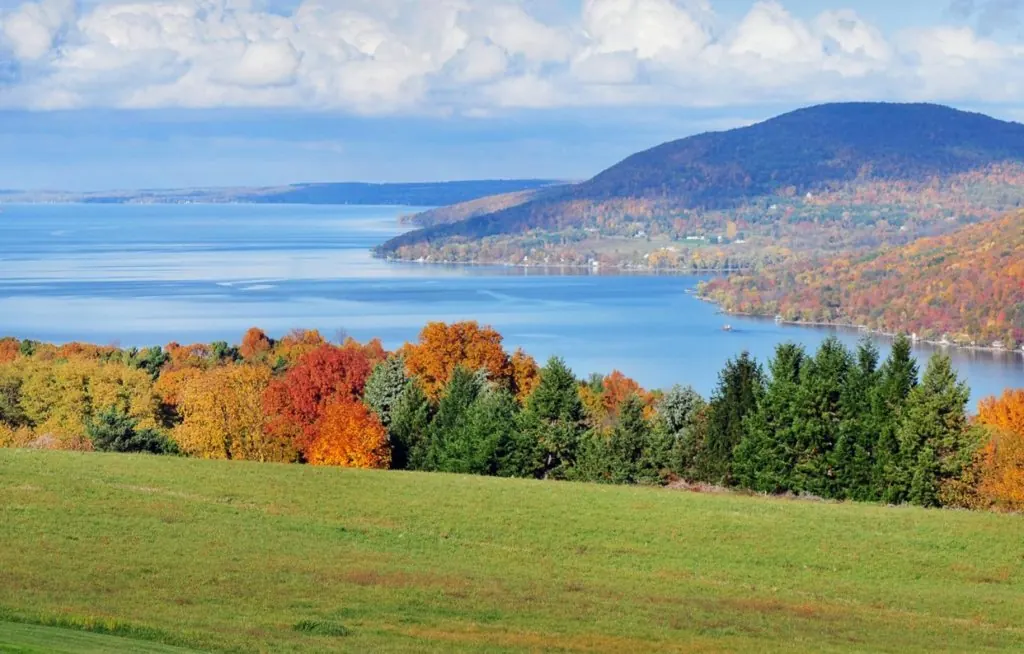
A Finger Lakes valley with autumn trees sloping down to blue water

West River Valley

Rushville Roofing Between Canandaigua Lake and Seneca Lake

Rushville sits in a hollow of the West River valley, between Canandaigua Lake and Seneca Lake, and the village has carried two names in its life. It began as Federal Hollow, for the Federalist settlers who farmed the valley, and took the name Rushville in 1819 for Dr. Benjamin Rush. The hills around it shape every roof in town: snow drifts deep on the valley floor, and the wind runs down the slopes.

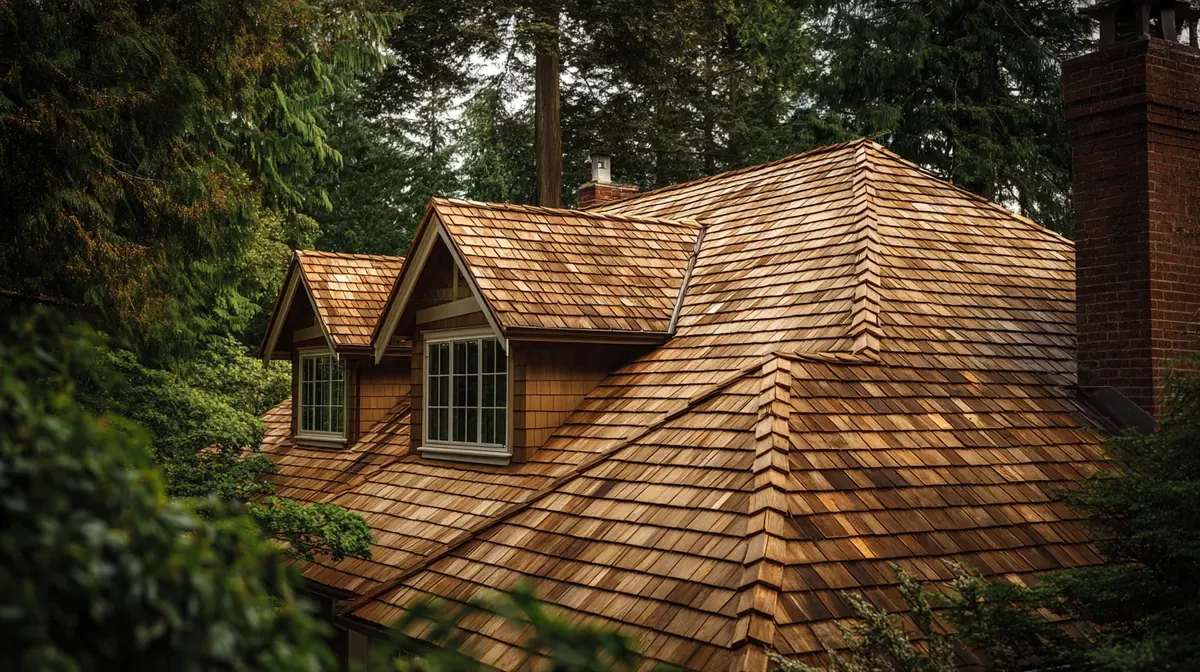
A cedar shake roof with dormers above a wooded house
A cedar shake roof with dormers above a wooded Rushville house

Rushville

Federal Hollow, the West River, and valley roofs

Elias Gilbert was the first settler here, and he built a sawmill on the West River in 1800. The river runs southwest through the village on its way to Canandaigua Lake, and the low ground beside it stays damp after rain. The houses along the river grow moss on their shaded slopes, and their gutters fill with leaves from the river trees. In the valley, a roof inspection begins at the river side of the house, where the damp works longest.

The village straddles two counties: most of it sits in the Town of Potter in Yates County, and a smaller part runs into the Town of Gorham in Ontario County. The Milton Wilson House, listed on the National Register in 1994, stands as the village landmark, and Marcus Whitman, the missionary who led the first wagon train on the Oregon Trail, was born here. The composite roofing we set on valley homes suits the hills, since it holds its shape through the thaw cycles and the wind that runs down the slopes.

Routes 245 and 247 meet in the village, and Route 247 runs north to Routes 5 and 20 in Canandaigua. The village voted against dissolution in 2017, keeping its own government and its own identity. The National Weather Service office in Buffalo tracks the snow bands that bury the Finger Lakes hills, and the valley here takes the snow that the lakes send inland.
Valley and hills

Valley floor homes and hilltop homes in Rushville

The valley floor holds the village itself, with houses close together along Main Street and the river. The hills around it hold farmhouses and newer homes on open ground, with long views down to the water. The valley homes take damp air off the river and ice at the shaded eave, while the hilltop homes take wind straight across the open slopes. A roof in Rushville has to suit its ground, and the ground changes within a mile.

That split shows up in the roof work. Valley homes need their valleys cleared of leaves and their flashing checked at the chimney, since the damp works both loose. Hilltop homes need their ridge caps sealed and their fasteners checked, since the wind lifts both. The check on a Rushville roof starts by standing in the yard and reading the ground: river below, hills above, and the roof in between.

Side by side

Valley homes and hilltop homes, side by side

The village sits in a hollow, and the houses around it sit on the hills above. The two kinds of houses meet the weather in different ways.

Roof patterns for valley and hilltop homes in Rushville
House placeWhat it facesWhat wears firstWhat we watch
Valley floorRiver damp and shadeMoss on north slopesFlashing at the chimney
HillsideWind down the slopesRidge caps and fastenersTabs on the windward slope
HilltopOpen wind from the lakesGranule loss and lifted tabsDeck softness underfoot
River sideWest River airValley leaves and guttersIce at the shaded eave

Local trouble

What the valley and the lakes do to a Rushville roof

Rushville roofs

River damp on shaded slopes

The West River keeps the air damp, and the shaded slopes stay wet for days after rain, with moss taking hold where the river trees block the sun. The growth lifts shingle edges and holds water against the roof, so a spring walk shows the wear before summer storms arrive.

Rushville roofs

Wind down the hillsides

Wind runs down the hillsides into the valley and works on the uphill slopes, lifting ridge caps and tabs. The ridge is where we look first after a storm, since it shows the wind before the rest of the roof does.

Rushville roofs

Snow between two lakes

Snow off Canandaigua Lake and Seneca Lake piles deep in the valley, and the melt runs down to the cold eave, where it turns to ice. The dams grow thickest above porches and on north-facing eaves, and they linger where the valley air stays cold.

Village pockets

Rushville streets, river side, and county line

The village is small, but it straddles two counties and two town lines. Most of our Rushville calls come from the small village and the two town lines it straddles.

Main Street Village center roofs

The village main drag, with houses close together and roofs that share the valley wind and the river damp.

West River side River-side roofs

Homes along the West River, where damp air keeps the shaded slopes wet and the gutters fill with river leaves.

Potter side Yates County roofs

The larger part of the village in the Town of Potter, with homes that face the valley and the hills above it.

Gorham side Ontario County roofs

The smaller part of the village across the county line in the Town of Gorham, toward Canandaigua Lake.

Route 245 corridor Road-side roofs

Homes along the state route through the village, where the road carries traffic and the roofs carry the valley snow.

Route 247 north Road-side roofs

Homes along the route north toward Canandaigua, where the ground rises and the wind runs down the slopes.

Moss on the river side, or ridge caps lifted by hillside wind? Call and tell us whether the house sits in the hollow or on a hill.

Call (585) 868-0065

Coverage

The 14544 ZIP in the West River valley

Rushville carries one ZIP, 14544, and it covers the village on both sides of the county line, the river valley, and the hills around it.

14544

The 14544 ZIP covers Rushville village in Yates and Ontario Counties.

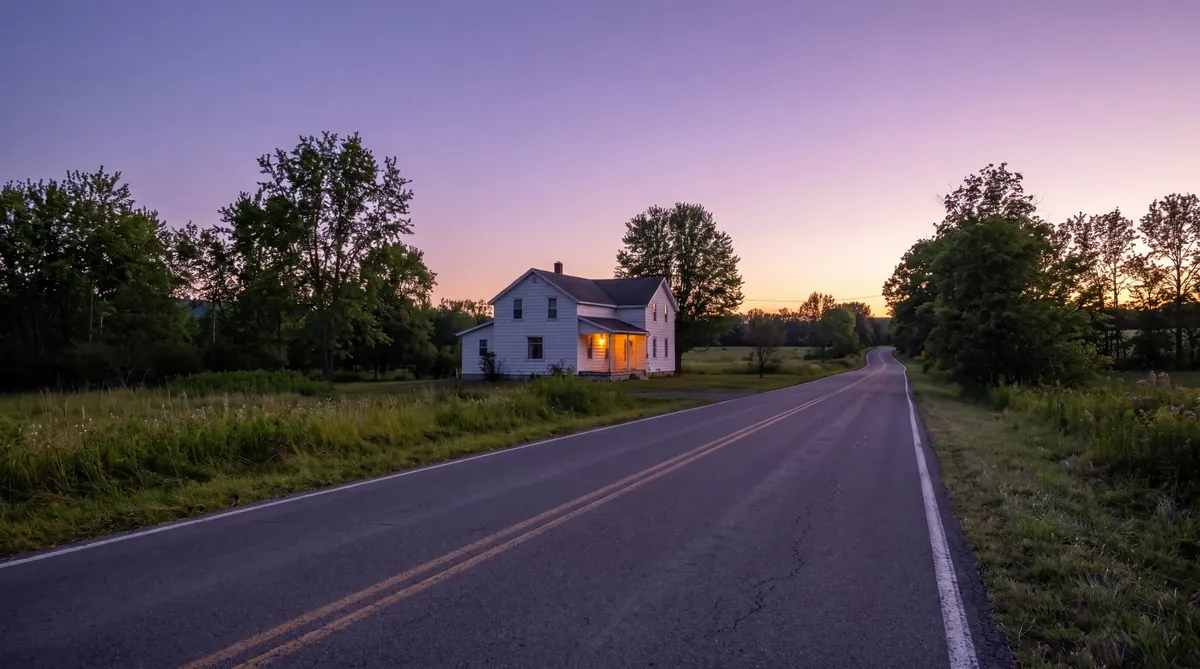
A white farmhouse beside a country road at dusk in the valley
A farmhouse on a valley road at dusk

Valley roads

A farmhouse on the valley road at dusk

The valley roads out of Rushville pass white farmhouses set back from the West River, with the hills rising on both sides. The low ground beside the river stays damp after rain, and the shaded slopes of the houses along it grow moss first.

The hilltop homes above the valley take the wind instead, and their ridge caps loosen first after a storm. A roof visit here reads the valley floor and the hilltop differently, because the two kinds of ground wear a roof in two different ways.

Services

Roof work we do in Rushville

Composite Roofing

Valley homes suit composite shingles, since they hold their shape through thaw cycles and the wind that runs down the hillsides.

Learn more →

Roof Repair

Hillside wind lifts the ridge caps, the valleys pack with river leaves, and thaw cycles shift the chimney flashing. We fix each one at its source.

Learn more →

Roof Inspection

We walk the roof, check the attic, and look along the river-side eave, then leave a plain-words list of what to fix now and what can wait.

Learn more →
See All 22 Roofing Services

Valley floor or hilltop, send us word with the road and whether the hollow or the hill took the storm.

FAQ

Rushville roof questions

No, they are two different places about forty miles apart. Rush is a town in Monroe County beside the Genesee River, named for the rushes along the water. Rushville is a village in Yates and Ontario Counties, in the West River valley between Canandaigua Lake and Seneca Lake, named for Dr. Benjamin Rush. The names sound alike, but the towns sit in different counties and face different weather.

Damp air off the West River keeps the shaded slopes wet for days after rain, and moss takes hold where the river trees block the sun. The moss lifts shingle edges and holds water against the roof long after the rain stops. We clear the growth, check the flashing beneath it, and look at the gutters, since river leaves clog them and the standing water makes the damp worse.

Most valley homes do best with composite shingles, which hold their shape through thaw cycles and the wind that runs down the hillsides. Cedar shake suits the wooded lots above the village, since it matches the trees and the older homes. The choice comes down to pitch, wind-facing slope, and the shade the river trees give, so we walk the roof and name the material from what we see.

Snow off Canandaigua Lake and Seneca Lake piles deep in the valley, and the melt runs down to the cold eave, where it turns to ice and backs water under the shingles. Above porches and on north-facing eaves the dams grow thickest, and they hang on where the valley air stays cold. We look for the drift line after each storm and clear the eave before the dam grows thick.

Yes. Most of the village sits in the Town of Potter in Yates County, and a smaller part runs into the Town of Gorham in Ontario County, but the roof work is the same on both sides of the line. The houses share the valley weather, the river damp, and the hillside wind, so the check starts with the roof itself rather than with the county it sits in.

We do. The hills around the village hold farmhouses and newer homes on open ground, and their roofs take wind straight across the slopes. Ridge caps lift first, then tabs on the windward slope, then flashing at the chimney. We check the ridge and the fasteners on every visit to a hilltop home, since the wind runs harder up there than down in the hollow.

Nearby towns

Towns around Rushville

Canandaigua sits north on Route 247, Geneva lies east toward Seneca Lake, Victor runs northwest toward Rochester, and Farmington sits north past the county line.

River and shade

West River damp and the shaded slopes below the hills

The West River keeps the low ground beside it damp after rain, and the roofs on that low ground grow moss on their shaded slopes sooner than the roofs on the hills above.

The West River runs southwest through Rushville on its way to Canandaigua Lake, and the houses along its banks sit on the lowest ground in the village. Damp air rises off the water in the morning and lingers under the river trees through the day, so the north slopes of those houses stay wet long after the hills above have dried. Moss settles into that damp, lifting shingle edges a little more each season, and the gutters fill with leaves from the river trees each autumn.

Main Street follows the river, and the houses along it share the same pattern. Their valleys collect leaves that wash down from the trees, and a valley packed with leaves holds water against the metal beneath it all winter. The chimney flashing on those houses works hard too, since the damp air and the thaw cycles loosen the mortar joints year by year. A check on a river-side house starts at the valley and the chimney, since those two joints show the river damp first.

The low ground also holds fog on cold mornings, and fog adds a fine damp to a roof that rain never reaches. A roof that looks dry from the street can still be damp on its shaded side, and that hidden damp is what feeds the green growth. A hand on the north slope on a foggy morning tells the truth: a slope that feels cool and wet while the south slope feels dry is a slope that needs a closer look in spring.

River-side valleys

Leaves from the river trees pack into the valleys of Main Street houses, and a packed valley holds water against the flashing through the cold months.

Chimneys beside the water

Damp air off the river works at chimney mortar, and the step flashing where brick meets roof opens a little more with each thaw cycle.

Valley and hilltop

Hilltop wind against valley shade in Rushville

Hilltop homes above Rushville take wind straight across the open slopes, while valley homes take shade and damp, so the two wear in opposite places.

The hills around the village hold farmhouses and newer homes on open ground, with long views down to the water. Up there the wind has a clear run, and it lifts ridge caps and tabs on the windward slope. Granules wash out of the gutters after a blow, and the decking under a hilltop roof can go soft where wind-driven rain has slipped under a lifted tab year after year. A hilltop check starts at the ridge and works down the windward slope, looking for the lift that the valley houses rarely see.

Down in the hollow, the village houses take the opposite weather. The hills shelter them from the wind, yet the same hills shade them for much of the day, and the river adds damp to the shade. Their roofs grow moss, their valleys fill with leaves, and their eaves ice up where meltwater refreezes in the shade. A valley check starts at the eave and the north slope, looking for the ice and the moss that the hilltop houses rarely see.

Routes 245 and 247 meet in the village, and the houses along those roads show the split within a short drive. A house on the valley floor near the river needs its valleys cleared and its chimney flashing watched, while a house a mile up the hill needs its ridge caps sealed and its fasteners checked. The ground changes within a mile, and the roof work changes with it. Our roof inspection visits in Rushville begin by standing in the yard and reading that ground, river below and hills above, before anyone climbs a ladder.

Valley homes and hilltop homes in Rushville
House placeWhat it facesWhat wears firstWhat we watch
Valley floorRiver damp and shadeMoss on north slopesFlashing at the chimney
HillsideWind down the slopesRidge caps and fastenersTabs on the windward slope
HilltopOpen wind from the lakesGranule loss and lifted tabsDeck softness underfoot
River sideWest River airValley leaves and guttersIce at the shaded eave

Gutters and winter

What Rushville gutters tell you before winter

Rushville gutters tell the winter story early, because leaves from the river trees and the hillside woods pack them before the first snow arrives.

Autumn fills Rushville gutters twice over. The river trees along the West River drop their leaves onto the valley roofs, and the hillside woods drop theirs onto the hilltop roofs, and both sets of leaves wash into the gutters with the autumn rain. A gutter packed with leaves holds water against the fascia, and when that water turns to ice it lifts the gutter away from the roof edge and backs meltwater under the shingles at the eave.

Clearing the gutters in late autumn is the single most useful autumn job on a Rushville roof. The work is simple, yet it changes how the roof meets winter: water runs clear to the downspouts, the eave stays dry, and the ice that does form has less water behind it. The downspouts deserve the same attention, since a downspout blocked at its base sends water back along the gutter and over the fascia in the next thaw.

After the gutters are clear, the valleys come next. A valley on a Rushville roof collects leaves from the trees above it, and a valley that stays packed through winter holds meltwater against the metal for months. A broom and a careful hand clear the valley without lifting the shingles beside it, and the roof enters winter with its water paths open. Our gutters and gutter guards visits cover that clearing, and our guide to gutter cleaning and maintenance in Rochester sets out the signs of a gutter that needs attention before the snow.

The village straddles two counties, with most of it in the Town of Potter in Yates County and a smaller part in the Town of Gorham in Ontario County, and the houses on each side share the same river and the same hills. The county line changes nothing about the weather, and the gutters on both sides fill with the same leaves. A Rushville roof, wherever it stands in the village, enters winter best with its gutters clear, its valleys open, and its eaves watched through the first thaw.

A hollow, a river, and roofs between two lakes

Valley floor and hilltop wear so differently in Rushville that the same storm can leave one house alone and lift tabs off the next. When you get in touch, say whether yours sits in the hollow, beside the river, or up on a hill, and which slope the weather has been working on.

Roofing Rochester, 75 S Clinton Ave Ste 510, Rochester, NY 14604, (585) 868-0065