Wind across the high ground
Across the high ground the wind runs clear, and it lifts ridge caps and tabs on the slopes that face uphill. The ridge shows the wind first, so that is where a storm check begins.
Hopper Hills to Bristol Hills
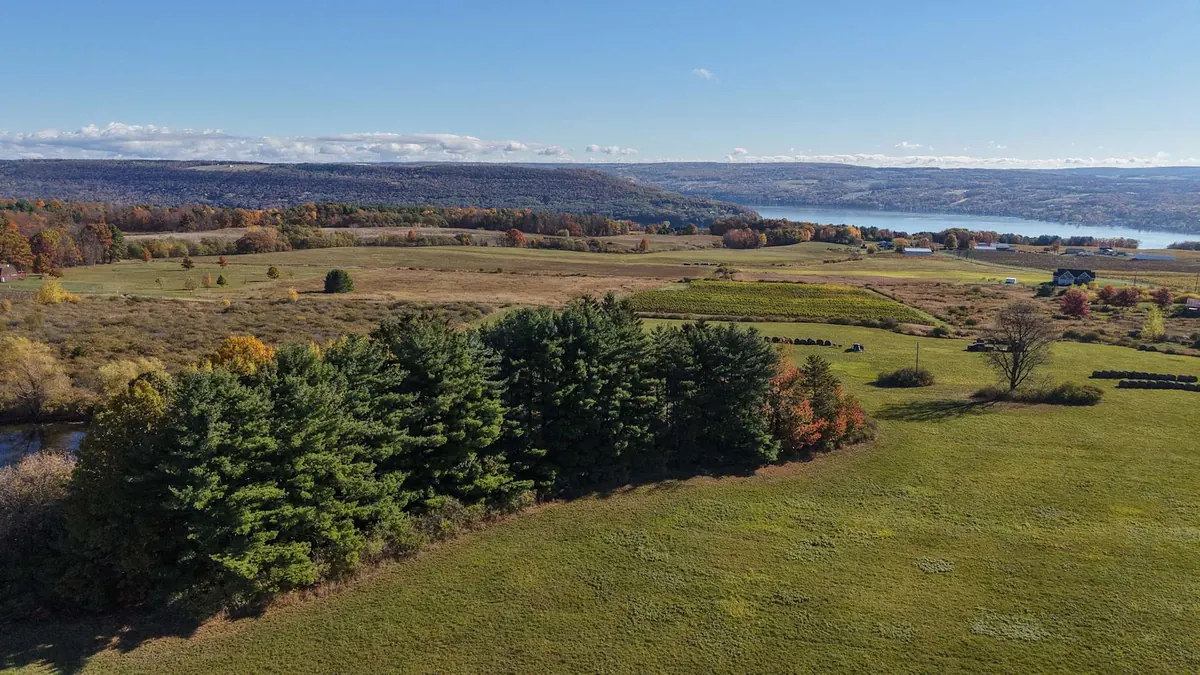
West Bloomfield sits on the southern edge of the Hopper Hills and the northern edge of the Bristol Hills, and the town takes its shape from the high ground. Settlement began around 1789, the town was set off from Bloomfield in 1833, and the farmhouses here sit on rolling land with long views toward Honeoye Lake and Canandaigua Lake.
West Bloomfield
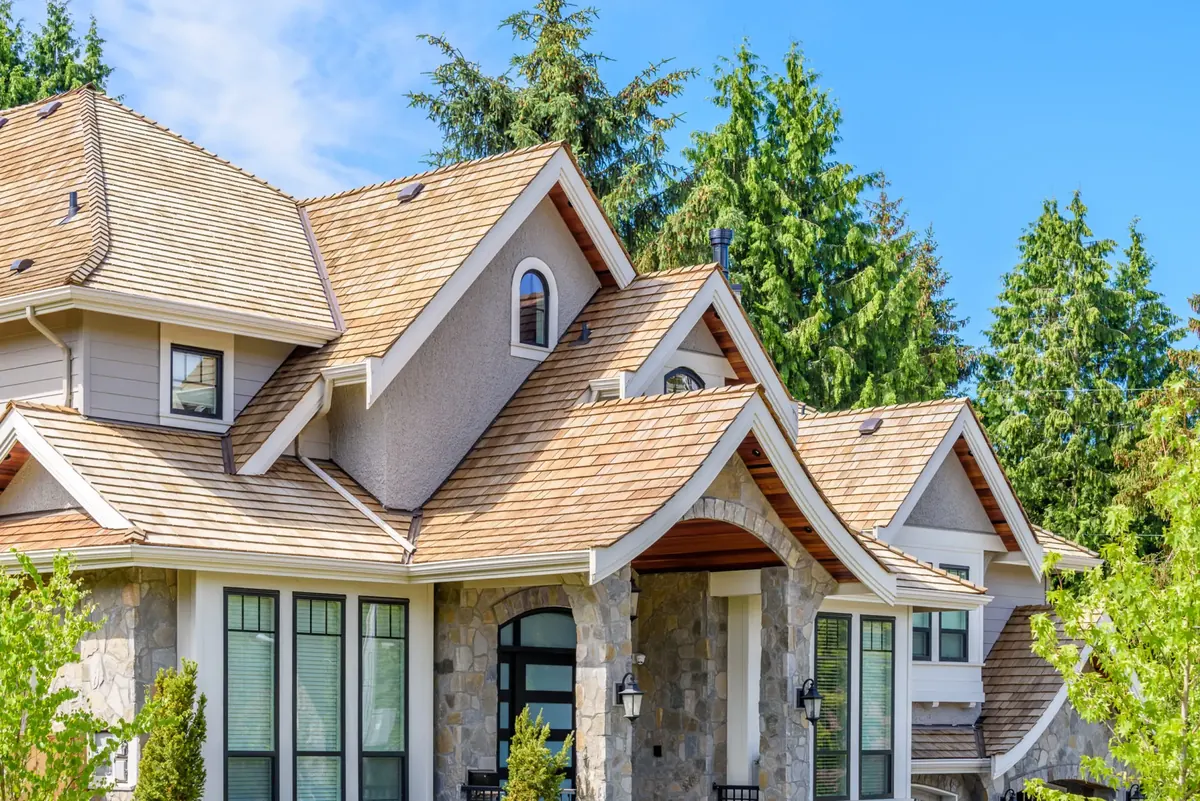
West Bloomfield is the second smallest town in Ontario County by area, and its high points look out over the Finger Lakes region. Honeoye Creek forms the west town line, and the Seneca villages that once stood here left arrowheads in the plowed fields each spring. The roof inspection we do on the hills starts at the ridge, since the wind runs hardest across the high ground.
The Peanut Branch of the New York Central ran through town from 1853 to 1939, with stops in the hamlet and in Ionia, and the rail bed still shapes the roads. The hamlet of Ionia, once called Millers Corners, sits in the northeast part of town on Route 64, and the hamlet of West Bloomfield sits on Routes 5 and 20. The metal roofing we set on hillside homes suits the slopes, since snow slides off it instead of piling at the eave.
Routes 5 and 20 cross the town together, Route 64 runs along the east town line, and Route 65 touches the northwest corner. The Ontario and Livingston Mutual Insurance Office and the John and Mary Dickson House stand on the National Register, and the two churches in town, the Congregational Church and the Ionia United Methodist Church, have stood since the early 1800s. The New York State historic records list the town's early mills and the rail line that served them.
Local weather
Across the high ground the wind runs clear, and it lifts ridge caps and tabs on the slopes that face uphill. The ridge shows the wind first, so that is where a storm check begins.
Honeoye Creek forms the west town line, and damp air off the water keeps the shaded slopes wet for days after rain. Moss grows where the creek trees block the sun, and ice builds thick on the eaves beside the creek in winter.
Snow piles deep on the hilltop roofs, and the melt runs down to the cold eave, where it turns to ice and backs water under the shingles. The drifts run deepest on the north-facing slopes, where the roof stays shaded all winter.
Hamlets and corners
The town holds two hamlets and a scatter of farm roads on the hills. Our West Bloomfield calls come mostly from the two hamlets and the farm roads scattered over the hills.
The hamlet on Routes 5 and 20, with the old mills, the churches, and homes whose roofs date to the town's early years.
The hamlet in the northeast part of town on Route 64, once called Millers Corners, with farmhouse roofs on rolling ground.
The hamlet at the west town line on Route 65, where farmhouse roofs face the creek and the open fields.
The hamlet east of the village on Routes 5 and 20, where homes sit at the meeting of the farm roads.
Homes on the southern edge of the Hopper Hills, with long views and roofs that take the wind off the high ground.
Homes on the northern edge of the Bristol Hills, where the ground rises and the snow drifts deep.
Repair or replace
Hill wind makes the call harder, since a roof can look sound from Routes 5 and 20 and still be lifting at the ridge. Hill wind leaves a few telltale signs, and those are the ones that push the decision each way.
When a West Bloomfield roof is close to the call, we walk it with the homeowner, point at the worn slopes, and let the roof make the case.
Warning signs
The ridge sits highest on the roof, and hill wind works it loose before anything else. When a cap lifts, water runs straight into the deck, and the attic shows a damp line weeks before the ceiling does.
The uphill slope faces the wind that runs down from the high ground, and wind-driven rain pushes under curled tabs there first. Once a tab curls, the hill wind gets under it, and one lifted tab can leave a bare patch by season's end.
Hill wind and rain pull granules off aging shingles, and they wash down into the gutters and downspouts. A handful of granules after a storm is normal wear, but a steady pile means the shingles are nearing the end of their life.
Ridge caps lifting on the high ground, or ice at the creek-side eave? Call and tell us whether the house sits on a hill or by the creek.
Call (585) 868-0065Coverage
West Bloomfield carries one ZIP, 14585, and it covers the hamlets, the hill roads, and the farm country across the whole town, from Honeoye Creek to the Bristol Hills.
The 14585 ZIP covers the Town of West Bloomfield in Ontario County.
High ground
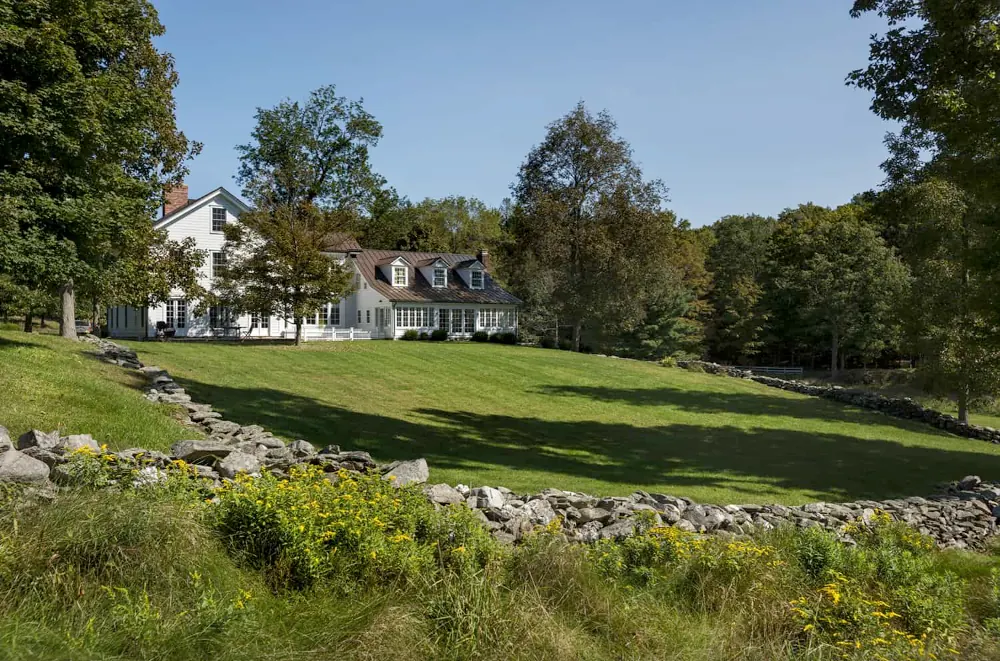
The high ground of West Bloomfield looks out over the Finger Lakes, and the farmhouses up there take hill wind from every direction. The wind lifts tabs on the windward slope first, and the ridge caps loosen after a hard blow.
Honeoye Creek forms the west town line, and the valley damp below the hills keeps the shaded slopes wet into late spring. A roof visit here reads the windward slope first and the shaded slope second, because the hill and the creek wear a roof in two different ways.
Services
Hillside homes suit standing seam metal, since snow slides off it instead of piling at the eave and straining the deck.
Learn more →A walk over the roof, a look in the attic, and a check of the creek-side eave, with a plain-words list of what to do now and what can wait.
Learn more →Hill wind lifts the ridge caps, the uphill slope curls its tabs, and thaw cycles shift the chimney flashing, and each gets fixed at its source.
Learn more →Snow piles deep on hilltop roofs and the melt backs up at the cold eave, so we clear the load and open the eave before the dam grows.
Learn more →High ground wind and valley damp meet on one roof, so write in naming the hamlet and the hill the house sits on.
FAQ
The town sits on high ground, and the wind runs across the hilltops with nothing to slow it. The caps on the ridge take the first hit, since they sit highest, and once one lifts, the wind gets under the next course of shingles. Valley roofs sit behind hills and trees that break the wind, but West Bloomfield roofs face it head-on, so the ridge is checked first.
Yes, on the shaded slopes near the water. Damp air off the creek keeps shingles wet for days after rain, and moss takes hold where the creek trees block the sun. Growth lifts the shingle edges and holds more water against the roof. We clear the growth, check the flashing beneath it, and look at the gutters, since creek leaves clog them and standing water makes the damp worse.
Standing seam metal suits hillside homes best, since snow slides off it instead of piling against the eave. Architectural shingles also hold up when the ridge caps are sealed properly and the valleys are flashed with care. The choice comes down to the pitch, the slope facing the wind, and how deep the drifts run, so we walk the roof first and name the material from what we find.
Look for ridge caps that have lifted or gone missing, curled tabs on the uphill slope, and granules washed into the gutters after the storm. Inside the attic, look for damp lines along the ridge and chimney, since those show up before ceiling stains. Hail in the storm means soft spots on the shingles, so feel for them by hand. Those signs mean it is time to walk the roof.
We do. Ionia sits in the northeast part of town on Route 64, and North Bloomfield sits at the west town line on Route 65. Their farmhouse roofs face the same hill wind and snow as the hamlet, with open fields on every side. The work matches the village work, but the wind runs harder across the high ground, so the ridge gets checked first on every visit.
It covers the north eave for ice-dam damage, the ridge for caps the hill wind lifted, and the shaded slope near the creek for moss. The town sits on high ground, so the wind runs harder across the hilltops and the drifts run deep. A walk on the roof in spring catches all three while the fixes are still small, and the warm months stay open for the work itself.
Nearby towns
East Bloomfield sits east past the town line, Honeoye Falls lies north toward the creek, Lima runs west toward the Genesee Valley, and Avon sits southwest along the river.
Creek and shade
Honeoye Creek forms the west town line, and damp air off the water keeps the shaded slopes beside it wet for days after rain.
West Bloomfield sits on the southern edge of the Hopper Hills and the northern edge of the Bristol Hills, and Honeoye Creek runs along its west edge. The creek trees block the sun from the slopes beside the water, and damp air off the creek settles under those trees. A roof beside the creek stays damp on its shaded side long after the hilltop roofs have dried, and moss grows where the creek trees block the sun. Ice builds thick on the eaves beside the creek in winter, since the meltwater refreezes in the cold air that pools along the water.
The hamlet of North Bloomfield, at the west town line on Route 65, takes the creek damp at full strength. Its farmhouse roofs face the creek and the open fields, and their north slopes grow moss while their south slopes stay clean. The hamlet of West Bloomfield, on Routes 5 and 20, sits farther from the creek, yet the damp still reaches it on still mornings, when fog from the creek drifts east across the town. A roof check in West Bloomfield therefore looks at the north slope first, wherever the house stands, since the creek damp and the hill shade work together on that side.
Clearing the valleys matters more beside a creek than it does on a hilltop. Leaves from the creek trees wash into the valleys and hold water against the metal, and a valley that stays packed through winter lets meltwater sit against the flashing for months. A soft brush sweeps the valley clear without disturbing the shingles beside it, leaving the roof ready for winter with its water paths open.
Farmhouse roofs at the west town line face the creek, and their shaded slopes grow moss while the sunny slopes stay clean.
Houses on Routes 5 and 20 take creek fog on still mornings, and their north slopes hold damp into the afternoon.
The hamlet in the northeast, once called Millers Corners, sits on rolling ground where farmhouse roofs take hill wind and creek damp together.
High ground snow
Snow piles deep on the hilltop roofs of West Bloomfield, and the melt runs down to the cold eave, where it turns to ice and backs water under the shingles.
The town is the second smallest in Ontario County by area, yet its high points look out over the Finger Lakes region, and the wind runs clear across that high ground. Snow arrives on the hilltops first and stays longest, since the north-facing slopes stay shaded all winter. Drifts run deepest on those shaded slopes, and the melt from a drift runs down to the eave, where the cold air holds it as ice. That ice dams the meltwater behind it, and the water backs up beneath the shingles at the eave.
Metal roofing suits the hillside homes here, since snow slides off it instead of piling at the eave, and the steep pitches of the old farmhouses help in the same way. Lower slopes on newer homes hold snow longer, and their eaves need watching through the thaw cycles. The attic plays its part too: warm air from the rooms below melts the snow from underneath, while the cold eave stays frozen, and that split is what builds the dam. Our guide to how snow load affects older Rochester homes sets out how that weight and melt work together.
A winter check on a hilltop roof looks at the eave first, the attic second, and the ridge third. The eave shows the ice, the attic shows the warm air that fed it, and the ridge shows the wind that lifted the caps while the snow was still sitting. Clearing the eave after a deep snow, and keeping the attic air moving toward the ridge, changes the pattern for the rest of the season. Our roof snow removal and ice dam prevention visits cover that eave work, and our attic ventilation and insulation visits cover the air path that feeds the melt.
Rails, stone, and Route 64
The old Peanut Branch rail bed still shapes the roads of West Bloomfield, and the houses along it carry the same stone and timber character as the rail era.
The Peanut Branch of the New York Central ran through town from 1853 to 1939, with stops in the hamlet and in Ionia, and the rail bed still shapes the roads that follow it. Houses along that line were built when the rail brought timber, stone, and slate to the town, and their roofs carry the marks of that era: steep pitches, tall chimneys, and stone walls that rise beside the eaves. The Ontario and Livingston Mutual Insurance Office and the John and Mary Dickson House stand on the National Register, and the two churches in town have stood since the early 1800s, with rooflines that match the houses around them.
Route 64 runs along the east town line, and the houses along it mix old farmhouses with newer builds on rolling ground. The old farmhouses take hill wind across their ridge caps, while the newer builds take the same wind across wider, lower slopes. Stone walls along the road hold damp at their base, and that damp rises into the air around the eaves, adding to the shade problem on the north slopes. A check along Route 64 looks at the ridge for wind lift, the north slope for moss, and the chimney for mortar that the thaw cycles have loosened.
Routes 5 and 20 cross the town together, Route 64 runs along the east line, and Route 65 touches the northwest corner, and the houses on each of those roads meet the weather a little differently. The rail bed, the creek, and the two ranges of hills give West Bloomfield its shape, and a roof here is best read with all three in mind: the wind from the high ground, the damp from the creek, and the old timber and stone that the rail era left behind.
High ground catches the wind first in West Bloomfield, and a hill house, a hamlet house, and a creek-side house each carry that wind a little differently. Send word by phone or email, name the hill or hamlet yours stands in, and tell us which slope has been taking the worst of it.
Roofing Rochester, 75 S Clinton Ave Ste 510, Rochester, NY 14604, (585) 868-0065